
The Shadow of the Wind
2,000-word summary 9 min read 486 pages in the book
- First published
- 2001
- Publisher
- Penguin Press
- Pages
- 486
- ISBN
- 9781594200106
- Original title
- La sombra del viento
- Series
- Cemetery of Forgotten Books (#1)
Reading options
What's inside (5 sections)
I bought The Shadow of the Wind in Barcelona, which is either perfect or too on the nose. The bookseller smiled when I asked and said everyone finds it differently. Carlos Ruiz Zafón first published it as La sombra del viento with Planeta in 2001, translated into English by Lucia Graves in 2004. The US edition I cite runs 486 pages from Penguin Press with ISBN 9781594200106. It is the first book in the Cemetery of Forgotten Books sequence. It is a mystery, a love story, and a long ode to books that manage to be creepy without cheap tricks.
The premise is famous for a reason. In 1945, in a city still marked by civil war, a bookseller takes his ten year old son Daniel Sempere to the Cemetery of Forgotten Books, a hidden library where forgotten titles wait for someone to choose them. Daniel is allowed one book. He picks The Shadow of the Wind by Julián Carax. He reads it in one night and loves it completely. When he tries to find more by Carax, he learns someone has been buying and burning every copy for years.
That burned man finds Daniel. He has a scarred face, smells of ash, calls himself Lain Coubert after a character in Carax's work. He offers money for Daniel's copy. Daniel refuses. From there Daniel's curiosity becomes obsession. Who was Carax? Why erase him? What happened to his family, his lover, his friend? Daniel grows from boy to young man while asking, and the answers stain his own life.
What hooked me first is voice. Zafón writes Barcelona as damp stone, tram bells, bookshops that smell of paper and dust. Daniel's father runs Sempere and Sons, a small shop that barely survives. Their apartment above is quiet after Daniel's mother died. His father is gentle, tired, decent. Their talks are short and kind. Barcelona outside is hungry and watched. Franco's police are present without taking over every scene. Fear sits in background, shaping who will speak.
Fermín and the streets
Daniel cannot do this alone, and thankfully he meets Fermín Romero de Torres. Fermín is the book's beating heart, a former beggar and prisoner with a sharp tongue, a big appetite for life, and loyalty that never wavers. Daniel's father gives him work in the shop. Fermín repays them by becoming family. He is funny in ways that relieve the gloom without breaking it. He flirts outrageously, quotes proverbs he invents, and remembers prison with a shudder he covers fast.
Fermín helps Daniel chase paper trails. Publishing records. Old addresses. School registers. A pen maker. A watchmaker. A doctor who will not talk. Zafón loves this kind of search. Each witness adds a piece about Carax: brilliant schoolboy in San Gabriel, poor but proud, in love with Penélope Aldaya, daughter of wealth, friends with Jorge Aldaya and Miquel Moliner, hated by a teacher, marked by war. Fermín knows how to coax stories from guarded people. He brings sweets. He listens. He also knows when to leave fast.
I liked how Zafón pairs Daniel and Fermín as doubles for Carax and his friend Miquel. Daniel is young, bookish, romantic, impulsive. Fermín is older, scarred, practical, talkative. Their banter carries long middle chapters that could otherwise sag. One night walk home after drinking, where Fermín explains women, books, and survival in one speech, made me laugh and then feel sad when he goes quiet about cells and beatings. Humor here is armor, and Zafón lets you see dents.
Bea Barceló enters as Daniel's own Penélope figure. She is bright, from a better off family, with a brother who watches her. Daniel loves her awkwardly, grandly, as teenagers do. Their courtship is sweet and frustrating. Stolen looks in plazas. Notes passed. A brother who threatens. A father who disapproves. Zafón does not hurry it. He lets Daniel be clumsy. Bea is not just a prize. She reads, argues, chooses. When Daniel starts to mirror Carax too closely, chasing a lost girl while neglecting the living one, Bea calls it out. That self awareness saves the romance from feeling like copy.
Other figures crowd in memorably. Tomás Aguilar, Daniel's best friend, builds inventions and loves his sister fiercely. Clara Barceló, Bea's blind aunt, beautiful and lonely, ensnares teenage Daniel for a while in a sad infatuation that teaches him about desire and pity. Gustavo Barceló, the bookseller uncle, loves books loudly and helps. Inspector Fumero, the police officer, is pure menace, a man who uses uniform for revenge. Nuria Monfort, who knew Miquel, holds keys to much. Each gets enough past to feel real, not just clue holders.
Julián Carax and Penélope
The heart of the mystery is Julián Carax himself. Born poor, son of a hat maker, brilliant at school, sponsored by rich friends, in love with Penélope Aldaya from childhood. Their love is the old story of class and house. Her parents forbid. They meet in secret. She becomes pregnant. War and family cruelty intervene. Carax leaves for Paris, writes strange novels where the devil figure Lain Coubert appears, returns broken, learns terrible news, disappears into legend.
Zafón tells this in layers, through letters, memories, manuscripts. Nuria's account, long and central, reframes everything Daniel thought. Miquel's sacrifice. Jorge's jealousy. Penélope's fate in the Aldaya mansion, locked rooms, whispers, a child. It is gothic without ghosts, though it feels haunted. Houses rot. Names are scratched out. A cemetery of books mirrors a cemetery of people.
I will not detail the worst reveals because discovering them is the pleasure. I will say Zafón earns the melodrama by grounding it in Franco era repression. Shame, illegitimacy, poverty, police power. These are not props. They decide who can marry, who can publish, who can live where. Carax's books fail in Spain partly because they are odd and dark, partly because the world has no room for his truth. Burning them becomes both personal revenge and cultural erasure.
The Lain Coubert figure, the scarred man, is scary in early scenes. He laughs in the dark. He marks doors. He burns. As his identity clarifies, fear turns to pity without losing danger. Zafón is good at that turn. Monsters have addresses. They were once schoolboys. That does not excuse, but it explains enough to ache.
Daniel's parallel with Carax grows explicit. Both love daughters of stricter houses. Both have loyal friends who pay prices. Both write or seek books to hold loss. Zafón risks making Daniel a mere echo. He avoids it by letting Daniel choose differently at key points, with Fermín shouting advice and Bea demanding presence. When Daniel finally reads Carax's last manuscript, he understands warning, not instruction.
Barcelona as memory
What stayed with me most is place. Zafón writes streets you can follow. Calle Santa Ana. Plaza Real. The Ramblas in rain. The Aldaya mansion moldering behind walls. The cemetery on Montjuïc. The bookshop as refuge. He loves secondhand shops, cafés where old men argue, attics full of letters. If you have walked Barcelona in November, the damp chill in these pages is exact.
The Cemetery of Forgotten Books itself is a perfect invention. A labyrinth of bridges and domes where one book per person can be saved. It returns at start and end, framing the story as a handing on. Who saves which book, and why, becomes a quiet moral test. Daniel chooses with a child's heart. Later he brings someone else. The circle closes without sentimentality, or with just enough to make you close the book slowly.
I want to add more about Inspector Fumero because he gives the book its political edge. He is not a cartoon villain. He is a man who rose through police ranks by cruelty and memory for slights. As a boy he was humiliated by the Aldaya circle. As a man with a badge he collects debts. He beats Fermín badly, stalks Daniel, uses files to threaten booksellers. Scenes where he enters the shop and touches books with gloved disdain are frightening because power is casual. Zafón does not make Franco's state the whole story, but Fumero shows how it worked street by street. Friendship could not protect you if someone with a gun remembered your laugh.
Nuria Monfort also deserves a longer note. She worked for a publisher, loved Miquel Moliner quietly for years, kept letters others burned. Her long written account to Daniel is the moral center. She admits cowardice, jealousy, and care in one voice. She tells Daniel that she failed Penélope by staying silent when speaking might have saved, and that Miquel spent his life trying to pay for the same silence. Reading her pages late at night, I slowed down. She writes about typing in cold offices, about censorship stamps, about choosing which manuscripts to save when paper was short. Her love for Miquel never becomes grand. It stays in small acts. Bringing soup. Hiding a letter. Visiting a grave when no one watches. That ordinary fidelity moved me more than the great romance.
Tomás Aguilar, Daniel's best friend, gives the book another kind of loyalty. Big, awkward, brilliant with his hands, he builds pens and radios while Daniel chases ghosts. He loves his sister Bea fiercely and distrusts Daniel for good reasons. Their fight over Bea is ugly and honest. Punches, insults, then shame. Tomás later helps Daniel when it counts, without speeches. I liked that Zafón lets male friendship include embarrassment. They do not hug and confess. They fix a lock, carry boxes, stand nearby. Presence counts.
The Aldaya mansion scenes merit mention for sheer gothic pull. Peeling paint. Locked nursery. A garden gone wild. A caretaker who drinks and talks too much. Daniel enters twice, once as a boy thrilled by ruin, once as a young man who understands what walls hid. Penélope's room, kept as it was, with music sheets and a ribbon, is sad without tricks. You do not need a ghost when a ribbon is still tied. Zafón knows objects hold grief better than speeches. A pen. A watch. A photograph with faces scratched. Each object in the hunt felt placed by a careful hand.
A fair criticism is length and layering. At 486 pages, the middle accumulates subplots. Clara's seduction of young Daniel goes on. Some witnesses repeat. Nuria's long letter, while rich, stops momentum. Zafón loves sentences that curl, and in translation they sometimes curl twice. I skimmed a few descriptions of fog and stone around page three hundred. Fans of tight thrillers may find it baggy.
Another criticism is women as muses. Penélope, Bea, Clara, Nuria are vivid but often seen through men's longing. Zafón gives Nuria a strong voice late, and Bea agency, but the structure still centers male authorship and male search. Modern readers may notice. I noticed and still cared, but it is a limit.
The translation by Lucia Graves reads smoothly. Dialogue snaps. Jokes land. Only occasionally does a proverb feel smoothed. The original title La sombra del viento carries wind as breath and spirit, which English keeps as shadow. Good enough. The book's fame in English after 2004 makes sense. It offered mystery readers atmosphere and literary readers plot.
Who should read it? Book lovers, gothic fans, anyone who likes long hunts through archives. If you want fast crime, this is slow burn. If you dislike sad endings inside happy frames, be warned. Zafón does not punish Daniel, but he does not spare him either. Happiness here includes scars.
I left my copy in a Barcelona hostel with a note, which felt right. Someone else chose it off a shelf of forgotten books. That is the story, after all. We save one, we pass it on, we hope it survives fire and forgetting. Zafón, who died in 2020, built a place for that hope. Walking home in rain after finishing, I looked at lit shop windows differently. Somewhere behind one, a boy might be picking his one book for life.
FAQ
When was The Shadow of the Wind published?
Planeta published La sombra del viento in 2001, translated by Lucia Graves in 2004. The US edition runs 486 pages and the ISBN is 9781594200106.
Who are the main characters?
Daniel Sempere, Julian Carax, Fermin Romero de Torres, Bea Barcelo, and the scarred stranger Lain Coubert.
Is it part of a series?
Yes, it is book one in the Cemetery of Forgotten Books, followed by The Angel's Game.
Similar books
More like The Shadow of the Wind →More from Cemetery of Forgotten Books first, then related titles.

Mexican Gothic
In 1950 Mexico, glamorous Noemi Taboada leaves Mexico City for High Place after a desperate letter, to rescue cousin Catalina from the chilling Doyles and…
2,523-word summary · 11 min read

The Only One Left
Caregiver Kit tends mute Lenora Hope accused of 1929 family murders.
2,592-word summary · 12 min read
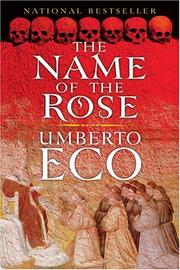
The Name of the Rose
Friar William and Adso investigate 1327 abbey deaths amid library labyrinth.
2,580-word summary · 11 min read

The Lost Apothecary
A hidden 1791 apothecary poisons cruel men, and two centuries later an historian uncovers her trail.
2,691-word summary · 12 min read

The Seven Deaths of Evelyn Hardcastle
Aiden relives a murder day in eight hosts to solve Evelyn Hardcastle's killing.
2,459-word summary · 11 min read

The Strange Case of Dr. Jekyll and Mr. Hyde
A London lawyer traces a violent stranger to his respectable friend in Stevenson's 1886 tale of two selves.
2,286-word summary · 10 min read