
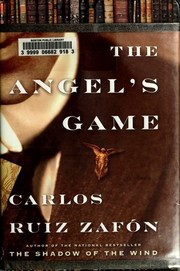
The Angel's Game
2,699-word summary 12 min read 544 pages in the book
- First published
- 2008
- Publisher
- Doubleday
- Pages
- 544
- ISBN
- 9780385528702
- Original title
- El Juego del Ángel
- Series
- Cemetery of Forgotten Books (#2)
Reading options
What's inside (8 sections)
I picked this one up because The Shadow of the Wind had left me with that particular ache you get from a book you do not want to leave. I wanted more of the Cemetery of Forgotten Books and the Sempere shop and Barcelona in the rain. What I got was darker and stranger than I expected, and for a while I was not sure I liked it. Then it got under my skin and stayed there.
Some facts first, so we are on the same page. Carlos Ruiz Zafón first published this novel in Spanish as El Juego del Ángel with Planeta in Spain in 2008. The English translation by Lucia Graves appeared in 2009, with Weidenfeld and Nicolson in the UK and Doubleday in the US. The US first edition I cite runs 544 pages with ISBN 9780385528702. It is the second book in the Cemetery of Forgotten Books sequence, set mostly in the 1920s and 1930s, before Daniel's story in The Shadow of the Wind. You do not need the first book to follow it, though knowing it adds a lot.
The narrator is David Martín, and he tells the whole thing himself, looking back. He grows up with very little. His mother dies when he is young. His father, worn down by hard work, does not last much longer either. Books become his shelter. He reads whatever he can find, and early on he decides he will be a writer. Not the polite kind. The kind whose name is on a cover in a shop window.
As a teenager he gets work at a newspaper in Barcelona, La Voz de la Industria, writing crime reports. He is good at it in a way that worries his editor. He notices small things. He writes scenes that feel a little too alive. Through the paper he meets Pedro Vidal, who is rich and charming and wants to be a great writer. Vidal takes David under his wing. He introduces him to editors and to a world of dinners and talk. He also, without quite meaning to, introduces him to Cristina Sagnier.
Cristina is the daughter of Vidal's driver, and she works in Vidal's household. David falls for her fast and hard, the way you do at that age when someone is kind to you once and you build a whole future on it. She likes him back, or something close to it, but there is always a distance. She belongs to Vidal's world. David only visits it.
A kid who wanted to write
David's break comes from a pair of penny press publishers who pay by the line and care about sales, not art. They hire him to write weekly serials under a pen name, the kind of blood and thunder stories people bought at kiosks. He throws himself into it. He writes fast, he writes a lot, and he finds he has a real gift for keeping readers hooked from one week to the next.
Success of that sort has a price. His health suffers. He sleeps badly, eats worse, and starts fainting. Friends tell him to slow down. He does not listen. He is young and finally earning money from words, and he wants a novel with his real name on it.
He writes two serious novels. One of them he more or less gives to Vidal, who publishes something very like it as his own and gets the praise David wanted. That betrayal sits in David for the rest of the book. It is not the main plot, but it colors everything. When David later talks about friendship and envy, you hear this wound underneath.
Around the same time, Vidal marries Cristina. David is invited to the wedding and goes, which tells you something about him. He stands there and watches the woman he loves marry his patron. He tells it plainly, without self pity, and that plainness makes it worse. After that, Barcelona feels emptier to him. Work dries up. The serials stop selling the way they did. He moves through days feeling used up.
I found this early stretch very readable. Zafón clearly enjoys writing about cheap ink and cheaper pay. The newspaper office, the kiosk publishers counting coins, Vidal's villa with its talk about art: it all feels lived in. David is not always likable, and I mean that as praise.
The tower house on the hill
With what money he has left, David rents an old tower house on the edge of the city, a narrow place with a garden gone wild and a strange past. The previous owner, a man named Diego Marlasca, died badly years earlier, and people in the street still talk about it in low voices. The house has a locked study. There are marks on the walls where pictures used to hang. There are papers and photographs left behind, and a feeling, David says, that the rooms remember something he does not yet know.
He moves in with little more than books and a typewriter. For a while the quiet helps him write. Then small wrong things begin to happen. A door that was shut stands open. Papers shift.
Into this comes Isabella Gispert, seventeen, bright, talkative, and completely sure that David is a genius. She has read his serials and loved them. She writes him a long admiring letter, then simply shows up and talks her way into helping him. She types his pages, argues with his plots, and teases him when he sulks. She is young but not simple, and he slowly starts to rely on her company more than he admits.
The house keeps giving up pieces of Marlasca. Old letters mention a wife and a son, money troubles, and then a change. The man stopped writing for ordinary publishers. He began working on some private project, something tied to religion, and he grew afraid. There are notes about a publisher from Paris. There are pamphlets of a strange devotional sort. David reads them with a writer's interest at first. Then with something colder.
At the same time his health collapses in earnest. After a bad fainting spell he sees a doctor and gets terrible news. There is a growth in his brain. The doctor speaks carefully, but the meaning is clear. David may have little time left. He walks out of that office into bright daylight feeling like a ghost already. That diagnosis matters for everything that follows. A dying young man with no money and one lost love will sign papers a healthy man would burn.
A Frenchman with an offer
Andreas Corelli arrives like a character from one of David's serials. He is a French publisher, polite and pale, with an accent and a small pin on his lapel, and he seems to know far too much about David's life. He has read the serials. He has read the failed novels. He knows about the tower house. He even knows about Cristina, or hints that he does, with a smile that never quite reaches his eyes.
His offer is simple and mad. He will pay David a fortune. In return, David will spend a year writing a book unlike any other. Not a novel. A text meant to win belief, something between story and scripture, a book that could found a faith. Corelli speaks of it calmly, as if commissioning a bridge. He says David is the only writer who can do it. He leaves a card with a Paris address and gives David time to think.
David laughs at first. Then he does the math of his illness and his debts, and he stops laughing. He meets Corelli again in odd places, often at night, and each time the man seems both patient and hungry. He never raises his voice. He never threatens. He only promises.
So David says yes. That yes is the hinge of the whole novel. Everything after it can be read two ways, and Zafón keeps both ways open for a long time. Either David has made a deal with something evil, or a sick and grieving man has talked himself into seeing patterns that are not there. I kept switching between the two readings, sometimes in the same chapter.
The writing scenes that follow are strong. David shuts himself in the tower house and works the way obsessed people work. Corelli wants a text that moves from love to fear to obedience, and David, who knows serial tricks, understands the shape at once. Using his pulp skills for a sacred fraud both excites and sickens him.
Diego Marlasca
While the book grows, David keeps digging into Marlasca, and the two stories start to rhyme in ways that frightened me more than any ghost. Marlasca, years earlier, lived in the same house. He too wrote for money. He too met Corelli. He too was promised much and given a year for a secret work. Then his life broke apart. His family suffered. He died in a way the papers called an accident and the neighbors did not believe.
David finds this out in pieces. A widow who will not speak plainly. A priest who remembers too much. Files in the Sempere bookshop. Photographs with faces scratched out. Each visit adds a detail, and each detail points the same way.
The Sempere scenes warmed me. The old bookseller and his son treat David with a kindness he does little to earn. It is also where the Cemetery of Forgotten Books comes back into view. That hidden library of lost titles, which readers of the first novel will remember, opens its doors again here. If you read The Shadow of the Wind first, these pages land with extra force.
Marlasca's trail leads David to churches and archives and finally to the idea that his predecessor tried to back out. There are signs Marlasca tried to warn whoever came next. Messages hidden in bindings. A letter that reads like an apology. David, stubborn and ill, reads the warnings and keeps going. He tells himself he is stronger. He tells himself Corelli needs him too much to harm him. Isabella, who has read enough of both men's pages by now, is less sure. She begs him to stop. He hears love in her voice and mistakes it for youth.
There is a stretch here with fires and funerals that some readers will find too much. Books burn. People David spoke to turn up dead. The police ask questions he cannot answer. Twice I put the book down thinking this was tipping into serial excess. Then a quiet scene, David and Isabella eating in the kitchen, or old Sempere wrapping a book in paper, would pull me back.
Cristina and Isabella
I should say more about the two women, because they carry the emotional weight. Cristina remains, for much of the book, the lost ideal. David loves her from far away, writes her letters he does not send, and watches her marriage to Vidal from the outside. When they do meet, the scenes ache. She is tired. Marriage to a rich man who drinks and sulks has not made her happy. She is loyal to Vidal in her way, and she pities David, and pity is the last thing he wants from her.
Zafón gives Cristina a few late scenes of real steel. She sees more of the Corelli business than David thinks, and she acts to protect people at cost to herself. I will not spell out those turns, since finding them is part of the pleasure, but I will say she stopped being a symbol for me around the last third and became a person. That shift is deliberate. David has to learn the difference between the Cristina he worships and the woman who makes her own choices.
Isabella is the opposite pole. She is present, loud, funny, and growing up fast. She starts as comic relief and becomes the book's conscience. She types David's pages and tells him when they are false. She falls a little in love with him, in the way clever seventeen year olds do with older writers, and he, to his credit, mostly does not encourage it. He cares for her like a brother or a teacher, and that care becomes one of the few clean things in his life.
There is a lovely thread where Isabella starts writing herself. David reads her pages and is startled. She has talent, raw but real. Watching the sick hack teach the young fan how to shape a scene gave the book a tenderness I had stopped expecting.
Vidal could have been a simple villain, the rich friend who steals and marries. Zafón makes him sadder than that. He knows Cristina settled for him. His cruelty toward David holds jealousy, but also guilt.
Faith, fire, and a messy middle
As David's manuscript nears completion, the book turns fully toward horror. Corelli's visits grow stranger. He appears where he cannot be. He knows things David never told him. David's illness seems to pause, which should please him and instead terrifies him. Had the doctor been wrong, or has something else kept him upright? He asks, and Corelli answers with stories instead of answers.
The Marlasca pattern tightens. David tries to change the terms. Corelli, still polite, shows what patience costs. The tower house, which began as refuge, starts to feel like a stage set built for one final scene.
I will keep the last reveals light. What matters is that David finally sees the shape of the bargain. The book he is writing is not only pages. It is a door. David must decide whether to finish, to burn it, or to turn it against its commissioner. The final chapters move fast, with pursuit through Barcelona streets and a confrontation in the house.
The closing sections left me divided. The ambiguity is honest. Zafón refuses to say exactly what Corelli is, man or devil or fever dream, and that refusal fits a book about belief. Still, several late twists pile up fast. The epilogue, in a different voice years later, reframes much of what came before.
A fair criticism is length and repetition. At 544 pages in the US edition, the middle third circles. Another letter. Another archive. Another fire glimpsed from a rooftop. Lucia Graves carries the sentences into English with real music, but even music tires if the same tune plays too long.
Another criticism is that women suffer to teach David lessons. Cristina endures a bad marriage and worse. Isabella risks herself for his sake. Even Marlasca's wife and child exist mostly as warnings. Zafón tries to give Cristina and Isabella wills of their own, and partly succeeds, but the design still uses their pain as fuel for a man's redemption. Readers who noticed this in The Shadow of the Wind will notice it here too.
The book also asks for belief in coincidences. Characters meet across decades in the same shop, the same house, the same library. Faces repeat. Names echo. If you accept that Barcelona in these novels works like a small town wearing a big city coat, it sings.
Who should read it? Readers who like gothic stories, old cities, books about books, and slow dread will find much to love. Readers who want the warmth and humor of The Shadow of the Wind may miss Fermín style company, though Isabella does her best. Anyone troubled by bleak views of faith should know this is a darker book. It treats religion as a story people can be tricked into bleeding for, and it does not offer much comfort back.
I finished it late on a wet night, which felt right. Rain on the window, lamp on, pages slightly damp from being carried in a coat pocket. I sat for a while thinking about the Sempere shop and the Cemetery shelves, and about David at his desk choosing sentences while something patient waited downstairs. The next morning I ordered The Prisoner of Heaven. Whatever my complaints about the middle, Zafón had me. I needed to know who kept those books safe after the fire.
FAQ
Is The Angel's Game a prequel to The Shadow of the Wind?
It is the second book in the Cemetery of Forgotten Books and is set mostly in the 1920s and 1930s, before Daniel's story. You can read it on its own, and reading The Shadow of the Wind first adds links you will catch.
When was The Angel's Game published?
Carlos Ruiz Zafón published El Juego del Ángel with Planeta in Spain in 2008, and Lucia Graves's English translation came from Doubleday in 2009. The US first edition runs 544 pages and the ISBN is 9780385528702.
Do I need to read the series in order?
No. The books share Barcelona, the Cemetery of Forgotten Books, and the Sempere shop, but each follows different people. Many readers start here and go back to The Shadow of the Wind after.
Similar books
More from Cemetery of Forgotten Books first, then related titles.
The Shadow of the Wind
In postwar Barcelona, Daniel finds a cursed novel and hunts its vanished author while a burned man watches.
2,000-word summary · 9 min read
The Prisoner of Heaven
Fermin Christmas past returns with a stranger and a prison debt.
2,388-word summary · 11 min read

Anatomy: A Love Story
In 1817 Edinburgh, a noblewoman who wants to be a surgeon disguises herself to study anatomy and falls for the grave robber who supplies her with bodies.
2,031-word summary · 9 min read
Once Upon a River
A wounded man stumbles into a riverside inn carrying what appears to be a drowned child who is not quite dead, and the story braids the guesses of everyone who…
2,173-word summary · 10 min read
The Echo of Old Books
Barbara Davis's 2023 novel sends a rare-book dealer in 1984 New Hampshire hunting for the authors of two unpublished volumes that tell opposite sides of one…
2,491-word summary · 11 min read
The Lake House
Detective Sadie reopens 1933 Edevane baby vanishing tied to writer Alice.
2,055-word summary · 9 min read
The Forgotten Garden
A Brisbane woman traces a century old abandonment from an English country house to a Cornish cove and a hidden author.
2,056-word summary · 9 min read
The Thirteenth Tale
A dying novelist tells her true story at last to a bookseller's daughter, and the mystery of the Angelfield twins comes into the open.
2,928-word summary · 13 min read
The Historian
A daughter traces her father's search for Dracula through letters and archives across Europe.
3,237-word summary · 14 min read
Mexican Gothic
In 1950 Mexico, glamorous Noemi Taboada leaves Mexico City for High Place after a desperate letter, to rescue cousin Catalina from the chilling Doyles and…
2,523-word summary · 11 min read
What Moves the Dead
Alex Easton arrives at the Usher house to find Madeline dying, the tarn full of fungus, and the local hares refusing to stay dead.
2,586-word summary · 11 min read
The Art Forger
A disgraced Boston painter agrees to copy a Degas stolen from the Gardner Museum, then begins to suspect the original she is copying is itself a forgery.
2,117-word summary · 9 min read
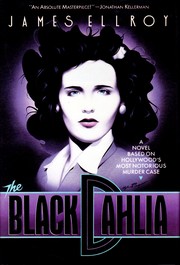
The Black Dahlia
James Ellroy builds a fiction around the real Black Dahlia murder, following two Los Angeles cops whose partnership and obsessions destroy them.
2,533-word summary · 11 min read
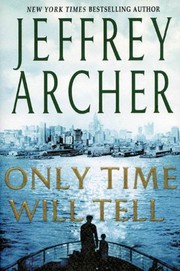
Only Time Will Tell
A Bristol dockworker's son wins a scholarship, falls in love with the daughter of the family that owns the shipyard, and learns that his father's death was not…
2,082-word summary · 9 min read

Night Film
A disgraced journalist investigates the death of a reclusive horror director's daughter, following a red coat through hospitals, secret clubs, and a family…
2,690-word summary · 12 min read
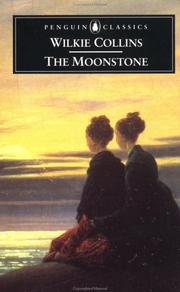
The Moonstone
A cursed yellow diamond vanishes on the night of a birthday party, and eight witnesses tell what they saw.
2,603-word summary · 12 min read
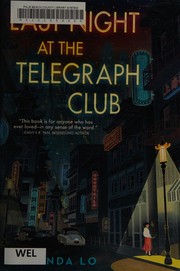
Last Night at the Telegraph Club
The 2021 National Book Award winner follows Lily Hu, a Chinese American teenager in 1954 San Francisco, as she falls for Kath and learns what it costs to be…
2,336-word summary · 10 min read
Big Lies in a Small Town
A 22-year-old woman leaves prison to restore a 1940 mural, and Edenton, North Carolina, starts talking.
2,187-word summary · 10 min read
The Tuscan Child
After her father's death, Joanna follows a returned letter to Tuscany and uncovers his wartime love, a hidden painting and a village secret. A dual-timeline…
2,095-word summary · 9 min read
The Diviners
In 1920s New York, Evie O'Neill's ability to read objects pulls her into an occult investigation that awakens something far older and more dangerous.
2,045-word summary · 9 min read
The Clockmaker's Daughter
A London archivist finds a Victorian satchel holding a photograph, a sketchbook and a letter, then follows them to Birchwood Manor, where a young woman died in…
2,886-word summary · 13 min read
Death Comes to Pemberley
P.D. James drops a murder onto the Pemberley estate and sends Wickham to trial, reading Austen's most famous marriage through the machinery of Georgian justice.
2,318-word summary · 10 min read
The Redbreast
Harry Hole chases an ageing sniper through modern Oslo while two Norwegian volunteers on the Eastern Front carry a fifty-year-old betrayal toward a royal…
2,453-word summary · 11 min read
The Lost Girls of Paris
In 1946, a war widow finds an abandoned suitcase in Grand Central holding photographs of twelve women who vanished in the war, and follows their story back to…
2,668-word summary · 12 min read
The Book of Lost Friends
Three women trace Lost Friends ads from 1875 to find stolen sons.
2,368-word summary · 11 min read
Fingersmith
A thief plots to cheat an heiress, then the scheme flips twice in Victorian London.
2,532-word summary · 11 min read
Bleak House
Jarndyce and Jarndyce grinds through Chancery while Esther finds her family.
2,480-word summary · 11 min read
The Spy Who Came In from the Cold
A burnt-out Berlin agent takes one last mission that requires him to look like a traitor.
2,578-word summary · 11 min read
Maisie Dobbs
A maid turned war nurse opens a London inquiry agency in 1929 and traces a quiet case to a refuge for shattered soldiers.
2,382-word summary · 11 min read

The Plot
A stalled writer builds a bestseller from the plot of his late student Evan Parker, then gets notes calling him a thief. His hunt exposes thefts stacked on…
2,911-word summary · 13 min read