
Reading options
What's inside (9 sections)
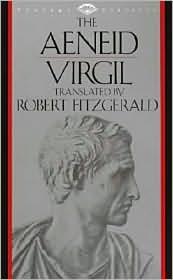
I read the Aeneid in the Fitzgerald translation over two weeks, a book or two at night, and came away admiring and unsettled. It tells how Trojan Aeneas escapes burning Troy, wanders to Carthage, loses love, consults the dead, and wars in Italy to lay the line that becomes Rome. Virgil wrote it to give Rome a Homer, and it shows in both grandeur and strain.
Juno's anger and the storm
The poem opens with arms and the man, then drops us at sea. Juno hates Trojans for old slights. Paris chose Venus over her, Ganymede replaced her daughter as cupbearer, Carthage she loves is fated to fall to Trojan heirs. She bribes Aeolus to loose winds. The fleet scatters. Neptune calms the sea more from pride in his domain than love for Trojans.
Aeneas lands in Libya near Carthage with a handful of ships. He comforts men with speeches about enduring worse, though privately he despairs. Venus, his mother, guides him veiled as a huntress to Queen Dido's new city. Dido, widowed and building, welcomes the strangers with a feast. Cupid, disguised as Aeneas's son Ascanius, kindles love in her at Venus's scheme. Politics and desire tangle from the start.
What struck me is how gods behave like powerful patrons, not moral guides. They nap, feast, hold grudges, trade favors. Humans pray and still drown. Virgil, writing under Augustus, shows piety as duty performed despite cost, not faith rewarded. Aeneas sacrifices, consults, obeys signs, and loses almost everyone. That bleak theology gives the epic weight beyond adventure.
Fitzgerald's English keeps the music without stuffiness. Storm lines crash, council scenes turn crisp, similes of bees and ants delight. At 442 pages it reads faster than its reputation. I kept a list of names because Trojans and Latins multiply, but the main thread holds. A man told to go west, delayed by love and storm, pushed on by dead father and living son.
Troy retold and Dido lost
Books two and three are Aeneas telling Dido how Troy fell. The Horse, Laocoon warning in vain, Sinon's lies, night slaughter, Priam killed at an altar, Venus pulling Aeneas from revenge to save family. He carries father Anchises, leads son Ascanius, loses wife Creusa at the gate and meets only her ghost telling him to seek Hesperia. The account is justly famous. Terror told calmly by a survivor trying to be worthy of rescue.
Wanderings follow. Thrace, Delos, Crete mistaken for home, Harpies, Buthrotum where Andromache mourns Hector, Sicily where Anchises dies. Each stop teaches that home is not found by maps but by fate announced through omens that are easy to misread. Aeneas errs, pays, sails on. His men grumble and follow because no better leader offers.
Dido's love grows as his duty hardens. They hunt together, shelter in a cave during storm, marry in all but Roman law. For a season Aeneas helps build Carthage and forgets Italy. Mercury arrives with Jupiter's order. Leave. Aeneas obeys in secret, preparing ships at night. Dido pleads, rages, begs by their shared bed. He answers with duty. She builds a pyre, climbs with his sword, and dies cursing his line to eternal war between Carthage and Rome. Her death is the poem's human center, and Virgil gives her great speeches even as the plot requires her ruin. I sided with Dido and suspect most modern readers will.
The gods' cruelty here bothered me in productive ways. Venus caused the love, Jupiter ends it, Juno feeds Dido's pride to delay Trojans. Mortals pay for divine wagers. Aeneas's piety looks like obedience to bullies. Yet his grief is real. He looks back at smoke from Carthage and weeps while sailing on. Duty without numbness is the Roman virtue Virgil sells, and its cost is laid bare.
Underworld and Italy wars
Book six takes Aeneas to Cumae to consult the Sibyl and descend to the dead. He seeks Anchises to learn the future. The underworld tour shows sinners punished, heroes resting, and unborn Roman souls parading as future consuls and emperors, culminating in Augustus. Anchises explains reincarnation and mission. Found a city, tame pride, spare the conquered. Aeneas returns through the gate of false dreams, a hint that visions may deceive even as he follows them.
Italy brings no peace. King Latinus offers daughter Lavinia, promised to Turnus of the Rutuli. Juno sends a fury to inflame Turnus and Lavinia's mother. War starts over a stolen stag and old pride. Aeneas seeks allies upriver at Pallanteum, future Rome, where King Evander gives troops and his son Pallas. Pallas dies at Turnus's hands wearing a belt that will doom Turnus later. Camilla, warrior maid, shines and falls. Battles alternate with councils, funerals, and single combats.
The final duel pits Aeneas against Turnus after treaties break. Turnus throws a stone that falls short, prays, falters when Jupiter tips scales. Aeneas wounds him with a spear, stands over him as Turnus begs for life in his father's name. Aeneas hesitates until seeing Pallas's belt on Turnus's shoulder. Remembering the dead boy, he drives his sword in rage. The poem ends abruptly with Turnus's shade fleeing to the underworld. No triumph, no wedding scene, just anger and silence.
That ending divides readers. Is Aeneas pious or vengeful? Virgil, dying before revision, left the knot tight. Augustus wanted a founding glory. What he got includes fury that undercuts glory. I found the discomfort powerful. Empire founded in revenge will repeat revenge, as Rome's history did. Virgil may have meant praise that reads as warning.
Translation and how to read
Fitzgerald's translation, first made in the early 1980s and reissued in Vintage Classics, keeps line sense without forcing rhyme. He favors clear syntax and strong verbs over Latinate swell. Juno rages plainly. Dido pleads without frills. Battles hit hard and fast. At 442 pages with notes, it fits two weeks of steady reading. I read a book a night with tea, marking speeches to reread aloud. Dido's farewell and Anchises's parade of Romans reward voice.
New readers should know a few names going in. Aeneas son of Venus and Anchises, husband to lost Creusa, father to Ascanius also called Iulus. Dido queen of Carthage, widow of Sychaeus. Turnus prince of Rutuli, promised Lavinia daughter of Latinus. Pallas son of Evander, Camilla warrior maid, Anchises father and guide dead before Italy. Juno queen of gods against Trojans, Venus for them, Jupiter trying to balance fate and wife. That cast carries most scenes.
Maps help hugely. Troy to Thrace to Delos to Crete to Sicily to Carthage to Sicily again to Italy, then up the Tiber to Pallanteum. Virgil expects readers to know the sea. Modern readers with a phone map will follow better and feel the distance in oar strokes. I traced the route on paper and finally understood why storms matter so much. A wrong wind costs a season and lives.
Gods, duty, and honest doubts
Pietas is the key word, duty to gods, family, country in that order. Aeneas carries his father, leads his son, obeys visions, sacrifices duly. He is less charming than Odysseus or Achilles on purpose. He is an instrument learning to be a man inside armor. Modern readers may find him cold, especially to Dido. I did at first, then saw his tears and sleepless nights. Cold would be easier. He feels and still leaves, which is sadder.
Women carry the poem's emotion. Dido, Andromache, Creusa's ghost, Camilla, Amata, Lavinia silent and used as prize. They suffer wars men start over honor. Virgil gives them eloquence but not power to change plot except through death. Feminist readers will justly bristle. The masterpiece status coexists with that limit. Acknowledge both.
Style notes for first timers. Fitzgerald keeps names clear and uses modern syntax without slang. Read with a map of the Mediterranean handy. Books one to six wander, seven to twelve war. Take breaks between halves. Reread Dido's speeches aloud. They are the best argument against duty that duty still defeats.
If you want Rome's origin myth with gods bickering and men bleeding, start here rather than with summaries. At nearly ten thousand lines it is shorter than it sounds in good translation. I finished respecting Augustus's poet more and trusting empires less. Aeneas founds by losing Troy, Carthage, and much of himself. Rome rises on those losses. That is Virgil's hard gift. A triumph you cannot celebrate without mourning.
Dido's voice and modern readers
Dido deserves a final note because she outgrows her plot function for most readers now. Virgil gives her council scenes where she rules well, welcomes strangers, and bargains firmly. She built Carthage from exile after her brother murdered her husband, leading her people across sea to a new hill. That backstory mirrors Aeneas, which makes their meeting feel fated as equals rather than queen and beggar. When she falls, she falls as a ruler who chose love over caution, not as a weak woman.
Her speeches to Aeneas move from reason to plea to curse with rhetorical control that Roman students memorized for centuries. She reminds him of winter seas, of his son's safety, of vows spoken before gods in a cave they both treated as marriage. Aeneas answers with fate and tears that do not change course. Modern readers often ask why obedience counts as virtue when it breaks a sworn bond. Virgil lets the question stand by giving Dido the better lines and Aeneas the ships. You leave Book Four angry at heaven, which may be Virgil's quiet point about power.
Later Roman writers answered Dido differently. Ovid lets her write a letter that accuses with wit. Modern novels give her a city that thrives without Trojans. Reading those after Virgil sharpens what he achieved and what he cost. He made a woman unforgettable by ruining her. We remember because she speaks, not because she dies. Teach the book with her voice centered and the epic changes shape. Duty looks smaller, care looks larger, and empire looks like an excuse men use when leaving.
I read her curse on the shore twice, once with annoyance at melodrama and once aloud slowly. The second time the rhythm carried grief more than spite. May my shade pursue you, she says in effect, and may your line know war. Rome and Carthage did war to exhaustion centuries later. Whether prophecy or poetry, the lines bind personal loss to public bloodshed in ways news cycles still echo. Lovers become nations. Quarrels become histories. Virgil knew.
Camilla, Pallas, and the cost of war
The Italian war books introduce young fighters who shine briefly and die hard, giving the epic its Iliad half. Pallas, son of Evander, rides out eager to prove himself beside Aeneas, who loves him like a son. He fights bravely, kills, boasts, then meets Turnus and falls to a spear through the chest. Turnus strips his belt as trophy, an act that will doom Turnus when Aeneas later sees it and refuses mercy. The belt, heavy with carved slaughter, becomes evidence that victory trophies carry curses. Aeneas weeps over Pallas's body and sends it home with honor guard, pausing war for grief in a passage that slows time to carry weight.
Camilla, Volscian maid and Diana's devotee, fights for Turnus with speed that lets her run over wheat without bending stalks. Virgin, swift, loyal to her people, she kills with javelin and axe while priests pray. An Etruscan spearman, guided by Apollo's nudge, strikes her from ambush. She dies asking that her body be returned and her weapons given to Diana. Her death turns the battle and shows Virgil honoring enemy courage. She is no caricature. She chose war knowing its price and paid with skill intact. Readers who skim war books for plot miss these character gems. Slow for Camilla. She earns it.
These deaths prepare the final duel's moral fog. Both sides lost youths they loved. Both claim justice. Aeneas, who tried to spare, learns sparing does not stop killing. Turnus, who sought glory, learns glory costs friends. When they meet alone, the fight is less about Lavinia as prize than about who must answer for Pallas and Camilla and countless unnamed. Virgil refuses clean heroics. Spears miss, knees buckle, gods tip scales. War decides through exhaustion as much as right. That honesty about combat, written by a poet who never fought, still reads true to veterans who say battles turn on luck and grief more than plans.
FAQ
When was the Aeneid written?
Virgil wrote it between 29 and 19 BC, unfinished at his death in 19 BC. The Fitzgerald Vintage translation used here appeared in 1990 and runs 442 pages.
What is the original title?
Aeneis in Latin. The post uses the Robert Fitzgerald English translation.
Does Aeneas get a happy ending?
Troy falls, Dido dies, Turnus dies. Aeneas survives to seed Rome but loses almost everyone he loves.
Similar books
The Iliad
Achilles quits the fight over Briseis, Patroclus falls to Hector, and Troy burns toward its fate in Homer's war epic.
2,320-word summary · 10 min read

The Epic of Gilgamesh
Gilgamesh loses Enkidu, then seeks endless life past the flood.
2,246-word summary · 10 min read

Beowulf
An anonymous Old English epic in Heaney's Norton translation: Beowulf faces Grendel, Grendel's mother, and a dragon across a lifetime of fame and cost.
2,810-word summary · 12 min read
The Odyssey
Homer's Odyssey in Fagles translation: Odysseus fights home past Cyclops, Circe, and Sirens while Telemachus seeks news and Penelope stalls suitors in Ithaca.…
2,504-word summary · 11 min read

Doctor Zhivago
A doctor and poet lives through revolution, war, and love in Pasternak's novel of private life under the pressure of Russian history.
2,213-word summary · 10 min read

The Silmarillion
Tolkien's posthumous First Age history, edited by Christopher Tolkien: the Music of the Ainur, Feanor's Silmarils, Beren and Luthien, Gondolin, and the fall of…
2,544-word summary · 11 min read
The Secret of the Nagas
Shiva hunts the Naga who attacked Sati, discovers her hidden twin sister and lost son, and follows the trail to the Naga capital of Panchavati.
2,442-word summary · 11 min read

Sophie's Choice
A young Southern writer in 1947 Brooklyn befriends a brilliant, unstable couple and slowly learns the story of the Polish Catholic woman at the center of their…
2,798-word summary · 12 min read

Consider Phlebas
The first Culture novel follows a spy for the opposing side, a man hired to hunt a fugitive through a war between an anarchist post-scarcity utopia and a…
2,350-word summary · 10 min read
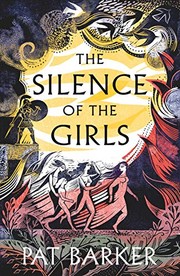
The Silence of the Girls
Briseis, queen of Lyrnessus, is captured by Achilles and narrates the Trojan War from inside the Greek camp, where women are prizes and survival is its own…
2,098-word summary · 9 min read

The Last of the Mohicans
During the French and Indian War, Hawkeye and two Mohican warriors try to save two British sisters from a Huron chief whose revenge will end the Mohican line.
2,017-word summary · 9 min read

The Tiger's Wife
A young doctor in a war-scarred Balkan country chases the stories her grandfather left behind, including a deathless man and a deaf girl who loved an escaped…
2,232-word summary · 10 min read

The Complete Poems of Emily Dickinson
Thomas H. Johnson's one-volume edition gathers all 1,775 of Emily Dickinson's poems in their restored texts, the standard reading edition since 1960.
2,191-word summary · 10 min read
The Red Badge of Courage
Henry Fleming runs at Chancellorsville, then returns to stand.
2,486-word summary · 11 min read

Leaves of Grass
Free verse songs of self, America, bodies and democracy.
2,240-word summary · 10 min read
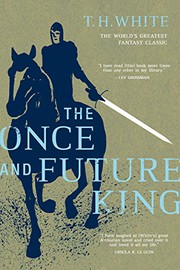
The Once and Future King
T.H. White retells Arthur from boyhood with Merlyn to Camelot's fall, mixing comedy, myth, and a hard look at war and power.
2,200-word summary · 10 min read
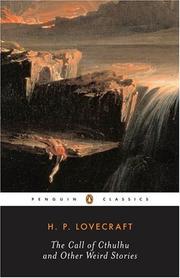
The Call of Cthulhu and Other Weird Stories
Seventeen tales from Dagon to Innsmouth, led by Cthulhu, the Colour, and the Whisperer, in S. T. Joshi careful Penguin edition with notes and corrected texts.
2,593-word summary · 12 min read
The Call of Cthulhu
A professor's papers link a sculptor's dreams, a Louisiana cult raid, and a sailor's voyage to a sleeping god under the sea.
2,530-word summary · 11 min read

Sonnets & Poems
154 sonnets plus Venus and Adonis and other poems on time, love, and fading beauty.
2,341-word summary · 10 min read
Iron Gold
Ten years after victory, Darrow and new rebels face peace that feels like another war.
2,158-word summary · 10 min read
Howl and Other Poems
Ginsberg's 1956 City Lights debut: Howl for outcasts plus tender shorter poems, in 48 pages that survived an obscenity trial.
2,570-word summary · 11 min read
Fire & Blood
Archmaester Gyldayn chronicles Aegon the Conqueror through the Dance of the Dragons, with Doug Wheatley art across 752 pages.
3,268-word summary · 15 min read

The Immortals of Meluha
Tribal Shiva learns he is fabled Neelkanth prophesied to save Meluha.
1,994-word summary · 9 min read

Dream Country
Four Sandman shorts on muses, cats, Shakespeare, and a veiled heroine.
2,001-word summary · 9 min read

Dead Poets Society
Keating tells Welton boys to seize the day and his secret club costs more than grades.
2,031-word summary · 9 min read

Nine Stories
Bananafish, Esme, and Teddy anchor Salinger's postwar Glass stories.
2,348-word summary · 10 min read

Towers of Midnight
Perrin faces Whitecloak judgment and the wolf dream while Mat enters the Finns' tower for Moiraine.
2,099-word summary · 9 min read

The Raven
A grieving student asks a midnight raven and hears only Nevermore.
2,141-word summary · 10 min read
The Divine Comedy
Lost, guided by Virgil then Beatrice, Dante crosses Hell, climbs Purgatory, and rises to light.
2,199-word summary · 10 min read

The Forever War
Drafted in 1997, physics student William Mandella fights Taurans across collapsars while centuries slip past back on Earth.
3,136-word summary · 14 min read