
Reading options
What's inside (4 sections)
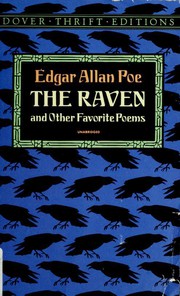
I had memorized bits in school without understanding, so I came back for batch work curious if the most famous American poem holds beyond nevermore. The Raven, first published in 1845 in the Evening Mirror, Dover edition of The Raven and Other Favorite Poems running 50 pages, ISBN 9780486266855, is about a grieving student visited at midnight by a talking raven who answers every question with one word. It is musical, mournful, technically dazzling about meter and rhyme, and stranger than parody versions suggest. I read it aloud three times, which is the only way to get it, and thought about grief that asks questions knowing answers will hurt.
The narrator is young, educated, reading forgotten lore late at night to forget Lenore, a lost love who died. A tapping at chamber door proves to be a raven that perches on a bust of Pallas above the door. The student asks if it will leave. Nevermore. Asks if he will see Lenore in heaven. Nevermore. Asks if God will ease grief with balm in Gilead. Nevermore. Each stanza tightens rhyme and rhythm while meaning narrows to one word that means different things depending on question. Refusal to leave. No reunion. No relief. The student knows the bird only says one word learned from a previous unhappy master, yet asks anyway because grief needs address even when answer is known. That dynamic, asking to hear no, structures mourning better than any essay. We rehearse loss through questions we know hurt.
Sound as sense that carries
The craft deserves attention because Poe wrote an essay about writing it, claiming cold calculation over inspiration. Whether you believe his account, the technique shows. Trochaic octameter mostly, with internal rhymes that chime like bells. Dreary, weary, tapping, rapping. Chamber door, nothing more, evermore. Those rhymes lock stanzas together so sound pulls sense forward even when images blur. Reading aloud, I felt rhythm carry me past confusing lines about seraphim and censers. Mouth knows before mind. Students who struggle with meaning should start by chanting. Let tongue learn music, then ask what Lenore means. That order respects Poe's method. He built sound house first, then moved grief in. A classroom where teacher reads while students tap desks learns faster than analysis first. I tried with a neighbor's teen who hates poetry. Tapping won. Questions followed. Nevermore as drumbeat works on bodies before brains.
The raven as symbol works because it is both ordinary bird and mythic messenger. Real ravens mimic speech, live near battlefields, feature in Norse myth as Odin's thought and memory. Poe uses all without explaining. Bird perches, says word, stares. Student projects meaning that grows with each stanza from curiosity to anger. Is the bird prophet or devil. He asks. Bird says nevermore to both, which answers neither and both. That ambiguity sustains rereading. Is grief speaking to itself through bird. Probably. But poem never states. It shows a mind externalizing inner repetition as visitor who will not leave. Anyone who lost sleep rehearsing conversations will recognize the device. Thoughts perch at midnight and repeat one word. No reasoning chases them. Only dawn, which poem withholds. It ends in shadow with soul still on floor. No morning relief offered. That refusal to comfort distinguishes art from therapy. Witness without fixing. Stay in dreary midnight because mourner lives there still.
Lenore as absent center matters more than raven because desire drives questions. Who was she. Wife, daughter, ideal. Poe never says. Biographers map to Virginia, his young wife dying as he wrote, but poem withholds biography to keep her universal. Rare and radiant maiden angels name. That vagueness lets readers substitute their own lost. I thought about my grandmother while reading, though she lived long and Lenore died young. Loss flattens details into radiance in memory. We forget flaws and keep glow. Poe knows and shows student idealizing past while raven grounds with monosyllable. Dream versus bird. Angels versus floor shadow. Those contrasts structure every stanza. High memory, low perch. Reach and croak. The tension never resolves, which is why poem lasts beyond Goth fashion. It stages how memory works under grief. Elevate lost, diminish self, ask bird for verdict, hear no.
For teaching, the 50 page Dover edition pairs Raven with Ulalume, Annabel Lee, Bells and others that reward comparison. Annabel Lee loves through death without raven cynicism. Bells tracks life stages through sound shifts. Ulalume walks with soul as companion. Reading them together shows Poe's range beyond nevermore meme. He writes love as persistence, sound as time, soul as walker beside self. Those themes deepen Raven from trick to practice. He practiced musical mourning across poems, refining devices. Students who only know Raven should try Bells aloud next. Hear how Poe changes meter to age speaker from sleigh youth to funeral bell. Same technique, different life. That growth across slim volume teaches more than single poem analysis. Follow sound across pages. Notice when rhymes comfort versus confine. Raven confines by design. Other poems release. Together they map grief options. Stay or sing through.
What parody hides and who should try it
Parody versions, Simpsons, football chants, cute raven memes, hide how scary the original feels at midnight alone. The tapping could be visitor, ghost, heart. The student checks and finds bird, which should relieve but worsens because bird speaks. Rational explanation fails to calm. That failure is horror core. Knowing cause does not end fear when cause repeats no. Modern readers who consume true crime for answers will recognize frustration. Motive known, bird learned word, yet dread grows. Why do we ask when answers hurt. Because asking feels like doing while helpless. Poe understood compulsive questioning before psychology named rumination. Each stanza is a loop. Ask, nevermore, wince, ask again differently hoping different word. Word never changes. Asker changes by shrinking. That shrinkage across 18 stanzas from curious student to shouting wreck happens so gradually you barely notice until he curses bird as thing of evil. He was polite first. Grief erodes manners into raving. Watch politeness decay as metric. First stanzas apologize for peeping. Last command bird to leave. No please remains. That arc teaches more than vocabulary. Track courtesy loss to measure pain.
For criticism, the poem's diction can feel stilted. Obeisance, Plutonian, nepenthe. Students trip and lose rhythm. Poe loved Latinate show that distances modern readers. A glossary helps, but momentum suffers. Also, Lenore as ideal woman without voice troubles feminist readers rightly. She exists to be lost, mourned, asked about. No lines of her own. Other Poe women share fate. Ligeia speaks more but dies to inspire. Those patterns reflect 1845 and still rankle. And the speaker's self pity can grate. He wallows while bird watches. Readers in acute grief may find wallowing validating. Others may want action. The poem offers none beyond shouting at bird. Staying with feeling without fixing is point, but not every reader wants that stay. Know before assigning to teens in loss. Some need witness. Others need distraction. Raven witnesses without distraction, which helps some and harms others.
Still, at 50 pages in Dover with other poems it is ideal entry to Poe beyond prose tales. Short enough to read aloud in class period with time to discuss. Dense enough to reread for years. I read it at midnight as prescribed and at noon for contrast. Midnight wins. Lamp light, rain, quiet house make tapping real. Noon analysis feels academic after. Both readings needed. Feel first through sound, then think through symbol. That order respects Poe's essay claim that beauty comes through musical sadness before sense. Whether he calculated as claimed matters less than result. Calculation or inspiration, the music holds grief that still perches above doors we close against night. Listen for tapping. Answer kindly. Expect nevermore and keep asking anyway. That persistence, foolish and human, is the poem's real subject more than bird. We ask knowing. Ask still.
For who this is for. If you teach poetry, start with reading aloud, not analysis. Let rhythm win before rhyme scheme. If you grieve, know it offers company without comfort, which suits some nights better than uplift. If you want story, try Tell Tale Heart instead. This is situation, not plot. Man, bird, night, word. Enough. I closed Dover edition thinking about busts above doors in my own house, what perches there unnoticed. Books, dust, photos of lost. They watch while I read forgotten lore to forget. Tapping comes from inside as much as out. Poe knew. Nevermore as heartbeat when lonely. Listen and write your own stanza. What would you ask. What one word fears answer. That exercise after reading teaches more than essay. Ask. Hear. Stay.
The chamber door as threshold that never opens to relief deserves a final thought because Poe stages entrances that promise exit but deliver perch. Student opens to darkness and nothing more, then to bird that enters and stays. Each opening raises hope of visitor who explains or Lenore returned. Each hope collapses into raven settling. That pattern teaches grief's geography. Doors do not lead out when mourning. They lead to more room with same bird. Student closes shutters, lights lamp brighter, tries reading to escape. Bird remains above, watching. No closing expels. Only acceptance of perch as permanent furniture eases, and poem withholds acceptance to end. Soul still on floor under shadow. That final image, shadow on floor from bird above lamp, inverts expected light triumphing. Light creates shadow that traps. Brighter lamp, darker bird shape. Grief grows with efforts to illuminate. Sit with dimmer light instead. Let bird be without interrogating each hour. Easier said than done at midnight alone, which is why poem endures as companion rather than cure. It keeps vigil with readers who cannot sleep for asking. Stay up together counting nevermores until dawn that poem denies but life eventually brings outside pages. Close book at sunrise. Bird remains in text for next night. That return availability comforts strangely. Grief housed in poem waits patiently for visitors. Knock anytime. It answers one word kindly by consistency. Nevermore as promise that feeling has home when homeless in world that demands moving on. Keep copy where grief lives. Visit when tapping starts. Leave when ready, knowing perch waits without judgment for return.
The bust of Pallas as perch deserves attention because Poe chose wisdom goddess for bird to mock. Pallas Athena, reason and war, holds raven that repeats one word against all reason. Student placed bust to signal learning. Bird defiles by sitting, turning wisdom furniture into stage for unreason. That visual joke carries theme. Learning does not prevent grief madness. Books surround mourner unused while bird speaks. Student quotes forgotten lore early then abandons reading for questioning bird that cannot answer beyond vocabulary. Education fails before loss. Only repetition remains. Classicists will note Pallas as patron of Athens where democracy debated death nobly. Here democracy of one mind debates with bird and loses to monosyllable. High culture furniture supports low comfort. That irony suits Poe, classically trained and poor, who knew busts from museums he entered free on cold days. He places symbol of his own learning above door to be shat on symbolically by grief. Humility as set design. Wisdom perches are for birds to sit on while humans suffer below. Remember that arrangement when tempted to cite philosophy at mourners. Bring soup, not Pallas. Sit on floor with soul rather than perch above with answers. The poem teaches readers by negative example. Student asks bird for balm. Bird offers word. Better to offer presence without words. Sit. Do not perch. Those postures matter more than stanzas state. Bodies teach where arguments fail.
Ulalume and Annabel Lee as companion mourning poems in Dover volume also deepen Raven through contrast worth assigning together. Ulalume walks with soul named Psyche on October night much like Raven's December midnight, but walker questions landscape rather than bird. Soul answers in winding syntax that confuses more than nevermore clarity. That confusion feels truer to early grief where thoughts loop without anchor word. Annabel Lee loves through death without questioning, insisting angels envy. That insistence comforts where Raven refuses. Three poems together map grief options. Obsess over answer, wander with soul, cling to love. Readers find their current stage among three rather than forcing Raven alone to serve all. Teachers should assign trio and ask which fits today. Answers change across semester as losses shift. That change teaches poetry as tool, not text to master once. Revisit after breakup, death, move. Different poem helps each time. Dover's 50 pages enable that revisiting cheaply. Keep copy where grief lives, nightstand not shelf. Reach when tapping starts. Read aloud to empty room. Hear own voice answer nevermore back to bird. That dialogue externalizes loop enough to sleep, sometimes. Enough is plenty on hard nights.
FAQ
When was The Raven published?
In 1845 in the Evening Mirror. The Dover collection cited runs 50 pages with ISBN 9780486266855.
How should I read it?
Read aloud first for music, tapping desks. Let tongue learn, then ask what Lenore means. Sound house first, sense after.
Who is Lenore?
Lenore, rare radiant maiden never described beyond glow. She exists to be lost and asked about, which troubles feminist readers rightly.
Similar books
The Tell-Tale Heart and Other Writings
Mad narrators, Dupin puzzles, mournful poems, and Pym in one Bantam collection.
2,333-word summary · 10 min read

The Complete Works of Edgar Allan Poe
The full Poe shelf in one volume: mad narrators, rotting houses, Dupin, and the Raven.
2,183-word summary · 10 min read
The Moonstone
A cursed yellow diamond vanishes on the night of a birthday party, and eight witnesses tell what they saw.
2,603-word summary · 12 min read

Doctor Zhivago
A doctor and poet lives through revolution, war, and love in Pasternak's novel of private life under the pressure of Russian history.
2,213-word summary · 10 min read

The Storm Sister
Ally D'Aplièse loses her father and her lover within weeks, then follows a brass frog and a Norwegian biography into Anna Landvik's music and the world of…
2,376-word summary · 11 min read
The Complete Poems of Emily Dickinson
Thomas H. Johnson's one-volume edition gathers all 1,775 of Emily Dickinson's poems in their restored texts, the standard reading edition since 1960.
2,191-word summary · 10 min read

Clap When You Land
Two half sisters, one in Sosúa and one in Queens, discover each other after their father dies in a plane crash, in Elizabeth Acevedo's novel in verse.
2,890-word summary · 13 min read
The Epic of Gilgamesh
Gilgamesh loses Enkidu, then seeks endless life past the flood.
2,246-word summary · 10 min read
Leaves of Grass
Free verse songs of self, America, bodies and democracy.
2,240-word summary · 10 min read
Sonnets & Poems
154 sonnets plus Venus and Adonis and other poems on time, love, and fading beauty.
2,341-word summary · 10 min read
Howl and Other Poems
Ginsberg's 1956 City Lights debut: Howl for outcasts plus tender shorter poems, in 48 pages that survived an obscenity trial.
2,570-word summary · 11 min read
The Aeneid
Trojan Aeneas flees burning Troy for Italy, losing Dido and friends before warring to found a line that becomes Rome.
2,080-word summary · 9 min read
Long Way Down
Will rides an elevator with ghosts to decide if he will avenge his brother Shawn.
2,172-word summary · 10 min read
Dead Poets Society
Keating tells Welton boys to seize the day and his secret club costs more than grades.
2,031-word summary · 9 min read
Carmilla
Lonely Laura in Styria befriends beautiful Carmilla, whose night visits bring dreams, bites, and ancestral dread.
2,158-word summary · 10 min read

The Princess Saves Herself in This One
Lovelace reworks princess stories across four parts, from early family wounds to grief, ending with a note that hands the rescue to the reader.
2,613-word summary · 12 min read
The Edge of Never
Grieving Camryn boards a bus and falls for secret-carrying Andrew.
2,482-word summary · 11 min read
This Girl
Honeymoon retelling as Will recalls first love, classroom ban, loss, fights, and vows that stick.
2,526-word summary · 11 min read
The Woman in White
A drawing teacher and Marian Halcombe fight a forged register to prove Laura is alive.
1,915-word summary · 9 min read
Walk Two Moons
Sal rides west with her grandparents telling Phoebe's story while facing her own mother's absence in Idaho.
2,554-word summary · 11 min read

The Happy Ever After Playlist
Sloan takes in a lost dog while grieving her fiance, then falls for its owner, a touring musician, through texts and playlists.
3,199-word summary · 14 min read
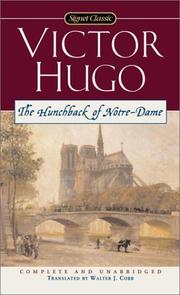
The Hunchback of Notre-Dame
Quasimodo loves Esmeralda from the bells while Frollo lusts and Gringoire watches Paris burn in 1482.
1,939-word summary · 9 min read
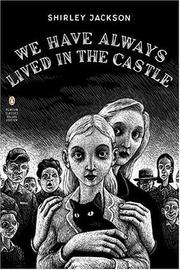
We Have Always Lived in the Castle
Merricat guards sister Constance after arsenic deaths, until cousin Charles invades and fire frees them.
3,011-word summary · 13 min read
Point of Retreat
Will and Layken keep love and two brothers together through bills, jealousy, and a pregnancy scare.
2,037-word summary · 9 min read
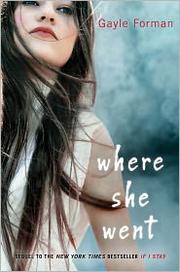
Where She Went
Three years after the crash, rock star Adam Wilde spends one night in New York facing Mia and their breakup.
2,942-word summary · 13 min read
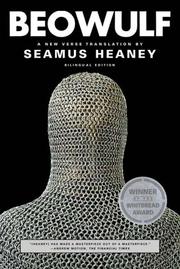
Beowulf
An anonymous Old English epic in Heaney's Norton translation: Beowulf faces Grendel, Grendel's mother, and a dragon across a lifetime of fame and cost.
2,810-word summary · 12 min read
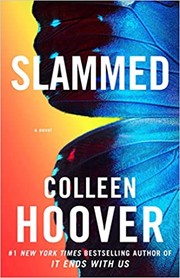
Slammed
Grieving Layken falls for neighbor Will, then learns he is her teacher, and poems carry them.
2,793-word summary · 12 min read
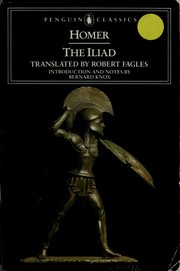
The Iliad
Achilles quits the fight over Briseis, Patroclus falls to Hector, and Troy burns toward its fate in Homer's war epic.
2,320-word summary · 10 min read
A Light in the Attic
Silverstein's attic poems and line drawings turn chores, monsters, and homework into jokes and small rebellions.
2,998-word summary · 13 min read
The Strange Case of Dr. Jekyll and Mr. Hyde
A London lawyer traces a violent stranger to his respectable friend in Stevenson's 1886 tale of two selves.
2,286-word summary · 10 min read