
The Rainbow Fish
2,045-word summary 9 min read 32 pages in the book
- First published
- 1992
- Publisher
- NorthSouth Books
- Pages
- 32
- ISBN
- 9781558580091
Reading options
What's inside (3 sections)
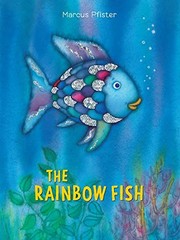
I had not thought about this book since my kids were small, then picked it up for batch work and was surprised how much it holds. The Rainbow Fish, first published in 1992 in German as Der Regenbogenfisch, English edition from NorthSouth Books, 32 pages in picture book format, ISBN 9781558580091, is about a beautiful fish with shiny scales who learns to share. That sounds simple enough to dismiss. The foil scales, the verse, the sea star counsel, all work better in hand than in summary. It is a book about beauty as loneliness and generosity as belonging, told in under 500 words with pictures that do half the work.
Rainbow Fish is the most beautiful fish in the ocean, with silver scales that catch light. Other fish admire and ask for one. Rainbow Fish refuses, proud and a little scared. He glides past, showing off, feeling special and alone. A small blue fish asks for a shiny scale and is rebuffed. The blue fish tells friends. Soon no one will play. Rainbow Fish, confused because beauty should bring love, asks the starfish for advice. Starfish says go to Octopus in the cave. Octopus, in swirling ink, tells him to give away his scales, one to each fish, until only one shiny scale remains for himself. He resists, then gives one to the blue fish, feels strange but good, then gives more until the sea shimmers with shared light and he finally belongs.
What the pictures do
Pfister's art carries meaning words leave out. Rainbow Fish starts centered, large, glowing against deep blue, other fish small and gray at edges. As he shares, compositions balance. More fish get foil dots. Light spreads. By the end he is smaller in frame, surrounded, one shiny scale left winking. Kids get this visually before they get moral. Beauty shared multiplies light. Beauty hoarded isolates. The foil itself matters. Touching shiny scales while listening teaches through fingers as well as ears. My copy is worn where small hands rubbed. That wear is the point made physical. Books that invite touch get loved into truth.
The sea star and octopus as advisors work because they do not lecture. Starfish admits she does not know but suggests asking. Octopus speaks in riddles from ink, give to get, which Rainbow Fish must interpret by doing. No adult fish explains sharing as rule. The ocean shows consequence. Loneliness after refusal. Warmth after one gift. That sequencing respects children. Try, feel, repeat. A scene where Rainbow Fish hesitates holding a scale between fins, looking at the blue fish's hope, stretches across two pages without words. The pause teaches more than text. Hesitation is part of generosity. It costs to give what makes you special. Pretending otherwise would lie.
For reading aloud, the verse is simple and repetitive in a good way. Short sentences, questions children can answer. Should he give. How does he feel now. The book invites participation without breaking story. I read it to a neighbor's four year old while working and she shouted give it at the right moment, then went quiet when he did. That shout and quiet are the whole lesson internalized in one sitting. Later books in the series, Rainbow Fish Finds His Way and others, expand with mazes and manners, but the original stays tightest. One problem, one advice, one choice repeated until change.
The translation from German keeps language plain. No puns that fail across borders. Colors named simply. Feelings named directly. Proud, lonely, happy. That directness suits toddlers who feel big without words. It also lets parents name without shaming. Are you feeling like Rainbow Fish today. That question opens talk better than did you share. Pfister, Swiss, illustrates fish with humanlike eyes that show pride and hurt without cartoon excess. A downturned mouth, a glance away. Kids read faces before morals. Those faces do half the parenting.
For criticism, adults will notice problems the book smooths. Sharing beauty is easy metaphor. Sharing toys that break, food when hungry, attention when tired, is harder and less shiny. The book does not address scarcity. Rainbow Fish has many scales. Giving one still leaves many. Real sharing often means less for giver in ways that hurt longer. Also, the other fish demand rather than ask kindly at first. They shun before understanding. That peer pressure as tactic troubles some parents who prefer asking nicely models. And Octopus as wise authority in a cave leans magical solution. Real conflicts need mediation, not riddles. Those limits matter if you treat the book as curriculum rather than story.
Still, at 32 pages it does exactly what picture books should. One idea, felt in body, remembered in fingers. I reread it in ten minutes and thought about it for days, which is more than many 400 page novels manage. The foil had dulled in my library copy, which felt fitting. Shared light fades with use and still warms. If you give this to a child, read it twice in a row as kids demand. First for story, second for pointing. Where is lonely. Where is kind. Let them touch. That touch is the takeaway no summary holds.
For who this is for. If you parent toddlers, you already own it or should. If you teach preschool, it pairs well with actual shiny stickers to give. If you want complex morals, look elsewhere. This is starting point, not system. Rainbow Fish learns to give. He does not learn when not to give to those who take without thanks. That next lesson comes later in life and in later books. For now, one shiny scale passed fin to fin is enough. I closed it thinking about my own shiny things, praise, time, the last slice, and how hard the first give still feels. That honesty about hesitation is why the book lasts beyond foil.
Reading this as an adult with batch work eyes showed me how much economy lives in 32 pages. Pfister uses under 500 words total, which means each word must do jobs. Nouns name exactly. Beautiful, lonely, happy. Verbs move simply. Give, swim, shine. No adverbs to trip toddlers. The story beats map to feelings toddlers know. Have, want to keep, feel alone, try giving, feel strange, feel belonging. That arc mirrors first days at preschool without naming school. Teachers use it for that reason. A child who will not share crayons hears Rainbow Fish and sees self without shame. The fish is not bad. He is learning, like them. That framing matters more than moral. You are not mean for holding tight. You are learning to open, which takes practice and one scale at a time.
The other fish as community also deserve thought. They admire, ask, get refused, shun, then accept. That shunning as tactic troubles adults who prefer gentle requests. Why punish rather than explain. Toddlers do punish by exclusion, honestly if cruelly. Pfister shows it without endorsing. When Rainbow Fish returns with one scale to give, they do not lecture about earlier rudeness. They accept and play. Forgiveness as play resumption feels true to playgrounds. No restorative circle. Just inclusion when behavior changes. Parents wanting scripts for apology may be disappointed. Kids who live exclusion will recognize the quick shift from out to in when you bring something shiny. Both truths coexist. The book does not resolve whether shunning taught or merely hurt. It shows both. Loneliness taught. Play healed. That is enough for 32 pages.
Octopus wisdom as riddle rather than rule also works for age. Give to get sounds unfair until experienced. Rainbow Fish must try to understand. That try is the lesson, not the phrase. If Octopus had said sharing is nice, the fish could nod and ignore. By giving a paradox that only makes sense after giving, Octopus forces experiment. Starfish sending to Octopus rather than answering directly models what good adults do with hard questions. I do not know, ask someone wiser, stay with you while you go. Those moves teach help seeking as much as sharing. When my neighbor's child asked why the fish does not just make more shiny scales, I had no answer except to reread. The book invites questions it does not answer, which keeps it alive beyond one reading. Why only one scale left. Why not keep two. Those whys are philosophy for four year olds.
For classroom use, the foil scales as manipulatives extend learning. Teachers let children pass foil stars while reading, feeling loss and gain in hands. That tactile lesson stays longer than words. My library copy has stars taped inside front cover from a story time, left by a child who wanted to give back to the book. Librarians kept them. That accretion, readers adding shine to a book about sharing shine, is the best review. Pfister made an object that invites giving beyond story. Few picture books achieve that. Most are read and shelved. Rainbow Fish gets touched into wear, repaired with tape, retired with honor when foil dulls. That life cycle teaches what plot states. Beauty shared fades in handling and grows in memory.
The blue fish as first asker deserves attention because his role models how to ask well. He does not demand. He admires, then requests one scale plainly. When refused, he tells friends rather than fighting. That telling creates shunning, which adults may judge, but for fish society it is communication. Word spreads that Rainbow Fish does not share. Others decide accordingly. When Rainbow Fish later offers, blue fish accepts without gloating. No I told you so. Just play resumed. That grace after hurt teaches more than sharing itself. How to receive after being refused. No grudge display. Kids who get rejected daily need that model as much as givers need generosity lesson. Both sides learn. Ask clearly. Accept no without retaliation beyond distance. Accept yes without shaming change. Those social steps, shown in pictures rather than stated, give teachers language for playground mediation. What did blue fish do first. What did Rainbow do next. What happened after one give. Sequence as social script toddlers can follow without abstract rules.
Starfish advice to ask Octopus rather than answering directly also models adult humility that picture books often skip. Starfish could have said share. Instead she says I do not know, ask someone older, stay with you while you go? Actually she stays put but points. That admission, I cannot solve your loneliness, try the cave, respects Rainbow Fish as agent rather than problem to fix. Octopus similarly does not order. He suggests an experiment. Give and see. Both elders avoid moralizing while guiding. Parents reading aloud can borrow that move. When child will not share, resist lecture. Suggest trying one give to see feeling. Offer to stay nearby while they try. That coaching stance works better than taking toy to force share, which teaches power not generosity. Pfister, perhaps unintentionally, gives adults a method along with children a story. Stay close, admit limits, point to experience. Let feeling teach. The foil helps because feeling arrives fast as shine spreads. Immediate feedback beats delayed praise. A child who gives and instantly sees joy learns faster than one told to wait for goodness later.
For parents worried about message, one more practical thought helps. Pair the book with real sharing practice the same day. Bake cookies together to give. Sort toys to donate while reading. Let the child hold a shiny sticker to give to a friend after story. Those linked actions transfer fiction to life better than discussion questions. My neighbor's child, after hearing Rainbow Fish, gave a foil star from the book's front cover tape to her brother without prompting. The brother stuck it on his shirt and wore it for days. No adult suggested it. Story plus available shiny plus witnessed joy did the teaching. That is enough pedagogy for toddlers. Later, at six or seven, revisit with talk about when not to give to those who demand. For now, at three or four, practice giving one scale and feeling strange but good. Strange but good is the exact phrase from the book worth repeating when your child hesitates. Name the feeling. Normalize the strangeness. Stay nearby while they try.
FAQ
When was The Rainbow Fish published?
NorthSouth Books published it in 1992. The picture book runs 32 pages with ISBN 9781558580091.
What advice does Rainbow Fish get?
Go to Octopus in the cave. Octopus says give away scales until one remains, which Rainbow Fish must try to understand.
Similar books

Clifford the Big Red Dog
Emily Elizabeth picks the smallest puppy in the litter, loves him as hard as she can, and wakes up to a dog the size of a house.
2,092-word summary · 9 min read
Frog and Toad Are Friends
Five short stories about a cheerful frog and a grumpy toad who need each other for waking up, swimming, and waiting for the mail.
1,969-word summary · 9 min read
Horton Hears a Who!
An elephant protects tiny Whos on a clover while jungle mocks.
2,375-word summary · 11 min read
Stellaluna
A baby fruit bat falls into a bird nest, learns to perch and eat bugs, then reunites with her mother in Cannon's acclaimed 1993 picture book about difference…
2,486-word summary · 11 min read

The Boy, the Mole, the Fox and the Horse
A lonely boy crosses wild country with three animals and learns small lessons about kindness, courage, and asking for help.
2,852-word summary · 13 min read
Corduroy
A teddy bear missing a button searches a department store at night for a friend to take him home.
2,035-word summary · 9 min read

A Little Princess
Rich Sara Crewe loses her father and fortune at boarding school, survives the attic on stories and kindness, and is rescued from next door.
2,867-word summary · 13 min read
The Orphan's Tale
A Dutch teenager rescues a Jewish baby from a death train and joins a German circus, where a Jewish aerialist teaches her to fly.
2,943-word summary · 13 min read
Strega Nona
A village witch doctor hires a boy who does not listen, and the pasta pot he was told not to touch floods Calabria with noodles he cannot stop.
2,587-word summary · 11 min read

Make Way for Ducklings
A pair of mallards raise eight ducklings on the Charles River and lead them across Boston to the Public Garden, with a little help from a friendly policeman.
2,044-word summary · 9 min read
Go the Fuck to Sleep
A rhyming bedtime book for adults in which an exhausted father narrates the fourth hour of a toddler's stalling, one profane couplet at a time.
2,291-word summary · 10 min read

Anya's Ghost
A lonely Russian immigrant falls into a well, befriends the ghost trapped there, and discovers that the ghost's help comes with a dangerous price.
2,001-word summary · 9 min read

The Power of One
A boy in apartheid South Africa decides to become welterweight champion of the world, and the novel follows every mentor, fight, and loss that gets him there.
2,145-word summary · 10 min read

Little Earthquakes
Four Philadelphia women meet during pregnancy and discover that new motherhood is nothing like the plan, while friendship becomes the thing that holds them…
1,997-word summary · 9 min read

Dumplin'
Willowdean Dickson enters her town's beauty pageant as a protest and discovers that confidence is harder to keep once she lets someone close.
1,922-word summary · 9 min read
Amelia Bedelia
A literal-minded housekeeper follows her employer's list to disastrous and funny effect in the 1963 picture book that made wordplay a children's staple.
2,038-word summary · 9 min read
Same Kind of Different as Me
An art dealer and a formerly homeless sharecropper tell the story of the friendship that began at a Fort Worth mission and the woman who insisted on it.
2,023-word summary · 9 min read

Hard Luck
Rowley has a girlfriend, so Greg turns to a Magic 8 Ball, a family Easter hunt and the school yearbook for answers.
2,586-word summary · 11 min read
Five Point Someone: What Not to Do at IIT
Three friends at IIT drift to a five-point GPA, mock the system, and break into a professor's office for an exam paper.
2,458-word summary · 11 min read

Wilder Girls
At a quarantined boarding school off Maine, three girls with strange mutations search for a missing friend and learn what the adults have hidden.
2,594-word summary · 12 min read

The Siren
Saved from a shipwreck in 1930, Kahlen becomes a siren who sings men to their deaths for the Ocean, until a boy in a college library makes her want a life she…
2,369-word summary · 11 min read
The Mitten
Jan Brett retells a Ukrainian folktale about a boy, a lost white mitten, and the woodland animals that crowd inside until a bear sneezes.
2,609-word summary · 12 min read
The Story of Ferdinand
A gentle Spanish bull would rather smell flowers than fight, and when he is taken to the bullring he simply sits down among the flowers in the ladies' hats.
2,135-word summary · 9 min read

Heist Society
A teenage art thief gets expelled from boarding school, then has two weeks to steal five paintings back from a London museum and clear her father.
2,781-word summary · 12 min read
Go, Dog. Go!
Dogs drive, work, play, and climb a tree for a party in this Beginner Book built on repetition, opposites, and one very unpopular hat.
2,196-word summary · 10 min read
Click, Clack, Moo: Cows That Type
Cows learn to type, demand electric blankets, and go on strike in a deadpan picture book about negotiation and withheld labor.
2,617-word summary · 12 min read
Caps for Sale
A peddler balances his caps on his head, naps under a tree, and wakes to find monkeys wearing his stock in this 1940 picture book.
2,787-word summary · 12 min read
Bet Me
A sharp actuary agrees to dinner with a charming serial bettor, then spends the next month pretending the wager does not matter.
2,710-word summary · 12 min read

We Are Okay
Marin fled San Francisco after her grandfather vanished and stopped answering anyone. When Mabel visits her college dorm, she has to say what happened.
2,253-word summary · 10 min read

One to Watch
A plus-size fashion blogger takes the lead role on a reality dating show to prove she belongs on television, and finds she might want what the cameras offer.
2,478-word summary · 11 min read