
Reading options
What's inside (8 sections)
- Why These Factory Girls Stayed With Me
- Glowing Paint, Lip Pointing, and Lies From the Top
- Grace Fryer and the New Jersey Fight for Court
- Catherine Donohue and the Ottawa Battle Years Later
- Science, Proof, and the Long Road to Safety Rules
- What Stays Bright and What Wears Thin in the Telling
- Key takeaways
- FAQ
Why These Factory Girls Stayed With Me
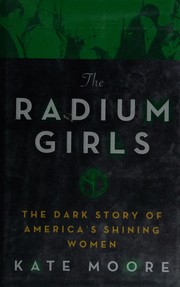
I came to this book because a friend said it would make me angry, and she was right. The edition I read is the Sourcebooks 2017 paperback, 496 pages, ISBN 9781492649359, telling a true story that began in the 1910s and stretched through the 1930s, first published in the UK in 2016. It follows young women hired to paint glow in the dark watch dials with radium paint in places like Orange, New Jersey, Ottawa, Illinois, and Waterbury, Connecticut. They were told the paint was safe. They were even told to point the brushes with their lips to get a fine tip. They did what good workers did, and it poisoned them from the inside.
What hit me first was how ordinary and hopeful these lives were. Grace Fryer in New Jersey loved the bustle and the good pay and the fun of glowing in the dark after a shift. Kathryn Schaub was young and bright and proud to work. Quinta McDonald, Albina Larice, Edna Hussman, and so many others were sisters, friends, neighbors. They went to dances, wrote letters, dreamed about marriage and houses. Moore starts there on purpose, so you know what was stolen. When the jaw pain starts, when teeth loosen, when a dentist pulls one tooth and the jawbone comes with it, the shock lands harder because you liked these girls.
I am usually wary of history books that read like lectures, but this one reads like someone telling you about neighbors you should have known. Moore uses letters, court papers, and family memories to keep voices close. I cried twice and got mad for most of the middle. My fair warning is that the science and suffering are described plainly and can be hard to read. Yet I kept going because the women themselves keep going, with humor and stubbornness that make you want to stand up for them.
Glowing Paint, Lip Pointing, and Lies From the Top
To understand what happened, you have to picture the work. At the United States Radium Corporation in Orange and later at Radium Dial in Ottawa, girls sat at long tables with tiny brushes, pots of paint mixed with radium powder, and dials that needed neat numbers. A manager taught them to shape the brush tip between their lips, a habit called lip pointing, because it was fast and precise. They swallowed tiny amounts of radium with every tip. Dust hung in the air. Some painted their nails and teeth for fun so they glowed at parties. The company called it safe and even healthy. Pamphlets praised radium as a tonic. Bosses walked through with precautions while the girls worked unprotected.
Moore shows that the men in charge knew more than they said. The inventor of the paint, Dr. Sabin von Sochocky, grew ill himself and worried about dust and exposure. Company heads like Arthur Roeder in Orange received warnings, read reports about harm, and still kept the line moving. Chemists used screens and tongs. Executives avoided the powder. Meanwhile the workers were told not to worry when their jaws ached or their legs tired. When girls asked questions, they got smiles and reassurances. When they got sick, they got delays. That gap between what the office knew and what the bench was told is the heart of the anger in this book.
What helped me was how Moore explains the science without talking down. Radium settles in bone like calcium, then fires off radiation from inside, so teeth fail, jaws crumble, spines weaken, blood counts fall, tumors grow. She does not rush this. She shows one girl after another thinking she has a toothache or rheumatism or anemia, seeing local doctors who have never seen radium harm, getting wrong diagnoses while the real cause keeps working. Lip pointing sounds small until you see the math of doing it hundreds of times a day for months. By the time the companies stopped the practice, many workers had already taken in enough to sicken them for life.
Grace Fryer and the New Jersey Fight for Court
The New Jersey thread centers on Grace Fryer, and I found myself rooting for her like a friend. Grace was lively and determined, the kind of person who keeps copies of letters and keeps showing up. After leaving the plant, her health slid. Jaw trouble, foot pain, exhaustion that would not lift. Dentists and doctors puzzled. She started to suspect the paint and asked for help, only to meet closed doors. The company denied blame. Doctors hired by the company said other things caused her illness. Friends were also sick, which both scared her and proved she was not imagining it.
Getting into court took years. The law gave workers a short window to file after leaving a job, which made no sense for a poison that hides for years then strikes. Grace and her friends, including Kathryn Schaub and others often called the first group of Radium Girls, needed a lawyer willing to fight a rich firm and doctors willing to speak truth. They found support in people like lawyer Raymond Berry and doctors who tested breath and blood for radioactivity. The company spied, stalled, smeared, and offered small settlements with silence attached. Moore lays out motions and delays clearly, so you feel how time itself was a weapon, since the girls were getting weaker while the calendar moved slow.
I admired how Moore keeps Grace human rather than turning her into a saint. Grace gets tired, doubts herself, leans on family, laughs when she can, keeps dressing nicely for hearings because dignity matters. The scenes in court and in waiting rooms are vivid without feeling staged. My criticism here is that the legal detail can get thick. There are many names, dates, and rulings, and I sometimes had to flip back to remember who worked where. But the payoff is worth it. When these women finally get their day and their story reaches papers, you understand how hard they had to fight just to be heard, let alone paid.
Catherine Donohue and the Ottawa Battle Years Later
Just when you think the story ends in New Jersey, Moore takes you to Ottawa, Illinois, where the same harm played out years later with even crueler delays. If Grace is the heart of the first half, Catherine Donohue is the soul of the second. Catherine was a mother, a wife, a worker at Radium Dial who loved providing for her family. She lip pointed, breathed the dust, glowed like the others, then began to fall apart. Hips that gave out, a jaw that swelled, exhaustion that made stairs feel like mountains. Her husband Tom stood by her with fierce loyalty, carrying her, caring for the children, refusing to leave her side.
Ottawa adds new villains and new heroes. The company there denied danger long after New Jersey made news, and local power lined up behind jobs and money. Doctors were pressured. Tests were hidden. Women were told they had syphilis or other shameful ills to keep them quiet. Catherine and friends like Charlotte Purcell and others pushed for hearings before the Illinois Industrial Commission, often traveling while very ill. Moore describes Catherine testifying from a place of pain, choosing to spend her last strength to speak on record so other workers might be protected. I had to put the book down after some of those chapters and walk around the room.
What makes this section different is how clearly it shows change over time. By the 1930s, scientists knew more about radiation, the press was bolder, and labor law had shifted a little, yet the company still fought hard. Moore does not paint every official as corrupt. Some inspectors, doctors, and journalists did brave work, and she names them. Still, the pattern repeats, deny, delay, divide, and that repetition is the point. Catherine’s testimony shows what courage looks like when your body is failing and you speak anyway. It is the most shattering part of the book for me, and also the most inspiring.
Science, Proof, and the Long Road to Safety Rules
One of the most useful threads is how proof finally caught up with suffering. Early on, radium was sold as a cure all, in water, creams, and clinics. Few ordinary doctors linked a sore jaw in 1922 to paint licked in 1918. Moore follows the slow build of evidence, from Dr. Harrison Martland’s careful autopsies and tests in New Jersey to later experts who measured radioactivity in breath and bones. She explains how teeth and jaw injuries pointed to bone seeking poison, how blood changes signaled marrow harm, how company doctors tried to muddy the picture with other diagnoses. It reads like a detective story where the clues are inside living people.
The legal wins mattered beyond money. Settlements and judgments forced companies to admit costs, newspapers warned the public, and regulators began to set limits and require protections. Moore connects the Radium Girls to later labor safety ideas we now take for granted, like time limits for filing that account for slow illness, workplace monitoring, and the duty to warn. She is careful not to claim one case fixed everything. Ottawa happened after Orange, which proves warnings alone did not stop greed. But without these women, protections would have come even later and weaker. That link from personal pain to public rule is laid out step by step.
My quibble is that Moore sometimes repeats the same point about corporate knowledge to make sure you feel it, and a few chapters circle back over ground already covered. I understand why, because the denial went on for years and she wants you to feel the grind, yet tighter editing could have saved twenty or thirty pages. Still, the detail serves readers who want facts to share. I finished this section with a clearer head about radiation, occupational disease, and why independent doctors and a free press matter when a paycheck depends on staying quiet. It is sobering and useful, not just sad.
She glowed on the way home from work and did not know the light was eating her bones.
What Stays Bright and What Wears Thin in the Telling
What stays bright is Moore’s loyalty to the women as people, not symbols. She gives maiden names and married names, notes who sang, who joked, who kept faith, who lost it, who forgave, who did not. Albina Larice living with pain for decades, Quinta McDonald trying to hold family together, Edna Hussman facing loss after loss, Grace Fryer keeping her spark, Catherine Donohue spending her last strength to speak, these portraits keep the book from turning into a cold file. Moore also honors the families, especially husbands and parents who carried, nursed, and testified. The love in these pages is as strong as the grief.
What wears thin for me is the sheer number of similar tragedies, which is both the power and the problem. After a while, each new jaw injury and each new denial can blur, and I had to slow down to give each woman her due rather than letting sorrow turn flat. A family tree or a clearer roster at the start would have helped me track who belonged to which plant and case. I also wanted a bit more on the Connecticut plant and on male workers, who get less space. Moore focuses on the girls for good reason, since they were the main victims and the main fighters, but a wider frame in a couple of spots would have rounded the picture.
Even so, I recommend this book warmly and with a warning to take breaks. It made me think about the lotions and powders and promises we still hear at work and in ads, and about who pays when speed matters more than safety. The women won remembrance and real change, though many paid with their lives and health. Close the book and you remember names, not just numbers. Grace and Catherine lead a long line of ordinary workers who refused to be quiet, and Moore makes sure you hear them. I have not looked at an old glowing watch the same way since.
FAQ
Is this very graphic or sad?
Yes, illness is described plainly, so take breaks and expect grief with courage.
Did companies know the danger?
Evidence shows managers had warnings while telling workers it was safe.
Similar books

Long Walk to Freedom
Mandela's account of a Thembu childhood, a law practice, a banned movement, twenty-seven years in prison, and the negotiation that ended apartheid.
2,454-word summary · 11 min read

Infidel
Ayaan Hirsi Ali's memoir of a Somali childhood, a forced marriage, a Dutch asylum claim, and the political fight that followed the murder of Theo van Gogh.
2,041-word summary · 9 min read
The Wright Brothers
David McCullough tells the story of two self-taught Ohio brothers, working largely alone and out of a bicycle shop, who solved the problem of flight before…
2,027-word summary · 9 min read

The Letters of Vincent van Gogh
Vincent van Gogh's letters to his brother Theo, in a Penguin Classics selection edited by Ronald de Leeuw, trace a decade of work, faith, and obsession.
2,611-word summary · 12 min read
Catherine the Great: Portrait of a Woman
A German princess survives a miserable marriage and a coup to rule Russia for thirty-four years, torn between Enlightenment ideas and absolute power.
2,065-word summary · 9 min read

The Warmth of Other Suns
Three migrants ride north out of Jim Crow toward Chicago and LA.
2,561-word summary · 11 min read
The New Jim Crow: Mass Incarceration in the Age of Colorblindness
How mass incarceration became a racial caste system after civil rights.
2,413-word summary · 11 min read

The Emperor of All Maladies
A biography of cancer from Galen to chemo through one doctor cases.
2,255-word summary · 10 min read
Killing Lincoln
Booth plots as Lincoln pushes war end and reunion in 1865.
2,486-word summary · 11 min read
Hidden Figures
Black women computers at Langley launch rockets past Jim Crow.
2,385-word summary · 11 min read
Wild Swans
Three generations of women survive warlords, revolution, and the Cultural Revolution in Jung Chang's family memoir.
2,356-word summary · 10 min read

The Surgeon of Crowthorne
James Murray built the Oxford dictionary with Broadmoor inmate William Minor, whose thousands of slips shaped this 1998 HarperCollins story of murder, madness…
2,775-word summary · 12 min read

Cleopatra: A Life
Pulitzer winner Schiff restores Cleopatra as a capable ruler, from Ptolemy debts and Caesar to Antony, Actium, and her death in 30 BC, built from coins and…
3,586-word summary · 16 min read
The Splendid and the Vile
Larson follows Churchill circle through Blitz year with diaries and bombing nights.
2,038-word summary · 9 min read
American Sniper: The Autobiography of the Most Lethal Sniper in U.S. Military History
Navy SEAL sniper Chris Kyle recounts Texas roots, SEAL training, four Iraq tours, and the strain combat placed on his marriage and health.
2,011-word summary · 9 min read
A Beautiful Mind
Mathematician John Nash's brilliant game theory rise, schizophrenia collapse, and Nobel return, with wife Alicia's care.
2,142-word summary · 10 min read

Cosmic Music
The first full biography of Alice Coltrane, from Detroit church piano to ashram guru.
2,048-word summary · 9 min read

Benjamin Franklin: An American Life
Isaacson traces Franklin from Boston runaway to printer, scientist, London agent, Paris diplomat, and founder across 590 vivid pages.
2,149-word summary · 10 min read
Autobiography of Cotton
A Pulitzer winner traces her cotton-worker grandparents and a 1934 border strike through archives, memory, and damaged land.
2,213-word summary · 10 min read
Team of Rivals: The Political Genius of Abraham Lincoln
Lincoln beat three famous rivals for the 1860 nomination, then put them in his cabinet and held them together through the Civil War.
2,675-word summary · 12 min read

Einstein: His Life and Universe
Isaacson traces Einstein from patent clerk to world fame using newly opened papers, through 1905, relativity, exile, and the long unified theory search.
2,773-word summary · 12 min read

In the Garden of Beasts
Ambassador Dodd takes his family to 1933 Berlin and watches charm curdle into terror.
1,927-word summary · 9 min read

1776
Washington's amateur army from Boston siege to Trenton through mud and doubt.
2,139-word summary · 10 min read
John Adams
McCullough follows Adams from Braintree lawyer to second president.
2,515-word summary · 11 min read
Unbroken
Louis Zamperini survives a Pacific crash, sharks and POW camps after running in the Berlin Olympics.
3,263-word summary · 15 min read

The Zookeeper's Wife: A War Story
The directors of the Warsaw Zoo hid roughly three hundred Jews in empty cages and outbuildings after the German invasion, while Jan worked for the resistance.
2,065-word summary · 9 min read

Take My Hand
In 1973 Montgomery, a young nurse discovers that two sisters were sterilized without consent, and spends the rest of her life living with what she could not…
2,126-word summary · 9 min read
Sybil
A 1973 case study of a woman treated for multiple personalities, and the book that made dissociative identity disorder a household phrase.
2,054-word summary · 9 min read

1491: New Revelations of the Americas Before Columbus
Charles C. Mann gathers archaeology, ecology, and demography to argue that the Americas before Columbus were older, fuller, and more deliberately shaped than…
2,712-word summary · 12 min read

The DaVinci Code: A Quest for Answers
A short 2006 dialogue in which three friends test Dan Brown's claims about Jesus, Mary Magdalene, Nicaea, and the canon.
2,088-word summary · 9 min read