
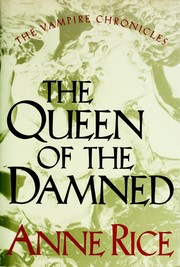
The Queen of the Damned
2,100-word summary 9 min read 448 pages in the book
- First published
- 1988
- Publisher
- Alfred A. Knopf
- Pages
- 448
- ISBN
- 9780394558233
- Series
- The Vampire Chronicles (#3)
Reading options
What's inside (4 sections)
I had read Interview and Lestat years ago and remembered Akasha as a scary poster more than a character, so I came to book three curious if she holds up. The Queen of the Damned, third in The Vampire Chronicles, first published in 1988 by Alfred A. Knopf, 448 pages in hardcover, ISBN 9780394558233, brings Lestat as rock star, dozens of vampires hearing his music, and Akasha, mother of all vampires, waking to remake the world by killing most men. It is sprawling, erotic, philosophical about gender and power, and very 1980s in the best and worst ways. I loved parts and skimmed others, which seems the correct response to Rice at her most ambitious.
Lestat starts as rock star on purpose. After telling his story in The Vampire Lestat, he decides secrecy is boring and goes public with autobiography and albums that confess vampirism as metaphor no one believes literally. He tours with a band, films videos in deserts, sings about being the devil. Young vampires like Baby Jenks hear and come. Old vampires like Armand and Marius hear and worry. The Talamasca scholar Jesse investigates and gets pulled in. The opening concert chapters are pure 1980s excess. Leather, smoke, screaming fans, Lestat preening while ancient ones watch from shadows. Rice writes performance with relish. You can hear drums. You can also feel Lestat's loneliness inside applause. He wants family to hear and answer. They do, but not as backup singers.
Akasha wakes
Akasha and Enkil, the first vampires, have sat as statues for millennia, tended by Marius. Lestat's music wakes her. She drinks Enkil dry, takes Lestat as consort, and announces a plan. Kill most men, violently, worldwide, spare a few for breeding, let women build a peaceful world. She starts with massacres at the concert and on islands, lifting rumours? Actually lifting bodies? She burns villages where men harmed women. Some women cheer. Some vampires, even those who hate patriarchy, recoil at genocide as method. That debate drives the middle better than action. Is Akasha feminist savior or tyrant using feminism as excuse. Rice lets characters argue at length without settling quickly.
The twins story gives the book its heart. Maharet and Mekare, ancient red haired witches turned vampires, whose family was destroyed by Akasha millennia ago in Egypt. Their tale, told in long flashback that some readers skip and I loved, explains how vampires began. A spirit called Amel merges with Akasha after violence, creating blood drinking. Mekare cursed Akasha with a tongue cut? Actually Mekare's tongue cut, Maharet's eyes taken. They plot revenge across 6000 years. Those Egypt chapters, with palaces, spirits, betrayals, are lush and brutal. Rice writes ancient history as family tragedy rather than myth lecture. Two sisters split by a queen's cruelty, waiting through empires to reunite. When they finally meet Akasha in the present, the weight of millennia lands because you lived it with them for 100 pages.
The gathering at Sonoma? Actually at a house where surviving vampires debate what to do, is the philosophical core. Marius, who kept Akasha, argues for patience. Armand argues from pain. Daniel, the reporter turned fledgling, asks naive questions that let elders explain. Jesse, newly made, listens. Lestat, blood bonded to Akasha and losing will, struggles to speak. Maharet tells the twin story while Akasha listens and smiles. Those talky chapters can drag if you want fights. Two debates in a row about killing men follow similar beats. I skimmed one because the positions, Akasha for cull, Maharet against mass murder, were clear. Then Mekare arrives silent and the book snaps awake. Silence after speeches terrifies more than threats.
For lore, Rice expands vampire rules usefully. How blood bonds compel. How ancient blood strengthens. How fire and sun kill young but barely singe old. How drinking from Akasha connects minds. Those mechanics pay off in the climax where shared blood becomes weapon. A scene where Maharet links minds to show Akasha's past murders to all present works like evidence in trial. No one can deny after seeing. That use of supernatural as courtroom is clever and very Rice. Truth through blood rather than documents.
What works and what creaks now
What works is scope and sensuality. Rice writes hunger, music, desert heat, blood taste with total commitment. No irony. When Lestat sings, you believe thousands faint. When Akasha lifts? Actually when she moves, air bends. When twins reunite, you feel 6000 years end. That earnestness, embarrassing to some, is why fans stay. She means it about longing. Vampires as outsiders who want family but kill lovers by needing. Queer readers in the 1980s found home here before mainstream allowed. That history matters for judging. What reads as purple now felt like permission then.
What creaks is gender politics and pacing. Akasha's plan to kill 90 percent of men to save women is presented as both horrifying and tempting, but Rice gives Akasha long speeches that sound like radical feminist pamphlets mixed with eugenics. Some passages about peaceful women rule read naive about power. Women vampires in the room point this out, which helps, but Akasha herself stays symbol more than person. You never learn what she loves except power and Lestat briefly. Compared to Maharet's grief for children, Akasha feels thin as villain for 400 pages of buildup. And the body count, mostly off page massacres reported on news, numbs rather than horrifies after the third report.
Also, the cast is huge. Baby Jenks, Daniel, Jesse, Marius, Armand, Louis who mopes, Gabrielle who leaves, Pandora who watches. Newcomers will drown. You need books one and two for who loves whom. I had read them long ago and still flipped to a family tree I drew. A new reader starting here should not. Start at Interview. Even returning readers may skim Louis chapters where he complains about Lestat's fame while doing nothing. Louis has always been passive. Here it grates because action needs bodies and he withholds his.
Still, at 448 pages in Knopf hardcover it moves faster than length suggests when music plays. Concert, awakening, twin tale, debate, confrontation. I read the last 150 pages in one night, which I rarely do with Rice. The confrontation, where Mekare acts while others talk, satisfies because it is physical after philosophy. No one convinces Akasha. Someone stops her at cost. That cost, a beloved elder's final choice, hurts enough to justify talk. Talk failed. Love remained to pay.
For who this is for. If you love Lestat as rock god, this is peak. If you want tight horror, try Interview instead. This is epic with concerts and ancient Egypt. If gendercide plot disturbs, know Rice condemns method while taking women's rage seriously. That balance will not satisfy everyone. Some will find Akasha's speeches repulsive regardless of rebuttal. I found the rebuttals strong enough to keep reading, especially Maharet on power corrupting any sex. I closed it thinking about twins holding hands after 6000 years, which is the image Rice wants you to keep, not piles of dead men on news. Sisters outlast queens. That is the book in one embrace.
Louis as witness who refuses to act needs a final note because his passivity irritates many readers into missing his function. He watches Lestat's concert on video, judges fame as vulgar, hides while others gather, then arrives late to debate and contributes sorrow rather than plan. That uselessness is the point. Louis represents conscience without courage, seeing clearly that Akasha's cull is evil and that Lestat's fame invited it, yet unable to shoot or persuade. When he finally speaks at the house, it is to mourn, not to propose. Others listen politely and move on. Rice keeps him because every movement needs its mourner, someone to register cost while actors act. His pages read as boring if you want plot. They read as necessary if you have lived through crises where some friends only grieve while others organize. Both roles matter, though only one changes outcomes. Louis will write about it later beautifully and change nothing. That is his curse worse than blood. To feel deeply and do little, then to turn doing little into art that moves others to do. Rice knows this is also her own risk as writer. She names it through Louis and keeps writing anyway.
Jesse and Daniel as new bloods turned for love rather than power also balance ancient politics with fresh eyes. Jesse, Talamasca scholar raised on files, becomes vampire through Maharet's choice and spends the book learning senses. She asks naive questions about thirst that elders answer with ritual, revealing how much they forgot newness. Daniel, reporter turned by Armand, loves with obsessive devotion that mirrors Lestat's for Akasha on smaller scale. Their scenes together, two fledglings comparing hungers while elders debate genocide, ground cosmic stakes in bodies. Are you cold. Does blood warm. Can you still taste wine. Those practical curiosities keep horror human when philosophy threatens to float. When Jesse chooses to stand with Maharet over Akasha despite blood bond pulling, her choice costs physically in pain Rice describes well. Loyalty as cramp overcome by will. New vampires prove freedom remains even in blood hierarchy. That proof matters for ending where choice defeats compulsion.
Marius as keeper who failed deserves a final paragraph because his guilt structures the book's ethics. He kept Akasha and Enkil for centuries, tended shrine, brought blood, told himself preservation served history. When music wakes her, his failure becomes catastrophe. He could have destroyed them long ago and did not from reverence and fear. That inaction, dressed as duty, enabled genocide. Rice lets Marius admit this plainly to Maharet without excuses about orders. He chose to watch rather than act. That admission costs him standing among ancients who once respected his care. Younger vampires hear and learn the lesson Marius paid millennia to teach. Keeping monsters for study endangers everyone. Destroy early what you cannot control. That moral, applied to Akasha, also applies to Lestat's fame, to journals, to rock videos that woke her. Art shared without thought of consequence wakes hungers. Rice, who shared vampire myth widely, implicates herself through Marius. To preserve dangerous beauty is also to risk unleashing. The book does not resolve whether sharing was worth waking. It shows cost and lets readers decide if songs were worth massacres. That open accounting is braver than condemnation or celebration alone.
The concert as ritual that summons rather than entertains deserves a last look because Rice stages performance as invocation with real stakes. Lestat does not just sing about vampires. He calls them by name over amplifiers, daring old ones to show. Young ones come for community. Old ones come to punish exposure. Humans come for spectacle and leave with nosebleeds they explain as sound system. That layering, one event experienced as concert, summons, and crime scene depending on ears, shows Rice at her most Catholic about art. Performance makes present what it names. Say vampire long enough into microphones and something answers, first fans, then Akasha. For a writer whose books were burned by some and worshipped by others, that power feels personal. Books call readers the way songs call vampires. Some readers will love you into life. Others will want you stopped. Lestat learns what Rice already knew by book three. Fame is a spell with blood price. Sing anyway, but know who listens in the dark beyond light rigs.
Blood drinking as communion that fails to unite also threads the whole book and deserves naming. Vampires share blood to bond, to strengthen, to punish, yet each sharing increases hunger rather than satisfying. Lestat drinks from Akasha and loses will. Akasha drinks from victims and grows lonelier. Maharet shares with Jesse to save and binds her to danger. Every gift costs receiver freedom. That economy mirrors human love in Rice's world. Attention nourishes and hooks. Fans give adoration that empowers and traps stars. Lovers give care that heals and obligates. The book does not solve whether to stop sharing. It shows sharing as necessary and dangerous at once, like blood itself. When Mekare finally acts, she does so by taking rather than sharing, breaking cycle briefly. Taking back what was stolen differs from giving freely, though both spill. That distinction, gift versus theft versus communion, gives vampire lore moral texture beyond rules. Readers who track who drinks from whom with consent versus force will see the book's ethics most clearly. Consent, even among killers, matters. Akasha takes without asking. Maharet asks before turning Jesse. That difference decides who readers forgive.
FAQ
Where does it sit in Vampire Chronicles?
Yes. It is book 3 in The Vampire Chronicles after Interview and The Vampire Lestat. Start at Interview for loves to land.
When was The Queen of the Damned published?
Alfred A. Knopf published it in 1988. The hardcover runs 448 pages with ISBN 9780394558233.
Similar books
More from The Vampire Chronicles first, then related titles.
Interview with the Vampire
Louis tells a reporter how Lestat made him and how Claudia doomed them all in New Orleans and Paris.
2,195-word summary · 10 min read
The Vampire Lestat
Lestat tells his own tale from French village to rock star, waking ancient ones who hate questions.
1,916-word summary · 9 min read
The Tale of the Body Thief
Lestat trades bodies with a psychic thief for one day of mortality and ends up trapped, sick, and hunting his own vampire body.
2,069-word summary · 9 min read
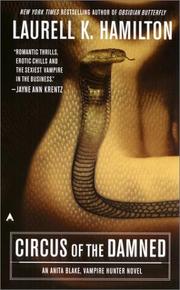
Circus of the Damned
A rogue master vampire arrives in St. Louis and Anita Blake is caught in an undead turf war, with a science teacher in the crossfire.
2,757-word summary · 12 min read
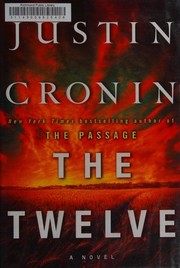
The Twelve
The middle volume of the Passage trilogy braids the year America died, a picnic massacre decades earlier, and the survivors' war against the twelve master…
2,089-word summary · 9 min read
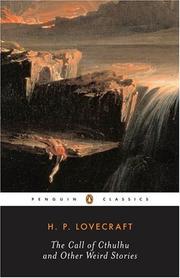
The Call of Cthulhu and Other Weird Stories
Seventeen tales from Dagon to Innsmouth, led by Cthulhu, the Colour, and the Whisperer, in S. T. Joshi careful Penguin edition with notes and corrected texts.
2,593-word summary · 12 min read
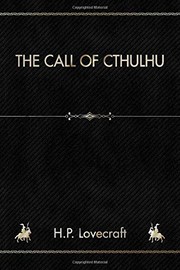
The Call of Cthulhu
A professor's papers link a sculptor's dreams, a Louisiana cult raid, and a sailor's voyage to a sleeping god under the sea.
2,530-word summary · 11 min read
Let the Right One In
A bullied boy in 1981 Blackeberg befriends the strange child next door, where love and hunger grow side by side.
2,546-word summary · 11 min read
Revival
Jamie Morton shadows preacher Jacobs from boyhood healings to electric cures that open a door best left shut.
2,037-word summary · 9 min read
NOS4A2
Vic McQueen's bike finds lost things through a bridge, pitting her against Manx's Rolls-Royce ride to Christmasland.
2,060-word summary · 9 min read
Dream Country
Four Sandman shorts on muses, cats, Shakespeare, and a veiled heroine.
2,001-word summary · 9 min read
Carmilla
Lonely Laura in Styria befriends beautiful Carmilla, whose night visits bring dreams, bites, and ancestral dread.
2,158-word summary · 10 min read
I Am Legend
Robert Neville holds one fortified house in empty Los Angeles by day, and faces what the plague left behind by night.
2,840-word summary · 13 min read
Guilty Pleasures
Animator Anita hunts a vampire killer while Jean-Claude pulls her close.
2,136-word summary · 9 min read
Abraham Lincoln: Vampire Hunter
Lincoln keeps a secret diary as a vampire hunter, tying his mother's death and the Civil War to a hidden war with the undead.
2,620-word summary · 12 min read
The Passage
A failed Army experiment makes blood-hungry virals, and a quiet girl named Amy may hold the answer a century later.
2,755-word summary · 12 min read
The Southern Book Club's Guide to Slaying Vampires
In 1990s Charleston, book club mom Patricia Campbell suspects charming newcomer James Harris is a vampire preying on neighborhood children.
2,398-word summary · 11 min read
Preludes & Nocturnes
Dream escapes a 70 year prison, hunts his lost tools, faces Hell, and learns care from Death.
2,047-word summary · 9 min read
The Historian
A daughter traces her father's search for Dracula through letters and archives across Europe.
3,237-word summary · 14 min read
'Salem's Lot
A writer returns to Jerusalem's Lot as an old house fills with vampires.
2,046-word summary · 9 min read
Dracula
Count Dracula sails for England in letters and diaries, and Van Helsing leads the hunt to stop him.
2,860-word summary · 13 min read
The Witching Hour
A San Francisco surgeon inherits a haunted New Orleans house where a spirit has courted her witches for centuries, until a Christmas Eve birth gives it living…
2,953-word summary · 13 min read
What Moves the Dead
Alex Easton arrives at the Usher house to find Madeline dying, the tarn full of fungus, and the local hares refusing to stay dead.
2,586-word summary · 11 min read
The Thief
A boastful young thief is pulled from a prison to steal a legendary stone for the king's magus, and the story he tells about himself is not the whole story.
2,514-word summary · 11 min read
The Only Good Indians
Four Blackfeet men who killed a pregnant elk are hunted by her spirit a decade later, and the only person who can end the cycle is a teenage girl who was not…
2,010-word summary · 9 min read
Six Scorched Roses
A dying scholar bargains with a reclusive vampire for blood, and six roses turn a transaction into a slow, dangerous romance.
2,663-word summary · 12 min read
Lisey's Story
Two years after her novelist husband dies, Lisey Landon follows a trail of clues into his childhood and the other world that made him a writer.
1,998-word summary · 9 min read
Hounded
A two-thousand-year-old druid runs a bookshop in Arizona, hides from an Irish god who wants his sword back, and talks to his dog.
2,159-word summary · 10 min read

Heretics of Dune
Fifteen centuries after Leto II, the Bene Gesserit raise a new Duncan Idaho while the Honored Matres return and Rakis burns.
2,673-word summary · 12 min read

Her Soul to Take
A paranormal vlogger in a cult-run town summons a bound demon, and the only way to survive the god beneath the mine is to give him her soul.
2,089-word summary · 9 min read