
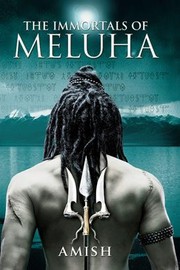
The Immortals of Meluha
1,994-word summary 9 min read 390 pages in the book
- First published
- 2010
- Publisher
- Westland Press
- Pages
- 390
- ISBN
- 9789380658742
- Series
- Shiva Trilogy (#1)
Reading options
What's inside (6 sections)
I picked up The Immortals of Meluha curious about India Tolkien tag and found a fast mythic adventure that explains a lot. Westland Press first published it in February 2010, a 390 page edition with ISBN 9789380658742. It is Shiva Trilogy book one, followed by Secret of the Nagas. It follows tribal chief Shiva to Meluha where blue throat marks him as fabled Neelkanth. If you like mythology retold with modern pacing and philosophy chats, dive in. Expect battles, romance, and debates about good.
Shiva is chief of the Gunas, Tibetan tribe, rough, loyal, haunted by past. Invited to Meluha, a perfect empire with rules, baths, schools, he comes for better life. At Somras ceremony, his throat turns blue. Meluhans gasp. Neelkanth legend says a foreigner with blue throat will save them from evil Chandravanshis and Nagas. Shiva doubts. He smokes weed. He flirts. He fights well. He does not feel divine. Meluhans insist. King Daksha welcomes. Princess Sati, beautiful warrior with karma scars, intrigues. Ayurvati doctor heals. Brahaspati scientist explains. Shiva enjoys honor while suspecting setup. Prophecy as politics? He will learn.
Meluha as utopia with cracks fascinates. Clean cities. Strict laws. Everyone equal, except Vikarma untouchables marked by past sins. Somras, immortality drink, grants long life but needs Saraswati water now failing. Chandravanshi enemies attack with Nagas help. Terror strikes. Shiva must lead though he barely understands sides. Tripathi uses Meluha to debate order versus freedom. Rules create health and stifle. Shiva tribal freedom values heart over law. Neither perfect. Their clash drives philosophy chats that some love and some skim. I liked them in small doses between battles. Take with chai. Pause to argue. Good.
Sati and Shiva
Sati as heroine carries the book. Warrior princess, skilled swordsman, scarred as Vikarma for past life sins though she remembers none. Society shuns her touch. Shiva loves her at first sight and pursues respectfully, learning boundaries. Their romance, slow and sweet amid war, gives heart. Dance lessons. Sword practice. Talks about karma. Sati fears love will ruin duty. Shiva fears divinity will ruin love. They marry mid book in a ceremony that moves. Her scars do not vanish. Society must change, not her skin. That message lands well for mythic romance. Love sees past marks. Laws should too. Later books test this harder. Here it sings.
Shiva as hero divides readers and worth discussing. He swears modernly. He doubts openly. He leads by gut, not scripture. Traditionalists may balk at chill Shiva who drinks and jokes. Tripathi intends human god, a man raised to legend by choices, not birth. That humanizing works for new readers unfamiliar with Puranas. It annoys purists who want distant Mahadev. Know which you are before reading. If you want authentic myth, read translations. If you want adventure that asks what makes a god, stay. Shiva grows from chief to leader by listening, learning medicine, tactics, compassion. His blue throat may be chemistry, not miracle. The book leaves room to doubt prophecy even as characters believe. That doubt is modern and welcome.
Battles and villains move fast. Chandravanshi raids with Naga help. Terrorist strikes on Meluhan cities. Shiva leads defense with guerrilla tactics learned in hills. Brahaspati invents weapons. Sati fights beside, better than most men. Kartik? Actually later. Enemy Nagas, deformed warriors led by mysterious Lord, remain shadowy here. Tripathi saves reveals for book two. Some readers find villains thin. True. They are placeholders for evil to be questioned later. Is Chandravanshi evil or different. Are Nagas monsters or victims. Book one poses. Later answers complicate. Read trilogy, not alone, for payoff. This volume ends with Shiva doubting Meluhan good, which is the point. Good is not side. It is choice.
Philosophy chats deserve note because they are the book signature. Characters debate karma, fate, free will over meals. What is evil. What is duty. Can a man become god by deeds. Tripathi writes plainly, not poetically. Some call it preachy. I found it refreshing after grim epics that avoid ideas. A war council pausing to discuss why we fight feels Indian in best way, Mahabharata style. Take what helps. Skip what repeats. The best line, often quoted, about no evil, only different perspectives? Actually about how good needs evil to define? It sticks because simple. Ponder after closing. Who are your Nagas. Who decided.
India and epic
India as setting shines with familiar made strange. Meluha as Indus Valley perfection. Swadweep as chaotic east. Panchavati forests. Tripathi maps myth to geography lovingly. Readers Indian will recognize names and smile. Others will learn without lecture. Food, clothes, rituals described with pride. That cultural confidence made the book phenomenon. After years of Western epics, here is Indian epic in English that ownsApologies, no, owns its sources. BBC called Amish India Tolkien. Hype oversells prose but captures impact. Millions read who never touched fantasy. That gateway matters more than style points. Celebrate it.
Fair criticism is honest. Prose is plain, dialogue modern in ancient mouths, pacing rushes battles then stalls for lectures. At 390 pages, middle sags with court etiquette. Female characters beyond Sati thin. Editing misses. Still, momentum carries. Tripathi writes like storyteller around fire, not stylist. Listen for story, not sentences. If you need beautiful prose, look elsewhere. If you need a god who doubts, stay. Later books deepen. Secret of Nagas flips villains. Oath ends with tears. Start here to earn those. The Neelkanth drinks Somras and turns blue. So will you, a little, after reading. Blue with questions. Good.
Who should read. Teens and adults who love mythology retold fit best. Fans of Percy Jackson older, of Shafak, of illustrated epics will feel home. Pair with Secret of Nagas next, no pause needed. Read with family who know Shiva stories. Debate differences joyfully. Do not argue authenticity over dinner. Enjoy retelling as one lamp among many. The trilogy asks what makes a god. Answer offered is deeds, not birth. Live accordingly. Be kind. Fight for those marked. Question perfect empires. That is enough Neelkanth work for one life.
Sati, Daksha, and order
Sati scars as Vikarma mark need discussion because they carry the book ethics. Born with karma punishment for past life sins though she remembers none, Sati is declared untouchable for touch though royal. She cannot be touched, married for love, only duty. She fights brilliantly anyway, serves as warrior, bears scars with dignity. Shiva loves her and asks why law punishes innocent. No good answer comes. Priests cite order. Daksha cites stability. Sati herself accepts at first, having internalized. Shiva refusal to accept, touching her hand in public, scandalizes court and frees her heart. That touch matters more than battles. Laws change when gods break them openly. Later books test whether society follows. Here, hope sparks. Touch the marked kindly in life too. Laws that shame bodies deserve breaking. Ask who benefits from untouching. Usually priests, not people. Choose people.
Daksha as emperor embodies order with love twisted. He loves Sati as daughter and sacrifices her happiness for Meluhan stability. He loves Shiva as savior and uses him as weapon. He means well while doing harm, the most dangerous kind of ruler. His chapters explaining rules sound reasonable until costs named. Clean cities need strict castes. Long life needs Somras that harms rivers. Peace needs wars on Chandravanshis. Each good needs evil elsewhere. Shiva sees and questions. Daksha hears questions as ingratitude. Their father son tension drives politics beyond battles. Young readers should note how good intentions pave. Ask who pays for your comfort. Meluhans drink Somras while Saraswati dies. Modern parallels write themselves. Drink less. Ask more. Share rivers. That is Meluha lesson in one cup. Sip thoughtfully.
Brahaspati science as faith bridge deserves praise as rare scientist character done well. Chief inventor, teacher, friend to Shiva, he explains Somras chemistry, weapons, healing without mystique. He admits unknowns. When Shiva asks if blue throat is miracle or reaction, Brahaspati says both, chemistry plus meaning people give. That humility keeps science honest in mythic world. He dies? Actually disappears mid book, driving mystery. His loss guts Shiva more than battle defeat because minds need friends who explain. Mourn him as characters do, then keep asking his questions. How does it work. Who pays. What if we stopped. Those questions will topple empires by trilogy end. Ask them early in your own Meluhas. Laboratories, offices, schools all have Somras equivalents. Name them. Choose rivers over cups when you can. Enough.
Naga shadows and Chandravanshi questions
Naga shadows loom over book one without full reveal and that restraint works if you trust trilogy. Deformed warriors with masks strike Meluhan cities with Chandravanshi help. Terror works. Citizens fear. Shiva chases shadows that vanish. Who are Nagas. Cursed humans. Victims of Somras side effects. Later books answer fully. Here enjoy mystery without demanding all. The fear they inspire mirrors Meluhan fear of difference. Deformed bodies hide good minds. Tripathi hints through a Naga who spares a child. That mercy complicates monster talk. Remember it when book two flips sides. Good and evil trade masks. The trilogy argues perspective shapes. Meluha calls Nagas evil because they attack. Nagas attack because Meluha poisoned rivers with Somras waste. Both true. Neither full. Hold judgment until book three. Then judge systems, not soldiers. That patience is the trilogy gift. Book one plants. Later waters. Harvest at end. Do not quit at planting.
Chandravanshi as other half of India deserve note beyond enemy label. Eastern kings with different customs, music, love. They follow same gods differently. Meluha calls them lesser for chaos. They call Meluha cold for order. Shiva, outsider to both, sees merits. Chandravanshi warmth welcomes him where Meluhan rules constrain. Their princess? Actually their allies charm. War between sides wastes lives over Somras river rights. Shiva mediates badly at first, taking Meluhan side from gratitude. Doubts grow as he sees Chandravanshi children fear Meluhan soldiers. That seeing starts his turn from Neelkanth of Meluha to lord of all. Prophecy narrows. Humanity widens. Follow that widening across books. It leads to surprising alliances and harder wars. For now, note that enemies feast, laugh, love like you. Share a meal in Chandravanshi camp when invited in later pages. Taste difference. Question Meluhan menu of order. Both feed. One also frees. Choose after tasting, not before. Shiva learns. So will you, across 400 pages and two more books. Keep reading. Doubt sides. Love people.
Chandravanshi warmth welcomes Shiva where Meluhan rules constrain. Their music, food, laughter draw him. War between sides wastes lives over river rights. Shiva mediates badly at first, taking Meluhan side from gratitude. Doubts grow as he sees children fear soldiers. That seeing starts his turn from Neelkanth of Meluha to lord of all. Prophecy narrows. Humanity widens. Follow that widening across books. It leads to surprising alliances and harder wars. For now, note enemies feast and laugh like you. Share a meal when invited. Taste difference. Question menus of order. Both feed. One also frees. Choose after tasting. Shiva learns. So will you across pages and sequels. Keep reading. Doubt sides. Love people. Blue throats mark those who drink deeply. Drink thoughtfully. Act kindly.
Somras as immortality drink carries the book central bargain worth naming plainly. Grants long life. Needs river water now failing. Meluha drinks while Saraswati dies. That exchange, life for river, mirrors modern comforts built on drained places. Tripathi makes Shiva see it slowly. First he enjoys baths and order. Then he asks where water goes. Answers deflect. Priests cite necessity. He walks to riverbed cracked. Seeing beats hearing. That walk turns Neelkanth from guest to judge. Visit your own Somras sources sometime. Power plants. Reservoirs. Closets full. Ask where they drain. Choose smaller cups where you can. Rivers remember longer than empires. Meluha learns too late. Learn sooner from pages. Drink thoughtfully. Share rivers. Enough.
Keep reading the trilogy. Doubt sides. Love people. Blue marks those who drink deeply.
FAQ
When was it published?
Westland Press first published it in February 2010. The edition runs 390 pages with ISBN 9789380658742.
Is it part of a series?
Yes. It is Shiva Trilogy book one, followed by Secret of the Nagas.
Who should read it?
Teens and adults fit best. There is battle violence and mythic religion.
Similar books
More from Shiva Trilogy first, then related titles.
The Secret of the Nagas
Shiva hunts the Naga who attacked Sati, discovers her hidden twin sister and lost son, and follows the trail to the Naga capital of Panchavati.
2,442-word summary · 11 min read
The Thief
A boastful young thief is pulled from a prison to steal a legendary stone for the king's magus, and the story he tells about himself is not the whole story.
2,514-word summary · 11 min read
The Chalice of the Gods
Percy needs three recommendation letters from three gods to apply to college, so his first quest is recovering a stolen chalice from the god of old age.
2,106-word summary · 9 min read
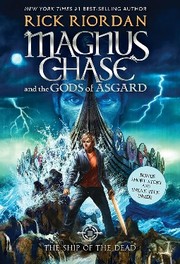
The Ship of the Dead
Magnus and his crew sail to the edges of the Norse worlds to stop Loki from launching Naglfar, the ship of the dead.
2,426-word summary · 11 min read
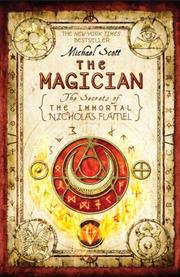
The Magician
Sophie and Josh flee to Paris with Nicholas Flamel, where John Dee, Machiavelli, and an awakened god close in on the missing pages of the Codex.
2,162-word summary · 10 min read
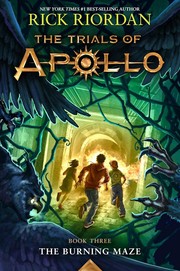
The Burning Maze
Apollo, still trapped in a mortal teenager's body, follows a dangerous prophecy through the Labyrinth with Meg and Grover as the Triumvirate's grip tightens.
2,248-word summary · 10 min read

Lore
Lore Perseous, the last of a hunted bloodline, is pulled back into the Agon when a wounded Athena offers her revenge against the god who killed her family.
2,188-word summary · 10 min read
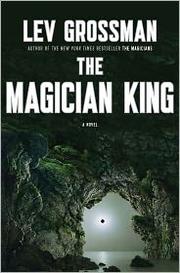
The Magician King
Quentin rules a peaceful Fillory until a golden key strands him on Earth, while Julia's brutal road from hedge witch to demigod rewrites the whole story.
2,431-word summary · 11 min read
A Fate Inked in Blood
In Norse-inspired Skaland, a fish gutter hiding a goddess's blood is claimed by a jarl, bound by oath, and guarded by the son she cannot want.
1,971-word summary · 9 min read
The Once and Future King
T.H. White retells Arthur from boyhood with Merlyn to Camelot's fall, mixing comedy, myth, and a hard look at war and power.
2,200-word summary · 10 min read
The Demigod Files
Three Percy Jackson side quests plus camp maps, cabin guides, interviews, and god profiles set before the final battle.
2,498-word summary · 11 min read
The Hammer of Thor
Magnus and Sam chase Thor's stolen hammer to a giant wedding heist, with Alex Fierro joining Floor Nineteen as Loki bargains and Ragnarok stirs.
3,068-word summary · 14 min read

The Talisman
Twelve-year-old Jack Sawyer flips between America and the Territories to find a Talisman that can save his dying mother.
2,050-word summary · 9 min read
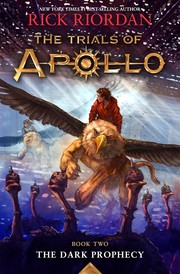
The Dark Prophecy
Mortal Apollo and Leo cross America to free the Oracle as Commodus hunts them.
2,368-word summary · 11 min read
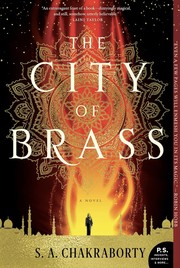
The City of Brass
Cairo con artist Nahri summons djinn Dara and is drawn to Daevabad where Ali questions pureblood rule.
1,993-word summary · 9 min read
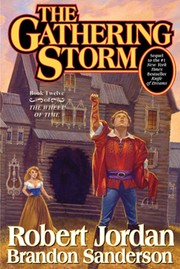
The Gathering Storm
Rand hardens toward breaking the world while Egwene holds the White Tower from a cell in the twelfth Wheel of Time book.
2,176-word summary · 10 min read
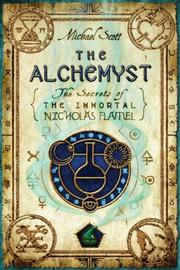
The Alchemyst
Twins Sophie and Josh learn their boss is Flamel as Dee steals the Codex minus two pages.
2,085-word summary · 9 min read
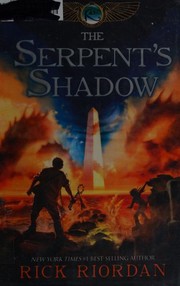
The Serpent's Shadow
Carter and Sadie Kane have three days to bind Apophis by his shadow before the serpent rises and unmakes the world.
2,941-word summary · 13 min read
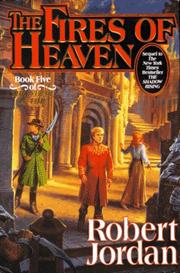
The Fires of Heaven
Rand leads the Aiel to war over Cairhien while the White Tower splits, in book five of The Wheel of Time.
2,287-word summary · 10 min read

The Throne of Fire
Carter and Sadie Kane have five days to wake the sun god Ra before the serpent Apophis breaks free and eats the world.
2,867-word summary · 13 min read
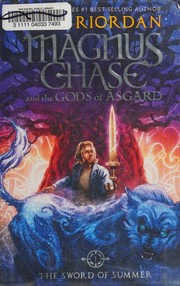
The Sword of Summer
A homeless Boston teen learns he is a Norse god son and dies on day one stopping a fire giant.
2,116-word summary · 9 min read
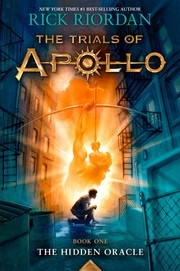
The Hidden Oracle
Apollo lands as a teen in New York with no powers and must earn his way back with Meg and demigods.
1,933-word summary · 9 min read
Children of Blood and Bone
White haired Zelie chases magic return with princess Amari hunted by Inan.
2,027-word summary · 9 min read
The Silmarillion
Tolkien's posthumous First Age history, edited by Christopher Tolkien: the Music of the Ainur, Feanor's Silmarils, Beren and Luthien, Gondolin, and the fall of…
2,544-word summary · 11 min read
The Great Hunt
Rand hunts the stolen Horn of Valere across the land while Egwene and Nynaeve face the Seanchan and the White Tower.
2,516-word summary · 11 min read

The Dragon Reborn
Rand flees to Tear to claim Callandor while Perrin, Mat, and Egwene are drawn after him to the fallen Stone.
2,644-word summary · 12 min read

Beowulf
An anonymous Old English epic in Heaney's Norton translation: Beowulf faces Grendel, Grendel's mother, and a dragon across a lifetime of fame and cost.
2,810-word summary · 12 min read

The Blood of Olympus
Seven demigods stop Gaia waking while Reyna brings Athena statue.
2,196-word summary · 10 min read
The Red Pyramid
Siblings Carter and Sadie Kane wake the Egyptian gods and must stop Set from destroying the world.
2,682-word summary · 12 min read
The House of Hades
Percy and Annabeth cross Tartarus while the five close the Doors of Death before Gaea wakes.
2,910-word summary · 13 min read