
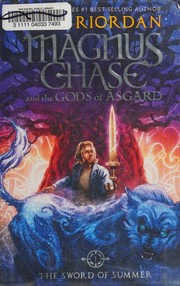
The Sword of Summer
2,116-word summary 9 min read 512 pages in the book
- First published
- 2015
- Publisher
- Disney-Hyperion
- Pages
- 512
- ISBN
- 9781423160915
- Series
- Magnus Chase and the Gods of Asgard (#1)
Reading options
What's inside (12 sections)
I read The Sword of Summer to see if Riordan could make Norse myth as fun as Greek, and the answer is louder and weirder. He published it with Disney-Hyperion in 2015, a 512 page opener to Magnus Chase and the Gods of Asgard with ISBN 9781423160915. Magnus, sixteen and homeless in Boston after his mother death, learns he is son of Frey, dies fighting a fire giant on a bridge, and wakes in Hotel Valhalla as an einherji training for Ragnarok. The quest that follows involves a talking sword, a dwarf in fashion crisis, an elf who hates selfies, and a Valkyrie in a hijab. Fast, funny, surprisingly kind about death and identity. Riordan at his most inclusive without losing pace.
Magnus opens the book on streets he knows too well. Sleeping under bridges. Dodging shelters. Hoarding granola bars. His mother died two years earlier telling him to run from his uncle Randolph. He runs until Randolph finds him on his sixteenth birthday with news. Norse gods are real. Magnus father is Frey. A sword called Sumarbrander, the Sword of Summer, waits under the Charles River. Fire giant Surt wants it to free Fenris Wolf and start the end. That night Surt attacks on Longfellow Bridge. Magnus grabs the sword, lets it guide his hand, and holds the giant long enough for Boston to survive. He dies doing it. His death is not noble in the old sense. It is stubborn and a little clumsy. A homeless kid refusing to move while commuters flee. Valhalla notices.
Valhalla
Hotel Valhalla is Riordan best afterlife hotel. Endless feasts. Daily battles where limbs regrow. Goats that respawn after dinner. Magnus is assigned to Floor Nineteen with misfits. Halfborn Gunderson, a berserker who loves dying well. Mallory Keen, an Irish bomb thrower with a sharp tongue. Thomas Jefferson Jr., a Civil War soldier who hates his name. T.J. and company bicker like dorm mates. Their thane is Samirah al-Abbas, a Valkyrie who moonlights while fasting for Ramadan and raising eyebrows among gods who expect obedience. Sam chose Magnus for Valhalla against orders because she saw his heart. That choice gets her fired and sets the quest. Bring back the sword. Prove Loki did not rig the choosing. Stop Fenris from slipping his bonds.
Blitzen and Hearthstone steal every scene they enter. Blitz is a dwarf, son of Freya, allergic to sunlight, obsessed with fashion as armor. He dresses Magnus in layers that save his life. Hearth is an elf, deaf, expressive in sign that Magnus slowly learns, carrying grief about a brother lost to dark magic. Their friendship with Magnus predates gods. They watched him on streets, left food, and argued about intervening. Now they quest together with bickering that covers love. Blitz faints at sunlight. Hearth signs jokes no one translates. Magnus mediates with snacks. Found family here is warmer than Percy Jackson crew because all three started with nothing. No camp. No prophecy stipend. Just each other.
Randolph and Loki
Uncle Randolph is the human wound. A scholar of Norse myth who lost his wife and daughters while seeking the gods, he serves Loki in hopes of getting them back. Loki, father of Sam brother and of many monsters, appears as a handsome man with scarred lips who tells truths that hurt more than lies. Your gods use children as shields. Your friends will die for a war no one can win. Join me and save whom you love. Randolph believes because grief needs a door. Magnus understands because he misses his mother with the same ache. Their confrontation in a barrow of old bones is sadder than any giant fight. Two bereaved relatives offered different bargains. One chooses the living. One cannot stop choosing the dead.
The quest structure follows Riordan formula with Norse skins. Travel the Nine Worlds by tree, train, and goat. Collect allies. Lose the sword. Chase the sword, which is sentient, male, flirtatious, and named Jack, who sings pop songs and demands a wielder worthy of summer. Bargain with dwarfs for a new chain to bind Fenris. Outwit giants in contests of eating, drinking, and insulting. Each world gets a comic set piece that teaches myth without lectures. Nidavellir forges. Jotunheim diners. Helheim quiet that is not rest. Riordan footnotes with Magnus snark rather than appendices. Loki kids. Thor movies. Gluten free mead. Jokes land more often than not because Magnus narrates like a tired teen rather than a scholar.
Fenris and the choice
Fenris Wolf is genuinely frightening, chained on an island with drool that burns and eyes that know your name. The binding frays because gods grew careless and Loki cut threads. Magnus cannot rebind him by force. No one can. The solution involves sacrifice that is not death. Give the wolf what he wants without freeing him. A long leash. A different island. Time bought rather than victory won. That compromise defines Riordan Norse take. Ragnarok cannot be stopped, only delayed by decency. Odin admits the gods are flawed managers. Thor is a lovable brute who watches soap operas. Frey is absent and kind. The kids do better than their parents by choosing smaller, kinder delays. It is a humbler heroism than Olympus and it suits a homeless hero who knows shelters never last.
Samirah arc carries the book moral weight. Muslim, daughter of Loki, Valkyrie against family wishes, she fasts, prays, and fights while gods mock her hijab as costume. She refuses to remove it for Odin approval. Her faith is practice rather than speech. Prayers in a stairwell. Dates broken with Blitz cooking. Anger at Loki for using her brother. When she is expelled from Valhalla service, she keeps serving the quest because right is right outside uniform. Riordan, writing outside his own faith, consulted widely and it shows in specifics rather than slogans. Wudu drops. Iftar timing during battle. A father who loves her and fears for her. Young Muslim readers get a hero who is devout and disobedient at once. That combination is rare and precious.
What works and what strains
What works is inclusivity as story rather than sticker. Hearth deafness shapes tactics. He reads lips through helmets. He signs warnings that save lives. Blitz dwarfism and sunlight allergy create real limits, not flavor. A genderfluid child of Loki appears without fanfare as Magnus friend. No one lectures. They quest. Humor carries it. Magnus footnotes, Jack songs, goat-chariot traffic jams. At 512 pages the book moves fast because chapters end on jokes or blades. Myth accuracy is solid enough for classrooms. Fenris, Surt, Ratatosk the gossip squirrel, all behave like their Edda selves with Riordan twists.
The strain is formula and length. If you read Percy Jackson, you know the beats. Prophecy-ish warning. Team of three plus outcast. Road trip with comic interludes. Betrayal by a trusted adult. Final choice that delays doom. Riordan varies skins but not skeleton. Randolph twist is guessable. Loki speeches repeat. Some Boston street detail fades once Valhalla feasts begin. Homelessness, so vivid early, becomes backstory rather than ongoing reality. Readers who want grittier takes on housing may find the hotel upgrade too cozy. Still, the core holds because Magnus kindness feels specific to a kid who shared blankets. He tips. He remembers names. He feeds squirrels who insult him. That street ethic survives godhood.
Who it is for
Read it if you like Percy Jackson pace with funnier gods, or want Norse myth without grimdark. Start here for Magnus Chase. No prior Riordan needed, though Annabeth Chase cameo delights fans. She is Magnus cousin, linking pantheons. Content notes include parent death off page, homelessness described plainly, bullying, fantasy violence with regrowing limbs, and religious discussion handled respectfully. Suitable for middle grade and up.
I finished thinking about breakfast in Valhalla. Endless tables where the dead eat together before killing each other for practice. That image captures Riordan faith. Feast first. Fight later. Die. Repeat. Magnus, who went hungry on streets, finally eats without counting bites. He shares anyway. Old habits of generosity survive plenty. For a book about the end of the world, that is a hopeful note to start a series on. Die once on a bridge. Wake to bacon. Choose to delay wolves with friends. Keep the sword singing. Summer will come back, briefly, if you earn it.
Jack the sword
Sumarbrander, who insists on Jack, deserves his own note because talking weapons often annoy and this one delights. Forged to fight giants, lost for centuries, Jack loves battle, pop songs, and flirting with every blade he meets. He fights on his own once drawn, dragging Magnus along while shouting encouragement. His songs during combat, mostly made up lyrics about cutting, break tension without breaking stakes. Underneath the comedy Jack carries grief for Frey, who gave him up, and for wielders who died holding him. His loyalty to Magnus grows from utility to affection. He stays sharp for the kid who shares snacks and asks consent before drawing. Consent with a sword sounds absurd. Riordan makes it a running ethic. Ask before using power, even yours. Jack waits to be asked. That patience teaches Magnus more than any prophecy.
Annabeth cameo
Annabeth Chase appearance as Magnus cousin rewards long fans without hijacking. She arrives after the bridge death, helps identify the sword, and leaves before Valhalla politics swallow her. Her competence contrasts with Magnus confusion in ways that flatter neither. She knows Greek. He knows streets. Both matter. Their sibling warmth, teasing about parents and gods, shows Riordan universe as family rather than franchise. New readers meet a smart girl who helps and exits. Old readers get proof the worlds connect through blood as well as theme. Either way the cameo earns its pages by clarifying stakes. Gods have children everywhere. Cousins find each other across pantheons. Help arrives from unexpected branches of the same tree.
Ratatosk and the squirrel problem
Ratatosk the gossip squirrel steals his chapter with insults that work as exposition. Living on Yggdrasil carrying messages between eagle and dragon, he knows every grudge in Nine Worlds and repeats them loudly to provoke fights. His insults at Magnus crew are precise. Coward. Orphan. Token. Each lands because it holds partial truth. Riordan uses him to voice doubts readers might have about heroes. Why trust a homeless kid with a sword. Why follow a disgraced Valkyrie. The crew answers by continuing rather than debating. That is the book method for bullies. Keep walking while squirrels chatter. Ratatosk also delivers real intel between taunts. Fenris chain status. Loki movements. Which gods lie. Information wrapped in abuse is still information. Magnus learns to listen past tone, a street skill that serves godly quests. Take the fact. Leave the insult on the branch.
Boston streets
Magnus homelessness opening deserves more credit because Riordan writes it without pity or gloss. Sleeping under bridges with a bag as pillow. Knowing which shelters ask few questions. Sharing food with others who sleep rough. His friends Blitz and Hearth check on him without rescue fantasies. They bring protein bars and leave space. That respect matters. Too many fantasies use homelessness as costume to discard after chapter one. Riordan lets street habits shape heroics throughout. Magnus shares Valhalla food automatically. He notices servants. He tips when he has coins. He distrusts adults who offer help with forms attached, because streets teach that paperwork often precedes removal. Those instincts save the quest twice. A god offers a bargain with fine print. Magnus asks who eats in the deal. Street kids read contracts better than scholars. Hunger teaches fine print.
Magnus mother memory steadies the book whenever gods grow loud. A woman who told stories about Norse myths as bedtime tales, warned her son about his uncle, and died protecting him from wolves that were not wolves. Magnus carries her comb and her advice. Be brave. Share food. Ask names. Those three rules guide every quest choice better than Odin orders. When Loki offers Magnus his mother back in exchange for the sword, the temptation is real for one page. Then Magnus remembers she would hate the trade. Love that demands others die is not love she taught. He refuses with her words in his mouth. That refusal defines him more than any divine parentage. Son of Frey by blood. Son of a kind woman by practice.
Series note
Magnus Chase order is The Sword of Summer, The Hammer of Thor, The Ship of the Dead. Read in order. The Fenris delay, Sam status, and Loki punishment carry across. Skipping ahead spoils who lives on Floor Nineteen. The trilogy completes Ragnarok delay fully.
FAQ
When was The Sword of Summer published?
Disney-Hyperion published it in 2015. The hardcover runs 512 pages and the ISBN is 9781423160915.
Who are the main characters?
Magnus Chase, Samirah the Valkyrie, Blitzen, Hearthstone, and Uncle Randolph.
Is it part of a series?
Yes. It is book one in the Magnus Chase and the Gods of Asgard series.
Similar books
More from Magnus Chase and the Gods of Asgard first, then related titles.
The Hammer of Thor
Magnus and Sam chase Thor's stolen hammer to a giant wedding heist, with Alex Fierro joining Floor Nineteen as Loki bargains and Ragnarok stirs.
3,068-word summary · 14 min read
The Ship of the Dead
Magnus and his crew sail to the edges of the Norse worlds to stop Loki from launching Naglfar, the ship of the dead.
2,426-word summary · 11 min read
The Chalice of the Gods
Percy needs three recommendation letters from three gods to apply to college, so his first quest is recovering a stolen chalice from the god of old age.
2,106-word summary · 9 min read
The Burning Maze
Apollo, still trapped in a mortal teenager's body, follows a dangerous prophecy through the Labyrinth with Meg and Grover as the Triumvirate's grip tightens.
2,248-word summary · 10 min read
The Dark Prophecy
Mortal Apollo and Leo cross America to free the Oracle as Commodus hunts them.
2,368-word summary · 11 min read
The Serpent's Shadow
Carter and Sadie Kane have three days to bind Apophis by his shadow before the serpent rises and unmakes the world.
2,941-word summary · 13 min read

The Throne of Fire
Carter and Sadie Kane have five days to wake the sun god Ra before the serpent Apophis breaks free and eats the world.
2,867-word summary · 13 min read
The Hidden Oracle
Apollo lands as a teen in New York with no powers and must earn his way back with Meg and demigods.
1,933-word summary · 9 min read

The Blood of Olympus
Seven demigods stop Gaia waking while Reyna brings Athena statue.
2,196-word summary · 10 min read
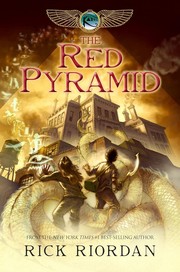
The Red Pyramid
Siblings Carter and Sadie Kane wake the Egyptian gods and must stop Set from destroying the world.
2,682-word summary · 12 min read
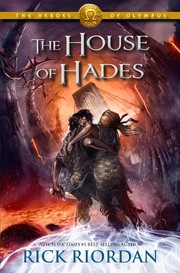
The House of Hades
Percy and Annabeth cross Tartarus while the five close the Doors of Death before Gaea wakes.
2,910-word summary · 13 min read
The Titan's Curse
Percy joins a winter quest to save Annabeth and Artemis with Thalia, Grover, Bianca and Zoe, facing Atlas and Luke under a hard Oracle prophecy on Mount…
2,229-word summary · 10 min read
The Sea of Monsters
Percy returns for a second summer as Camp Half-Blood loses its borders, Tyson is claimed as his brother, and the Golden Fleece waits past the Sea of Monsters.
2,056-word summary · 9 min read
The Lost Hero
Jason wakes with no memory while Piper and Leo learn they are demigods sent to free Hera.
2,734-word summary · 12 min read
The Last Olympian
Percy Jackson turns sixteen as Kronos marches on Manhattan, forcing Camp Half-Blood into a final stand for Olympus beside Annabeth as the old prophecy demands…
2,564-word summary · 11 min read
The Battle of the Labyrinth
Percy and Annabeth enter the shifting Labyrinth with Rachel Dare to stop Luke and Kronos from invading Camp Half-Blood.
2,924-word summary · 13 min read

The Lightning Thief
Rick Riordan's The Lightning Thief retold: Percy Jackson, Camp Half-Blood, the stolen bolt, and the road trip to the Underworld.
2,581-word summary · 11 min read
The Thief
A boastful young thief is pulled from a prison to steal a legendary stone for the king's magus, and the story he tells about himself is not the whole story.
2,514-word summary · 11 min read
The Magician
Sophie and Josh flee to Paris with Nicholas Flamel, where John Dee, Machiavelli, and an awakened god close in on the missing pages of the Codex.
2,162-word summary · 10 min read

Lore
Lore Perseous, the last of a hunted bloodline, is pulled back into the Agon when a wounded Athena offers her revenge against the god who killed her family.
2,188-word summary · 10 min read
The Alchemyst
Twins Sophie and Josh learn their boss is Flamel as Dee steals the Codex minus two pages.
2,085-word summary · 9 min read
Children of Blood and Bone
White haired Zelie chases magic return with princess Amari hunted by Inan.
2,027-word summary · 9 min read
The Demigod Files
Three Percy Jackson side quests plus camp maps, cabin guides, interviews, and god profiles set before the final battle.
2,498-word summary · 11 min read
The Son of Neptune
Amnesiac Percy wakes at Camp Jupiter and quests to Alaska with Hazel and Frank to free Thanatos.
2,107-word summary · 9 min read
The Mark of Athena
Seven demigods sail for Rome where Annabeth must follow the Mark to the Athena Parthenos alone.
2,031-word summary · 9 min read

Inkdeath
The final Inkworld novel sends Mo into the land of the dead, leaves Meggie choosing between two boys, and ends the Adderhead's immortality with three written…
2,062-word summary · 9 min read

Vow of Thieves
Kazi and Jase return to Tor's Watch to find it occupied, and their marriage is tested by captivity, betrayal, and a war for the town of Hell's Mouth.
2,059-word summary · 9 min read

The Icebound Land
Captured and enslaved in Skandia, Will fights a drug that erases him while Halt and Horace cut a bloody road through Gallica to bring him home.
2,088-word summary · 9 min read
The Secret of the Nagas
Shiva hunts the Naga who attacked Sati, discovers her hidden twin sister and lost son, and follows the trail to the Naga capital of Panchavati.
2,442-word summary · 11 min read

Lioness Rampant
Alanna searches for the Dominion Jewel with the Shang Dragon, then returns to Tortall to face Duke Roger at Jonathan's coronation.
2,478-word summary · 11 min read