
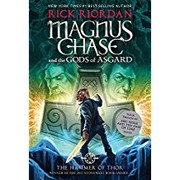
The Hammer of Thor
3,068-word summary 14 min read 468 pages in the book
- First published
- 2016
- Publisher
- Scholastic
- Pages
- 468
- ISBN
- 9781338282733
- Series
- Magnus Chase and the Gods of Asgard (#2)
Reading options
What's inside (9 sections)
I started The Hammer of Thor on a rainy weekend because I wanted something loud and fast after a run of heavy histories. Rick Riordan published it on October 4, 2016 with Scholastic in the edition I used, a 468 page book with ISBN 9781338282733, and it is the second book in the Magnus Chase and the Gods of Asgard series. I had liked The Sword of Summer for its homeless kid in Boston who wakes up dead in Valhalla, and I wanted to see if book two could keep the jokes while raising the stakes. It does, mostly. It also made me laugh on a train and get stared at, which I count as a pass.
Magnus Chase is still the same boy. Sixteen, son of Frey, former street kid, now an einherji in Hotel Valhalla who can heal with the light of summer and fight with a talking sword named Jack who loves to sing. He lives on Floor Nineteen with misfits. Samirah al Abbas, his Valkyrie, a Muslim girl who fasts, flies, and argues with gods while planning her wedding. Blitzen, a dwarf in a sharp vest who makes armor that saves lives. Hearthstone, an elf who does rune magic in sign language and pays a hard price for every spell. Together they stopped Fenris Wolf from getting loose in book one. Now something worse is missing. Thor's hammer.
Thor himself opens the problem by being Thor. Big, loud, fond of reality shows and brutal breakfasts, desperate to find Mjolnir before anyone learns it is gone. If word spreads that the strongest god lost his best weapon, giants will move. Ragnarok will creep closer. Thor cannot even feel where it went. That is the hook. A god of thunder checking couch cushions while the worlds hold their breath.
Thor loses his hammer
The first chapters play like a bad morning after. Magnus is training in Valhalla, dying daily in combat practice and waking for dinner, when Sam pulls him aside. Thor wants a quiet meeting. No songs. No crowd. In Thor's hall, with goats gnashing at the edges and the smell of mead and smoke, Thor admits Mjolnir is gone. He last had it while watching something mindless. Now the stand is empty. He threatens, blusters, then begs. Find it. Tell no one.
Riordan uses this setup to remind new readers how his afterlife works without a lecture. Valhalla houses warriors who died brave. They train, feast, tell stories. Loki's children and other odd guests complicate the peace. Odin is missing or masked. The gods bicker like tired parents. Magnus narrates in first person, dry and quick, explaining runes and feasts as he goes. I liked how fast this moves. Within fifty pages we know the hammer is gone, the thief likely a giant, and the price will be ugly.
A detail I kept thinking about is how Thor is both joke and warning. He brags about his strength, forgets names, breaks furniture. Yet when he goes quiet about the hammer, you feel real fear. Without that weapon, Thor cannot guard the gates he is supposed to guard. Riordan lets Magnus notice this shift. The boy who once lived under a bridge knows what it looks like when a big man pretends he is fine. That small beat of recognition grounds the comedy. Thor is funny. He is also exposed.
Sam brings the other shoe. Loki has been whispering. He knows where the hammer went or how to buy it back. He will talk only for a trade. More on that in a minute, because the trade drives everything and it touches Sam directly.
Sam, Loki, and the wedding price
Samirah is engaged to Amir Fadlan, a boy she likes who runs a falafel shop and has no idea how strange her second job is. Loki, her father, loves to poison good things. He tells Sam through dreams and messengers that the hammer is with Thrym, lord of the earth giants, or at least with giants who follow his lead. Keep it general, because Riordan keeps the trail smoky on purpose. Messengers lie. Giants boast. The certain part is the demand. Thrym wants a bride. He wants Freyja, the beautiful Vanir goddess, at a wedding in his hall. No Freyja, no hammer.
Freyja refuses, flat and final, and who can blame her. Loki then offers a swap. Send Sam in disguise. Let the wedding go forward. Steal back the hammer during the feast. Sam is horrified. She is a practicing Muslim, betrothed, loyal to her faith and to Amir. Dressing as another goddess for a giant wedding rite feels wrong on several levels, and Loki knows it. He pushes because pushing Sam hurts her and amuses him. Magnus, who owes Sam his afterlife, says he will help carry the cost. That promise shapes the book.
Here Riordan also folds in Ragnarok pressure. Every day without the hammer, Loki's allies gather. The Ship of Nails gets another plank. Fenris strains. Hel watches. The gods argue about whether to pay, fight, or stall. Odin, still absent in his wanderer form, leaves hard choices to kids. Sam prays between fights. She fasts when she can. She explains to Magnus why she will not eat during daylight hours even while running for her life, and Magnus respects it without making it a lesson. I thought those scenes were handled with care. Sam's faith is not costume. It limits what she can do and clarifies why she does it.
Thor hates the wedding plan and loves it. He hates looking weak. He loves smashing giants at weddings. Old myths have Thor dress as Freyja himself to trick Thrym, and Riordan nods to that tale while changing the players to fit his cast. Expect arguments about who wears the dress, who plays the bridesmaid, who blesses the union. Expect Sam to set lines that cannot be crossed. The plan that forms is rough. Get invited. Get close. Get the hammer back before vows bind or blood spills. Simple to say. Awful to do.
Blitz and Hearthstone go missing
Before the crew can chase weddings, friends vanish. Blitzen and Hearthstone go off on their own errand tied to family debts and old shame. Blitz has a father who died for questionable reasons and a mother who keeps a shop. Hearth has a father, the elf Alderman, cold and cruel, who demands payment for magic taught and love withheld. Hearth paid with something precious already in book one. He keeps paying.
Magnus notices they are gone when their rooms stay empty and their projects sit half done. Blitz leaves a vest with armor still warm. Hearth leaves runes that fizz and fail. Floor Nineteen feels wrong without their bickering. Riordan slows here to let Magnus worry in a way street kids learn early. When people you count on disappear, you check alleys first, then hospitals, then the people who owe them.
The search leads toward giant lands and old caves where dwarves forge and elves bleed. Without giving away every turn, the friends are in trouble because they tried to protect Magnus by handling a side debt alone. Blitz enters a contest of craft where losing means humiliation or worse. Hearth faces his father and the cost of rune work that eats memory and strength. Magnus and Sam track them with help from a giantess who runs a decent trade and a dwarf who talks too much. There are tunnels, bargains, and a forge scene I liked a lot, where Blitz has to make something perfect while scared. Making under fear is a real test. Anyone who has cooked for guests while sad will get it.
This middle section is also where the book's theme sharpens. Everyone pays for family. Sam pays for Loki's blood by being distrusted. Hearth pays for Alderman's pride with his body. Blitz pays for his father's name with risk. Magnus pays for Frey's absence with doubt about whether healing is enough. Riordan does not preach it. He just keeps sending bills. I found that moving, even between jokes about goat cheese and hammer polish.
By the time Blitz and Hearth are found and patched, the wedding clock is ticking louder. Thor is calling. Loki is smiling. Sam is quiet in a way that worries Magnus more than shouting would.
Alex Fierro joins Floor Nineteen
New blood arrives in Valhalla the way it always does, through death. Alex Fierro dies, wakes in the hotel, and gets assigned to Floor Nineteen. Alex is genderfluid, child of Loki, fierce with a pottery wire and fiercer with words. Some days Alex presents as male, some days as female, and expects the hall to keep up. Most of Floor Nineteen tries. Some gods and einherjar fail loudly.
I want to be careful here because Alex matters to a lot of readers and Riordan wrote Alex with clear respect. Alex is not a puzzle to solve. Alex is a fighter who likes green and pink, who shapes clay into shelter and shapes arguments into doors. Alex and Magnus clash first, then click. Magnus, who once judged himself harshly for needing help, learns to ask what Alex needs that day and to stop guessing. Sam, who carries her own rules about modesty and faith, finds common ground in being stared at for who you are. Blitz offers clothes without fuss. Hearth signs welcome.
Alex also brings a useful edge to the wedding plot. A shapeshifting child of Loki who understands disguise and refuses shame is exactly the person you want when the plan involves false brides and watching giants. Alex spots lies in the invitation wording. Alex knows how Loki writes traps into gifts. Alex volunteers for risky roles while naming limits, which models something good for younger readers. Brave does not mean boundless. You can say this far and no farther and still be the bravest in the room.
If there is a weak spot in the introduction, it is speed. Alex arrives, masters the hall's rules, bonds, fights, and jokes at full volume within a short span. Readers who love Alex will not mind. Readers who want slower trust will notice the rush. I noticed it and forgave it because the energy is high and the banter with Jack the sword crackles. Jack falls a little in love with every sharp edge. Alex threatens to melt him down. They become friends anyway.
Giant country and the heist plan
The back half moves into giant country, which Riordan paints as cold, damp, and oddly domestic. Caves with good rugs. Halls with bad plumbing. Giants who farm, carve, collect human junk, and nurse old grudges against Thor for killing kin. Thrym sits among them, huge, vain about his hall, proud of his claim on Freyja and his grip on the hammer. He shows it off the way a collector shows a car he stole. He lets guests see the case, not touch the prize.
Magnus, Sam, Alex, Blitz, Hearth, and a reluctant Thor in disguise travel by ways that mix myth and Boston. A train that should not run. A river that runs up. A bowling alley where the stakes are higher than shoes. Along the way they gather what thieves need. The layout of Thrym's hall. The order of the feast. The words of the blessing that will bind bride to groom if spoken over the hammer. The fact that giants love contests and cannot resist a wager. Riordan loves contests, and here they return in smaller doses than in some of his other books. A drinking game with a giantess who likes Magnus more than is safe. A crafting test where Blitz shines. A riddle exchange where Hearth's silence helps.
The plan they settle on is simple in outline and messy in practice. Enter as wedding party. Keep Sam or another stand in veiled until the hammer is brought out to bless the union. Grab it. Hold the hall long enough for Thor to do what Thor does. No one likes every part. Sam sets terms about dress and touch and prayer. Thor complains about hiding his face and his belly. Magnus worries about Utgard Loki style tricks, the old stories where giants fool eyes and make strength look foolish. He is right to worry. Giants in this series cheat at sight. What looks like a cup may be the sea. What looks like a small step may be miles.
I enjoyed the heist talk because the crew argues like real friends. Blitz wants backup exits. Hearth signs for quiet and points at guards. Alex mocks Thor's disguise until it actually works. Jack hums wedding marches and has to be shushed. Sam prays, then checks her knife. Magnus heals a burn and tries not to think about how many people will die if they fail. The humor stays, but the weight sits under it. If giants keep Mjolnir, Midgard loses its best shield. Ragnarok stops being a date on a calendar and starts being weather.
The wedding and what it costs
The wedding chapters run long and they earn it. Thrym's hall fills with giants in rough finery. Tables bend. Dogs fight under benches. The bride's party enters veiled. Loki attends because Loki must, grinning, tying and untying knots in the rite. He wants chaos whatever the outcome. If Thor gets the hammer back through blood, Loki can claim gods ruin weddings. If giants keep it, Loki can claim gods break deals. Either way he feeds.
Without spoiling each beat, the blessing brings the hammer into the open as planned. Hands grab. Veils drop. Thor roars. The hall breaks into a brawl that Riordan stages with clear geography, which I appreciated. You always know where the doors are, who holds the hammer, who guards Sam, where Alex stands, what Hearth is signing with bloody hands. Jack flies, sings, cuts. Blitz throws armor pieces to friends. Magnus heals and cuts in turn, learning that summer light can blind as well as mend. Sam fights in her wedding whites, furious and precise, refusing to be anyone's prize.
The hammer goes back to Thor by the end. That is not a spoiler so much as the premise of the series continuing. How it returns matters more. Someone pays with blood. Someone pays with a secret told to save a friend. Loki slips whatever leash held him a little looser, which will cost more in book three. Sam keeps her promise to Amir but carries a scar from what the giants demanded and what the gods asked. Thor learns, briefly, to say thanks without a joke attached. Briefly is the right word. He is still Thor.
The closing scenes return to Boston and Valhalla. Amir sees a little more than is safe and chooses trust over fear. Sam's family eats together with tension and love both present. Hearth faces his father with new terms. Blitz opens shop with pride. Alex claims Floor Nineteen as home on Alex's own terms. Magnus visits his cousin Annabeth Chase by phone or in person, linking this series to Percy Jackson without letting that link take over. He thinks about his mother, about Frey, about what kind of son of summer he wants to be. Healing, he decides, is also a weapon if used at the right hour. I liked that line of thought. It gives his power shape.
What works and what wears thin
Fair criticism belongs here because the book is fun but not flawless. First, the quest shape repeats. Riordan fans know the rhythm. Bad news in a hall, travel by odd transport, three tests, a wager, a betrayal, a big fight at a feast. The Hammer of Thor follows it closely. When the crew enters another cave for another contest, even a good one, you can feel the template. Younger readers may love the repeat. Older ones may skim.
Second, the quips come thick. Magnus narrates every fight with jokes, Jack adds songs, Thor adds bluster, Alex adds cuts, Loki adds poison jokes. I laugh a lot, then tire a little. One brawl has three punch lines where one would land harder. Riordan writes jokes the way Blitz forges mail, layer over layer. Strong, but heavy to wear for 468 pages in the Scholastic edition. A quiet page now and then would make the loud pages louder.
Third, some new gods and giants stay thin. Thrym boasts and threatens but rarely surprises. Freyja gets a firm no and little else. Utgard Loki style tricksters appear in talk more than in flesh. Readers new to Norse myth may want more grounding for who rules what and why the hammer matters beyond smashing. Riordan explains the stakes for Ragnarok clearly enough, yet the wider pantheon can feel like cameos between weddings and meals.
Those gripes aside, the strengths carry. Sam's faith is drawn with rare steadiness for a funny fantasy. Alex's arrival gives Floor Nineteen fresh fire without turning Alex into a lesson. Blitz and Hearth get chapters that honor craft and cost. The wedding heist pays off old myth in new clothes. Boston stays present, with alleys, shops, and harbor cold under the shine of Asgard. At 468 pages it never stalls for long. Even the slower forge scenes hum with care.
Facts to keep straight are simple. Second in Magnus Chase and the Gods of Asgard after The Sword of Summer. Published October 4, 2016 by Scholastic in the 468 page edition cited here, ISBN 9781338282733. Author Rick Riordan, author of Percy Jackson and the Olympians. Main players are Magnus Chase, Samirah al Abbas, Blitzen, Hearthstone, Alex Fierro, Thor, Loki, Thrym, Freyja. The plot centers on the theft of Mjolnir, Loki's demand for a wedding, a rescue of friends, and a heist at Thrym's hall with Ragnarok stakes. The hammer returns. Loki gains room. The crew holds.
I finished it late, tired, happy. It is not the deepest Riordan book. It may be among the kindest about faith, identity, and chosen family. If you want myth with heart and jokes that mostly land, start with book one and come here next. Bring snacks. Ducks Thor's table manners. Stay for Alex. Stay for Sam praying before a fight she did not choose. Stay for Blitz measuring a sleeve while giants shout. The hammer is heavy. The hands that lift it matter more.
FAQ
When was The Hammer of Thor published?
Rick Riordan published it October 4, 2016 with Scholastic. The edition cited runs 468 pages with ISBN 9781338282733.
Is The Hammer of Thor part of a series?
Yes. It is book two in Magnus Chase and the Gods of Asgard, after The Sword of Summer, with Ragnarok stakes rising.
Who is Alex Fierro?
Alex is a genderfluid child of Loki who joins Floor Nineteen. Alex helps plan the wedding heist and challenges the hall to show respect.
Similar books
More from Magnus Chase and the Gods of Asgard first, then related titles.
The Sword of Summer
A homeless Boston teen learns he is a Norse god son and dies on day one stopping a fire giant.
2,116-word summary · 9 min read
The Ship of the Dead
Magnus and his crew sail to the edges of the Norse worlds to stop Loki from launching Naglfar, the ship of the dead.
2,426-word summary · 11 min read
The Dark Prophecy
Mortal Apollo and Leo cross America to free the Oracle as Commodus hunts them.
2,368-word summary · 11 min read
The Hidden Oracle
Apollo lands as a teen in New York with no powers and must earn his way back with Meg and demigods.
1,933-word summary · 9 min read
The Chalice of the Gods
Percy needs three recommendation letters from three gods to apply to college, so his first quest is recovering a stolen chalice from the god of old age.
2,106-word summary · 9 min read
The Burning Maze
Apollo, still trapped in a mortal teenager's body, follows a dangerous prophecy through the Labyrinth with Meg and Grover as the Triumvirate's grip tightens.
2,248-word summary · 10 min read
The Serpent's Shadow
Carter and Sadie Kane have three days to bind Apophis by his shadow before the serpent rises and unmakes the world.
2,941-word summary · 13 min read

The Throne of Fire
Carter and Sadie Kane have five days to wake the sun god Ra before the serpent Apophis breaks free and eats the world.
2,867-word summary · 13 min read

The Blood of Olympus
Seven demigods stop Gaia waking while Reyna brings Athena statue.
2,196-word summary · 10 min read
The Red Pyramid
Siblings Carter and Sadie Kane wake the Egyptian gods and must stop Set from destroying the world.
2,682-word summary · 12 min read
The House of Hades
Percy and Annabeth cross Tartarus while the five close the Doors of Death before Gaea wakes.
2,910-word summary · 13 min read
The Titan's Curse
Percy joins a winter quest to save Annabeth and Artemis with Thalia, Grover, Bianca and Zoe, facing Atlas and Luke under a hard Oracle prophecy on Mount…
2,229-word summary · 10 min read
The Sea of Monsters
Percy returns for a second summer as Camp Half-Blood loses its borders, Tyson is claimed as his brother, and the Golden Fleece waits past the Sea of Monsters.
2,056-word summary · 9 min read
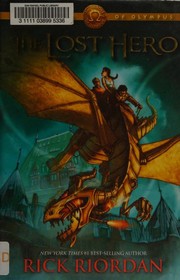
The Lost Hero
Jason wakes with no memory while Piper and Leo learn they are demigods sent to free Hera.
2,734-word summary · 12 min read
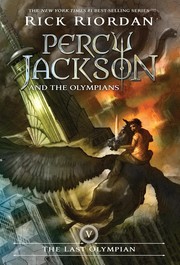
The Last Olympian
Percy Jackson turns sixteen as Kronos marches on Manhattan, forcing Camp Half-Blood into a final stand for Olympus beside Annabeth as the old prophecy demands…
2,564-word summary · 11 min read
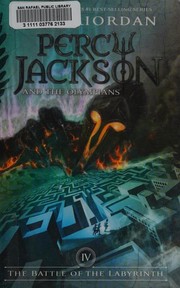
The Battle of the Labyrinth
Percy and Annabeth enter the shifting Labyrinth with Rachel Dare to stop Luke and Kronos from invading Camp Half-Blood.
2,924-word summary · 13 min read

The Lightning Thief
Rick Riordan's The Lightning Thief retold: Percy Jackson, Camp Half-Blood, the stolen bolt, and the road trip to the Underworld.
2,581-word summary · 11 min read
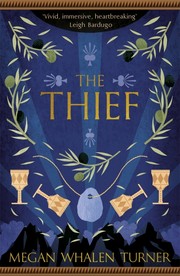
The Thief
A boastful young thief is pulled from a prison to steal a legendary stone for the king's magus, and the story he tells about himself is not the whole story.
2,514-word summary · 11 min read
Dealing with Dragons
A princess who hates embroidery runs away to become the cook and librarian for a dragon, then has to outthink wizards, knights, and a plot against the dragon…
2,563-word summary · 11 min read
The Magician
Sophie and Josh flee to Paris with Nicholas Flamel, where John Dee, Machiavelli, and an awakened god close in on the missing pages of the Codex.
2,162-word summary · 10 min read
Lore
Lore Perseous, the last of a hunted bloodline, is pulled back into the Agon when a wounded Athena offers her revenge against the god who killed her family.
2,188-word summary · 10 min read
The Alchemyst
Twins Sophie and Josh learn their boss is Flamel as Dee steals the Codex minus two pages.
2,085-word summary · 9 min read
Children of Blood and Bone
White haired Zelie chases magic return with princess Amari hunted by Inan.
2,027-word summary · 9 min read
The Demigod Files
Three Percy Jackson side quests plus camp maps, cabin guides, interviews, and god profiles set before the final battle.
2,498-word summary · 11 min read
The Son of Neptune
Amnesiac Percy wakes at Camp Jupiter and quests to Alaska with Hazel and Frank to free Thanatos.
2,107-word summary · 9 min read
The Mark of Athena
Seven demigods sail for Rome where Annabeth must follow the Mark to the Athena Parthenos alone.
2,031-word summary · 9 min read

Inkdeath
The final Inkworld novel sends Mo into the land of the dead, leaves Meggie choosing between two boys, and ends the Adderhead's immortality with three written…
2,062-word summary · 9 min read
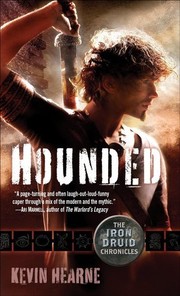
Hounded
A two-thousand-year-old druid runs a bookshop in Arizona, hides from an Irish god who wants his sword back, and talks to his dog.
2,159-word summary · 10 min read
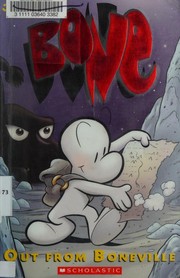
Bone, Vol. 1: Out from Boneville
Three cartoon cousins are run out of Boneville, separated by locusts, and dropped into a valley where rat creatures and an old grudge are waiting.
2,155-word summary · 10 min read

Vow of Thieves
Kazi and Jase return to Tor's Watch to find it occupied, and their marriage is tested by captivity, betrayal, and a war for the town of Hell's Mouth.
2,059-word summary · 9 min read