
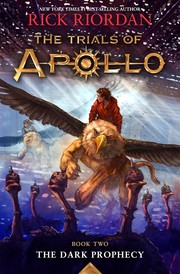
The Dark Prophecy
2,368-word summary 11 min read 432 pages in the book
- First published
- 2017
- Publisher
- Disney Hyperion
- Pages
- 432
- ISBN
- 9781484746424
- Series
- The Trials of Apollo (#2)
Reading options
What's inside (8 sections)
I read The Dark Prophecy right after The Hidden Oracle because Apollo as awkward teen Lester is my favorite Riordan joke that turned real. Disney Hyperion published it May 2, 2017, a 432 page hardcover with ISBN 9781484746424. It is Trials of Apollo book two, after Hidden Oracle, before Burning Maze. Apollo, made mortal Lester, must free the Oracle of Trophonius with Leo and Calypso while Emperor Commodus hunts them. Expect haiku chapter titles, dad jokes, and surprising ache. Middle grade that adults steal.
When we left, Zeus punished Apollo by making him Lester Papadopoulos, acne, flab, no powers, stuck serving Meg McCaffrey, a sassy demigod with golden scimitars. They restored the Oracle of Dodona at Camp Half Blood. Now Lester must cross America to free the next Oracle. Leo Valdez, son of Hephaestus with a bronze dragon Festus, returns. Calypso, Titaness exiled on Ogygia, now mortal and furious, joins. Together they head to Indianapolis, where the Oracle of Trophonius waits in caves and the emperor Commodus stages games.
Apollo narration carries the book. Vain, dramatic, in love with his own poetry, Lester complains about zits, hunger, fear. He remembers being a god who made mistakes, Daphne, Hyacinthus, Marsyas, and flinches. His haiku titles mock his suffering. I am Lester. What a horror. That humor works because pain is real underneath. He cannot heal with a song. He must apologize, ask, bleed. His growth from Hidden Oracle continues. Less whining. More doing, though whining remains excellent.
Road with Leo and Calypso
Leo return delights fans of Heroes of Olympus. presumed dead, he survived with Calypso from Ogygia. He jokes fast to cover guilt about friends lost. His dragon Festus, rebuilt bronze, snorts and loves. Leo and Calypso bicker like old marrieds though both teens. She resents losing immortality for a boy who left her once. He resents her resentment while adoring her. Their romance, established before, gets tested by mortal limits. Calypso magic fades. She must learn mortal work, bandaging, navigating, waiting. Leo must learn to listen, not fix. Their fights about who sacrifices feel earned for young love under quest stress.
Calypso as mortal is the book gift. Once a sorceress who held heroes, now she gets blisters, colds, fear. She hates it and grows. She learns to ask Apollo, who once left her, for help. He gives badly at first, then better. Their shared history, god who abandoned, girl who waited, shadows every talk. When she uses the last of her magic to save Leo, it costs permanently. That choice, power for love, mirrors Apollo arc. Gods learn limits by losing them. Mortals learn worth by spending. Riordan writes this without preaching. Just tired teens sharing a blanket while dragon snores.
The Waystation in Indianapolis shelters them. A hidden refuge run by Hunter Georgina and others, with magical rooms, trains, animals. It feels like Camp Half Blood for runaways. Emmie and Jo, a couple with a baby, argue about staying to fight or fleeing to protect child. Their debate gives adult stakes beside teen quest. Should parents risk kids for oracles. They choose to help, knowing cost. That choice honors found family theme across Riordan books. Safe houses matter because quests need soup, beds, and someone to watch while you sleep. Lester, who once demanded temples, learns to thank cooks. Growth in manners equals growth in morals here.
Commodus as villain entertains and chills. The Roman emperor who fought as gladiator, now back through Triumvirate magic, loves spectacle. He stages games in Indianapolis stadium to kill Apollo publicly. Lions, ostriches, gryphons, battle Doritos? No, battle ostriches are canon and hilarious until they peck. Commodus vanity mirrors Apollo old vanity, which Apollo sees and hates. Their confrontation is personal. You were me at worst, Apollo thinks. Beating him means rejecting past self, not just winning fight. That mirror gives weight to jokes about godly abs.
Oracle caves
The Oracle of Trophonius quest drives the middle and scares well for middle grade. To free it, Apollo and friends must enter caves that show visions and demand sanity. Trophonius and his brother Agamethus built treasure rooms with traps. One died. The survivor became Oracle who drives seekers mad with truth. Leo, Calypso, and Apollo descend with ropes and jokes that fade fast. Visions hit each. Leo sees friends he failed. Calypso sees island loneliness. Apollo sees all his ancient cruelties in order. The caves do not lie. They show. Surviving means accepting, not defeating. Riordan handles this with care for young readers. Fear is real. Help is near. Breathe through visions. Hold hands. Come up changed but whole.
Meg McCaffrey appears in dreams and messages, training at Camp Jupiter? Actually with Nero? She sends encouragement that steadies Apollo. Their bond from book one, god and master who became friends, holds across distance. Apollo worries about her facing Nero alone. He cannot help yet. That helplessness teaches him what mortals feel praying to silent gods. He was that silent god. Shame fuels his run. When Meg finally appears late, with unicorns? No spoilers, but reunion lands because both changed. She less needy. He less vain. They meet as partners, not master servant. That shift is the series spine. Gods learn service. Kids teach them.
The battle at Commodus games blends humor and hurt. Apollo, powerless, must perform poetry while friends fight beasts. He chooses to insult Commodus in verse to buy time, knowing crowd may kill him. It works because crowds love wit. Leo flies Festus through stadium roof. Calypso, power fading, holds a spell long enough. Demigods from Camp arrive, including Thalia? Faces fans love. People die? Not main, but allies bleed. Victory costs the Waystation safety. They win Oracle and lose home. That trade, typical Riordan, teaches quests have bills. Pay gladly, mourn fully, move on.
Haiku and heart
Haiku titles deserve praise as more than gimmick. Each chapter opens with Apollo terrible wonderful haiku summarizing. I am Lester. Acne returns. They orient tone and teach form. Kids learn syllables while laughing. Apollo pride in bad poems mirrors his growth. Early haiku boast. Later apologize. By end, one thanks friends without mentioning self. That arc in seventeen syllables shows craft. Teachers should use these. Write your quest as haiku. Watch vanity fade with counting.
Fair criticism is light. At 432 pages, travel slows. Indianapolis streets blur. New readers should start with Hidden Oracle. This book assumes you know Meg, Nero, Triumvirate. Commodus backstory needs Roman knowledge the book sketches fast. Some jokes repeat, godly acne, again. Young readers will not mind. Adults may skim road chapters for caves. Still, heart carries. Apollo learning to be mortal by needing others is the rare sequel that deepens rather than repeats.
Who should read. Ages ten and up fits, grades five and up as publisher says. There is monster violence, no gore feasts, mild romance, no explicit content. Percy Jackson fans feel home with cameos. Newcomers can start at Hidden Oracle, not here. Pair with Kane Chronicles for other pantheons, or with Magnus Chase for Norse laughs. Read aloud for haiku. Try Lester voice, vain then vulnerable. Kids will mimic and then think. Gods fall. Friends catch. Oracles speak when asked humbly. Ask that way.
Meg, Waystation, and growing up godly
Meg McCaffrey presence, even at distance, steadies the book and deserves detail. She claimed Apollo service in book one with golden scimitars and stubborn love. Here she trains elsewhere, facing Nero, growing into her own power as Demeter daughter. Her messages to Apollo are short and funny. Eat. Sleep. Do not die. He saves them on his phone though battery dies. That small hoarding shows how much Lester needs her. She was his first friend as mortal. He was her first god who stayed. Their bond redefines master servant as sibling care. When they reunite late, she hugs him hard and mocks his acne. He cries a little. Both pretend he does not. That pretense is love in Riordan world. Tease what you would mourn.
The Waystation as home for runaways gives the book its warmest pages. Emmie and Jo, raising baby Georgina while hiding griffins, debate staying to fight or fleeing to protect child. Their argument, held in kitchen while Lester peels potatoes, models adult love under quest pressure. Jo wants to fight because Waystation saved her. Emmie wants to run because baby matters more. Neither wrong. They compromise by sending baby out with allies while staying themselves. That choice costs sleep and saves honor. Lester watches and learns what godly parents never taught. Love means staying though scared, and letting go though it hurts. He thinks of Zeus, who never stayed. He decides to be different, though different is hard with acne and no powers. The decision matters more than success. Trying to stay is growth for a god who fled for millennia.
Leo and Calypso farewell at the end aches rightly. They survived caves, Commodus, and each other. Now Calypso must learn mortal school while Leo fixes dragons. They promise to write, to visit, to be normal teens. Normal will fail because quests call. But trying counts. Their last scene, fixing Festus together in silence, shows love as work, not vows. Wrenches, oil, shared glances. Apollo watches and takes notes for his own future with Meg. Gods learn by watching mortals love badly and keep going. That lesson, not Oracle freed, is the book true prophecy. Lester will be kinder because Leo stayed greasy to help. Keep friends who hand wrenches. Be friend who peels potatoes. Oracles speak to such people first.
Lester growth and Commodus mirror
Apollo as Lester learns mortal limits in humiliating detail worth savoring. Acne that no godly glow hides. Hunger that songs cannot fix. Fear that poetry cannot charm away. Early, he complains constantly and tries to command demigods as god. They ignore. He learns to ask. Please help me walk. Please share food. Please teach me archery again though I invented it. Each please costs pride and buys skill. By Indianapolis he can shoot poorly, bandage basically, drive badly with Leo shouting. Those mortal skills matter more than remembered godhood because they were earned, not granted. When he finally calls on godly courage, it works because mortal practice backs it. Power without practice is tantrum. Practice without power is Lester. Together they free an Oracle. Remember that order when facing big tasks. Learn small first. Godhood later, if at all.
Commodus as mirror deserves final thought because villains who reflect heroes elevate. Commodus was once loved godlike emperor, adored in arenas, now back through Triumvirate deals. He stages games to prove worth through spectacle. Apollo once did same on Olympus, games, songs, contests for worship. Seeing Commodus craving applause while killing for it horrifies Apollo because he recognizes old self. Their duel is not just arrows. It is Apollo rejecting applause as purpose. He fights badly, gets hurt, keeps going for friends, not fans. Commodus cannot understand fighting without audience. That incomprehension defeats him more than wounds. When crowd turns, booing emperor to cheer Lester, Commodus breaks. Applause addicts always do. Apollo, learning to live without worship, stands. Thematically neat and emotionally earned. Do not perform goodness. Practice it where no one claps. Arenas fade. Waystations remember who peeled potatoes.
Meg ending promise lingers over all. She faces Nero alone while Apollo frees distant Oracle. He feels guilty partying in Indianapolis while she risks. That guilt drives him to finish fast and return. Their reunion, brief and fierce, shows both changed. Meg taller, harder, kinder. Lester humbler, braver, funnier about himself. She calls him Lester, not Apollo, which he accepts as gift. Names matter in Riordan. To be named Lester by someone who loves is better than Apollo by worshippers who fear. Carry that into next book. Gods become by being named kindly by kids. Keep haiku coming. They count syllables of growth.
Caves, games, and paying bills
Trophonius caves as truth engines deserve mechanics because middle grade horror needs care. Each seeker drinks memory waters, descends past graffiti from past failures, faces visions tailored to guilt. Leo sees dead friends he could not save. Calypso sees island years looping. Apollo sees lovers he doomed named in order. The caves do not invent. They replay. Surviving means accepting replay without fleeing. Leo wants to fix past with tools. Cannot. Calypso wants to forget island. Cannot. Apollo wants to apologize to all at once. Cannot. They each speak one true sentence aloud in dark. I failed you. I miss you. I am sorry. Caves lighten. That simple rite, truth spoken where echoes live, frees Oracle more than swords. Teach kids this. Name failure in dark places. Light follows, not at once, but enough to climb.
Commodus games as spectacle critique power hungry crowds. He stages beast fights in a stadium with cameras, betting, merch. Crowds cheer kills. Apollo, once lover of applause, must perform to survive while hating every clap. He recites bad poetry to buy time. Crowd laughs. That laugh saves friends loading dragon behind scenes. Later, crowd turns when heroes show courage without cruelty. They boo emperor. That turn feels good and warns. Crowds love underdogs until next show. Do not trust applause. Trust Waystation cooks who feed without audience. Lester learns this by bleeding before spectators who paid to see. Humiliation teaches what worship never did. Applause is weather. Shelter is climate. Build shelters. Let stadiums empty. Oracles speak in caves, not arenas, for good reason. Quiet holds truth better than roars.
Bills after victory ground myth in chores worth naming. Waystation damaged. Dragon hurt. Allies tired. Apollo tallies costs instead of boasting. Who pays for roof. Who heals griffins. Who writes to families of fallen. Those lists take pages some readers skim. Do not skim. They teach quests have budgets. Gods who never paid learn by carrying supplies. Lester carries water, bandages, haiku drafts. His arms ache. That ache is growth felt in body, not moral stated. When he leaves Indianapolis, he hugs cooks longest. Thank service workers first. Gods last. That order reverses Olympus habit. Keep it in next books. Humility is logistics with love. Haiku over. Onward limping, laughing, Lester.
FAQ
When was The Dark Prophecy published?
Disney Hyperion published it May 2, 2017. The hardcover runs 432 pages with ISBN 9781484746424.
Is it part of a series?
Yes. It is Trials of Apollo book two, after The Hidden Oracle.
What age is it for?
Ages 10 and up fits best. There is monster violence and mild romance.
Similar books
More from The Trials of Apollo first, then related titles.
The Hidden Oracle
Apollo lands as a teen in New York with no powers and must earn his way back with Meg and demigods.
1,933-word summary · 9 min read
The Burning Maze
Apollo, still trapped in a mortal teenager's body, follows a dangerous prophecy through the Labyrinth with Meg and Grover as the Triumvirate's grip tightens.
2,248-word summary · 10 min read
The Hammer of Thor
Magnus and Sam chase Thor's stolen hammer to a giant wedding heist, with Alex Fierro joining Floor Nineteen as Loki bargains and Ragnarok stirs.
3,068-word summary · 14 min read
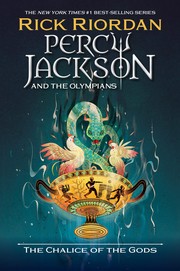
The Chalice of the Gods
Percy needs three recommendation letters from three gods to apply to college, so his first quest is recovering a stolen chalice from the god of old age.
2,106-word summary · 9 min read
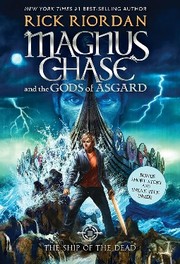
The Ship of the Dead
Magnus and his crew sail to the edges of the Norse worlds to stop Loki from launching Naglfar, the ship of the dead.
2,426-word summary · 11 min read
The Serpent's Shadow
Carter and Sadie Kane have three days to bind Apophis by his shadow before the serpent rises and unmakes the world.
2,941-word summary · 13 min read

The Throne of Fire
Carter and Sadie Kane have five days to wake the sun god Ra before the serpent Apophis breaks free and eats the world.
2,867-word summary · 13 min read
The Sword of Summer
A homeless Boston teen learns he is a Norse god son and dies on day one stopping a fire giant.
2,116-word summary · 9 min read

The Blood of Olympus
Seven demigods stop Gaia waking while Reyna brings Athena statue.
2,196-word summary · 10 min read
The Red Pyramid
Siblings Carter and Sadie Kane wake the Egyptian gods and must stop Set from destroying the world.
2,682-word summary · 12 min read
The House of Hades
Percy and Annabeth cross Tartarus while the five close the Doors of Death before Gaea wakes.
2,910-word summary · 13 min read
The Titan's Curse
Percy joins a winter quest to save Annabeth and Artemis with Thalia, Grover, Bianca and Zoe, facing Atlas and Luke under a hard Oracle prophecy on Mount…
2,229-word summary · 10 min read
The Sea of Monsters
Percy returns for a second summer as Camp Half-Blood loses its borders, Tyson is claimed as his brother, and the Golden Fleece waits past the Sea of Monsters.
2,056-word summary · 9 min read
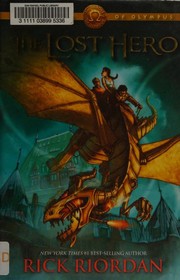
The Lost Hero
Jason wakes with no memory while Piper and Leo learn they are demigods sent to free Hera.
2,734-word summary · 12 min read
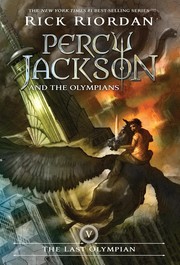
The Last Olympian
Percy Jackson turns sixteen as Kronos marches on Manhattan, forcing Camp Half-Blood into a final stand for Olympus beside Annabeth as the old prophecy demands…
2,564-word summary · 11 min read
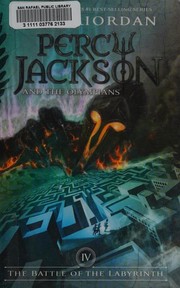
The Battle of the Labyrinth
Percy and Annabeth enter the shifting Labyrinth with Rachel Dare to stop Luke and Kronos from invading Camp Half-Blood.
2,924-word summary · 13 min read

The Lightning Thief
Rick Riordan's The Lightning Thief retold: Percy Jackson, Camp Half-Blood, the stolen bolt, and the road trip to the Underworld.
2,581-word summary · 11 min read
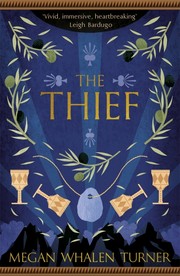
The Thief
A boastful young thief is pulled from a prison to steal a legendary stone for the king's magus, and the story he tells about himself is not the whole story.
2,514-word summary · 11 min read
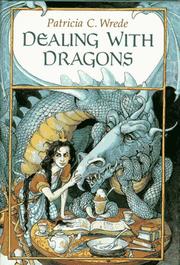
Dealing with Dragons
A princess who hates embroidery runs away to become the cook and librarian for a dragon, then has to outthink wizards, knights, and a plot against the dragon…
2,563-word summary · 11 min read
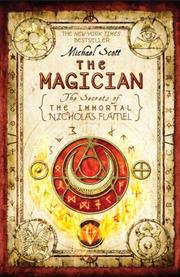
The Magician
Sophie and Josh flee to Paris with Nicholas Flamel, where John Dee, Machiavelli, and an awakened god close in on the missing pages of the Codex.
2,162-word summary · 10 min read
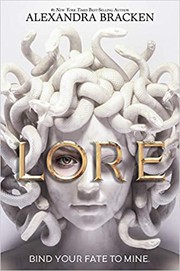
Lore
Lore Perseous, the last of a hunted bloodline, is pulled back into the Agon when a wounded Athena offers her revenge against the god who killed her family.
2,188-word summary · 10 min read
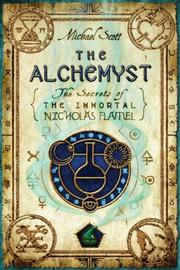
The Alchemyst
Twins Sophie and Josh learn their boss is Flamel as Dee steals the Codex minus two pages.
2,085-word summary · 9 min read
Children of Blood and Bone
White haired Zelie chases magic return with princess Amari hunted by Inan.
2,027-word summary · 9 min read
The Demigod Files
Three Percy Jackson side quests plus camp maps, cabin guides, interviews, and god profiles set before the final battle.
2,498-word summary · 11 min read
The Son of Neptune
Amnesiac Percy wakes at Camp Jupiter and quests to Alaska with Hazel and Frank to free Thanatos.
2,107-word summary · 9 min read
The Mark of Athena
Seven demigods sail for Rome where Annabeth must follow the Mark to the Athena Parthenos alone.
2,031-word summary · 9 min read

Inkdeath
The final Inkworld novel sends Mo into the land of the dead, leaves Meggie choosing between two boys, and ends the Adderhead's immortality with three written…
2,062-word summary · 9 min read
Hounded
A two-thousand-year-old druid runs a bookshop in Arizona, hides from an Irish god who wants his sword back, and talks to his dog.
2,159-word summary · 10 min read
Bone, Vol. 1: Out from Boneville
Three cartoon cousins are run out of Boneville, separated by locusts, and dropped into a valley where rat creatures and an old grudge are waiting.
2,155-word summary · 10 min read

Vow of Thieves
Kazi and Jase return to Tor's Watch to find it occupied, and their marriage is tested by captivity, betrayal, and a war for the town of Hell's Mouth.
2,059-word summary · 9 min read