
Reading options
What's inside (8 sections)
Getting Lost With Dante in the Dark Wood
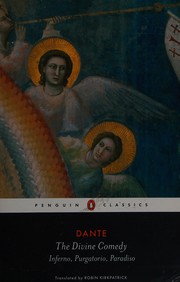
I will admit I avoided this book for years because it looked like homework. The edition I am talking about here is the Robin Kirkpatrick translation for Penguin Classics, 752 pages, ISBN 9780141197494, of a poem first put together around 1320. I finally sat down with it on a rainy stretch when I wanted something big and strange, and the opening pulled me right in. Dante, not as the grand old poet but as a scared middle aged man, wakes to find himself lost in a dark forest. He says straight out that he had wandered off the true path, and he does not dress it up. That honesty made me keep reading.
The setup is simple and also wild. It is Good Friday in the year 1300. Dante is thirty five, which he calls the middle of our life, and he is stuck. A leopard, a lion, and a she wolf block the hill toward light. Just as he is about to give up, the Roman poet Virgil shows up, sent by Beatrice, the woman Dante loved in Florence who has died and now watches over him from above. Virgil tells him there is only one way out and it goes down. You have to go through Hell, then up a mountain, then up beyond the stars. Dante agrees because he has no better plan.
What I love about this start is how personal it feels. Dante was in real exile from Florence when he wrote this, banned on pain of death because of city politics, and you can feel that loss behind the lost forest. Kirkpatrick keeps the language plain enough that you hear a tired human voice, not a marble statue. The first two cantos read almost like a panic attack turning into a road story. My advice is to read them slowly and let the fear land, because everything after builds on that feeling of having messed up your life and needing help to face it.
Walking Down Through Hell With Virgil
Inferno is the part most people know, and for good reason. Virgil leads Dante through a funnel shaped pit with nine circles, and each circle holds people punished for a specific kind of wrong. It starts with the unbaptized in Limbo, where Virgil himself belongs, then moves to the lustful blown about in wind, the gluttons in mud, the hoarders and wasters shoving weights, the angry fighting in a swamp. Then the city of Dis locks them out for a while, angels have to open it, and things get worse. Heretics in burning tombs, violent souls in boiling blood, suicides turned into bleeding trees, blasphemers under fire, sodomites running under flames, flatterers in filth, simonists upside down with feet on fire, fortune tellers with heads on backwards, barrators in boiling pitch guarded by demons with names like Barbariccia, hypocrites in lead cloaks, thieves tangled with snakes, false counselors in flames, sowers of division hacked apart, falsifiers sick and fevered. At the very bottom, in ice, sits Lucifer chewing on Judas, Brutus, and Cassius.
Two scenes stayed with me. In Canto 5, Francesca da Rimini tells how she and Paolo fell in love reading about Lancelot together, and then her husband killed them both. She speaks so sweetly that Dante faints from pity. Later, in Canto 33, Count Ugolino tells how he was locked in a tower with his sons and starved, and the horror is left hanging in a way that still chills me. Kirkpatrick is good at letting these voices sound distinct, so Francesca sounds tender and Ugolino sounds broken and furious. Dante the pilgrim often cries or gets angry, while Virgil scolds him or explains the rules, and that back and forth keeps the long walk from feeling like a lecture.
If I have a criticism, it is that Hell can feel repetitive if you read too fast. The pattern of meet a soul, hear a story, get a moral can blur after twenty cantos. I found it helped to read five cantos at a time and stop to picture the punishment. The images work best when you sit with them. The point is not just gore. Dante is sorting out what kinds of harm do the most damage to other people, and why cold betrayal is worse in his view than hot headed violence. You do not have to agree with his order to find it sharp.
Climbing the Mountain and Learning to Let Go
Purgatorio was the surprise for me. I expected more punishment, but this middle section is gentler and, in some ways, more moving. After climbing out past Lucifer, Dante and Virgil emerge to see stars again, then arrive at an island mountain with terraces for the seven faults people carry: pride bent under stones, envy with eyes sewn shut, anger in smoke, sloth running to make up for lost time, greed face down, gluttony starved thin, lust walking through fire. Nobody is stuck here forever. Everyone is moving up, cleaning off what they clung to, singing as they go. The mood is morning light and music after the darkness below.
Specific people make it stick. Manfred, the excommunicated king with a split eyebrow, waits patiently at the base and asks Dante to tell his daughter to pray for him. The musician Casella tries to sing a song for old friendship and they all pause until Cato tells them to keep moving. Statius, a Roman poet, joins them after feeling his own release like an earthquake. In the valley of the late repentant, Sordello embraces Virgil just for being a fellow Mantuan, which hits hard when you remember Dante cannot go home to Florence. The conversations are longer here, less about shock and more about habit, friendship, and how hard it is to change even when you want to.
Kirkpatrick handles this part with a lighter touch, and his notes help with the astronomy and prayers without drowning you. My only complaint is that the political passages about Italy and the church can feel dense if you do not know the history. I skimmed those speeches the first time and focused on the human meetings, then went back with the notes. That worked. The payoff is real. When Dante steps through the wall of fire and then sleeps and dreams and finally reaches the garden at the top, where Matelda picks flowers and explains the place, you feel actual relief. It earns its sweetness.
Rising Past the Stars With Beatrice
Paradiso is the hardest sell and also the most beautiful in flashes. Beatrice takes over from Virgil, because reason can only take you so far and love has to carry the rest, and Dante rises through the spheres of the Moon, Mercury, Venus, the Sun, Mars, Jupiter, Saturn, the Fixed Stars, the Primum Mobile, and then the Empyrean beyond space. The souls here do not suffer. They flash, sing, dance in patterns, form an eagle of just rulers, a ladder of contemplatives, a rose of saints. Dante keeps saying words fail, his memory fails, he saw more than he can tell. That repeated admission annoyed me at first, then moved me, because he is trying to describe joy that does not fit in sentences.
There are scenes I still think about. In the sphere of the Sun, Thomas Aquinas and Bonaventure praise each other’s rivals, which is Dante’s way of saying wisdom should heal fights, not feed them. In Mars, Dante meets his great great grandfather Cacciaguida, who tells him straight that he will be exiled, that he will learn how salty another man’s bread tastes and how hard another man’s stairs are to climb. It is a direct nod to Dante’s own life, and it lands like a hand on the shoulder. Near the end, St Bernard takes over for Beatrice because Dante needs a different kind of guide for the final vision, and Mary is shown as the still center of the rose. The last lines about love moving the sun and the other stars made me sit quiet for a while.
Fair warning, this section can test your patience. There is a lot of theology about light, order, free will, the moon’s spots, and divine justice. If you do not share Dante’s faith, some answers may feel too neat, especially about who ends up where. I did not agree with everything, and I got tired during the long doctrinal stretches in the middle spheres. What kept me going was treating it as a poem about desire. Dante wants to understand, wants to be close, wants to see clearly, and Beatrice keeps pushing him to look higher and think sharper. Read for that hunger rather than for proofs, and it opens up.
I woke in a dark wood and found Virgil waiting, and I understood this was a story about being rescued by attention and love.
What the Kirkpatrick Translation Does for New Readers
Kirkpatrick made choices that helped me a lot as a non specialist. He translates into a clear blank verse that follows Dante’s pace without forcing awkward rhymes, and he keeps the diction plain but lifted, so it sounds like poetry without sounding fake old. The Italian is on the facing page in this Penguin edition, which I loved even though my Italian is basic. I could hear the sound, catch repeated words like luce and amore, and then lean on the English for sense. His introduction explains why he kept certain terms and how Dante mixes street speech with high style, and that helped me stop expecting everything to sound lofty.
The notes and maps are practical. They tell you who Farinata degli Uberti was, why Brunetto Latini matters so much to Dante, what Ulysses’ false voyage means, and where the rivers and walls sit. They do not spoil the feeling by over explaining every symbol. I also liked that Kirkpatrick lets Dante be rough when Dante is rough. The insults in Hell still sting, the demons still sound crude, the lovers still sound tender. Some translations smooth everything into church English, and this one does not. Canto 26 with Ulysses urging his men to chase knowledge past the limits still reads like a cold wind, proud and doomed at once.
No translation is perfect. If you love strict terza rima in English, you will miss the chain rhyme here, since Kirkpatrick favors sense and momentum over rhyme. A few passages in Paradiso feel plainer than the Italian suggests, and you sometimes need the note to catch a pun or a name. But as a first full way through, I found this version steady and humane. The book itself is thick, 752 pages, and it looks intimidating, yet the layout with short cantos makes it easy to read in small sittings. Keep a ribbon in the notes and another in the poem and you will be fine.
Why It Still Hits and Where It Drags for Me
What lasts for me is not the map but the meetings. Dante remembers specific faces from his city, his books, his wars, and he gives them a few lines to speak for themselves. Farinata rising from his tomb to talk politics as if Hell were still Florence, Brunetto running alongside on the burning sand and calling Dante his son, Pier delle Vigne bleeding words from a thorn bush, the neutral angels stung by wasps, the suicides, the flatterers, the weeping penitents on the mountain, Piccarda in the Moon happy with her smaller place, all of them feel observed rather than invented. Dante is harsh, sometimes too harsh by my lights, especially toward sexual sins and toward his political enemies, yet he also faints, weeps, apologizes, and gets corrected. That mix of judgment and pity feels human.
Where it drags is where Dante the teacher elbows out Dante the traveler. Long stretches about the church, the empire, and the stars can feel like being stuck in a sermon when you wanted a story. Readers who come only for Hell may stall in Purgatorio’s gentler middle or Paradiso’s brightness. I did at first. What helped was changing my pace, reading aloud a little, and accepting that boredom sometimes signaled I was skimming a real question about pride or envy or greed that applied to me. The poem asks you to examine your own habits, not just watch others burn or shine, and that can be uncomfortable.
I finished feeling fond of Virgil’s tired care, Beatrice’s bright impatience, and Dante’s stubborn need to see. I do not share all of his beliefs about sin and reward, and I winced at some of his scorn, but I admired his nerve in putting friends, heroes, popes, and himself into one vast picture and then walking through it to learn. If you try it, give yourself weeks, not days. Read Hell for the stories, Purgatory for the slow repair, Paradise for the music and light, and let the end come as it comes. The final vision does not explain everything, and I think that is the point. Love moves, and we follow as best we can.
FAQ
Do I read all three parts in order?
Yes, start with Inferno, then Purgatorio, then Paradiso, since the journey builds step by step.
Is this Penguin edition good for beginners?
Yes, facing Italian, plain verse, maps, and notes make the long poem easier.
Similar books
Inferno
Dante, lost at thirty-five, follows Virgil down through nine circles of Hell, from Limbo to the ice, and climbs back toward the stars.
3,131-word summary · 14 min read
The Epic of Gilgamesh
Gilgamesh loses Enkidu, then seeks endless life past the flood.
2,246-word summary · 10 min read
The Canterbury Tales
Pilgrims riding to Canterbury trade bawdy, holy, and sly tales while the Host keeps score at the Tabard Inn.
2,002-word summary · 9 min read
Sonnets & Poems
154 sonnets plus Venus and Adonis and other poems on time, love, and fading beauty.
2,341-word summary · 10 min read

The Night Before Christmas
A father watches St Nicholas arrive with reindeer on Christmas Eve in classic poem.
1,986-word summary · 9 min read
The Aeneid
Trojan Aeneas flees burning Troy for Italy, losing Dido and friends before warring to found a line that becomes Rome.
2,080-word summary · 9 min read
The Great Divorce
A bus from Hell to Heaven tests whether ghosts will trade pride and habit for joy.
2,045-word summary · 9 min read
The Tell-Tale Heart and Other Writings
Mad narrators, Dupin puzzles, mournful poems, and Pym in one Bantam collection.
2,333-word summary · 10 min read

World Without End
Four children witness a killing, then plague, war, and church shape builder, healer, peasant, lord.
1,999-word summary · 9 min read
The Prophet
A prophet delayed twelve years answers his city on love, work, sorrow and freedom before his ship sails.
2,852-word summary · 13 min read

The Complete Works of Edgar Allan Poe
The full Poe shelf in one volume: mad narrators, rotting houses, Dupin, and the Raven.
2,183-word summary · 10 min read
Beowulf
An anonymous Old English epic in Heaney's Norton translation: Beowulf faces Grendel, Grendel's mother, and a dragon across a lifetime of fame and cost.
2,810-word summary · 12 min read
The Iliad
Achilles quits the fight over Briseis, Patroclus falls to Hector, and Troy burns toward its fate in Homer's war epic.
2,320-word summary · 10 min read
The Odyssey
Homer's Odyssey in Fagles translation: Odysseus fights home past Cyclops, Circe, and Sirens while Telemachus seeks news and Penelope stalls suitors in Ithaca.…
2,504-word summary · 11 min read
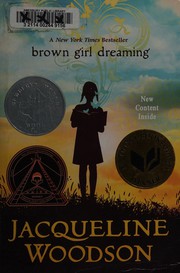
Brown Girl Dreaming
Jacqueline Woodson retells her childhood in verse, moving from Ohio to South Carolina to Brooklyn while the civil rights movement reshapes the world around her.
2,727-word summary · 12 min read

The Secret of the Nagas
Shiva hunts the Naga who attacked Sati, discovers her hidden twin sister and lost son, and follows the trail to the Naga capital of Panchavati.
2,442-word summary · 11 min read
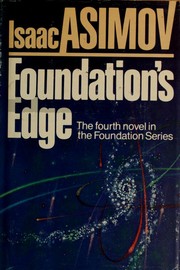
Foundation's Edge
Exiled councilman Golan Trevize hunts for the Second Foundation and the lost world of Earth, and finds a planet with one mind waiting to change the galaxy.
2,335-word summary · 10 min read
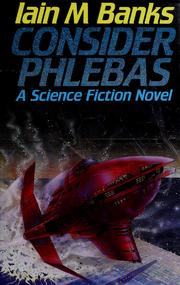
Consider Phlebas
The first Culture novel follows a spy for the opposing side, a man hired to hunt a fugitive through a war between an anarchist post-scarcity utopia and a…
2,350-word summary · 10 min read

Ivanhoe
A disinherited Saxon knight, a great tournament, a besieged castle and a trial by combat. Scott's most famous novel, set in England in 1194.
2,834-word summary · 13 min read

Doctor Zhivago
A doctor and poet lives through revolution, war, and love in Pasternak's novel of private life under the pressure of Russian history.
2,213-word summary · 10 min read
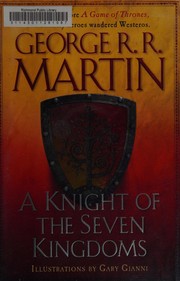
A Knight of the Seven Kingdoms
Three novellas follow Ser Duncan the Tall and his squire, Egg, through tourneys, feuds, and conspiracies in Westeros ninety years before A Game of Thrones.
2,059-word summary · 9 min read
The Complete Poems of Emily Dickinson
Thomas H. Johnson's one-volume edition gathers all 1,775 of Emily Dickinson's poems in their restored texts, the standard reading edition since 1960.
2,191-word summary · 10 min read
The Battle for Skandia
Will and Evanlyn are still hiding in the Skandian mountains when Halt and Horace arrive with word of a Temujai invasion that could roll on to Araluen next.
2,248-word summary · 10 min read
Letters to a Young Poet
Rilke's ten letters to a young officer cadet refuse easy criticism and ask whether he must write, offering patience and solitude as a way of life.
2,530-word summary · 11 min read
The Last Kingdom
Kidnapped by Danish raiders as a boy and raised in their halls, Uhtred of Bebbanburg must choose what he is when the fight for England begins.
1,997-word summary · 9 min read

Clap When You Land
Two half sisters, one in Sosúa and one in Queens, discover each other after their father dies in a plane crash, in Elizabeth Acevedo's novel in verse.
2,890-word summary · 13 min read
Ubik
A psychic agency crew dies in a blast and reality decays unless a spray called Ubik saves them.
2,674-word summary · 12 min read
The Swiss Family Robinson
Shipwrecked Robinsons build treehouses and tame island beasts.
2,400-word summary · 11 min read
The Red Badge of Courage
Henry Fleming runs at Chancellorsville, then returns to stand.
2,486-word summary · 11 min read
Pygmalion
Higgins bets he can pass flower girl Eliza off as a duchess.
2,521-word summary · 11 min read