

Reading options
What's inside (8 sections)
I picked up Pygmalion because I kept hearing Eliza Doolittle described as an early feminist hero in a comedy about accents, and I wanted to see if that reputation holds. It does, mostly, though not in the way I expected. The play came out in 1913, and the Penguin edition I read runs 176 pages with ISBN 9780141439501. It is short enough to read in an evening, but it kept me thinking for days about class, speech, and who gets to claim credit for changing another person.
Shaw sets the whole bet in motion on a rainy London night and then spends five acts testing what that bet costs. Henry Higgins, a phonetics expert, boasts he can take flower girl Eliza and pass her off as a duchess by training her speech and manners. His friend Colonel Pickering takes the wager. What follows is funny, uncomfortable, and sharper than the musical version suggests.
Covent Garden and the bet
The opening happens outside Covent Garden opera house just after eleven at night. Eliza is selling violets, shouting in a loud Cockney accent to attract buyers. A crowd gathers around a man taking notes, who turns out to be Higgins, writing down exactly how people talk. A gentleman in the crowd, Pickering, has come from India to meet Higgins because both study Indian dialects. They discover a shared interest and go off to dinner.
Eliza follows Higgins the next day to his rooms at 27A Wimpole Street. She offers to pay for lessons, saying she wants to work in a flower shop instead of hawking violets in the street. Higgins is rude to her from the start. His housekeeper Mrs Pearce scolds him about bathing, manners, and swearing. Pickering, more polite, offers to pay for the experiment and insists Higgins treat it as a proper test. Higgins agrees he can turn Eliza into a lady in six months.
What struck me here is how transactional everyone is. Eliza sees speech as a tool for rent and respect. Higgins sees her as material for phonetics. Pickering sees a chance to fund interesting work. Nobody talks about whether Eliza wants the life of a duchess. She wants steady work and a small shop. That gap drives the rest of the play.
Shaw also introduces Alfred Doolittle, Eliza father, a dustman with a gift for talk. He arrives to demand money for his daughter, claiming moral rights as a parent. Higgins and Pickering are amused and give him five pounds. Doolittle leaves happy, saying he will spend it. He has no interest in respectability. He wants enough to drink and to enjoy the week. His scenes steal the early acts because he says out loud what Higgins only implies, that middle class morality is often about money with better excuses.
Wimpole Street lessons
The middle acts stay almost entirely in Higgins laboratory and drawing room. Mrs Pearce washes Eliza, burns her old clothes, and dresses her in new ones. Eliza hates the cold bath and the change. Higgins drills her on vowels, consonants, and breathing. He uses marbles, mirrors, and endless repetition. Pickering watches, takes notes, and treats Eliza with basic courtesy that Higgins rarely manages.
Shaw is good on the grind of this. Eliza practices late, cries, nearly quits, and then gets a sound right and lights up. Higgins praises the sound, not the person. He calls her a baggage, a presumptuous insect, and other names when she slips. Mrs Pearce warns him that manners matter as much as pronunciation. Higgins waves her off. He thinks phonetics plus dress equals a lady.
A small detail I appreciated was how Shaw shows class as performance plus confidence. Eliza learns to say her aitches and to speak in a low, even tone. She also learns when to stay quiet, how to enter a room, how to hold gloves and a bag. The training is physical as well as verbal. Higgins cares about sound waves. Mrs Pearce cares about whether Eliza can sit through tea without being mocked. Both turn out to be right. Eliza needs both to survive the tests ahead.
This section drags a little if you expect constant plot. Much of Act Two and Three is talk about talk. Higgins lectures about English, about how a woman from Lisson Grove can sound like a duchess with training, about how Kerb and park differ. Shaw loved this subject and lets Higgins run on. Some speeches feel like essays put in a character mouth. I skimmed a passage or two on second reading. Still, the talk sets up the payoff. When Eliza finally speaks prettily, you know what it cost her in sore throats and humiliation.
Ascot, the tea, and the Embassy ball
Shaw tests Eliza in three social trials. First Higgins takes her to his mother house on a Thursday at home day. Mrs Higgins is sensible and sees through her son. Eliza arrives in fine clothes and speaks with careful, pretty pronunciation, but her topics are all wrong. She talks about her aunt dying, about gin, about her father drinking. The effect is comic because the accent is refined and the stories are street level. Two young visitors, Freddy Eynsford Hill and his sister Clara, are charmed. Freddy falls for Eliza on the spot. Mrs Higgins warns her son that the experiment is unfair and that Eliza will have nowhere to go after.
The second test is Ascot. Eliza watches races and forgets herself, shouting slang when a horse runs. The crowd stares. Higgins covers with a story that she is speaking a new fashionable small talk. It mostly works because rich people assume eccentricity means style. That joke still plays. People forgive odd behavior if clothes and accent signal status.
The third test is the Embassy ball. We do not see it on stage. Shaw reports it through Higgins, Pickering, and Mrs Higgins. Eliza passes completely. A Hungarian phonetics expert declares her accent too perfect to be English and assumes she is Hungarian royalty. Higgins and Pickering celebrate their win and ignore Eliza. That neglect is the point. The men shake hands on a job well done while the woman who did the work stands nearby in a borrowed dress with no plan for morning.
I found this stretch both funny and sour. Funny because Eliza retelling of her aunt death in polished vowels is great stage comedy. Sour because success does not free her. It strands her. She cannot go back to selling flowers with her new speech, and she cannot live as a lady without money. Higgins never thought past the ball. Pickering paid the bills but made no provision. Mrs Higgins is the only one who names the problem plainly.
The fight after midnight
The famous quarrel happens back at Wimpole Street after the ball. Higgins complains about his slippers, talks about the triumph, and asks Eliza to fetch things as if she is still staff. Eliza throws his slippers at him. She demands to know what is to become of her. Higgins suggests she marry someone, or work in a flower shop with his recommendation, or live as a companion. He offers no money, no apology, no thanks.
Eliza answers with more force than he expects. She says she can do without him, that she has learned self respect along with speech, that his manners are worse than hers despite his learning. She points out that Pickering gentleman behavior taught her as much as lessons, because he treated her as a person. Higgins is genuinely surprised. He is used to deference. He tries bullying, then coaxing, then philosophy about making her a duchess in soul as well as speech.
Mrs Pearce and Pickering mostly watch. Pickering sides with Eliza more than Higgins does. He calls Higgins inconsiderate. Higgins admits he treats everyone alike, high or low, which he thinks is fair. Eliza says that is exactly the trouble. Treating a flower girl like a duke in manners means rudeness to both. She wants thanks and a future, not theories.
This act is why the play lasts. Eliza refuses to be grateful on command. She says Higgins made her fit for something better than the street but unfit for her old life, and now she must find a way herself. Higgins calls her ungrateful. She calls him a bully who cannot see past his own cleverness. Both have a point, which keeps the scene from turning into a simple lecture. Higgins did give her tools. He did not give her choice.
A weakness here is that Higgins never really changes. He apologizes in form but not in substance. He offers Eliza a place as his assistant, to take notes and fetch things, as if that settles the debt. Modern viewers may want him punished or reformed. Shaw does not do that. He leaves Higgins clever, selfish, and oddly needy, still talking as Eliza walks to the door.
Doolittle money and Freddy love
While Eliza and Higgins fight, her father returns transformed and miserable. An American moralist to whom Higgins jokingly recommended Doolittle as a speaker has died and left Doolittle three thousand a year to lecture on morality, provided he stays respectable. Doolittle hates it. He has to live by rules, turn away friends, pay debts, and marry his longtime partner. Respectability, he says, is a trap. Money made him a prisoner.
The parallel is clear without being forced. Eliza was lifted by speech training into a class she cannot afford. Doolittle was lifted by money into a class he does not want. Both show that class in England is less about merit than about codes, cash, and who vouches for you. Doolittle scenes get big laughs, but his complaint is serious. Help that ignores what a person wants can feel like harm.
Eliza leaves Wimpole Street and spends the night with Mrs Higgins. Freddy, who has been writing her silly letters, finds her and offers devoted, useless love. He has no money and no trade, but he adores her and will do what she says. In Shaw prose sequel printed with the play, Eliza marries Freddy and opens a small flower and vegetable shop with money from Pickering and her own savings. Higgins keeps interfering with advice. She keeps ignoring most of it.
Some readers dislike this ending. They want Eliza to marry Higgins, as many stage and film versions imply, or to punish him by leaving for good. Shaw insisted in his sequel essay that Eliza would not marry Higgins because she knows him too well and needs affection and respect that he cannot give. Freddy, for all his weakness, loves her and works in the shop once she trains him. It is not romantic in a grand sense. It is practical. Eliza chooses a partner she can manage over a master who would manage her.
I have mixed views on the sequel. On one hand it gives Eliza a future with work and independence, which the stage action lacks. On the other hand it reads like Shaw arguing with his audience rather than letting the play speak. He spends pages explaining why Eliza marries Freddy, how the shop succeeds, how Higgins remains part of their lives as an advisor and pest. The tone is brisk and amused, but it tells more than it shows. I would rather see Eliza decision on stage than read Shaw defense of it after.
What works and what creaks
What works best is Eliza arc from asking for lessons to demanding terms. Her early Cockney scenes are vivid without mockery. Shaw gives her wit and pride even when her grammar is rough. Her later polished scenes keep that wit. She is not a statue brought to life by a male genius, despite the title reference to the Greek myth. She takes what Higgins offers and uses it for her own ends. Mrs Higgins and Mrs Pearce help more than they are credited for, modeling how women survive male cleverness with plain sense.
Higgins is a great comic creation and a hard man to like. He is brilliant on sounds, blind on people. He brags, forgets names, loses tempers, and apologizes badly. Audiences laugh at his rudeness and then wince when Eliza pays for it. That mix is intentional. Shaw based Higgins in part on real phoneticians and gave him real skill, so his arrogance has roots. Still, long speeches about the English language can feel like Shaw showing off. A modern production I saw cut about ten minutes of phonetics talk and lost nothing in story.
Pickering is often played as sweet but dull. I think he matters more. His politeness is the control in the experiment. Eliza learns that speech alone does not make a gentleman. Behavior does. Pickering calls her Miss Doolittle, pays without fuss, and thanks her. Higgins calls his method science and forgets thanks entirely. The contrast teaches Eliza what to demand.
Staging limits show in places. The ball is off stage. The lessons are mostly reported. Much of the play is people in rooms talking about what just happened elsewhere. Readers may feel this more than theater goers, since actors can fill talk with business. On the page, Acts Two and Four read long. Shaw stage directions help, with notes on furniture, bells, and how Eliza holds herself, but they cannot replace performance.
Language politics also date the play in useful ways. Higgins claim that a woman speech decides her future sounds crude now, yet accent bias still shapes hiring and schooling. Eliza wish for a small shop rather than marriage or fame feels modern. Doolittle complaints about charity with strings feel current too. The play argues that changing how someone sounds without changing what options they have is half a job. That point lands harder today than any phonetics lecture.
Content notes for new readers. The text includes class slurs, insults aimed at poor women, and rough talk about drinking and sex work in Victorian London. Higgins verbal abuse of Eliza is constant, including name calling and shouting. There is no physical violence on stage beyond a thrown pair of slippers, but the power gap is clear. Doolittle talks frankly about money, marriage, and drink. The Penguin edition adds a preface on phonetics and a sequel essay that some may find didactic. No sex scenes, no gore. The harm is social and verbal, which is exactly Shaw subject.
If you only know the musical, read the play for the cooler ending and the angrier Eliza. She does not return with a song. She leaves with a plan, takes help from women and from Pickering, marries a kind fool she can train, and keeps Higgins at arm length while using his contacts. Higgins keeps his genius and loses his creation. That trade seems fair. Shaw bets, like Higgins, that training can pass a flower girl as a duchess. He wins the bet and then asks who paid for the tickets. The answer is Eliza, in sore throats, lost work, and long nights of practice. Remembering that cost makes the comedy better, not worse.
FAQ
Does Eliza marry Higgins at the end of Pygmalion?
No. Higgins trains her speech and manners and she passes at the Embassy ball, but she leaves him, stays with Mrs Higgins, and later marries Freddy Eynsford Hill to run a flower shop.
When was Pygmalion first performed, and which edition is used here?
It was first staged in 1913. This post follows the Penguin edition, 176 pages, ISBN 9780141439501, which includes Shaw preface and sequel essay.
Is Pygmalion suitable for classroom reading?
Yes for teens and up. Expect constant verbal insults from Higgins, class slurs, talk of drinking and poverty, and a thrown pair of slippers, but no sex scenes or gore.
Similar books
Rosencrantz and Guildenstern Are Dead
Stoppard's 1966 play retells Hamlet from the wings, where two minor courtiers wait, joke, and walk toward a death they cannot see.
2,021-word summary · 9 min read
A Raisin in the Sun
Lorraine Hansberry's 1959 play follows the Younger family as a $10,000 insurance check, a house in a hostile neighborhood, and a stolen investment test their…
2,444-word summary · 11 min read
The Glass Menagerie
Tom Wingfield recalls St. Louis life with his mother Amanda and shy sister Laura, until a gentleman caller comes to dinner.
2,953-word summary · 13 min read

A Doll's House
Nora forges a loan to save Torvald, then walks out on doll life at Christmas.
2,468-word summary · 11 min read
A Streetcar Named Desire and Other Plays
Blanche DuBois moves in with Stella and Stanley in New Orleans while her past closes in, plus two more Williams plays.
2,902-word summary · 13 min read
The Swiss Family Robinson
Shipwrecked Robinsons build treehouses and tame island beasts.
2,400-word summary · 11 min read
The Red Badge of Courage
Henry Fleming runs at Chancellorsville, then returns to stand.
2,486-word summary · 11 min read

The Epic of Gilgamesh
Gilgamesh loses Enkidu, then seeks endless life past the flood.
2,246-word summary · 10 min read
Sonnets & Poems
154 sonnets plus Venus and Adonis and other poems on time, love, and fading beauty.
2,341-word summary · 10 min read
Ulysses
Bloom, Stephen, and Molly cross Dublin on June 16 1904 in parallel to Odyssey, from breakfast to night bed yes.
2,222-word summary · 10 min read
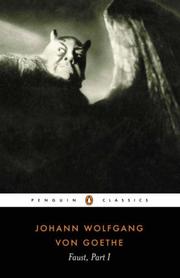
Faust, Part One
A restless scholar bets his soul against one perfect moment, then ruins an innocent girl in Goethe's 1808 verse tragedy.
2,568-word summary · 11 min read
The Taming of the Shrew
Petruchio woos sharp-tongued Kate while suitors scheme for sweet Bianca in Shakespeare's rowdy early comedy of marriage and disguise, first printed in 1623.
3,605-word summary · 16 min read
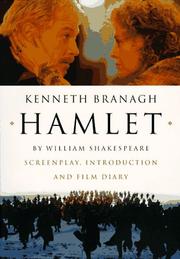
Hamlet: Screenplay, Introduction and Film Diary
Kenneth Branagh's 1996 book pairs his full four hour Hamlet screenplay with an intro on staging it uncut and a diary from the 70mm shoot at Blenheim Palace.
2,903-word summary · 13 min read
Twelfth Night
Viola disguised as Cesario woos Olivia for Orsino while a forged letter ruins Malvolio in Illyria.
2,546-word summary · 11 min read
The Merchant of Venice
Antonio borrows from Shylock to fund Bassanio, Portia picks suitors by chests, and a courtroom bond comes due.
2,950-word summary · 13 min read
Waiting for Godot
Two tramps wait by a tree for Godot who never comes, with jokes, boots, and silence.
2,045-word summary · 9 min read
The Tempest
Prospero raises a storm to wreck his enemies on his island, where his daughter meets a prince and old wrongs face trial.
2,890-word summary · 13 min read
Julius Caesar
Brutus joins Cassius to kill Caesar for Rome, then loses Rome to Antony words and Octavius swords.
1,916-word summary · 9 min read
The Importance of Being Earnest
Jack and Algernon invent Ernest to court Gwendolen and Cecily until fiction collapses.
2,538-word summary · 11 min read
Othello
Iago's lies drive the Moor of Venice to murder his innocent wife in Shakespeare's tragedy of jealousy.
2,409-word summary · 11 min read
The Crucible
Salem witch trials inflame fear as John Proctor faces confession and conscience.
2,572-word summary · 11 min read
A Midsummer Night's Dream
Four lovers flee to a forest where fairies mix them up, while workmen rehearse a play for a duke's wedding.
2,597-word summary · 12 min read
Macbeth
Macbeth hears witches hail him king and murders Duncan with Lady Macbeth pushing him on.
4,056-word summary · 18 min read
Hamlet
Hamlet sees his father's ghost in Elsinore and pretends madness to test Claudius and Gertrude while Denmark slides toward duel and death.
2,996-word summary · 13 min read
The Book Thief
Markus Zusak's The Book Thief retold: Liesel in Molching, Hans and Rosa, Max in the basement, and Death as narrator.
2,560-word summary · 11 min read
Romeo and Juliet
Shakespeare's Romeo and Juliet retold: Verona feud, balcony, Friar's plan, and why the last minutes collapse.
2,531-word summary · 11 min read
The Long Winter
Dakota Territory, 1880: seven months of blizzards cut a town off from the railroad, and a family survives on twisted hay, ground wheat, and a dangerous wheat…
2,210-word summary · 10 min read

The Crying of Lot 49
A California woman named executor of her ex-lover's estate follows a muted post horn into a possible centuries-old postal conspiracy, and Pynchon refuses to…
2,003-word summary · 9 min read
Silas Marner
A falsely accused weaver hoards gold in Raveloe until a stolen hoard and an abandoned child remake his narrow life.
2,699-word summary · 12 min read

Revolutionary Road
A Connecticut couple who believe they are too good for the suburbs plan to move to Paris, and the plan slowly exposes everything they cannot say to each other.
2,085-word summary · 9 min read