
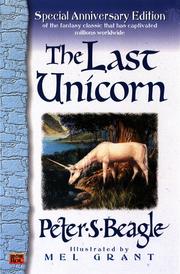
The Last Unicorn
2,245-word summary 10 min read 212 pages in the book
- First published
- 1968
- Publisher
- Ace Books
- Pages
- 212
- ISBN
- 9780451450524
- Series
- The Last Unicorn (#1)
Reading options
What's inside (8 sections)
I came to this book through the film songs, which I knew for years before I read a page. A friend kept a battered paperback and warned me it was sadder than it looks. She was right, though not in the way I expected. This is a short fantasy novel, about 212 pages in the Ace Books edition from 1968, and it reads like a fairy tale told by someone who has stopped trusting fairy tales.
The shape is simple. A unicorn learns she may be the last of her kind and leaves her safe wood to find the others. She travels with a magician who cannot work magic right and a woman who waited too long for wonder. They walk toward a gray castle by the sea, where a joyless king keeps a monster in his cellars. Peter S. Beagle tells it in plain, musical prose, funny for long stretches, then painful at the close.
Beagle loves detours. He stops for innkeepers and talking cats and restless ghosts and towns with petty curses. Sometimes those stops charmed me. Sometimes I wanted the road to move faster. Both reactions belong in any honest account of this book.
The unicorn leaves her garden
At the start the unicorn lives in a wood of lilacs where spring never ends. No animal hunts there. Travelers pass through and feel calm without knowing why. She is very old. She has never known fear or hunger.
Two hunters ride through one day. One remarks, almost in passing, that unicorns are gone from the world and she must be the last. The unicorn cannot shake the words.
She questions the other beasts, but they know nothing. A stag tells her that unicorns are only tales now. That frightens her more than the hunter did. Her wood has kept her safe and ignorant in equal measure. If she stays, she will live on in comfort and never learn what became of her people.
So she goes.
The opening moves slowly. Beagle spends pages on light in leaves and deer at water. I liked that patience because it sets the cost. She trades an untroubled forever for roads and thirst and risk.
On the road she meets a butterfly that speaks in scraps of songs and plays. It takes long coaxing to get sense from him. Buried in the chatter is a clue. The unicorns were driven off by a creature called the Red Bull, serving a king by the sea.
It is a thin thread to follow, a rumor from a mind that cannot hold still. She follows it because there is nothing else.
Schmendrick the failed magician
The unicorn is soon caught by Mommy Fortuna, who runs a traveling show called the Midnight Carnival. Fortuna holds a manticore and a satyr and other worn beasts, most of them fake or drugged for the crowd. She has some true skill, of a mean and greedy kind, and she knows what the unicorn is.
She lays a spell so visitors see a white mare instead of the true form. That trick matters. In this book most people fail to see magic even when it stands before them.
Working for Fortuna is Schmendrick, a tall, clumsy stage magician. His tricks fail. His patter runs too long. Fortuna keeps him because his failure amuses the crowd. Under the act he knows a good deal. He was taken young by a wizard named Nikos and trained without ever coming into his strength. He does not age as other men do. He waits, stuck between apprentice and master.
One night he frees the unicorn. In the confusion he also frees Celaeno the harpy, the one true horror in the show. The harpy kills Fortuna and her helper Rukh and flies away screaming. The unicorn runs. Schmendrick runs with her.
I keep returning to Schmendrick. He announces his own failure before anyone else can. He makes large promises and keeps them by accident. Beagle could have made him a wise guide. Instead he is kind, talkative, often useless in a fight, brave only when no exit is left.
With him the tone turns chatty. He explains men to the unicorn. She corrects him about unicorns. They argue about courage and hunger and time. She has never been hungry. He often has.
One fair gripe. Schmendrick gets long comic speeches that halt the march. If you enjoy wordplay you will smile. If you want the search to press on, you will wish someone told him to walk and talk at once.
Molly Grue and Captain Cully's men
This middle stretch is episodic, and readers should know it sags in places.
Schmendrick and the unicorn fall in with Captain Cully, a poor copy of Robin Hood, and his hungry band in the greenwood. Cully talks justice and robs whoever passes. His wife Molly Grue cooks and mends and watches with flat eyes.
Molly sees the unicorn at once. No disguise fools her. She weeps with anger rather than joy. She believed as a girl, then grew into a hard life with men who play at outlaws. To have proof arrive now, when she is middle aged and worn, feels cruel.
Her greeting is bitter. Where were you when I was young and needed you. That scene is the center of the book for many, and for me as well. It states the price of late wonder in plain speech.
Molly joins them when they leave. She does not ask Cully. Cully does not stop her. That tells you what their marriage became. He loves stories. She has stopped loving stories and clings to the one true thing she has seen.
They also pass through Hagsgate, a blunt, frightened town under a curse tied to an old wrong and a lost child, with a talking cat and a restless corpse to point the way. I will not map every turn. The fun is in Beagle's telling.
Still, Hagsgate runs long for what it gives. The cat amuses. The ghost touches. But the town serves mainly to point toward King Haggard's castle and his adopted son, Prince Lir. Ten fewer pages would have done it.
What holds these chapters is Molly. She cooks, scolds Schmendrick, sleeps near the unicorn. She has no power and no storybook beauty. She keeps walking when Schmendrick wants to quit. Her blunt talk keeps the book on the ground.
King Haggard and the Red Bull
Haggard holds a gray castle on a cliff above the sea. He is old and thin and bored. He loves nothing except one feeling. When unicorns move in the surf below, he knows brief happiness.
To keep that, he has had the Red Bull drive the unicorns into the sea. They live in the waves now, running back and forth, looking from shore like white foam. Only Haggard knows what they are. He watches them as another man might watch drink set aside for hard nights.
The Bull is huge and red and silent. It does not argue or explain. It scents unicorns and drives them before it. It dens in the passages under the castle and comes out when Haggard wills.
I found the split effective. Haggard is no dark wizard with bright spells. He is a tired holder of power who found one thing that eases his emptiness and will pay any price to keep it. The Bull is the force. Haggard is the cold wish behind it.
Prince Lir complicates matters. He is young, handsome, strong, and plain in thought. The town folk expect him to break curses and bring Haggard down. Schmendrick calls him a hero from songs. Molly sees more in him. Beagle treats him kindly. He lets Lir be slow with words and quick to act, and never mocks his courage even while mocking his verses.
When the travelers reach the castle they take service. Schmendrick plays court magician. Molly works in the kitchen. The unicorn cannot enter as herself, for the Bull would scent her. So Schmendrick works the one great magic of his life and turns her into a woman.
She fights it. Her body is her self. The spell holds. Where the unicorn stood there is a young woman with pale hair who cannot walk steady or bear hunger. They call her Amalthea.
A criticism fits here. Haggard's motive never grows past the first statement. He cannot make joy, so he hoards it. That serves a fairy tale, but beside Molly and Schmendrick he can feel thin. His late talks with Molly over wine, and his puzzled talks with Amalthea, add shape. I still wanted one scene showing how he bound the Bull or why the sea prison holds. Beagle prefers mood to method in this part.
Amalthea the woman
As Amalthea, the unicorn forgets herself by inches.
At first she recalls the wood and hates clothes and cooked food and sleep. She hates being slow. She begs Schmendrick to turn her back. He cannot. The spell is past his recall, and only great need will undo it.
Lir loves her at once. He writes poor poems. He hunts and drills to impress her. She barely sees him, her mind still half in the lilac shade. Slowly that changes. Feeling seeps in. She learns to weep. She learns a tiredness that sleep will not fix. She starts to care if Lir lives or dies.
Beagle takes his time here, and mostly earns it. Amalthea fails at small tasks, sits too still, stares at the sea as if she knows the shapes in the foam. Molly watches with pity, knowing what it is to love what cannot stay. Schmendrick watches with guilt, fearing he saved her by spoiling her.
Lir grows too. Adoration that wins no praise forces him to act without a crowd. He trains, listens, asks instead of reciting. His shift is quiet and sound. When danger comes, you trust he will stand.
The castle scenes charmed me. Kitchens full of gossip. A cat who knows too much. Haggard across the table, stirred by Amalthea without naming why. Everyone smiles. No one is safe.
The pace does slacken. Songs and dreams and talks on love repeat the same ache. There is a tale of old lovers that states what we already know. Beagle loves his own voice here and explains twice what once would carry.
What saves it is the detail of the body. Amalthea blisters, bleeds, shivers, craves food and rest and touch. None of this is pretty in a storybook way. It is awkward and new to her. When she at last takes Lir's hand, it reads less like a prize moment and more like someone choosing warmth after long cold.
The return to the sea
The Bull comes for Amalthea at the last, as it must.
Haggard sets it loose, sensing she is the final free unicorn. She runs through the castle and down to the shore in a woman's shape, slow and terrified. Lir runs with her. Schmendrick and Molly follow.
At the water Schmendrick finds his strength. Shame and love break the block held since boyhood. He speaks the reversal and makes her a unicorn again. The change is fierce and glad. White and shining and angry, she turns on the Bull.
Lir stands with her, a man with a sword against a horror. He is cut down, though Beagle tells it softly, and lives just long enough to be known as a true hero. The unicorn wounds the Bull and drives it into the surf. The sea breaks open. The captive unicorns rush out in a white wave, and Haggard's tower falls as they pass.
Haggard falls with it, watching to the end, glad to see them free and grieved to lose his one happiness. Beagle grants him no pardon and no torment. He simply ends with his store gone.
Then the part that stayed with me. The freed herd runs for woods and skies. Lir is buried with honor and the town curse lifts. Schmendrick, truly a magician now, learns he will age and die like other men, and takes the news with relief. Molly gains no youth back, only the sight she waited half a life to see.
And the unicorn is changed. As Amalthea she learned love and grief and regret. Unicorns do not know those things. She does now. She can never go back to the untroubled spring she left. She thanks Schmendrick in her own proud way, and leaves.
That is why the book lasts. Most quests end with the prize restored. Here the prize is restored and the finder is marked by the finding. She saved her people by becoming what they are not, and she cannot unlearn it.
Should you read it. Yes, if you like fantasy that cares more for persons than for systems. No schools of power here, no maps to memorize. A failed wizard learning limits, a worn woman refusing to look away, a young hero growing past songs, a bright creature learning to grieve.
It is short. Two evenings will do it. Some pages will feel light. Some will weigh. That mix is the point. Seek the Ace Books text if you can. Later printings add kind introductions, but the 1968 shape at about 212 pages is tight. Forgive the slow town. Stay for Molly by the fire. Stay for Amalthea learning tears. The sea repays it all.
FAQ
Do I need to read other books before The Last Unicorn?
No. The book stands alone. Beagle published it in 1968 with Ace Books, and it runs about 212 pages. Later books and a film followed, but you need nothing else to follow this story.
Is The Last Unicorn a children's book?
Teen readers and adults who like character driven fantasy will get the most from it. Younger children may find the middle slow and some scenes with the harpy and the Bull frightening.
How close is the 1982 film to the book?
The 1982 animated film follows the main plot closely but trims songs, side encounters, and much of Beagle's narration. If you only know the film, the book will feel slower, stranger, and sadder in places.
Similar books
More from The Last Unicorn first, then related titles.
The Sword of Shannara
A young half-Elf and a company of companions set out to recover a magic sword before the Warlock Lord destroys the Four Lands.
2,474-word summary · 11 min read
The Tombs of Atuan
Priestess Arha guards dark Tombs until wizard Ged comes to steal back ring.
2,043-word summary · 9 min read
The Silver Chair
Eustace and Jill retold: four signs, a lost prince, Puddleglum the Marsh-wiggle, giants at Harfang, and the Lady below.
2,940-word summary · 13 min read
Howl's Moving Castle
Cursed old by the Witch of the Waste, hatmaker Sophie Hatter talks her way into wizard Howl's moving castle and bargains with fire demon Calcifer to break the…
2,363-word summary · 11 min read
The Witches
A boy and his grandmother face the Grand High Witch's plan to turn England's children into mice.
2,738-word summary · 12 min read
The Wonderful Wizard of Oz
Dorothy is carried to Oz by a cyclone and walks the yellow brick road with Scarecrow, Tin Woodman, and Lion.
3,297-word summary · 15 min read
The Lion, the Witch and the Wardrobe
C. S. Lewis's Narnia opener retold: four Pevensies, the White Witch's winter, Aslan's sacrifice, and the crowning at Cair Paravel.
2,502-word summary · 11 min read

The Blinding Knife
Kip trains to join the Blackguard while the Prism hides his true identity, loses his colors, and fights a war against a rogue drafter who wants to birth a god.
2,049-word summary · 9 min read

Inkdeath
The final Inkworld novel sends Mo into the land of the dead, leaves Meggie choosing between two boys, and ends the Adderhead's immortality with three written…
2,062-word summary · 9 min read
Dawnshard
Rysn sails toward forbidden Akinah to save her dying larkin and finds a Dawnshard guarded by the Sleepless.
3,229-word summary · 14 min read
The Field Guide
Three siblings move into a creepy Maine estate, anger a brownie, and find a forbidden guide to the fairy world in the first Spiderwick book.
2,033-word summary · 9 min read
Secrets of the Dragon Sanctuary
Kendra is replaced by a plant copy and held by the Society, while Seth steals a unicorn horn so the family can enter a dragon sanctuary.
2,590-word summary · 12 min read

Lioness Rampant
Alanna searches for the Dominion Jewel with the Shang Dragon, then returns to Tortall to face Duke Roger at Jonathan's coronation.
2,478-word summary · 11 min read
Witches Abroad
Three Lancre witches fly to Genua to stop a fairy godmother from forcing a servant girl into a storybook marriage, and find a city arranged around a happy…
2,651-word summary · 12 min read
The Time Paradox
When his mother falls ill with a fairy disease, Artemis Fowl travels back in time to find the extinct lemur that can cure her and confronts his younger self.
2,601-word summary · 12 min read

The Golem's Eye
Two years after The Amulet of Samarkand, Nathaniel is a rising bureaucrat, Bartimaeus is his unwilling servant again, and something made of clay is tearing…
2,299-word summary · 10 min read
Magician's Gambit
Garion and his companions cross haunted Maragor and the caves beneath Rak Cthol to recover the Orb of Aldur.
2,391-word summary · 11 min read
Homeland
Drizzt Do'Urden is born into the cruel drow city of Menzoberranzan, where his father teaches him to fight and to doubt everything his family believes.
2,303-word summary · 10 min read
Enchanters' End Game
Garion marches toward Torak while Ce'Nedra leads the West's army in the final Belgariad volume, where prophecy and war meet.
2,557-word summary · 11 min read
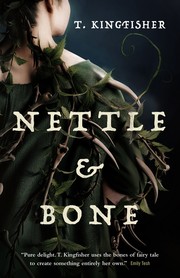
Nettle & Bone
Marra, a princess in a convent, leaves to save her abused sister, but first she must finish three impossible tasks: a bone dog, a nettle cloak, moonlight in a…
2,061-word summary · 9 min read
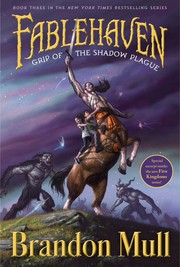
Grip of the Shadow Plague
A plague turns Fablehaven's creatures of light into shadows while Kendra hunts an artifact in Arizona and Seth races to find the cause.
2,131-word summary · 9 min read

The Rose & the Dagger
Shahrzad is pulled from her Caliph husband and left in a desert camp of rebels, needing to break his curse and end a war before it ends her.
2,520-word summary · 11 min read

The Queen of the Tearling
Nineteen-year-old Kelsea leaves the woods to take her throne, ends a shipment of human captives, and draws the Red Queen's revenge.
2,357-word summary · 10 min read
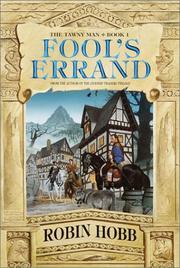
Fool's Errand
FitzChivalry Farseer has lived in exile for fifteen years. When Prince Dutiful vanishes before his betrothal, Fitz returns to Buckkeep to find him, with a wolf…
2,606-word summary · 12 min read

We Hunt the Flame
In a fractured Arabia-inspired world, a disguised huntress and a prince-assassin race to find a magic-restoring book and confront an ancient evil.
2,195-word summary · 10 min read
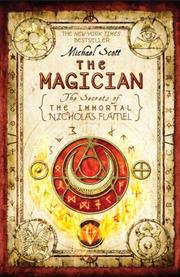
The Magician
Sophie and Josh flee to Paris with Nicholas Flamel, where John Dee, Machiavelli, and an awakened god close in on the missing pages of the Codex.
2,162-word summary · 10 min read
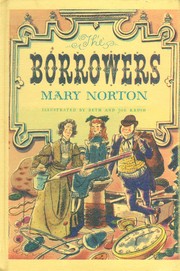
The Borrowers
A family of tiny people live under the floorboards of an English house, borrowing what they need until a lonely boy and a suspicious housekeeper change…
2,164-word summary · 10 min read
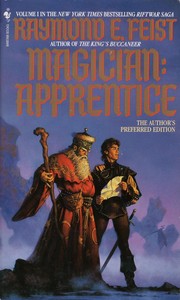
Magician: Apprentice
An orphan kitchen boy and a smith's son grow up in a frontier castle just as invaders from another world open a rift and begin a war that will change both of…
2,114-word summary · 9 min read
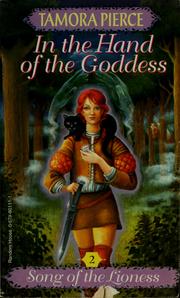
In the Hand of the Goddess
Alanna, still disguised as a boy, survives war, court plots, and a death duel as the Goddess's chosen warrior in the second Song of the Lioness book.
2,018-word summary · 9 min read
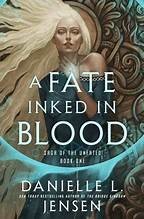
A Fate Inked in Blood
In Norse-inspired Skaland, a fish gutter hiding a goddess's blood is claimed by a jarl, bound by oath, and guarded by the son she cannot want.
1,971-word summary · 9 min read