
Reading options
What's inside (12 sections)
I first saw Oedipus the King performed outdoors with rain starting in the second act, and no one left, because the story pulls like gravity. Sophocles first had it performed in Athens around 429 BC. The Filiquarian edition I cite runs 104 pages with ISBN 9781599869513. A city sick with plague. A new king who solved the Sphinx and married the widowed queen. A murder to solve that turns out to be his own work from years before. It is the tightest plot in tragedy, told in one day, in one place, with messengers bringing news that tightens rather than releases. Aristotle called it perfect. He was right about the shape even if the nightmares spill over.
Thebes suffers as the play opens. Babies die. Crops fail. Priests kneel with branches. Oedipus, who saved the city once by answering the Sphinx, promises to save it again by finding King Laius killer. He curses the murderer publicly. Exile. No shelter. No silence. Creon returns from Delphi with the oracle answer. Find the killer and the plague lifts. Teiresias the blind prophet is sent for and refuses to speak. Oedipus, quick to anger in ways that will matter, accuses him of plotting with Creon for the throne. Teiresias answers with the line that stops the play cold. You are the killer you seek. Oedipus hears treason where the audience hears truth. That gap between king knowledge and watcher knowledge drives every scene after. Dramatic irony so thick you could cut it, and Sophocles never winks.
Jocasta and the crossroads
Jocasta enters to calm men shouting. She tells Oedipus oracles lie. Proof. Laius was fated to die by his son, so they left the baby on a mountain with pinned feet. Laius died at a crossroads by robbers, not by kin. No prophecy held. Oedipus goes pale at crossroads. He asks what Laius looked like. Tall. Gray beginning. Heralds. He asks where. Phocis, where three roads meet. Oedipus remembers his own youth in Corinth, a drunk calling him supposititious, a trip to Delphi, a prophecy that he would kill his father and marry his mother, flight from Corinth to avoid it, a quarrel at a narrow place where an old man struck him and he killed the party in anger. One man survived, a shepherd who now begs to be sent to fields. Oedipus sends for him with hope that frays hourly. Perhaps the survivor will say robbers, plural. Perhaps the baby died on the mountain. Perhaps. The audience knows perhaps is finished.
The messenger from Corinth arrives with good news that destroys. Polybus dead of age. Oedipus need not fear killing his father. Come take the throne. The messenger, chatty and kind, adds that Polybus was no father by blood. He himself gave the baby Oedipus to Corinth, received from a Theban shepherd with pinned ankles. Jocasta understands first. She begs Oedipus to stop asking. For god sake, if you love your life, stop. Oedipus, who prides himself on finding truth, refuses. He must know his birth, low or high. The shepherd is brought, threatened, and names it. The baby was Laius son. Jocasta gave him to die. Pity stayed the shepherd hand. Corinth raised him. Every knot ties. Jocasta runs inside. The chorus sings about pride and falls. Oedipus follows the truth through the door he should have left shut.
The doors
What happens behind doors arrives by messenger, the play cruelest kindness. Jocasta hanged herself with her own veils. Oedipus found her, took her brooches, and drove the pins into his eyes while crying that they would see no more. He stumbles out blind, bloody, asking to be exiled as he cursed himself to be. Creon, now king by kinship, handles him with pity that is also politics. Go inside. The city must not see. Oedipus begs to touch his daughters Antigone and Ismene. A small mercy granted. Then darkness and leading. The man who solved the Sphinx by saying man cannot solve himself. Teiresias, blind from the start, saw all along. That reversal, sight to blindness, prophet to king, is why the play endures beyond its plot tricks. Knowledge without self knowledge is the real plague. Thebes recovers. Oedipus walks toward Colonus and another play.
Fate and choice
Students argue whether Oedipus had choice, and the play feeds both sides. The oracle spoke before his birth. Every step to avoid it fulfilled it. Flight from Corinth led to the crossroads. Leaving the Sphinx city would have spared Thebes his rule. Yet Oedipus chooses constantly. To curse the killer. To accuse Teiresias. To demand the shepherd speak. His virtues, intelligence, persistence, care for the city, become instruments of ruin. Sophocles suggests character is fate wearing your face. A quicker tempered king might have killed fewer at the crossroads. A less proud one might have heeded Jocasta plea to stop. But then he would not be the man who saved Thebes. The city needed exactly the virtues that destroy him. That knot has no untying, which is why philosophers never tire of it.
Jocasta deserves more than victim framing. She survived a baby ordered dead, a husband murdered, a new marriage to a younger hero, years of rule beside him, and then recognition that her husband is her son and her children are siblings. Her suicide is often played as shame. Better to play it as agency. She chooses the one exit left where she decides. Her plea to Oedipus to stop asking was love as well as fear. Let us live with the lie because the truth kills. Oedipus, who loves truth more than life, cannot. Both are right in ways that cannot coexist. Marriages rarely face such stakes. The dynamic, one partner needing to know and the other needing to stop, will feel familiar at smaller scales to many.
Staging the plague
Modern productions often open with masks, coughing, and empty streets, which our years make vivid. The play supports it. Priests with branches. Altars cold. Children crying offstage. Keep the opening ritual rather than rushing to plot. Let the city breathe sickness so Oedipus promises land harder. Teiresias scenes need stillness. An old blind man led by a boy, facing a furious king who calls him traitor, answering with riddles that are plain. Do not play Teiresias as cryptic. He speaks clearly. Oedipus refuses to hear. That refusal is the acting challenge. Rage that sounds like reason. Certainty that sounds like care for Thebes. The audience must love Oedipus competence while dreading its direction.
The messenger speeches carry the horror because violence stays inside. Jocasta hanging. Eyes pierced. Do not stage them naturalistically. Let words do what doors hide. Greek tragedy knew audiences imagine worse than workshops build. The shepherd scene needs time. An old man threatened into memory, each answer shorter, each pause longer. Directors who rush it lose the play engine. Truth arrives at the speed of an old man walking. Let him walk.
Why it lasts
It lasts because the structure is perfect and the wound is common. Who am I really. Who are my parents. What did I do without knowing. Modern adoptions, donor conceptions, and family secrets give Oedipus new edges Sophocles could not imagine but built room for. The play also warns rulers who promise to find culprits fast. Curses spoken in confidence return. Investigations implicate investigators. Cities that demand purity get exile instead. Read it after Antigone or before. Either order works. This play first by story, last by wisdom. A king who knew everything except himself. A prophet blind who saw. Doors that should have stayed shut. Feet that remember pins. Swollen foot, Oedipus means. The name was the clue all along. We walk on ours the same way.
Text note
The Filiquarian 104 page edition prints a 19th century public domain translation in modern type. For classroom depth pair it with Fitts and Fitzgerald or Fagles versions from libraries. Year 429 reflects first performance around 429 BC in Athens. Some scholars argue 425. Either way this is high classical tragedy, written when Sophocles was about sixty five. Keep the BC in mind when the fact table shows 429. The play predates printing by two thousand years. It survives because actors kept speaking it. Speak it aloud. The verse, even in prose translation, wants breath.
Creon and power
Creon role needs a closer look because he is neither villain nor hero. Brother of Jocasta, adviser to Oedipus, accused of plotting for the throne, Creon defends himself with the book most reasonable speech. Why would I want the crown with its terrors when I share power without blame. Oedipus spares him at Jocasta pleading but never trusts him again. By play end Creon rules by kinship default rather than ambition. His final handling of Oedipus, gentle but firm about staying inside, shows politics replacing passion. No cruelty. No triumph. Just order. Readers who want justice will find Creon cold comfort. He buries the dead, guards the living, and keeps the city running while legends bleed on its steps. That administrative ending suits a play about pollution. Clean the streets. Tend the altars. Let the blind man leave when boys can guide him. Power continues. It only changes hands that hold it lightly or tightly by turns.
The chorus
The Theban elders who form the chorus carry the city feeling in odes that modern readers sometimes skim. Do not. Their hymns to law, to fate, to the fall of proud men frame each revelation with communal dread. They love Oedipus. They fear the truth. They sing for delay even while demanding answers. After Jocasta death they fall silent longer than any other moment. That silence is the play loudest sound. A city that cheered its solver cannot speak when solving kills the queen. Directors should keep the chorus visible throughout, aging men with staffs who lean closer with each messenger. They are us. Curious. Horrified. Unable to stop asking. Their final lines about counting no man happy until dead close the tragedy with proverb rather than comfort. Take it as warning. Happiness needs a full life to judge. Oedipus life finished in one day that lasted a lifetime.
Shepherd and messenger
The two low born truth bringers deserve joint attention because the play honors workers who speak. The Corinthian messenger arrives cheerful with good news about Polybus death, chatting about babies and gifts while unknowingly destroying a king. His kindness makes the revelation worse. He meant to free Oedipus from fear. He freed him into horror. The Theban shepherd resists longer, begging to be sent to fields rather than speak. Threatened with torture, he names the baby he gave away decades earlier. Both men would rather be elsewhere. Both do their jobs. Sophocles gives them plain speech against royal verse. No metaphors. Just facts about ankles, gifts, and mountain exposures. Tyrants fall to clerks and herdsmen who remember. Keep shepherds in the play foreground. They carry more truth than oracles who speak in riddles for fees.
Plague and politics
The opening plague reads differently after pandemic years, and directors should lean into that memory without forcing allegory. A city where babies die, crops fail, and priests kneel while a confident leader promises answers. Oedipus answers with curses and investigations that pollute further. Every decree spreads the sickness he vows to cure. That pattern will feel familiar to audiences who watched press conferences during outbreaks. Confidence is not competence. Curses do not cure. The play suggests leaders should consult rather than command, listen to prophets even when messages offend, and suspect themselves first when blame flies. Oedipus does the opposite at every turn and the city pays with its queen. Staging the plague as more than backdrop honors Sophocles civic intent. This was a play performed at a festival where citizens voted. It warned voters about themselves. It still does. Read it aloud with friends taking parts. The accusations land harder spoken than silent. Try the Teiresias scene with two readers. One shouts. One stays quiet. Feel the room tilt..
FAQ
When was Oedipus the King written?
First performed in Athens around 429 BC. The Filiquarian edition runs 104 pages and the ISBN is 9781599869513.
Who are the main characters?
Oedipus, Jocasta his wife and mother, Creon, Teiresias the blind prophet, and the Shepherd.
Is it part of a series?
No. It stands alone, first in the Theban plays by story order.
Similar books
Antigone
A new king forbids burial to one brother. His niece defies him with dust and wine, and pride seals three tombs.
2,545-word summary · 11 min read
King Lear
An old king divides his realm by flattery, and learns too late which daughter loved him in silence.
2,123-word summary · 9 min read

The Story of Edgar Sawtelle
A mute boy on a Wisconsin dog-breeding farm relives Hamlet as his uncle returns, his father dies in the barn, and the dogs inherit what is left.
2,392-word summary · 11 min read
We Were the Mulvaneys
After a rape following a school dance, the Mulvaneys, a family that believed it was blessed, comes apart over fifteen years. Narrated by the youngest son.
2,094-word summary · 9 min read
The Tenth Circle
After Trixie accuses Jason of rape and he dies off a bridge, parents Daniel and Laura hide guilt and grace in Alaska flight.
2,164-word summary · 10 min read
Handle with Care
Parents of brittle bone daughter Willow sue best friend OB for wrongful birth, splitting marriage and friendships.
2,231-word summary · 10 min read

One & Only
Matchmaker Cassia Park finds fated love for everyone but herself, until a 28-year-old fling and a new boss named Daniel Nam collide.
2,033-word summary · 9 min read
We Need to Talk About Kevin
In letters to her dead husband, Eva reconstructs how her son Kevin grew from a cold child into a school killer.
2,041-word summary · 9 min read

To the Lighthouse
On a Scottish island, the Ramsay family and their guests circle one postponed trip to a lighthouse across ten years of loss.
2,548-word summary · 11 min read

The Sound and the Fury
A ruined Mississippi family seen through three brothers across four days, closing on Easter Sunday with their servant.
2,226-word summary · 10 min read
Franny and Zooey
Two Glass family siblings wrestle with faith, phoniness, and breakdown across a weekend visit and a long phone call home.
2,286-word summary · 10 min read
Death of a Salesman
Willy Loman unravels as sons Biff and Happy return home, while Linda holds on and old Ben calls, toward a Requiem after a night in Boston.
2,343-word summary · 10 min read

Because of Winn-Dixie
Lonely Opal names a stray Winn-Dixie and finds ten friends, plus a way to ask her preacher father hard things.
2,024-word summary · 9 min read
The God of Small Things
Twins Rahel and Estha grow up in Kerala in 1969, where family rules and caste lines shape a loss that follows them into adulthood.
2,646-word summary · 12 min read

Tess of the D'Urbervilles
Tess Durbeyfield seeks work and love in Wessex, but assault and harsh judgment follow her from Marlott to Stonehenge.
3,726-word summary · 17 min read
Nineteen Minutes
Sterling High student Peter Haddon commits a school shooting and lawyer Jordan McAfee defends him while Josie Cormier hides truth.
2,267-word summary · 10 min read

Where the Red Fern Grows
Billy earns two hounds and hunts raccoons in the Ozarks with love and loss.
2,990-word summary · 13 min read

What Happened to Goodbye
Mclean has reinvented herself in four towns since her parents divorced. In Lakeview she uses her real name, and for the first time staying put becomes a choice.
2,796-word summary · 12 min read
The Long Winter
Dakota Territory, 1880: seven months of blizzards cut a town off from the railroad, and a family survives on twisted hay, ground wheat, and a dangerous wheat…
2,210-word summary · 10 min read

The Japanese Lover
A Polish refugee and the son of a Japanese gardener fall in love in San Francisco in 1939, then keep the affair secret for nearly seventy years.
2,286-word summary · 10 min read
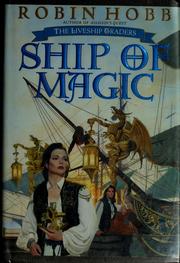
Ship of Magic
A sentient ship wakes when her captain dies, and the family that owns her starts to come apart over who gets to sail her.
2,026-word summary · 9 min read

Revolutionary Road
A Connecticut couple who believe they are too good for the suburbs plan to move to Paris, and the plan slowly exposes everything they cannot say to each other.
2,085-word summary · 9 min read
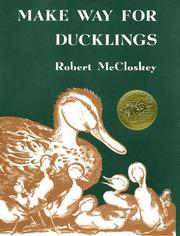
Make Way for Ducklings
A pair of mallards raise eight ducklings on the Charles River and lead them across Boston to the Public Garden, with a little help from a friendly policeman.
2,044-word summary · 9 min read
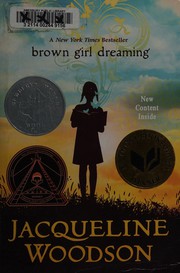
Brown Girl Dreaming
Jacqueline Woodson retells her childhood in verse, moving from Ohio to South Carolina to Brooklyn while the civil rights movement reshapes the world around her.
2,727-word summary · 12 min read

This Winter
On one difficult Christmas Day, Tori, Charlie, and Oliver Spring try to hold their family together while Charlie's eating disorder makes every tradition a test.
2,034-word summary · 9 min read

The Shadow Sister
Star D'Apliese steps out of her sister's shadow and follows a bookshop clue into the Edwardian life of Flora MacNichol, a woman who gave up love for duty.
2,260-word summary · 10 min read

Little Town on the Prairie
In the spring after the Long Winter, fifteen-year-old Laura sews shirts, studies for a teaching certificate, and helps send her blind sister Mary to college.
2,071-word summary · 9 min read

Little Earthquakes
Four Philadelphia women meet during pregnancy and discover that new motherhood is nothing like the plan, while friendship becomes the thing that holds them…
1,997-word summary · 9 min read

Too Much and Never Enough: How My Family Created the World's Most Dangerous Man
Mary L. Trump's 2020 memoir traces how a cold, zero-sum Queens household shaped her uncle, and uses family tax documents to challenge his self-made story.
2,059-word summary · 9 min read
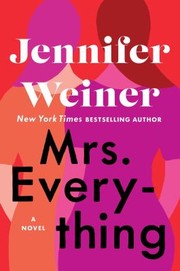
Mrs. Everything
Two Jewish sisters in Detroit grow up, apart and together, across seven decades of American life, from the 1950s to the 2016 election.
2,362-word summary · 10 min read