
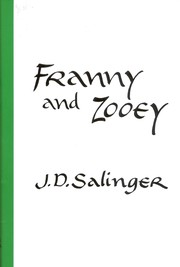
Franny and Zooey
2,286-word summary 10 min read 208 pages in the book
- First published
- 1961
- Publisher
- Little, Brown and Company
- Pages
- 208
- ISBN
- 9780316769495
Reading options
What's inside (7 sections)
I came to Franny and Zooey late, after Catcher had set my expectations for teenage drift, and found something stranger and more adult. J. D. Salinger published it with Little, Brown and Company in 1961, a 208 page book that joins two long stories about the youngest Glass children. It is funny, irritating, tender, and very talky. Almost nothing happens in terms of plot. A girl has lunch with her boyfriend and falls apart. A boy takes a bath and talks to his mother, then spends an hour on the phone. Yet I think about it more than novels with ten times the incident, because the talk is about how to live when you see through everything and still have to eat lunch.
The Glass family needs a quick sketch. Seven kids, former radio quiz prodigies, raised in a New York apartment by vaudeville parents and educated mostly by their eldest brothers Seymour and Buddy. Seymour killed himself in an earlier story. Buddy teaches and writes. The younger kids inherited brilliance and grief in equal measure. Franny is twenty, a college junior, pretty and very tired. Zooey is twenty five, an actor on television who hates television, handsome and sharp tongued. Their mother Bessie is loving, chain smoking, worried about bowels and souls with the same energy. Their father Les is mostly offstage. Buddy narrates the second half, though how much is Buddy and how much is Salinger is part of the game.
Franny opens on a Yale weekend. Franny Glass steps off the train into the arms of Lane Coutell, her date, a smooth Poli Sci type who talks about papers and professors with a lot of “A” grades mentioned. They go to a fancy restaurant. Lane orders snails and frog legs and keeps talking about a paper on Flaubert. Franny picks at her food, drinks, smokes, asks odd questions. She has been reciting the Jesus prayer under her breath for weeks, the short Orthodox line, Lord Jesus Christ have mercy on me, repeated until it syncs with breath. She learned it from a small religious book she carries in her bag. Lane thinks religion is a phase. He tells her she is ruining a nice weekend with gloom. She excuses herself, faints in the restroom, comes back pale, and then tells him she is sick of pedantry and ego, his and hers, and leaves the table in tears. She collapses on a sofa, clutching the book, while Lane hovers uselessly.
That lunch is one of the best bad date scenes I know. Lane is not evil. He is twenty two and full of himself, performing intelligence the way Franny used to. Salinger lets him talk himself into a corner. He brags about a paper, quotes a professor letter, explains Flaubert as if Franny has never read. Franny answers with shorter and shorter replies. She asks if he ever worries about just knowing things for show. He laughs. She goes to the bathroom and nearly passes out. When she returns she is blunt in a way good manners usually prevent. Lane offers to get her a taxi and suggests soup. He means well and misses everything. The prayer book on the table between them says more than their dialogue.
Franny story is about disgust that curdles into holiness. She has spent years being the smartest girl in seminars where everyone competes to sound clever about poems they do not love. She calls it sick. She started saying the prayer because the book promised that repetition could make prayer ceaseless, part of heartbeat. To Lane this sounds crazy. To Franny it sounds like the only honest thing left. She is not holy yet. She is nauseous, chain smoking, lying to her mother on the phone about eating. But her nausea is moral information. She cannot stand a world where knowledge is used to impress rather than to love. Salinger, who felt the same about fame, writes her breakdown with sympathy and a little warning. Prayer used as escape can become another performance.
Zooey and the bath
Zooey takes place a few days later in the Glass apartment. Bessie is worried because Franny came home in bad shape and now lies on the couch with the prayer book, crying, not eating, talking about Christ and saints. Bessie wants Zooey to help. Zooey is in the bathtub, reading a four year old letter from Buddy, smoking, stalling. Bessie sits on the toilet lid and talks. And talks. About chicken soup, about Franny weight, about psychiatrists, about Zooey childhood habit of drinking chicken broth in the bath. Zooey is rude, funny, cruel, loving, all in one page. He tells his mother she is too nosy and too wonderful. He tells her to leave. She leaves and comes back.
The bath scene runs long on purpose. You learn the family texture. Bessie religious in a practical way, lighting candles and feeding people. Les absent at a broadcast. The apartment full of books, wet towels, old scripts. Zooey beautiful and aware of it, using charm as a shield. Buddy letter, which Zooey rereads, warns against exactly what Franny is doing, turning religion into a status game where you are humbler than everyone else. Buddy, who should know, writes that he once tried the same and made himself insufferable. Zooey absorbs this while trading insults with Bessie about his sister weight and his own ego. It is domestic and philosophical at once. Salinger trusts you to sit in steam and listen.
What I like here is that Zooey is not a sage. He is a working actor who phones in performances on a show he despises, who is vain about his looks, who is mean to his mother when she fusses. He also remembers Seymour lessons word for word. Seymour taught the kids to shine shoes and fix radios for the Fat Lady, an imaginary ordinary listener who deserves your best. That image will return. For now Zooey uses it as a stick to beat himself. He knows better than Franny and acts worse, which is why Bessie begs him rather than Buddy to talk to her. Only someone equally sick can get through.
Bessie finally leaves the bathroom. Zooey gets out, gets dressed with care, goes to the living room closet that holds Seymour and Buddy old desk. He sits among manuscripts and calls Franny on the house phone from the other room, pretending at first to be Buddy. It is a strange trick, half kind and half arrogant. Franny, half asleep, talks more freely to “Buddy” than she would to Zooey. Zooey drops the act in stages and becomes himself. The phone call that follows is the heart of the book.
The phone call
Franny is raw. She says the prayer is the only thing that helps and also that she is scared she is using it wrong. Zooey listens longer than he did with Bessie. Then he unloads. He tells her Seymour told them both the same thing years ago. Do everything for the Fat Lady. Shine your shoes for her. Do your radio quiz for her. Act your TV part for her, even if the script is trash. The Fat Lady is everyone who will never know your name and deserves beauty anyway. Zooey says he forgot this and started acting for critics and clever friends. Franny forgot it and started praying to feel superior to Lane and her professors. Both are forms of showing off.
He gets specific about Seymour. Seymour was not perfect, Zooey says. He was difficult, often unhappy, sometimes a pain. But he loved the world without needing it to love him back. He once said Franny should read religious books but not fall in love with the words. The Jesus prayer is a tool, not a test. If saying it makes you hate lunch with a flawed boyfriend, you are holding the tool wrong. Zooey also admits his own preaching is suspect. He is giving a sermon while sitting in a closet. He knows it. That self awareness is what lets Franny hear him.
The famous turn comes when Zooey says the Fat Lady is Christ himself. Do not tell Bessie, he jokes, she will get excited. What he means is plain and hard. There is no audience so low you can phone it in. A school play, a TV episode, a meal with Lane, all of it counts. Franny stops crying. She asks if he is sure. He says he is sure enough to act on. She puts down the phone, looks at the ceiling, and smiles. Salinger ends without a moral tag. Franny is still on the couch. Zooey is still in the closet. Nothing is solved except attention. That feels honest.
Why people argue about it
Readers split hard on this book. Some find Franny precious and Zooey smug, two gifted kids lecturing normal people about phoniness while living off family money and looks. There is truth in that. Lane is a straw man in spots. Bessie is treated roughly for a woman who only wants her daughter to eat. The religious talk can feel loose, mixing Orthodox prayer, Hindu ideas, and Seymour mysticism without much care for differences. If you want theology with footnotes, this will annoy you.
I keep returning because the annoyance is part of the point. Salinger knew he sounded superior and put that knowledge inside Zooey mouth. Buddy letter calls out spiritual pride directly. Zooey calls himself a freak and means it. Franny calls herself sick and means it. The book does not ask you to admire them. It asks if you recognize the moment when cleverness stops helping. Anyone who has sat through a dinner where everyone performs taste will know Franny nausea. Anyone who has done good work for bad reasons will know Zooey bath. The Glass kids are extreme versions of a common condition, which is why their cure, work with love for an unseen ordinary person, still lands.
Style matters here. Salinger dialogue is the best in American fiction of its time, full of interruptions, repetitions, brand names, and sudden tenderness. Bessie saying “I don’t care” ten ways. Zooey calling Franny “itty bitty” while making a real point. Lane saying “quite” too often. The New York details are exact. Oysters, martinis, cigarettes in every hand, a living room full of paper. You can hear the apartment. You can smell soup. That concreteness keeps the philosophy from floating away. When Zooey talks about Christ, there is a wet towel on the floor and a mother yelling about curtains. Holiness has to work there or it is useless.
Classroom baggage
The book carries classroom baggage. It was taught for decades as a manual for sensitive teens, which made it easy to mock. Holden Caulfield fans wanted another runaway and got a prayer book. Critics called it cozy mysticism. Salinger retreat from public life made every sentence feel like a clue. Try to read it without that noise. Franny is not a role model. She is a tired student who found a sentence that steadied her and gripped it too hard. Zooey is not a guru. He is a brother who uses show business talk to say something old. Take what helps and argue with the rest. The book can stand it.
My own copy is marked at the shoe shine passage. Seymour told the kids to shine their shoes for the Fat Lady even when no one would see. I think about that when I write emails no one will praise or wash dishes after guests leave. It is a small discipline against doing everything for applause. Salinger embeds it in a story about actors, which is apt. Acting is the art of being watched. Prayer is the art of being unwatched. The Glass kids have to learn both arts at once. So do the rest of us, with less talent and lower stakes.
How to read it now
Read Franny in one sitting, preferably hungry, preferably after a bad social event. Notice how Salinger withholds Lane last name and Franny major until late, keeping them types until they hurt. Then read Zooey slowly, with breaks. The bath is long. Let Bessie repeat herself. Notice Buddy letter placement. It is the book criticizing itself before you can. Then read the phone call aloud if you can. It plays better spoken. Zooey speed, Franny pauses, Bessie breathing in the background.
If the ending feels too neat, sit with Franny smile. She is not cured. She is relieved. She will still have to eat, study, see Lane again, decide about the prayer. Zooey will still have to go to work on a show he dislikes. What changed is a story they can share, the Fat Lady, that makes ordinary effort feel addressed to someone. That is a religious idea stated without church language, which is why it reached so many readers who distrust church language. You do not have to believe Zooey Christ line literally to use it. Imagine the least impressive person you serve and do the job well for them. See if your disgust lifts.
Franny and Zooey is short enough to reread in an evening and dense enough to argue about for years. I disliked Lane more at thirty than at twenty. I forgave Bessie more. I heard Seymour less as a saint and more as a brother who left too soon and left big sentences behind. That shift tells me the book is doing its job. It meets you where your own phoniness lives and offers a practice rather than a pose. Take the practice. Leave the pose. Shine your shoes. Answer the phone.
FAQ
When was Franny and Zooey published?
Little, Brown and Company published it in 1961. The standard paperback runs 208 pages and the ISBN is 9780316769495.
Who are the main characters?
Franny Glass, the youngest Glass daughter, her brother Zooey, a TV actor, their mother Bessie, and Lane Coutell, Franny date.
Is Franny and Zooey part of a series?
It stands alone but belongs to the Glass family stories, alongside Raise High the Roof Beam and Seymour: An Introduction.
Similar books
Inferno
Dante, lost at thirty-five, follows Virgil down through nine circles of Hell, from Limbo to the ice, and climbs back toward the stars.
3,131-word summary · 14 min read
The Holy Bible: King James Version
The 1611 King James Bible in a 1,472-page Thomas Nelson edition: from Genesis to Revelation, law, prophets, Gospels, and letters.
2,904-word summary · 13 min read
Nine Stories
Bananafish, Esme, and Teddy anchor Salinger's postwar Glass stories.
2,348-word summary · 10 min read

Fathers and Sons
Arkady brings the nihilist Bazarov home to his father's estate, and a generational argument turns into love, a duel, and an early death.
2,192-word summary · 10 min read

Unaccustomed Earth
Lahiri’s second story collection follows Bengali families in America and abroad, tracing the quiet distances between parents and children, spouses, and the…
2,333-word summary · 10 min read

Tales from the Café
Four more visitors to a Tokyo café travel through time under strict rules, each hoping to say the thing they could not say before.
2,242-word summary · 10 min read

The Chosen
A shattered pair of glasses in a 1944 Brooklyn softball game starts a friendship between a Hasidic boy and his Orthodox neighbor, and their fathers pull them…
2,443-word summary · 11 min read

This Is How You Lose Her
Yunior cycles through love affairs and betrayals in nine linked stories, tracing the damage he does and the family history behind it.
2,195-word summary · 10 min read

Exhalation
Ted Chiang's second collection contains nine stories about time, memory, free will, and artificial minds, told with clarity and moral seriousness.
2,075-word summary · 9 min read
Olive, Again
Elizabeth Strout returns to Crosby, Maine, as Olive Kitteridge marries Jack Kennison, confronts her son, and faces old age, grief, and small-town judgment.
2,333-word summary · 10 min read

By the River Piedra I Sat Down and Wept
Pilar, 29, meets her childhood friend again in Madrid and finds a rumored miracle worker. One winter week through the Pyrenees to the river Piedra, and the…
2,845-word summary · 13 min read

Ubik
A psychic agency crew dies in a blast and reality decays unless a spray called Ubik saves them.
2,674-word summary · 12 min read

Stories of Your Life and Others
Eight stories about language, time and choice, including the tale behind Arrival.
2,402-word summary · 11 min read

God Is Not Great
Hitchens argues religion poisons life across history and texts.
2,545-word summary · 11 min read
A Canticle for Leibowitz
After nuclear war, monks save books across centuries while the world rebuilds and falls again.
2,381-word summary · 11 min read
The Time Keeper
Mitch Albom's 2012 fable follows Dor, the first measurer of time punished in a cave, as he returns to guide a heartbroken teen and a dying businessman toward…
2,466-word summary · 11 min read
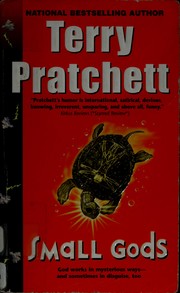
Small Gods
God Om trapped as a tortoise must convince novice Brutha to save Omnia from its own church.
2,063-word summary · 9 min read
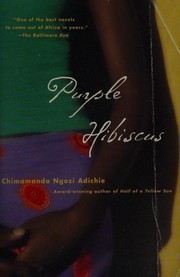
Purple Hibiscus
Kambili, fifteen, watches her devout factory-owner father rule the Enugu house through fear until a Nsukka visit teaches her speech and freedom.
2,595-word summary · 12 min read

God Emperor of Dune
Worm god Leto II rules 3500 years to force humanity free through his Golden Path.
2,006-word summary · 9 min read
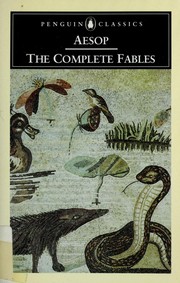
Aesop's Fables
Short animal tales of hares, foxes, ants, and wolves that still sting: old fables in plain modern English.
2,916-word summary · 13 min read
A Tale for the Time Being
A diary by bullied Tokyo teen Nao washes up in Canada, pulling novelist Ruth into her family past.
2,148-word summary · 10 min read

The Humans
An alien borrows Andrew Martin's life to erase a proof, then a dog, peanut butter, and a tired family win him over.
2,959-word summary · 13 min read

The Girls' Guide to Hunting and Fishing
Seven linked stories follow Jane Rosenal from fourteen to her thirties through family rows, publishing jobs, and dating manuals toward steadier love.
2,166-word summary · 10 min read
Python's Kiss
Thirteen sharp stories of stones, thieves, ghosts, and an afterlife with billing.
2,027-word summary · 9 min read
Contact
A radio astronomer catches prime numbers from Vega, helps build a strange machine, and returns with no proof but static.
2,763-word summary · 12 min read
Calvin and Hobbes
Bill Watterson's first collection introduces Calvin and Hobbes, a wild six-year-old and his tiger friend, in strips full of imagination and mischief.
2,972-word summary · 13 min read
Brawler
Nine fierce stories spanning the 1950s to today, following swimmers, siblings and heirs torn between their dark and light angels.
3,103-word summary · 14 min read

Thus Spoke Zarathustra
A prophet comes down from ten years alone to preach the overman after the death of God.
1,983-word summary · 9 min read
The Great Divorce
A bus from Hell to Heaven tests whether ghosts will trade pride and habit for joy.
2,045-word summary · 9 min read