
Reading options
What's inside (8 sections)
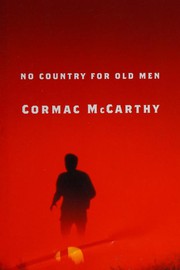
I came to this book after seeing the film twice. I knew the haircut, the coin, the old sheriff talking straight to camera. I thought I knew the story. Cormac McCarthy published it in 2005 with Alfred A. Knopf, a short hard novel listed at 309 pages in the first edition, and friends had told me it reads fast and cold. I picked it up on a weekend when I wanted something spare after a long baggy novel. I read it in two sittings, mostly late at night, and I put it down feeling watched. It is not a mystery. It tells you early who is hunting whom. The pull comes from watching three men move across Texas while understanding that only one of them believes he can still control what happens.
The setup sits in 1980 in Terrell County near the Rio Grande. Llewelyn Moss is out hunting antelope with a rifle when he crosses tire tracks and follows them to a scene of failed dealing. Trucks shot up. Men dead in the dust. Dogs dead too. One truck holds packets of heroin. Another man lies under a tree begging for water and will not get it. Moss finds a satchel filled with drug money, more than two million dollars in cash, left in the brush. He takes it home to his trailer. His wife Carla Jean is there. Her mother lives nearby in failing health. Moss is a welder who served in Vietnam. He knows how to read ground, how to stay quiet, how to fix things. He does not know how to leave that kind of money alone.
That choice drives everything. Moss goes back that night with a jug of water for the dying man and finds him gone. From there he is marked. Men tied to the Texas and Mexican trade want the cash back. They hire trackers. They send Anton Chigurh. Sheriff Ed Tom Bell starts finding bodies and trying to get ahead of the harm. Moss runs with Carla Jean sent to relatives, the satchel moved from place to place, the border towns lighting up behind him.
A hunter who takes the satchel
Moss feels familiar at first. He is capable without showing off. He checks wind. He watches antelope. He field dresses what he shoots. He loves Carla Jean in a plain loyal way. He tells her little to keep her safe, which turns out to be both kind and costly. When he finds the money he does the math fast. He knows it belongs to violent men. He knows keeping it risks them both. He keeps it anyway.
I liked how McCarthy handles that decision. He does not turn Moss into a fool or a hero. Moss thinks he can outthink professionals because he was good in war and good at hunting. He splits the money. He hides the satchel. He buys a tent and a truck. He tries to get Carla Jean out of town. He keeps moving between motels and river crossings. He is smart about doors, windows, locks, sight lines. He sleeps armed. He watches parking lots.
What wears him down is not lack of nerve. It is the system around him. The men chasing the cash have radios, planes, trackers, safe houses, and patience. Moss has one rifle, one pistol, and a habit of acting alone. He makes a strong move, then a tired move. He calls Carla Jean from pay phones. He meets her mother. He tries to pay for protection. He tries to bargain. Each call and each stop leaves a trace.
One detail stuck with me. The satchel holds a tracking device buried in the cash. Moss does not know this for a long while. So his best hiding places are known from the start. That device explains why rooms that should be safe are not. It also explains his growing sense that luck has turned against him. He did everything right in the field and still lost, because the field now includes electronics he cannot see.
McCarthy keeps the action quick and plain. Men arrive. Shots are fired. Trucks roll. People fall. He does not pause to admire wounds. He tells you who was standing, then who is down, then what Moss does next. I appreciated that restraint. The book is violent in outcome without being eager in description. You feel the cost through Carla Jean waiting, through Bell cleaning up, through Moss getting thinner and quieter.
Chigurh and the rules he follows
Anton Chigurh is the figure most readers remember. He is a contract killer with odd tools, odd hair, odd calm. He carries a captive bolt device meant for farm work and a silenced shotgun and pistol. He checks rooms with his boots off. He studies locks and coins and people with the same flat attention. He does not raise his voice. He does not hurry.
His habit that gets talked about most is the coin toss. When he corners someone who is not his main target, a gas station clerk, a driver, a person in an office, he sometimes asks them to call a coin he flips. He treats the result as binding. If the coin favors them, he lets them walk. If not, he kills them. He explains this in his own way as fairness. He says he had no say in coming there, and they had no say in being there, so the coin settles it. He keeps the coin separate from pocket change and says it has traveled far to reach that moment.
He also talks about principle. He tells victims and hunters alike that he keeps his word. If he says he will find the money, he will. If he says a debt must be paid, it must be paid. He does not accept excuses about chance or pressure. He sees himself as beyond bargaining. Moss tries to bargain with him by phone and by message. Chigurh refuses. He says the terms were set when Moss took the cash. He says he will still harm Carla Jean even if Moss gives the money back, because he promised himself he would.
I found this chilling without needing much blood on the page. The fright comes from logic, not noise. Chigurh acts as if the world runs on oaths and outcomes, and he is only the hand that carries them out. He will fix his own wounds with stolen supplies and keep walking. He will steal cars and medicine and shirts and keep his plan. He survives a late crash on a city street, pays local boys for silence, and limps away rather than wait for help. Pain does not change his course.
A fair question is whether Chigurh is a man or a symbol. McCarthy writes him close to inhuman. He seems to appear where Moss has just been. He seems to know what Bell will do before Bell does it. Readers who want a fully explained killer with a past will not get one. There is no childhood scene, no trauma file, no clear employer beyond intermediaries. For me that worked because the book is about facing something you cannot talk out of its path. For others it may feel thin, a force rather than a person. Both readings fit what is on the page.
Bell speaking straight to us
Sheriff Ed Tom Bell narrates parts of the book in first person. These chapters read like slow talk on a porch. He is older, a World War Two veteran, a lawman in a county that is changing fast. He opens with cases that trouble him. Young killers who seem empty. Crimes that seem planned without gain. Drugs moving through small towns that used to handle rustling and fights. He wonders if he is suited for what is coming.
Bell knew Moss as a boy and respects him. He tries to protect Moss and Carla Jean by finding them first. He visits crime scenes in the desert and in motels. He talks to deputies, to motel clerks, to Carla Jean and her mother. He studies broken locks and missing money and bodies left in rooms. He is careful and decent. He is also late, again and again by minutes. He walks into rooms where Chigurh has just been. He sees what was done without seeing who did it.
What makes Bell more than a plot device is his doubt. He thinks about his father and grandfather, both lawmen. He thinks about war and what he did and failed to do there. He thinks about pensions and retirement and whether leaving would be honest or cowardly. He tells stories about old Texas justice that sound firm until he questions them himself. He admits he is afraid, not only of being killed but of being useless.
I liked these chapters best on second reading. At first they slowed the chase for me. I wanted to stay with Moss. Bell pauses to remember, to compare past and present, to ask what law can do when money and guns cross borders freely. The prose here is plainer than in the chase scenes, more reflective. It gives the title its weight. Bell feels too old for this country as it now runs, though he loves its people and ground.
Some readers find Bell preachy or fond of old days that were never simple. That criticism has force. He can sound sure that youth has grown worse, while his own stories show past violence was also cruel. McCarthy seems aware of this. Bell corrects himself at times. He says he may be wrong. He keeps working even while doubting. If you meet him halfway, his voice steadies the book. If you want only pursuit, his pauses may drag.
Motels and desert and the long pursuit
Much of the middle moves between river scrub, highways, and cheap motels. Moss leaves Del Rio for Eagle Pass and toward El Paso. He rents rooms under false names. He sleeps with lights off. He watches lots from windows. He moves the satchel between air vents and riverbanks. Chigurh follows by reading signs Moss cannot hide, broken glass, moved curtains, desk records, the faint signal from the cash.
Carson Wells enters here as a rival hunter. He is a former soldier turned fixer, hired by the men who lost the money. He is polished where Chigurh is strange, talkative where Chigurh is silent. He finds Moss in a hospital and in hotels and offers a deal. Give back the cash, take a cut, save Carla Jean. Moss listens but does not trust him. Wells thinks he can manage Chigurh with money and talk. He learns he cannot.
The motel searches form the core of the tension. McCarthy stages them with care for space. A door with a lock punched out. A vent cover unscrewed. A phone left off the hook. A dog barking down the hall. Moss rigs a room with a shotgun and waits across the court. Chigurh removes a lock cylinder with quiet tools and steps inside. Shots pass through walls. Lights go out. Water runs. Men move in dark halls trying to hear breath.
I admired how little McCarthy relies on high speed chases. Most pursuit here is waiting, listening, and choosing when to run. Moss crosses the river with the satchel in a bag. He hides in weeds. He steals trucks. He sleeps in the desert under a tarp. He drinks from taps and eats from cans. The heat and dust matter as much as bullets. Tires fail. Feet blister. Money gets wet and must be dried. These small facts make the chase feel worked rather than staged.
The book keeps shifting point of view without warning. One paragraph follows Moss. The next follows Chigurh. The next follows Bell arriving later. At first I flipped back to check who was speaking. After fifty pages I learned the rhythm. Short blocks. No quotation marks. Said with a period rather than a comma. That style hurries the eye. It also blurs voices in a way some readers dislike. If you need clear tags and chapters that stay with one man, you will have to adjust.
Carla Jean and the price paid at home
Carla Jean Moss could have been only the wife who waits. McCarthy gives her more spine than that. She is young, works regular jobs, cares for her ailing mother, and loves Moss without illusions. She tells him plainly when he is risking them both. She leaves town when he asks, though she hates hiding. She stays with relatives and in motels while he runs. She answers Bell with care, trying to guard Moss without lying too much.
Her mother adds strain. The older woman is sick, sharp tongued, tired of moving. She argues about money and safety and pride. She wants a normal life and says so. Carla Jean is caught between husband and mother, between loyalty and sense. Those scenes in kitchens and motel rooms felt true to me. Fear makes people practical about food, rent, medicine, rides. They still snap at each other over small things because the large thing is too big to say twice.
Chigurh reaches Carla Jean late in the story after Moss is gone. He comes to her home calmly, as he always does. He speaks of promises he made to himself about settling accounts. He offers the coin toss. Carla Jean refuses to call it. She says the choice is his, not the coin's, and that he knows it. He acts anyway. McCarthy does not stage this as spectacle. He leaves much of it off the page and lets Bell learn of it later with grief.
I found this the hardest part to sit with, and the most argued about. Some readers feel Carla Jean deserved more time and more chance to shape events. I agree in part. She is smart and steady, yet the plot keeps her waiting while men trade shots elsewhere. Her final refusal to play Chigurh's game gives her dignity and moral clarity. It does not save her. That outcome fits the book's cold view that principle offers no shield when money and killing set the terms. It still left me wishing she had one more active scene, one more choice with room to move.
Bell carries her loss heavily. He visits and talks and tries to make sense of a death that came from a choice Moss made in the desert. He blames himself for not getting there sooner. He blames the trade, the buyers, the sellers, the whole chain. He cannot fix it. That helplessness pushes him toward retirement more than any gunfight does.
What lasts and what drags
The closing stretch stays with Bell rather than with a final shootout. He retires. He talks with his wife and with an old relative about dreams. He recalls two dreams of his father carrying fire in the dark and going ahead to make camp. The image is quiet after so much motion. It does not solve the crimes. It does not bring back Moss or Carla Jean. It offers a small hope that care continues even when law cannot hold back the harm.
That refusal to stage a clean ending is the book's strength for many readers and its flaw for others. If you came for Moss facing Chigurh in a fair fight, you will not get it. McCarthy denies that meeting. Moss dies off the main line of sight, in a clash tied to the border trade rather than in single combat. Chigurh walks away hurt but uncaught. Bell quits. The money passes on. Some call this honest. The trade is larger than three men, and larger forces do not pause for duels. Some call this a cheat. A thriller that builds toward a clash should pay it off.
I land between those views. I missed the direct clash on first reading. On second reading I saw what McCarthy was doing. He wanted to show that skill and nerve do not beat networks of cash and guns, and that age brings a clear view of limits. Bell cannot shoot his way back to an older Texas. Moss cannot run far enough to outrun a signal sewn into cash. Chigurh cannot be argued into mercy because mercy is outside his rules. The ending honors that design, even as it frustrates the part of me that wanted Moss to get one clean chance.
A few practical notes may help you decide. The prose is spare and fast, with little punctuation for speech and many short paragraphs. Most readers finish quickly despite the weight. The chapters that shift without labels demand attention. The middle repeats motel entries and desert waits, which builds dread but can feel samey if you read late at night. The female roles are thin beside the three men, though Carla Jean's last stand has force. The violence is frequent in result and muted in detail, which suited me. I did not feel the book enjoyed harm. I felt it mourned how easily harm spreads when cash moves through dry country.
I still think about Bell's voice more than any chase. He wanted to stand between his people and what was coming. He learned he could not. He keeps talking anyway, to his wife, to himself, to us. That talk does not stop Chigurh. It keeps Bell human. After finishing, I sat with that for a while. It made the desert and the motels and the coin feel less like tricks and more like tests. Most of us, like Bell, arrive after the damage and must choose how to live with what we find.
FAQ
Who is Llewelyn Moss and why is he running?
Llewelyn Moss is a welder and Vietnam veteran hunting antelope near the Rio Grande. He finds a failed drug deal, takes a satchel with more than two million dollars, and spends the book running toward El Paso while killers track him.
What is the coin toss and how does Carla Jean answer it?
Anton Chigurh is a contract killer who treats a flipped coin as binding for some victims. Carla Jean refuses to call it, saying the choice belongs to him, and McCarthy presents her refusal as moral clarity without rescue.
Is No Country for Old Men only a thriller?
It is spare and fast, with short blocks and little punctuation for speech, plus reflective chapters in Sheriff Bell voice. Readers new to McCarthy should expect motel searches and desert waits that repeat to build dread.
Similar books

What She Knew
Rachel lets her eight-year-old son run ahead in a Bristol park, and the nine-day search turns her into a suspect in the public eye.
2,952-word summary · 13 min read

The Beach House
A young valet is beaten to death at a Hamptons party, and his law-student brother spends a year building a case against the family that covered it up.
2,049-word summary · 9 min read

Six Years
A professor who promised to forget the woman he loved sees her husband's obituary and discovers that the wedding, the marriage, and the woman herself may never…
2,076-word summary · 9 min read

The Trespasser
A Dublin Murder Squad detective investigates a staged dinner-party killing and finds a cover-up that reaches into her own department.
2,051-word summary · 9 min read

Rules of Prey
Minneapolis detective Lucas Davenport hunts a killer who leaves a new rule at every scene and treats murder as a game of wits.
1,914-word summary · 9 min read

The Late Show
Exiled to the LAPD night shift after accusing her supervisor, Renée Ballard keeps two cases that were meant to be handed off at dawn: a brutal assault and a…
2,563-word summary · 11 min read

4th of July
Lindsay Boxer shoots two armed teenagers in self-defense, faces a wrongful-death trial, and spends her leave chasing a string of throat-slashing murders in…
2,192-word summary · 10 min read

The Camel Club
Four Washington misfits witness a murder on Roosevelt Island and stumble into a conspiracy that reaches the Oval Office, with a hostage president and a nuclear…
2,354-word summary · 10 min read
Persuader
Reacher goes undercover in a Maine crime family to find a missing DEA agent and the man he once failed to kill, and Lee Child keeps the whole thing tight,…
2,278-word summary · 10 min read

61 Hours
A bus crash strands Jack Reacher in a snowbound South Dakota town where a drug gang, a corrupt police force, and a single witness are on a collision course.
2,227-word summary · 10 min read
The Last Mile
Melvin Mars is hours from execution for his parents' murder when another man confesses, and FBI cold case detective Amos Decker goes looking for the trap.
2,746-word summary · 12 min read

Still Missing
A realtor is abducted at a Vancouver Island open house and held for more than a year. Told through therapy sessions, the novel follows her escape and the hunt…
2,466-word summary · 11 min read

Bad Luck and Trouble
A deposit of $1,030 summons Jack Reacher back to his old army unit, which is being picked off one name at a time.
2,366-word summary · 11 min read

3rd Degree
The third Women's Murder Club novel follows a San Francisco terror cell and a three-day killing schedule, and it costs the club a member.
2,685-word summary · 12 min read

Worth Dying For
Reacher stops for one night in rural Nebraska and finds a family that runs the county, a missing girl and a shipment worth killing for.
2,021-word summary · 9 min read

The Ex
Cassie thinks her new boyfriend's ex is the woman harassing her, but Freida McFadden's thriller keeps rearranging who the ex actually is.
2,103-word summary · 9 min read
The Brethren
Three disgraced judges run a blackmail scam from a federal prison and accidentally trap a presidential candidate, pulling the CIA into their scheme.
1,967-word summary · 9 min read

Say You're Sorry
A widowed prosecutor defends the teenager accused of killing her babysitter, uncovering a small town's secrets and a killer hiding in plain sight.
2,116-word summary · 9 min read

Finlay Donovan Knocks 'Em Dead
Someone has put a contract on Finlay Donovan's ex-husband, and the novelist and her nanny have to find the hitman before the school pickup.
1,990-word summary · 9 min read

Echo Burning
Reacher hitches a ride with a Texas woman who wants her abusive husband killed, then has to prove she did not murder him when he comes home.
2,209-word summary · 10 min read
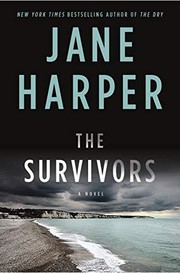
The Survivors
Kieran Elliott returns to Evelyn Bay twelve years after a storm killed his brother, and a young woman's murder forces the town to face what it has concealed.
2,571-word summary · 11 min read
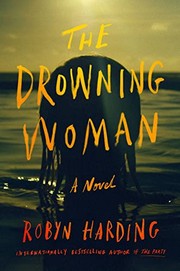
The Drowning Woman
Living in her car in Seattle, Lee saves a wealthy stranger from drowning. The friendship that follows draws her into abuse, murder, and a plan to disappear.
2,578-word summary · 11 min read

Girl, Forgotten
A rookie US marshal guards a judge with a stalker and ends up reopening the 1982 prom-night murder of the judge's pregnant daughter.
2,111-word summary · 9 min read
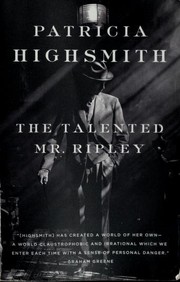
The Talented Mr. Ripley
A small-time con man is sent to bring a rich man's son home from Italy and decides to become him instead. Highsmith's amoral classic of the first antihero.
2,074-word summary · 9 min read

The Woods
Twenty years after two teenagers were murdered and two vanished at summer camp, prosecutor Paul Copeland identifies a fresh corpse as one of the missing.
2,490-word summary · 11 min read

The Redbreast
Harry Hole chases an ageing sniper through modern Oslo while two Norwegian volunteers on the Eastern Front carry a fifty-year-old betrayal toward a royal…
2,453-word summary · 11 min read
The Poet
A crime reporter investigates his twin brother's apparent suicide and uncovers a killer who leaves Edgar Allan Poe quotes behind, in the novel that took…
2,020-word summary · 9 min read

The Boy from the Woods
Wilde, found feral in a New Jersey forest in 1986, hunts for a missing teenager while a senator's secrets tear a wealthy town apart.
2,270-word summary · 10 min read

Razorblade Tears
Two ex-con fathers, one Black and one white, hunt their murdered sons' killers in a Richmond that never gave the boys a fair shake.
2,880-word summary · 13 min read
Gray Mountain
A Manhattan associate furloughed after the financial crash takes a year of unpaid legal aid work in Appalachian coal country, and finds the case of her life…
2,026-word summary · 9 min read