
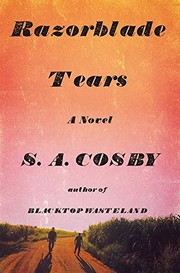
Reading options
What's inside (9 sections)
I picked up Razorblade Tears after a friend described it as a revenge story where the revenge is the easy part. That turned out to be true. S.A. Cosby published the novel through Flatiron Books in July 2021, and the hardcover runs 336 pages. It debuted on the New York Times bestseller list and later won the Hammett Prize. It moves fast, but it leaves a mark that has nothing to do with the body count.
The body count matters anyway. Ike Randolph is a Black man in rural Virginia, fifteen years out of prison and determined never to go back. He runs Randolph Lawn Maintenance, loves his wife Mya, and avoids police. Buddy Lee Jenkins is white, broke, divorced, and drinking his way through a trailer park, living on memories of the years he worked as a debt collector for a meth dealer named Chuly Pettigrew. The two men have almost nothing in common except prison time they do not discuss and sons who married each other.
Isiah Randolph, Ike's son, was a reporter at an LGBTQ paper. Derek Jenkins, Buddy Lee's son, worked at a bakery and was weeks from a promotion he never got. They met in college, married, made a home in Richmond, and were raising a three year old daughter named Arianna. Neither father had ever accepted the marriage. Then, on the couple's anniversary, someone shot them outside a wine store in Richmond, execution style, twice more in the face after they were already down.
The title comes from Ike's own description of his crying. The first time grief drops him, he is alone with a heavy bag in his shed, and his tears feel like razorblades coming out of his eyes. That image sits at the center of everything Cosby is doing. He is not writing about revenge as a cleansing fire. He is writing about two men whose sorrow has edges.
Two fathers at a funeral
Cosby does not open with the shooting. He opens with Ike answering his front door to two detectives, LaPlata and Robbins, and knowing before they speak that his life has split in two. He is a Black man and an ex-con, and police at the door have only ever meant misery. When LaPlata asks whether Isiah Randolph is his son, Ike does not need the rest of the sentence.
The funeral is where the book's real engine starts. The church is half full. The families sit in separate pockets. A reverend named J.T. Johnson delivers a sermon that keeps sliding toward the word abomination, and Ike confronts him over it in the parking lot while Buddy Lee watches. Mya cuts her husband off with the scene's hardest line, telling him the reverend did not say anything worse than Ike had said himself. That is the wound the whole novel works on. Ike disowned his son's marriage in small ways and big ones, and now his son cannot hear an apology.
Buddy Lee introduces himself at the service with the social grace of a man who has not had a real conversation in years. He thanks Ike for arranging the funeral, notices an old tattoo on Ike's hand, and then confesses that he once caught Derek kissing a boy at fourteen and whipped him for it. Ike is too stunned to answer. Later Buddy Lee explains that he was not unburdening himself. He was checking whether Ike carried the same guilt, and Ike did.
I kept thinking about what Ike never got to take back. His last real conversation with Isiah was an argument about the wedding announcement, in which Ike said that a child with two fathers would grow up confused. Boxing used to be how the two of them talked, before Isiah said he did not enjoy hurting people. Cosby plants that detail early and lets it sit. Ike's whole life has been organized around violence, and his son's gentleness was a quiet rejection of him.
That symmetry is what the book is built on. Two men failed their sons in different registers, one with cold silence and one with open cruelty, and neither one gets to repair it. They only get to act.
A cold case and a desecrated grave
Two months pass. The murders stop being news. The police move the file to inactive, which Ike expected from the start, because he knows exactly how much effort a Black reporter and his white husband are worth to a Virginia department with a full plate. Buddy Lee shows up at Ike's shop with a plan nobody asked for. People talk to us, he says, because we are not cops. Ike tells him to leave. Buddy Lee goes, but not before writing his number on the back of a receipt.
Ike's life is small and mostly good. Mya works as a nurse. Arianna has moved in with them, too young to understand why her fathers are gone. Ike keeps a clean shop and a pact with himself about the kind of man he is now. He also keeps the old name, Riot, and the reputation that comes with it.
Then someone vandalizes the graves of Isiah and Derek, smashing the headstones and spraying slurs across them. Ike decides he is in. He lays out rules for Buddy Lee, the most important being that when they find who did this, they will not call the police. They will handle it themselves. Buddy Lee agrees immediately, which should tell you something.
Ike's fear is not that he will get hurt. It is that once he lets Riot out of the cage, he may not get him back in. Grief hands him a reason to spring the lock.
I will spoil the twist here, because a summary should be honest and this one is load bearing: Buddy Lee desecrated the graves himself to force Ike into the hunt. He admits it much later, in a hospital room, and it lands like one more betrayal in a book full of them. It also makes a terrible kind of sense. Buddy Lee cannot ask for help directly, so he manufactures an atrocity instead. Cosby does not let Ike forgive him quickly, and the partnership never feels clean again.
Learning their sons through strangers
The investigation is the novel's spine. Ike and Buddy Lee knock on doors, visit a bar called Garland's, question Isiah's editor Amelia Watkins, and work through people who knew the couple better than either father did. Amelia, a lesbian whose own father rejected her, gives them their first real lead. Derek's coworker at the bakery mentions a party catered by the couple and hosted by a producer named Tariq Matthews, who performs a gangster persona called Mr. Get Down. Tariq knows a woman named Tangerine. Tangerine is the piece everyone wants.
Along the way the fathers meet a small leftist group called the Blue Anarchists. The kids are sincere and out of their depth. Ike breaks the pinky of a young man named Bryce just to confirm he is not lying, and Buddy Lee whoops in the truck afterward like they won a ballgame. Ike does not answer him. That moment shows what the hunt is doing to both men. Buddy Lee treats it as a hobby that finally makes sense, and Ike can feel himself getting younger in the worst way.
They also visit a barbershop run by an old acquaintance of Ike's, Slice, who has become a gun dealer and runs a crew called the North River Boys. Slice arranges for Tariq to answer questions, which gives them Tangerine's address. What Ike does not know is that Slice sells the same address to the bikers hunting her. In this book, information always has a buyer, and the buyer is usually smarter than the seller.
The Rare Breed wants something too
The gang is called the Rare Breed, a white nationalist motorcycle club that runs guns on the side and treats casual cruelty as a membership requirement. Its president is a man named Grayson, who has a wife named Sara and a son named Jericho and who keeps his men in line by hurting them. His vice president is Dome, his sergeant at arms is Gremlin, and two prospects, Andy and Oscar, are trying to earn their patches.
The fathers and the gang collide at Isiah and Derek's townhouse. Andy and Oscar break in looking for clues about Tangerine, and Ike and Buddy Lee arrive to do some looking of their own. The fight is improvised and ugly: a jar of jelly, a toilet tank lid, a broken nose, a knife. They take Andy captive and question him at the landscaping shop. He does not know much, and when he tries to fight his way out, Ike kills him with a tamper and gets rid of the body using the tools of his own trade. Buddy Lee helps. Neither man shows a moment of doubt about the work.
That scene is the point of no return, and Cosby writes it flat, without music. From there the violence stops being a tool and becomes a schedule. Grayson's men come to the shop and threaten Ike in front of his secretary, Jazzy, who answers by pulling a revolver on them. The gang follows Ike home. The war is mutual now, and the quiet life Ike built is already over, even if he survives it.
The fathers reach Tangerine at an isolated house outside Bowling Green, where she lives with her mother, Lunette. Tangerine is a trans woman, guarded and exhausted, and she wants nothing to do with any of this. She is also the key to the whole thing. Before they get far, the Rare Breed shoots up the house. Lunette is killed. Tangerine takes a bullet in the arm, and Ike and Buddy Lee drag her out. Mya, a nurse, patches her up at Buddy Lee's trailer, and Jazzy hides her.
Cosby gives Tangerine her own anger, including at the fathers whose sons died because of her connection to a powerful man, and the book lets her keep it.
Then the gang raises the stakes in the worst way available. On the road back to Ike's house, a truck driven by Grayson rams the car carrying Mya, Buddy Lee, and Arianna. Arianna is taken. Mya is left with a fractured skull and damage to a lung, her spleen, and her intestines. Buddy Lee walks away with injuries of his own and a confession he can no longer avoid.
The judge behind the curtain
At the hospital, Buddy Lee finally admits he wrecked the graves. Ike leaves the room furious, and for a while the partnership is over. What pulls it back is information. Christine, Buddy Lee's ex-wife and Derek's mother, calls to talk, and mentions her husband's full name: Gerald Winthrop Culpepper. Buddy Lee has been trying to decode a text on Tangerine's phone from someone saved only as W. Winthrop starts with W. Gerald is a judge, and Gerald is running for governor.
So Derek's stepfather ordered the killing of Derek and Isiah. Tangerine was his lover. Isiah, the reporter, was preparing to run her story. Murder was the campaign strategy.
An earlier scene at Derek's grave had already shown that Christine was embarrassed by her son and put her new life first. She skipped the funeral to protect her husband's optics. Cosby keeps his reveals grounded in people we have already watched be small.
Buddy Lee reacts the way Buddy Lee reacts. He drives his truck through the judge's garage door and starts wrecking the yard. He is arrested, and in a holding room Gerald visits him personally, no cameras, and lays out the deal. He wants Tangerine. In exchange, he will give them Arianna. He spends a little time mocking Buddy Lee's whole life and his tough guy act, and Buddy Lee gives it back. A man who has spent the book ashamed of himself is suddenly at his most alive, telling a judge exactly who he is and what he is not.
The characterization of Gerald is the thinnest part of the novel. He is a hypocrite in a good suit, a politician with a secret and a checkbook, and once you have met a few of those in crime fiction they stop surprising you. Grayson is similarly simple, a violent racist with a short fuse who never becomes more than that. Cosby's attention is all on the fathers, and the villains pay the price for it.
The exchange in the country
Ike and Buddy Lee stage a counter-move. They kidnap Gerald's father, Gatsby Culpepper, an old man with his son's appetites, using Tangerine as bait to get him out of his house without a struggle. The trade is arranged at a rural compound tied to a militia crowd that Buddy Lee knows through family. The place is stocked with weapons, which is useful, because Ike spends the day building a bomb out of fertilizer, nitrates, and gasoline from his landscaping supplies. He rigs a timer and a trigger on a metal drum.
Before the meeting, Ike tells Tangerine what he thinks of their plan. Folks like to talk about revenge like it's a righteous thing, he says, but it's just hate in a nicer suit. Coming from him, it is not a disclaimer. It is the most honest line in the book.
The exchange goes as badly as you would expect. Arianna is handed over, the shooting starts, and Ike, Buddy Lee, and the child drop into a privy and crawl out at the edge of the property while the compound detonates. The explosion takes most of the Rare Breed with it, plus the motorcycles, plus Gatsby, plus any chance of walking away clean. Gerald survives the blast long enough to beg. The fathers make a choice the book does not describe in detail and does not let you skim past either.
Grayson is still alive when they reach the truck, and he has Arianna again. This is where Buddy Lee's lifetime of bad decisions finally buys something good. He puts a knife into Grayson's neck. Grayson's gun goes off. The bullet finds Buddy Lee's abdomen.
Then the quieter reveal, the one the whole book has been hiding in plain sight. Buddy Lee has been sick the entire time. The cough at the trailer, the blood, the way he treated the hunt like a last errand. He dies beside the man who killed his son with Ike holding him, and he dies without asking for anything. Go back and reread his scenes and the foreshadowing is everywhere.
What stays with you
Cosby lands the ending months later. Tangerine works in Ike's office and has become part of the family's orbit. Detective LaPlata stops by to say that nobody believes Buddy Lee pulled all of this off alone, and that the watching has not even started. There is no arrest, no exoneration, and no promise that the killing is finished. Ike understands exactly what the detective means and does not flinch.
The last scene is at the cemetery. Buddy Lee is buried next to Isiah and Derek, under a stone that reads Buddy Lee, because that is how Ike insisted on it. Ike talks to his son, tells him he loves him, and makes a promise about Arianna that he can actually keep. He cries, and the tears finally feel like rain instead of razorblades. I am not going to pretend that image is subtle, but it earns its place.
What makes the novel work is the pairing. Ike and Buddy Lee never become glossy buddies. They argue about race, about manners, about whether Buddy Lee is too drunk to be useful, and they keep going because they are the only two people alive who share this particular shame. The changes in them are small and specific. Ike learns to see his son through the eyes of people who liked him. Buddy Lee learns that his idea of honesty was mostly an excuse for cruelty. Neither one is cured, and the book is better for it.
What does not work as well is the machinery around them. The last act turns into a set piece with a bomb and a militia compound, and some readers will find the escalation numbing rather than cathartic. The conversations about race and sexuality are occasionally delivered as speeches, and a few state the themes more plainly than the scene requires. The plot also echoes Blacktop Wasteland in the way it builds toward one violent reckoning.
The reception suggests I am not alone in weighing it toward the positive. It was a New York Times bestseller, Kirkus gave it a starred review, and it won the Hammett Prize along with other crime-fiction awards, plus Edgar and Gold Dagger shortlist nods. Jerry Bruckheimer's company optioned it for Paramount.
None of that is why I kept thinking about the book for days. Cosby writes grief as a physical condition, something with weight and temperature, and he lets two hard men find a way to be worth something to the people they have left. The violence is heavy, the guilt is heavier, and the novel is honest about which of the two lasts.
FAQ
Is Razorblade Tears as violent as people say?
Yes, it is graphic. Two ex-convicts interrogate and kill their way through Richmond, and the novel does not look away from the violence or its cost.
What awards did it win?
It won the ITW Thriller Award for Best Hardcover Novel and the Hammett Prize in 2022, and it was a New York Times bestseller.
Does it connect to Blacktop Wasteland?
No. It shares a region with Blacktop Wasteland but not characters or plot, so it reads as a standalone.
Similar books

Bad Luck and Trouble
A deposit of $1,030 summons Jack Reacher back to his old army unit, which is being picked off one name at a time.
2,366-word summary · 11 min read

The Redbreast
Harry Hole chases an ageing sniper through modern Oslo while two Norwegian volunteers on the Eastern Front carry a fifty-year-old betrayal toward a royal…
2,453-word summary · 11 min read

What She Knew
Rachel lets her eight-year-old son run ahead in a Bristol park, and the nine-day search turns her into a suspect in the public eye.
2,952-word summary · 13 min read

The Beach House
A young valet is beaten to death at a Hamptons party, and his law-student brother spends a year building a case against the family that covered it up.
2,049-word summary · 9 min read

Six Years
A professor who promised to forget the woman he loved sees her husband's obituary and discovers that the wedding, the marriage, and the woman herself may never…
2,076-word summary · 9 min read

The Trespasser
A Dublin Murder Squad detective investigates a staged dinner-party killing and finds a cover-up that reaches into her own department.
2,051-word summary · 9 min read

Rules of Prey
Minneapolis detective Lucas Davenport hunts a killer who leaves a new rule at every scene and treats murder as a game of wits.
1,914-word summary · 9 min read
Ace of Spades
Two Black seniors at an elite academy are celebrated by day and hunted by an anonymous texter in this YA thriller about institutional racism.
2,066-word summary · 9 min read

The Late Show
Exiled to the LAPD night shift after accusing her supervisor, Renée Ballard keeps two cases that were meant to be handed off at dawn: a brutal assault and a…
2,563-word summary · 11 min read

4th of July
Lindsay Boxer shoots two armed teenagers in self-defense, faces a wrongful-death trial, and spends her leave chasing a string of throat-slashing murders in…
2,192-word summary · 10 min read
The Camel Club
Four Washington misfits witness a murder on Roosevelt Island and stumble into a conspiracy that reaches the Oval Office, with a hostage president and a nuclear…
2,354-word summary · 10 min read
Persuader
Reacher goes undercover in a Maine crime family to find a missing DEA agent and the man he once failed to kill, and Lee Child keeps the whole thing tight,…
2,278-word summary · 10 min read

61 Hours
A bus crash strands Jack Reacher in a snowbound South Dakota town where a drug gang, a corrupt police force, and a single witness are on a collision course.
2,227-word summary · 10 min read
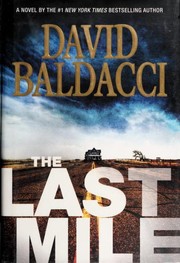
The Last Mile
Melvin Mars is hours from execution for his parents' murder when another man confesses, and FBI cold case detective Amos Decker goes looking for the trap.
2,746-word summary · 12 min read

Still Missing
A realtor is abducted at a Vancouver Island open house and held for more than a year. Told through therapy sessions, the novel follows her escape and the hunt…
2,466-word summary · 11 min read

3rd Degree
The third Women's Murder Club novel follows a San Francisco terror cell and a three-day killing schedule, and it costs the club a member.
2,685-word summary · 12 min read

Worth Dying For
Reacher stops for one night in rural Nebraska and finds a family that runs the county, a missing girl and a shipment worth killing for.
2,021-word summary · 9 min read

Say You're Sorry
A widowed prosecutor defends the teenager accused of killing her babysitter, uncovering a small town's secrets and a killer hiding in plain sight.
2,116-word summary · 9 min read
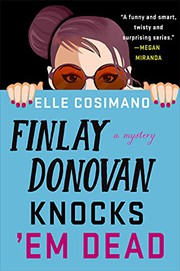
Finlay Donovan Knocks 'Em Dead
Someone has put a contract on Finlay Donovan's ex-husband, and the novelist and her nanny have to find the hitman before the school pickup.
1,990-word summary · 9 min read

Echo Burning
Reacher hitches a ride with a Texas woman who wants her abusive husband killed, then has to prove she did not murder him when he comes home.
2,209-word summary · 10 min read
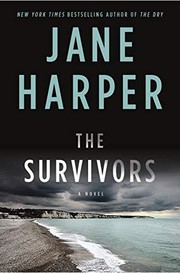
The Survivors
Kieran Elliott returns to Evelyn Bay twelve years after a storm killed his brother, and a young woman's murder forces the town to face what it has concealed.
2,571-word summary · 11 min read

One of Us Is Dead
In Buckhead, Atlanta, five women narrate a murder among manicures, fundraisers, and social warfare. Jeneva Rose's 2022 thriller is a gossipy revenge fantasy…
2,471-word summary · 11 min read

Girl, Forgotten
A rookie US marshal guards a judge with a stalker and ends up reopening the 1982 prom-night murder of the judge's pregnant daughter.
2,111-word summary · 9 min read
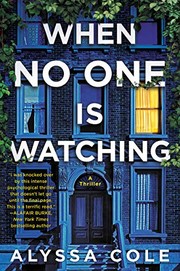
When No One Is Watching
Sydney Green watches her Brooklyn block's Black residents vanish one by one in Cole's Edgar-winning thriller about gentrification as a crime scene.
2,165-word summary · 10 min read

The Woods
Twenty years after two teenagers were murdered and two vanished at summer camp, prosecutor Paul Copeland identifies a fresh corpse as one of the missing.
2,490-word summary · 11 min read
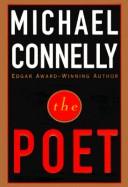
The Poet
A crime reporter investigates his twin brother's apparent suicide and uncovers a killer who leaves Edgar Allan Poe quotes behind, in the novel that took…
2,020-word summary · 9 min read

The Boy from the Woods
Wilde, found feral in a New Jersey forest in 1986, hunts for a missing teenager while a senator's secrets tear a wealthy town apart.
2,270-word summary · 10 min read

Broken Harbor
A family is found slaughtered in a half-built Dublin estate where no one broke in, and star detective Scorcher Kennedy must explain the holes in the walls.
2,308-word summary · 10 min read
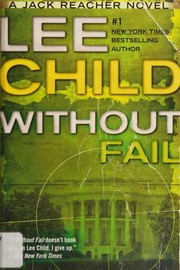
Without Fail
Reacher is asked to test vice presidential security by planning to kill.
2,084-word summary · 9 min read
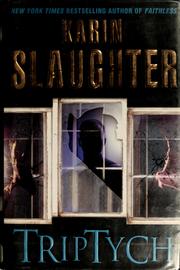
Triptych
A GBI agent with dyslexia hunts a rapist while two Atlanta cops hide pasts.
2,576-word summary · 11 min read