
Reading options
What's inside (7 sections)
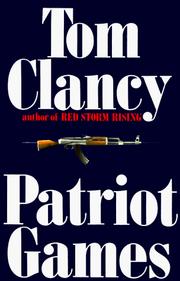
I came to Clancy through submarines and stayed for the family under fire here. Patriot Games by Tom Clancy was first published in August 1987 by Putnam, a 540 page hardcover with ISBN 9780399132414. Jack Ryan is on vacation in London with his wife and baby when terrorists attack the Prince and Princess of Wales. He steps in. I read it in four nights, pausing at technical passages to look at maps, which Clancy practically invites.
Jack Ryan at this point is not the president from later books. He is a CIA analyst and ex Marine with a bad back, teaching history at Annapolis, in London to research. His wife Cathy is an eye surgeon. Their daughter Sally is small. They are tourists taking photos when the Ulster Liberation Army, a splinter group Clancy invents from IRA roots, tries to kill royals in the street. Ryan tackles a gunman, takes a shoulder wound, and watches another terrorist die. Cameras catch it. Gratitude follows. So does a death threat from the one who got away.
That survivor is Sean Miller, young, skilled, and furious. His brother died in the attack. He blames Ryan personally. In prison he vows revenge. Outside, his comrades plan to free him and to finish the job on a bigger stage. Ryan testifies at the trial, gets a knighthood that embarrasses him, and goes home to Maryland hoping the ocean between helps. It does not.
London attack and trial
The opening attack is staged with Clancy eye for streets and timing. A mall. A Rolls. A security car that turns wrong. Ryan notices a man with a coat too heavy for weather. Cathy pushes the pram back. Shots. Ryan moves without thinking, which is the point Clancy makes about Marines. Training outlives employment. He disarms one man, gets shot by Miller, and holds on until police come. The Prince thanks him in hospital. The press calls him hero. He hates it.
Trial chapters show Ryan as witness, not action star. He studies faces. He answers barristers plainly. Miller stares the whole time. Convicted and sent to the Isle of Wight, Miller meets an insider who will help him escape. Ryan returns to teaching, trying to turn the event into a lecture about terrorism and responsibility. Students ask if he would do it again. He says yes and wishes the answer cost less sleep.
Clancy uses the trial to set rules for the rest. Terrorists have lawyers, appeals, and sympathizers. Intelligence has procedures, rivalries, and leaks. The ULA, led by Kevin O'Donnell, wants spectacle to raise money from Americans who romanticize the cause. Miller is their poster. Freeing him proves reach. Killing Ryan proves resolve. Both goals merge into one plan that will cross the Atlantic.
A practical note. Names pile up fast. British police, CIA handlers, SAS men, ULA fundraisers. Keep a list of who works for whom. It helps. The tech is lighter here than in Red October, more about surveillance photos and phone taps than sonar. If you are new to Clancy, this is a friendlier door than submarines. Streets, not sea.
Home to Maryland
Back home, Ryan tries normal. Classes. Soccer with kids. A house on the Chesapeake with a deck that needs paint. Cathy operates. Sally learns words. The CIA asks for consults he mostly declines. He thinks London was an exception. Clancy knows exceptions teach habits to enemies. O'Donnell studies Ryan house from photos. Where is the road. Where is the water. When does the state trooper drive by.
The escape happens on a foggy night with inside help and a boat. Miller gets out. Headlines scream. Ryan gets a call at 3 a.m. and feels the old shoulder wound ache. Security is offered. He accepts more than he wants and less than he needs, because a house cannot be a base without becoming a prison. Cathy argues for normal school runs. Ryan argues for varied routes. Both are right. Fear cannot set the whole schedule, but ignoring it invites the worst.
subplots fill the middle with tradecraft. CIA and FBI bicker over who owns the case. British intelligence shares selectively. An arms dealer in Libya moves parts. A fundraiser in Boston moves money. Clancy follows money and guns with patience that some readers love and others skim. I skimmed one container ship manifest and missed nothing. The point is networks, not single villains. Cut one route and money finds another.
Family scenes ground it. Cathy operating on a child with a tumor while worrying about her own. Sally asking why a policeman sits outside school. Ryan trying to answer honestly without scaring. A dinner with friends where everyone avoids London talk until too much wine brings it out. These pages make the later attack hurt more than any briefing. You know what movie night looks like in that house.
If there is a drag, it is the middle security debate where experts explain cameras and alarms for pages. Necessary for stakes, but dry. I marked one line from a state trooper that sums it. Locks keep honest people honest. Determined men need people watching, not gadgets. That warning pays off when gadgets fail.
The attack on the house
The final assault is long, dark, and well mapped. The ULA team comes by water at night, cutting power, jamming phones, and hitting the house from two sides. Ryan is home with guests, including the Prince and Princess visiting America, which raises stakes from family to incident. Cathy and Sally are in the line. The trooper outside is first hit. Lights go. Dogs bark. Boats bump a dock built for crab pots, not commandos.
Clancy stages the defense with clear geography. Stairs. Deck. Basement. Where is each child. Who has a gun and training. Ryan, bad back and all, moves between rooms with a shotgun he hates to own. Cathy hides Sally and operates on instinct from ER rotations. Stay low. Keep pressure. Do not scream where they can hear. Friends help. A neighbor calls. FBI races with sirens that feel too far. The pages turn fast because space is tight and everyone knows the house from earlier dinners. You can draw it.
Miller is not a faceless gunman here. He wants Ryan to watch before dying. He says so. That vanity saves the Ryans because talk wastes time professionals do not have. O'Donnell wants hostages for cameras. Miller wants revenge for blood. Their split in the middle of the attack, argued in whispers while Ryan listens from a closet, gives Ryan the opening he needs. Terrorists who want different endings make mistakes. Clancy uses that truth well.
The boat chase after clears the house but keeps tension. Fog on the Chesapeake. Wrong lights. A Coast Guard cutter that cannot fire freely with civilians aboard. Ryan, despite orders, goes along because he knows faces. The final confrontation on water is less about heroics than about exhaustion. Men who have been awake for a day making bad choices with guns. When Miller dies, it feels like relief rather than triumph. No speech. Just cold water and sirens.
What wears is body count among minor guards and boatmen who get names only to die. Clancy honors service but moves on fast to keep pace. One trooper death deserved a beat more. The main family survives mostly intact, which feels kind after such odds. I accepted it because the theme is protection, not sacrifice. They prepared enough, not perfectly.
What works is the argument about ordinary courage. Ryan is not Superman. He throws up after shooting. He apologizes to Cathy for bringing work home in the worst way. He testifies again without relish. The medal stays in a drawer. That modesty separates Clancy heroes from action figures. Do the job. Go home. Fix the deck. That is the whole moral, and it holds.
Intelligence work and the long middle
The middle third is where Clancy fans either settle in or skim, and it deserves a fair hearing because procedure is the point. After the trial, Ryan returns to Annapolis to teach history while the CIA keeps him on a short consult list. He briefs students on terrorism with slides that feel academic until Miller escape makes them personal. Those classroom scenes show Ryan as teacher first, which explains why he later leads. He explains clearly under pressure. Students ask what he would do. He tells them thinking beats shooting most days, then proves it when shooting starts.
The hunt for Miller money trail takes up many pages with banks, charities, and Boston fundraisers. O'Donnell raises cash from Americans who think they fund freedom fighters. Clancy follows dollars through front groups with patience that feels slow until you realize how terrorism actually funds. Dinners. Pubs. Pledges. A priest who looks away. An FBI agent who takes notes at a bar while pretending to drink. These chapters lack gunfire but build dread. Every dollar raised buys a boat motor that will later head for Ryan dock.
British and American agencies spar over sharing, which Clancy writes with bureaucratic accuracy that veterans praise. Who owns Miller now that he escaped British custody but threatens Americans. What can be shared without burning sources. A liaison who likes Ryan pushes files across. A supervisor who dislikes heroes slow walks requests. Ryan navigates by being useful rather than important. He writes a memo that predicts the home attack pattern, citing London tactics moved to Maryland water. The memo gets filed, then pulled after the escape, then acted on late. That delay feels true to anyone who worked in large organizations.
Cathy Ryan work as an eye surgeon gets strong pages that balance the guns. She operates on a child with a tumor while worrying about Sally school pickup. She argues with hospital admins about schedules. She notices Ryan checking locks and does not mock it. Their marriage works because both do consequential work and respect tiredness. A scene where she practices telling Sally about danger without scaring her shows parenting under threat better than any briefing. Honest words. Calm voice. Extra hug.
If there is a drag, it is the satellite and sub details Clancy cannot resist. A passage on how cameras track boats from orbit runs long. I skimmed one technical sidebar about radar horizons and missed nothing. The payoff, when fog defeats fancy sensors and human eyes matter, justifies some setup but not all. Readers new to Clancy should know this is his signature. Gear gets paragraphs. People get pages. Both serve the idea that tools help but humans decide.
Why the house fight lands
It helps to name why the final home invasion works after so much procedure. Clancy spent three hundred pages teaching you the house. Where Sally sleeps. Which stair creaks. How the dock lights work. When the trooper drives by. That domestic mapping turns a thriller set piece into a home invasion that hurts. You are not watching strangers in a mansion. You are watching a family you ate dinner with defend a kitchen you know.
Miller and O'Donnell split deserves emphasis because it shows terrorism fracturing under ego. O'Donnell wants cameras and hostages to trade. Miller wants Ryan to watch his family die before he dies. Those goals cannot both happen in one night. Their whispered fight in Ryan hallway, with Ryan listening from a closet holding his breath, is the book in miniature. Politics versus blood. Professionals versus avengers. The professionals lose because blood shouts louder. That truth applies beyond fiction. Movements split when revenge outruns strategy.
Aftermath chapters give the book its decency. Funerals for guards with folded flags. Hospital time for Cathy and Sally that is not rushed. Ryan testifying again with less anger and more precision. The Prince calling to thank and to apologize for bringing danger as a guest. Ryan saying no apology needed, meaning it, and then fixing the dock with his own hands because work steadies. No sequel hook. Just a family deciding to stay in the house that was attacked, with better locks and the same view. Staying is bravery too.
Read it if you like grounded thrillers with family at center. It pairs well with maps and patience for procedure. Do not expect cinematic one liners. Expect briefing rooms, varied routes, and a father checking locks twice. By the last page you will understand why Ryan later rises. He does paperwork under fire and remembers names of guards. That is leadership in Clancy world. Competence plus care, repeated when tired.
FAQ
When was Patriot Games published?
Putnam published it in August 1987. It runs 540 pages and the hardcover ISBN is 9780399132414.
Is it part of a series?
No. It stands alone here, though Jack Ryan returns in other Clancy novels. You can start here.
Similar books
Clear and Present Danger
Jack Ryan uncovers a secret U.S. drug war in Colombia and fights to bring abandoned soldiers home.
2,954-word summary · 13 min read
The Hunt for Red October
Soviet captain Ramius defects with stealth sub Red October while Jack Ryan must prove intent.
2,305-word summary · 10 min read
American Assassin
Before he became the CIA's most feared counterterrorist, Mitch Rapp was a Syracuse student mourning his girlfriend, killed on Pan Am Flight 103. Then came…
2,114-word summary · 9 min read
The Troop
A Boy Scout troop on a Canadian island takes in a stranger who cannot stop eating, and the worm inside him turns a camping trip into a war.
2,457-word summary · 11 min read

The Chemist
A former government interrogator on the run takes one last job, then learns the case she was handed was built to pit her against him.
2,249-word summary · 10 min read

Bad Luck and Trouble
A deposit of $1,030 summons Jack Reacher back to his old army unit, which is being picked off one name at a time.
2,366-word summary · 11 min read
Tinker, Tailor, Soldier, Spy
Retired spymaster George Smiley is brought back to find a Soviet mole inside British intelligence, and the trail leads through old friends, old betrayals, and…
2,092-word summary · 9 min read
The Broker
A disgraced Washington lobbyist is pardoned and hidden in Bologna, where the CIA uses him as bait to find out who wants a stolen satellite.
2,211-word summary · 10 min read
The Affair
In 1997, Reacher goes undercover in a Mississippi town where a murder near an army base collides with a senator's power. The case that ends his military career.
2,039-word summary · 9 min read
Stormbreaker
A fourteen-year-old boy loses his uncle, then his ordinary life, when MI6 sends him undercover to a Cornish computer plant where the giveaway machines hide a…
2,822-word summary · 13 min read
Gone Tomorrow
Reacher stops a suicide bomber on the subway, then hunts her handlers.
2,308-word summary · 10 min read
The Spy Who Came In from the Cold
A burnt-out Berlin agent takes one last mission that requires him to look like a traitor.
2,578-word summary · 11 min read
The Enemy
In January 1990, MP major Jack Reacher investigates a dead general, a stolen briefcase, and three murders tied to an Army power struggle.
2,123-word summary · 9 min read
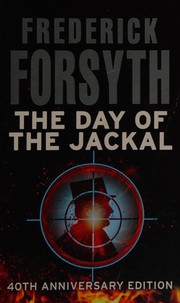
The Day of the Jackal
An English assassin takes an OAS contract to kill de Gaulle while a quiet French detective races to stop him in 1963 Paris.
2,969-word summary · 13 min read

The Girl Before
Jane moves into minimalist One Folgate Street and must face what happened to Emma before it repeats.
3,562-word summary · 16 min read

Invisible Girl
A missing teen, a strained marriage and a doxxed loner collide in London.
1,996-word summary · 9 min read
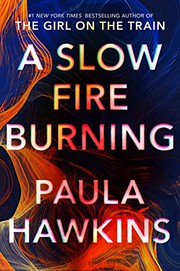
A Slow Fire Burning
A young man stabbed on a London houseboat leaves three simmering women and a stolen memoir behind.
2,074-word summary · 9 min read
The Bourne Supremacy
David Webb is pulled back into Jason Bourne when an impostor kills in his name in Hong Kong and Marie is kidnapped. Ludlum's dense 1986 sequel stretches…
3,266-word summary · 15 min read
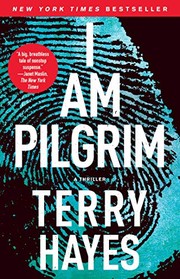
I Am Pilgrim
A retired spy turned crime writer is pulled back when a grisly New York murder points toward a hidden bioterror plot, and the hunt runs from forensics to the…
3,023-word summary · 13 min read
Career of Evil
A severed leg delivered to Robin forces Strike to face four men from his past as a London killer stalks, testing the agency and her wedding plans ahead.
2,887-word summary · 13 min read
The Silkworm
A missing novelist and a cruel manuscript pull Strike and Robin into London publishing.
3,583-word summary · 16 min read
The Bourne Identity
An amnesiac pulled from the sea hunts his identity as Jason Bourne while assassins and the CIA close in.
2,994-word summary · 13 min read
The Cuckoo's Calling
Broke detective Strike and temp Robin investigate a supermodel's fatal fall in London.
2,006-word summary · 9 min read
Digital Fortress
NSA cryptographer Susan Fletcher chases a killer code that could expose every secret, across Seville and Fort Meade.
2,125-word summary · 9 min read

What She Knew
Rachel lets her eight-year-old son run ahead in a Bristol park, and the nine-day search turns her into a suspect in the public eye.
2,952-word summary · 13 min read

The Beach House
A young valet is beaten to death at a Hamptons party, and his law-student brother spends a year building a case against the family that covered it up.
2,049-word summary · 9 min read

Six Years
A professor who promised to forget the woman he loved sees her husband's obituary and discovers that the wedding, the marriage, and the woman herself may never…
2,076-word summary · 9 min read

The Trespasser
A Dublin Murder Squad detective investigates a staged dinner-party killing and finds a cover-up that reaches into her own department.
2,051-word summary · 9 min read

Rules of Prey
Minneapolis detective Lucas Davenport hunts a killer who leaves a new rule at every scene and treats murder as a game of wits.
1,914-word summary · 9 min read

Ace of Spades
Two Black seniors at an elite academy are celebrated by day and hunted by an anonymous texter in this YA thriller about institutional racism.
2,066-word summary · 9 min read