
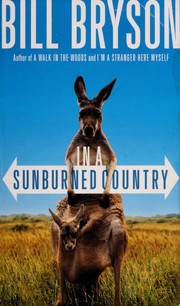
In a Sunburned Country
2,387-word summary 11 min read 335 pages in the book
- First published
- 2000
- Publisher
- Broadway Books
- Pages
- 335
- ISBN
- 9780965000284
Reading options
What's inside (8 sections)
I picked this one up because I wanted something funny after a run of heavy books, and a friend said if you like Bryson on the Appalachian Trail you will like him loose in Australia. That turned out to be right. The edition I read was the Broadway Books paperback from 2000, 335 pages, the American title for the book published in Britain as Down Under. I read most of it on trains, which fit, since so much of the book happens on trains.
The setup is simple and very Bryson. He had been to Australia once before, years earlier, for a brief work visit, and it left him with a warm feeling he could not quite explain. Australians were friendly in a way that felt unforced. The towns were tidy. The beer was cold. The whole country seemed both familiar and slightly tilted sideways from America. When he got a chance to go back and travel properly, with magazine pieces to write and a book to make from them, he said yes fast.
He does not pretend to be an expert. He lands in Sydney with a tourist map, comfortable shoes, and a head full of half remembered school facts. Captain Cook. The First Fleet. The outback. The reef. He knows Sydney has the Opera House and that Canberra is the capital though most outsiders guess Sydney or Melbourne. Beyond that he is happy to learn in public, by walking, riding, asking, and reading plaques in museums.
Going back to a place that felt like home
Bryson starts by explaining why Australia stuck in his mind. On that first trip he had expected something like America with different accents. What he found was easier. People talked to strangers. Bartenders joked around. Hotel clerks gave directions as if they had nothing better to do. The cities felt safe to walk at night.
He admits this is a tourist view. He was there briefly and saw the good parts. Still the feeling stayed with him, and in later years he kept meeting Australians in London and America and finding the same ease. They seemed amused by themselves, quick to laugh, not hung up on rank. He began to think of Australia as the most comfortable foreign country for an American to visit, close enough in language to feel at home, strange enough in animals and history to keep you alert.
So he plans a return in stages. He will not rush it. He will cover the east coast cities first, then swing south and west, then head for the center and the north. The book follows those trips in order. Early on he treats a three hour ride as a big day. Later he boards trains that run for two nights and packs sandwiches without complaint.
I liked this opening because it sets the terms. He is not moving to Australia. He is not solving Australia. He is a curious visitor with time, tickets, and a notebook. When he does not know something, he says so and goes to find someone who does. Friends warn him about heat, flies, sharks, and snakes, and he packs sunscreen, a hat, and books about explorers for the long rides.
Sydney sparkles and Canberra puzzles him
Sydney gets the full Bryson walking treatment, and it is some of the happiest writing in the book. He loves the harbor right away. The water is wide and blue, ferries cross back and forth, and the Opera House sits near the water with those white shells that look better in person than in photos. He walks around Circular Quay, watches street performers, and rides a ferry to Manly just for the pleasure of the ride.
He does a day trip to the Blue Mountains, with eucalyptus haze in the valleys, steep cliffs, and towns with bakeries and bookshops for weekend walkers. He likes that office workers can be in that country in under two hours. Melbourne earns praise of a different kind, more European in feel, with trams, lane cafes, and a strong sports culture. He goes to a cricket ground as a curious outsider, asks neighbors to explain the game, and leaves only slightly less confused.
Adelaide charms him with churches, parks, and a slower pace. Perth, when he gets there later, strikes him as clean, bright, and oddly remote, a modern city facing the Indian Ocean with the sense that the rest of the country lies far away over a wide plain.
Canberra is the puzzle. On paper it should please him. It is leafy and orderly, full of national buildings and memorials. Parliament House is impressive, with grass on the roof and fine views. The War Memorial collection is genuinely moving. Yet the center can feel empty after hours, and dinner choices seem thin for a national capital. He walks from landmark to landmark and wonders where everyone eats.
His complaint is about street life, not importance. He wants crowds, noise, shopfronts, a reason to linger. That is fair, though I felt a little defensive on Canberra's behalf. He gives the museums credit and admits the plan for the city was bold. He just prefers towns that joke over towns that pose.
Trains across the outback and up to Alice
The train chapters are the heart of the book for me. Australia suits slow travel, and Bryson takes the Indian Pacific from Sydney to Perth, through farming country and then over the Nullarbor Plain, that famously flat stretch where the track runs straight for a very long time and red soil shows at the edges.
He is good on train life. The cabin is small but private. The dining car serves solid meals. Strangers trade stories about where they boarded. Stops in the night mean bright platforms, cold air, and staff calling times. He sleeps in bursts, wakes to new light, and watches gum trees give way to wheat, then to scrub, then to almost nothing.
From the window he reads about early crossings. Settlers and surveyors tried routes through dry country with horses, carts, and poor maps. Some made it. Many turned back thirsty and shaken. He reads these accounts in his berth with air conditioning and hot coffee close at hand, and the contrast amuses him without making him smug.
Later he rides The Ghan north toward Alice Springs, into heat and red earth, past cattle stations, roadhouses, dry creek beds, and blue ranges. Alice surprises him. He had pictured a tiny outpost and finds a real town with motels, tour offices, art galleries, and buses waiting to run to Uluru.
He handles Alice with care and some unease. The town lives off tourism, and the gap between comfortable visitors and struggling Aboriginal residents is plain on the streets. He walks around, talks to shopkeepers, visits museums, and notices who serves the drinks and who sleeps rough near the creek. He does not claim answers. He leaves that picture with the reader.
Uluru gets a respectful visit. He joins the crowds, walks part of the base, watches the rock change color as clouds move, and listens to guides explain why visitors are asked not to climb. He obeys, and he is glad, because the ground walk shows more anyway, stained walls, caves, plants in sheltered pockets, birds working the shade. The outback also brings flies, and Bryson writes about them as a man under siege. They cluster at eyes and mouths and ignore waving hands. He buys a fly veil, feels silly, then decides peace beats pride.
The Great Barrier Reef and a queasy boat
Queensland gives the book sunshine, sweat, and sea. Bryson heads to Cairns to see the Great Barrier Reef, which he has read about since childhood. He books a boat, packs sunscreen, and hopes for calm water. He gets a choppy day, a crowded deck, and a stomach that does not love swell.
He is honest about seasickness in a way that made me grin. He tries the rail, the horizon, ginger drinks, deep breaths. None of it works perfectly. When the boat anchors and passengers pull on masks and fins, he follows, still pale, and drops into warm water over coral.
What he sees cheers him up fast. Coral in plates and branches, bright fish moving in schools, a turtle gliding past, water so clear that depth looks false. He is not a diver and does not go deep. He floats, lifts his head to spit out water, puts his face back down, and kicks along while a guide points out clams and rays. For a while wonder beats nausea.
Back on shore he enjoys Cairns, with its esplanade, tour desks, and juice bars. Inland he visits rainforest pockets where air feels thick and birds call from high cover. A cableway ride over the canopy gives views down to valleys. He takes river trips, reads crocodile warnings, and obeys signs about swimming. Darwin gets a visit too, with harbor light, wartime history, markets, and heat that sits like a damp towel.
There is a sweet passage about small reef towns where nothing much happens and that is the point. He sits with coffee, watches boats, and thinks about Cook sailing unknown water with coral below. My complaint is that this section leans on transit. Boats cancel. Buses fill. He spends pages getting places, which is honest but slow. When he arrives, his eye sharpens, and the reef and forest pages are worth the wait.
Everything that can bite, sting, or eat you
Every Bryson book needs a comic set piece, and here it is the long catalog of Australian animals that could harm you. He loves the stories and does not want to meet the animals.
The list gets full play. Box jellyfish in northern waters in warm months. Sharks along surf beaches. Saltwater crocodiles in estuaries up north. Funnel web spiders around Sydney. Brown snakes and taipans inland. Blue ringed octopus in tide pools. Even cone shells get a mention, those pretty shells that hide a nasty sting. He reads warning signs aloud, collects pamphlets, asks about antivenom, and quizzes lifeguards about recent sightings.
What makes it funny rather than grim is his tone. He is not mocking Australians. He admires how calm they are. A lifesaver explains stinger season as if describing bus routes. A farmer talks about checking boots for spiders the way others talk about checking mail. A museum label notes in dry language that a certain snake is best left alone. Bryson copies these cautions down, then imagines himself stepping on exactly the wrong shell.
He also gives credit where it belongs. Harm from these creatures is rare, and he says so. Most visitors swim safely on patrolled beaches and never see a snake. The danger is real but managed by nets, patrols, signs, and sense. His fear is partly theater, and he knows it. He plays the jumpy American so locals can play the steady hosts.
Under the jokes he slips in real natural history. Kangaroos in fields at dusk, wallabies in scrub, koalas asleep in tree forks, wombats sturdy in the bush. Platypus earn a fond mention as proof that Australia makes animals by its own rules. Parrots, cockatoos, and kookaburras fill the trees. He visits wildlife parks and asks keepers simple questions that get good answers. His advice, plain between the laughs, is to treat warnings as instructions. Swim between flags. Wear a stinger suit when advised. Shake shoes before putting them on.
Explorers who walked the wrong way with style
Woven through the travel is a second book, a short history of Europeans finding and crossing Australia, and these are my favorite pages. Bryson loves brave, stubborn, unlucky explorers, and Australia offers a full shelf.
He starts with Cook and the First Fleet, ships feeling along coasts, mapping bays, naming points. Cook claims the east coast for Britain, and soon convict ships sail for Botany Bay. Bryson describes the landing, the move to Sydney Cove with its better water, the early hunger years, brick stores rising beside gum trees, officers writing homesick letters, garden seeds failing in thin soil. He likes small human details over grand claims.
Then come the inland expeditions, told with awe and disbelief. Men set out from Sydney or Adelaide with horses, carts, and hopes formed in green England. They find heat, spinifex, salt lakes, and creek beds that promise water and deliver dust. Burke and Wills get the fullest treatment. They cross from south to north with camels, quarrel, split parties, miss relief by sad margins, and perish in a story every Australian schoolchild knows. Bryson lets the plain facts carry the sorrow.
Other names pass through, Sturt, Eyre, Leichhardt, Stuart, each with a route and a hardship. He admires their grit while questioning their planning. Why carry so much flour and so little sense about water. Why refuse Aboriginal guidance that could have saved lives. Why chase a supposed inland sea across sand. He does not excuse the arrogance. He treats it as part of the story, alongside courage that still deserves respect.
He touches, more briefly than a modern reader might wish, on Aboriginal history. He notes that people lived across the continent for a very long time before ships arrived, with deep knowledge of water, fire, plants, and seasons. He visits museums and rock art sites and admits how little settler histories recorded. This is where the book shows its age. Written in the late 1990s and published in 2000, it gestures toward respect without giving Aboriginal voices as much room as a book written now would. Bryson senses the gap but does not close it. A new reader should pair these chapters with more recent writing.
He ends not with a grand claim but with contentment. After modern trains and motels with kettles, he thinks about what it cost to cross the same ground on foot with poor maps. Australia pleased him. It was funny, kind, handsome, and odd. Some middle chapters drag when museums blur and rides stretch, and a few jokes about sport feel tied to their era. Yet the voice holds, curious, self mocking, glad to be there. If you want a book that makes a long flight feel short, this is a fine one to pack.
FAQ
When was In a Sunburned Country published?
Broadway Books published it in the United States in 2000. The cited edition runs 335 pages, and in Britain the same book appeared as Down Under.
Did Bryson visit the whole country for this book?
No. He covers Sydney, Melbourne, Adelaide, Perth, Darwin, Alice Springs, Uluru, Cairns and the reef by train, boat, bus, and short flights, with many stops but not every town.
Is the book only jokes about dangerous animals?
No. The bite and sting stories are one thread. City walks, outback rail travel, reef visits, and explorer history carry much of the book.
Similar books
Notes from a Small Island
Bill Bryson's 1995 farewell tour of Britain, funny and fond, from Dover to London, the north, Scotland and Wales.
2,301-word summary · 10 min read
A Walk in the Woods: Rediscovering America on the Appalachian Trail
Bryson and friend Katz attempt the Appalachian Trail with blisters, bears, and laughs.
2,660-word summary · 12 min read

Down and Out in Paris and London
Orwell's account of washing dishes in Paris hotels and tramping through London does not ask for pity, only for a clear look at how poverty actually works.
2,282-word summary · 10 min read
Dry
A memoir of drinking, rehab and relapse, and the strange business of getting sober one morning at a time.
2,643-word summary · 12 min read

Dear Girls: Intimate Tales, Untold Secrets & Advice for Living Your Best Life
Ali Wong's debut collects fourteen letters to her daughters, covering sex, money, work, marriage, Vietnam, and being a working Asian American mother.
2,266-word summary · 10 min read
Travels with Charley
Steinbeck drives across America with his poodle Charley, looking for the country he remembers and finding a place that has changed.
2,039-word summary · 9 min read

Scrappy Little Nobody
Anna Kendrick's essays trace her path from a Portland childhood and Broadway to Hollywood, with jokes, anxiety, and a refusal to pretend fame fixed her.
2,092-word summary · 9 min read
Seriously...I'm Kidding
DeGeneres strings show stories and home jokes into light life advice.
2,292-word summary · 10 min read
Open Book
Simpson replays pop fame, love and drink through recovery work.
2,552-word summary · 11 min read
My Horizontal Life: A Collection of One-Night Stands
Handler turns dating disasters and family chaos into brash comic essays about single life in Los Angeles.
2,304-word summary · 10 min read
How to Be a Woman
Moran mixes girlhood and work stories into plain feminist advice.
2,600-word summary · 12 min read
The Girl with the Lower Back Tattoo
Amy Schumer mixes raunchy jokes with frank essays on family, dating, body image, and the shooting that pushed her into gun control advocacy.
2,259-word summary · 10 min read
Not That Kind of Girl: A Young Woman Tells You What She's Learned
Girls creator Lena Dunham's essays on work, bodies, love, and family, frank and funny with uneven edges.
2,156-word summary · 10 min read
Let's Explore Diabetes with Owls
Sedaris gets French dental work, feeds a kookaburra in Australia, shops for a stuffed owl in London, and survives China, airports and a colonoscopy.
2,538-word summary · 11 min read
Calypso
Sedaris buys a Carolina beach house, grieves his sister Tiffany, tends his aging father, and turns illness and marriage into dry family comedy.
2,835-word summary · 13 min read
Are You There, Vodka? It's Me, Chelsea
Handler mines family, jail, dating, and travel for brash essays where oversharing is both joke and shield.
2,186-word summary · 10 min read
When You Are Engulfed in Flames
In twenty two essays Sedaris tries to quit smoking in Japan, buys a skeleton, fights spiders in Paris, and files dry reports from France on family, country…
2,974-word summary · 13 min read
Surely You're Joking, Mr. Feynman!
Feynman drums, cracks safes, and learns by doing from Los Alamos to Caltech classrooms.
1,946-word summary · 9 min read
Zen and the Art of Motorcycle Maintenance
Father and son ride west while lectures on Quality and past madness intrude.
2,180-word summary · 10 min read
Naked
Growing up odd in Carolina, working bad jobs, and learning to watch people closely and kindly.
2,020-word summary · 9 min read
Dress Your Family in Corduroy and Denim
Sedaris on snow days, rental houses, Dutch Christmas, and the family that made him funny.
3,098-word summary · 14 min read
Kitchen Confidential: Adventures in the Culinary Underbelly
Bourdain on rough kitchens, past drug use, Les Halles years, and why you should never order fish on Monday.
2,562-word summary · 11 min read
Everything I Know About Love
Dolly Alderton recalls bad dates flatshares and female friendship in her twenties memoir.
2,194-word summary · 10 min read
Eat, Pray, Love
Eat, Pray, Love retold: divorce, Italy for pleasure, India for practice, Bali for balance.
1,962-word summary · 9 min read
At Home: A Short History of Private Life
Bill Bryson tours his own Norfolk rectory room by room to explain how private life and the modern home got built.
2,334-word summary · 10 min read

Long Walk to Freedom
Mandela's account of a Thembu childhood, a law practice, a banned movement, twenty-seven years in prison, and the negotiation that ended apartheid.
2,454-word summary · 11 min read

In Order to Live: A North Korean Girl's Journey to Freedom
A young North Korean girl crosses the Yalu, survives trafficking in China, and rebuilds her life in Seoul in this unsparing memoir.
2,027-word summary · 9 min read

Too Much and Never Enough: How My Family Created the World's Most Dangerous Man
Mary L. Trump's 2020 memoir traces how a cold, zero-sum Queens household shaped her uncle, and uses family tax documents to challenge his self-made story.
2,059-word summary · 9 min read
Same Kind of Different as Me
An art dealer and a formerly homeless sharecropper tell the story of the friendship that began at a Fort Worth mission and the woman who insisted on it.
2,023-word summary · 9 min read
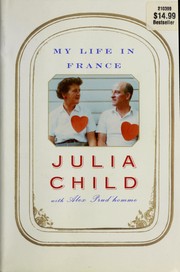
My Life in France
Julia Child's memoir of learning to cook in Paris, testing recipes for nine years, and becoming the teacher who changed how America thought about French food.
2,038-word summary · 9 min read