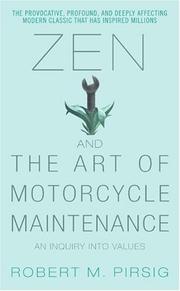
Zen and the Art of Motorcycle Maintenance
2,180-word summary 10 min read 540 pages in the book
- First published
- 1974
- Publisher
- HarperTorch
- Pages
- 540
- ISBN
- 9780060589462
Reading options
What's inside (7 sections)
I read Zen and the Art of Motorcycle Maintenance because a mechanic friend said it is the only philosophy book that explains why he talks to engines. Robert M. Pirsig published it in 1974. The HarperTorch edition I cite runs 540 pages with ISBN 9780060589462. A father and son ride motorcycles from Minnesota to California while the father lectures on Quality, technology, and madness. It is travelogue, memoir, and philosophy in one uneasy mix. It sold millions, confused many, and helped some. I finished it tired and clearer about why I get angry at stuck bolts, which is more than most philosophy does. Read slowly. Argue. Take breaks to ride or walk.
The ride itself is simple and well told. Narrator, unnamed at first, travels with eleven year old son Chris on one bike. Friends John and Sylvia Sutherland ride another. Roads through plains, mountains, coast. Camping. Diners. Rain. Pirsig writes physical travel with care. How to pack. How to check oil. How wind feels at sixty. Those passages will please anyone who ever fixed things. A scene where the narrator adjusts tappets by ear while Chris watches teaches attention better than any maxim. Listen to engine. Hear miss. Adjust. That listening is the book's method before it is theory. Practice first. Think after. If you never touched a wrench, the details may drag. Skim to next vista, but do not dismiss. Care for machines models care for minds. Both need tuning. Both protest when ignored. Learn to hear protest early. Saves breakdowns. Saves relationships. Same skill. Try it on a squeaky door this week. Listen. Oil. Notice mood lift. Small Quality. Collect.
Chris as son and mirror gives the book heart and unease. Eleven, bright, anxious, prone to headaches and withdrawal. He rides behind, asks why, gets lectures instead of answers. He wants father present, not professor. The narrator, who is recovering from electroshock for a past breakdown, tries to connect through stories about his former self, Phaedrus, a philosophy teacher who went mad chasing Quality. That split, narrator versus Phaedrus, confuses at first. Who speaks. Both, it turns out. Past self haunts present ride. Chris senses it. Are you Dad or someone else. That question hurts more than any engine failure. Parents who rebuilt after crisis will recognize fear. Will old self return. Will child pay. Pirsig does not resolve cleanly. He rides with question. That honesty helps more than tidy recovery tales. Healing loops. Keep riding anyway. Bring son. Talk while moving. Motion helps hard talks. Try difficult conversations on walks. Easier than staring across table. Road teaches. Use it.
Quality and ghosts
Quality is the book's famous idea and foggiest. Pirsig argues Quality precedes subjects and objects, that we know good before defining. A good motorcycle, a good sentence, a good day. Phaedrus, his past academic self, chased this idea through university committees until breakdown. The book retells that chase with transcripts and memories. Rhetoric versus dialectic. Art versus science. Romantic versus classical understanding. Those binaries will excite philosophy students and tire others. At 540 pages in the HarperTorch edition, the lectures run long. I skimmed twenty pages on university politics. No shame. Take what helps. Ask what makes work good beyond specs. That question improves jobs. A mechanic who hears Quality will torque bolts right even when no one checks. A writer who hears it will cut a clever line that harms. Listen for rightness beyond rules. You know it when you feel click. Trust click while checking. Both. That balance is the useful core under jargon. Feel plus verify. Practice daily. Notice when work clicks. Note conditions. Repeat conditions. Simple. Hard. Worth it.
Phaedrus as ghost needs unpacking because it structures the book. Before shock treatments, narrator was Phaedrus, brilliant teacher obsessed with Quality, who argued with colleagues, neglected family, slid into madness. After treatment, he forgot much and became calmer father on bike. Now memories return mile by mile. Is he becoming Phaedrus again. Should Chris fear. Pirsig writes this with clinical distance that chills. Hospital scenes described flatly. Names of doctors. Voltage. Consent forms. That flatness conveys trauma better than drama. Systems that erase to heal. What is lost when mind wiped. Son lost father even as father survived. That paradox will resonate with families of illness and treatment. Person returns altered. Love must relearn. Chris relearns on bike, testing if this father stays. Staying is answer. Keep riding. Keep explaining. Presence rebuilds trust faster than lectures. The book knows and still lectures. Forgive. Authors, like fathers, overexplain when scared. Hear love under lecture. Reply to love. Debate ideas later. Hug first. That order saved my reading when philosophy tired. Hug the story. Argue after. Both possible. Do in that order. Feel first. Think after. Ride on.
John and Sylvia Sutherland provide necessary normalcy and conflict. They ride BMWs, hire mechanics, drink, laugh, think narrator obsesses over maintenance. John calls technology the enemy. Sylvia mediates. Their fights about fixing versus enjoying will feel familiar to any group trip. One camper cleans stove while others watch sunset. Both right. Both annoyed. Pirsig uses them to stage romantic versus classical split. Sutherlands want bike to work without knowing how. Narrator wants to know how as part of riding. Neither position pure. Narrator judges them a little, which annoyed me. Who is he to scorn. He needs their company. Acknowledge that judgment as flaw, not wisdom. Good books contain flawed teachers. Learn while noticing flaw. I like fixing things and still hire plumbers. No shame. Interdependence is Quality too. Know enough to respect experts. Respect enough to learn basics. That middle path beats both extremes. Find yours. Oil what you can. Call help for rest. No guilt. Ride together anyway. Different bikes. Same road. Fine.
What drags and what lasts
What drags is length and repetition by design as journey. Plains chapters circle Quality without advancing. Mountain passes bring clarity, then valleys muddy. That rhythm mimics travel and thought, but readers wanting plot will stall around page 300. I put it down for three days to fix a faucet. Fixing helped understand. Return with hands dirty. Philosophy reads better after manual work. Try that. Read fifty pages, do dishes mindfully, return. The book rewards applied pauses. Do not binge 540 pages straight unless you love lectures. Pace with tasks. Oil chain. Read. Adjust valves. Read. Body learns alongside mind. That embodied reading is the point Pirsig would endorse. Quality in reading too. Sit well. Light good. Tea hot. Respect text with conditions. You will keep more. I did after switching method. Before, skimmed. After, underlined. Conditions matter. Create them. Honor book by how you hold it. Nice meta lesson. Use it.
What lasts is attention as ethics. Pay attention to motorcycle, to son, to road, and you act morally without rules. Ignore, and harm follows. Stuck bolt forced breaks. Child ignored withdraws. That simple claim cuts through moral theories. Presence as goodness. I tested it for a week after finishing. Listened to car noise before radio. Asked son about day without phone. Noticed toast burning before smoke. Small wins. Mood steadied. Coincidence. Practice anyway. Attention builds Quality moments that accumulate into good life. No grand conversion needed. Just look, listen, adjust. Repeat. The book's fame rests on that practical mysticism, not academic system. Take practice, leave system if system tires. Many do. Scholars still debate Quality metaphysics. Riders remember oil checks. Remember oil. Remember son behind you, holding. That image outlasts chapters on rhetoric. Hold it. Ride gentle. Check mirrors. Chris is there. So is your own passenger, whoever you carry. Carry well. Arrive together, even if late. Late together beats early alone. True on roads. True in families. True enough.
Who it is for
Read it if you like road books with ideas, if you fix things and wonder why it matters, if you want philosophy from experience rather than classroom. It is standalone, though Pirsig wrote Lila as follow up. Content is mild. Some language, discussions of mental illness and electroshock, no graphic violence. Family tension and past breakdown central. Suitable for adults and older teens patient with lectures, with care for mental health topics and breaks.
Facts to cite are a little layered across editions. First published in 1974. The HarperTorch edition cited here runs 540 pages with ISBN 9780060589462. Author Robert M. Pirsig, 1928 to 2017, wrote it over years after personal crisis. No series, though list tags Phaedrus as alter ego, not series. Tags that fit are philosophy, travel, memoir, technology, nonfiction.
I closed it wanting to check tire pressure and call my father, which is a strange double wish that feels right for this book. Machines and parents both need attention. Both repay. The 540 page HarperTorch book with ISBN above will not fix either. It will remind to look. Look at gauge. Look at son in mirror. Adjust. The road from Minnesota to California ends, but maintenance continues. Quality is not destination. It is how you travel. Travel well. Tighten what loosens. Loosen what binds. Keep riding with eyes open and heart less defended than Phaedrus at his worst. Arrive dusty and kinder. That is enough enlightenment for one trip. Take another when ready. Bring tools. Bring patience. Bring love that listens to engines and children alike.
Fixing as practice
What I actually did after closing was small and telling. Checked oil. Tightened a loose handlebar. Cleaned a chain I had ignored for months. Hands got dirty. Mind quieted. That quiet is the book's argument made physical. Attention settles. I thought about Chris watching his father work and learning that care is love. My own son watched me and handed wrenches. No lecture needed. Doing taught. The 540 page HarperTorch edition with ISBN 9780060589462 argues at length that Quality lives in caring acts, but one afternoon of acting proved more than chapters. Try the experiment before judging the philosophy. Fix one thing mindfully this week. Toaster. Bike. Drawer. Notice sounds. Feel fit. Do not rush to finish. Stay with stuck screw a little. Breathe. Try different angle. Ask for help if stripped. That patience transfers. I snapped less at emails after. Coincidence. Practice anyway. Attention is muscle. Exercise with machines where stakes are low. Then use strength where stakes are high, with people. Good transfer. Mechanics as moral gym. Who knew. Pirsig knew. Riders know. Join them. Start with tire gauge. Cheap. Easy. Immediate feedback. Good first rep. Do now. Then read another fifty pages with dirty hands. You will understand more. Promise. Tested. True for me. Try for you. Note results. Adjust. Keep.
Sutherlands also look different after you fix something. John hiring mechanics is not laziness. It is division of labor. I judged him with narrator on first read, then reconsidered while paying a plumber happily. Knowing when not to fix is also Quality. Respect experts. Pay fairly. Learn enough to describe problem clearly. That middle path beats purist shaming. If you ride with friends who do not wrench, do not lecture. Enjoy their company. Let them enjoy ride without maintenance guilt. Offer to teach if curious. Drop if not. Friendship outranks tappets. The book sometimes forgets in love of craft. You remember for it. Invite Sutherlands for dinner after ride. Talk about views, not valves. Both matter. People most. Keep people. Fix bikes together only if joy shared. Otherwise fix alone early, then ride free together. No resentment. Good rule for group trips generally. Do maintenance before, not during, unless emergency. Spare the group your philosophy unless asked. Share vista instead. Point. Gasp. Laugh. That shared awe is Quality too, no tools needed. Practice. Point more. Lecture less. Love more. Ride on.
Reading the hard parts
If Phaedrus chapters tire you, try reading them as letters from a past self rather than system. I am who I was before breakdown. Hear me. That frame softens academic combat. University fights about rhetoric versus dialectic mattered to a man losing mind. They may not matter to you now. Skim to the fear underneath. Will I disappear if ideas fail. That fear is universal. Students fear exam failure as erasure. Writers fear bad reviews as death. Parents fear mistakes as loss. Meet fear with compassion rather than refutation. Pirsig needed ideas to hold self together. When they slipped, he slipped. Hold people, not just ideas, when they slip. Chris holds father by riding behind despite fear. Hold like Chris. Stay on bike even when driver wobbles. Speak up when scared. Are you Dad today. Ask. Listen. Stay. That staying is the book's real philosophy, buried under Quality talk. Stay with wobbling people. Adjust speed. Do not jump off at speed. Wait for stop. Talk then. Simple. Hard. Worth more than definitions. Practice staying this week with someone difficult. Stay a little longer. Listen a little more. Adjust a little. Note what shifts. Often nothing dramatic. Just less alone. Enough. Enough counts. Keep. Ride home slowly. Check mirrors. They are still there. Good. Breathe. Home soon. Maintain. Love.
FAQ
When was Zen and the Art of Motorcycle Maintenance published?
First published in 1974. The HarperTorch edition cited runs 540 pages with ISBN 9780060589462.
Is it part of a series?
No. It is standalone, with Lila as follow up if you want more. Read fifty pages, fix something mindfully, return.
Similar books
More like Zen and the Art of Motorcycle Maintenance →
Homo Deus
After ruling the world, humans chase upgrades and delegate feeling to systems that know patterns.
2,013-word summary · 9 min read

Kitchen Confidential: Adventures in the Culinary Underbelly
Bourdain on rough kitchens, past drug use, Les Halles years, and why you should never order fish on Monday.
2,562-word summary · 11 min read

Greenlights
McConaughey shares outlaw stories and greenlight catching from Texas to Hollywood.
2,577-word summary · 11 min read

Eat, Pray, Love
Eat, Pray, Love retold: divorce, Italy for pleasure, India for practice, Bali for balance.
1,962-word summary · 9 min read

Just Mercy
A young lawyer defends Walter McMillian on Alabama death row and children in adult prisons.
2,232-word summary · 10 min read

A Promised Land
First-volume memoir from Iowa 2008 through the 2011 bin Laden raid, crisis management and doubt.
2,243-word summary · 10 min read