
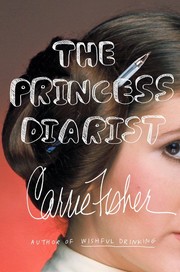
The Princess Diarist
2,360-word summary 10 min read 272 pages in the book
- First published
- 2016
- Publisher
- Blue Rider Press
- Pages
- 272
- ISBN
- 9780399173592
Reading options
What's inside (9 sections)
A box of old notebooks
I came to The Princess Diarist expecting a gossip book, and I was half right. Carrie Fisher published it in 2016, the year she died, and it was assembled from notebooks she had kept as a nineteen-year-old while shooting the first Star Wars film in 1976. She had largely forgotten the diaries existed. Rediscovering them meant meeting a younger self she barely understood anymore, a girl who wrote love poems and fretted about her own worth while the cameras rolled on what would become one of the most famous movies ever made. The book runs 272 pages from Blue Rider Press, and it reads less like a celebrity confession and more like a small act of archaeology. Someone dug up a teenager's private thoughts and, decades later, decided to hand them to strangers.
That framing matters, because Fisher is both the archaeologist and the specimen. She is the grown woman reading the pages and the young woman who wrote them, and the whole book is a conversation between those two people. Sometimes the older Fisher is amused by her younger self. Sometimes she winces. She is honest enough to admit that she sometimes wants to reach into the past and shake the girl by the shoulders. That double vantage point is the engine of the memoir, and it is the reason the book is more interesting than the mere fact of a famous affair might suggest.
It is worth remembering where this sits in her work. Fisher had already written novels and earlier memoirs, including Shockaholic, and she knew how to turn a painful subject into a joke without pretending it stopped hurting. This was her last book, and it arrives with the voice she had spent decades perfecting in interviews and one-woman shows: quick, self-mocking, and allergic to the idea that fame makes anyone dignified. Even when a chapter is clearly painful for her, there is usually a line that undercuts the solemnity. That comic instinct is what keeps the diary material from sinking the whole thing.
The timing adds a strange weight to it. The book came out on November 22, 2016, and Fisher died on December 27 of that year, roughly five weeks later. She was promoting a memoir about being young and famous and in love when she was already, in her own way, saying goodbye. Read now, it feels like a final note left by someone who had spent a lifetime being looked at and was still trying to work out what being looked at actually does to a person.
A teenager on a little off-the-radar movie
To understand the diaries, you have to understand the job Fisher thought she had taken. She was nineteen, the daughter of movie royalty, and she had done a small turn in Shampoo. When George Lucas casting came around, she auditioned for a role in what looked like a modest science fiction picture. In her telling, nobody thought it was going to be much. She called it "a cool little off-the-radar movie directed by a bearded guy from Modesto." She expected a paying gig, not a lifetime of being recognized in airports.
The reality of the shoot was far less glamorous than the finished film. She has written about the low weekly pay, the cheap travel to England, and the wig and hairstyle that made her look, by her own description, oddly equipped. The famous Leia buns were something she and the crew joked about. The original script even called for Chewbacca to hoist her into the air, an idea that had to be dropped because the actor inside the suit could not safely lift her. She also says she signed away merchandising rights early, when everyone assumed the film would flop. That detail stings in hindsight, because the character she played became a merchandising empire.
What comes through in these sections is how ordinary the experience felt at the time. Fisher was not standing in the middle of a cultural phenomenon. She was a young woman on a location shoot, bored and insecure and trying to wrap her tongue around dialogue she thought was awkward. The fame arrived later, like a wave that reached shore long after the boat had gone out. Reading this part, I kept thinking about how many people must have felt that way on sets that became legends. At the time it was just work, and a fairly strange kind of work at that.
"Carrison"
The revelation that drives the book is Fisher's affair with her co-star Harrison Ford. She gave the two of them a pet name, "Carrison," and the relationship lasted roughly as long as the shoot, about three months. Ford was in his early thirties, married, and a father of two, older than Fisher by roughly fourteen or fifteen years. If you came to this book for a steamy account of what happened behind the trailer doors, you will be let down. Fisher is notably discreet about the physical details. She leaves most of it to the imagination, and what she does offer tends to be emotional rather than explicit.
She describes being in a limousine with Ford on the way to work and watching him idly unsheathe a lightsaber, and remembers thinking how handsome he was. The affair began, in her account, around a birthday party that George Lucas threw. What follows in the memoir is less a seduction story than a study of what a crush feels like when the object of it is quiet, distant, and not especially available. Fisher is funny about Ford but also a little cruel, and on reflection that cruelty reads as part hurt. He comes across as a man of few words, which for a lovesick nineteen-year-old is both magnetic and maddening.
The most interesting thing about the affair is not the affair. It is Fisher's insistence on examining why it mattered so much to her and apparently so little to him. Forty years on, she still seems uncertain about what it meant. At one moment she leaves open the idea that they might reconnect, and at another she admits they have nothing in common and never quite know what to say when they meet. That unresolved feeling is the honest core of the book. A lesser memoir would have shaped the story into a clean arc. Fisher leaves it messy, because that is how it felt.
The diary on the page
The heart of the book is the reprinted diary material, and this is where it gets awkward, moving, and occasionally too much. Fisher transcribes pages written in 1976, full of plaintive love poems and breathless reflections. One of her lines has her "playing for keeps" while he was "playing for fun." Another records a rising panic and a sense of isolation and worthlessness. There is a passage that reads, "We could come to a full stop now if you think that would help," the voice of someone trying to manage a feeling she cannot control. The naivety is real, and Fisher does not protect her younger self from it.
This is also where critics pushed back hardest. The diary section runs long, and the love poems are, by common agreement, not very good. Fisher prints them anyway, and she is candid about the fact that part of her still believes in the feeling that produced them. Some readers found the whole thing cringe-worthy. I felt that pull too, especially in the longer stretches where the same anxiety circles back again and again. A memoir built from a diary inherits the diary's repetitions, and a diary is not necessarily written with an audience in mind.
But the discomfort is the point, or at least it becomes the point in the older Fisher's framing. She is not asking us to admire the poems. She is showing us a young woman who was sexually mature and emotionally not quite there, to borrow a phrase that reviewers used about the book. The value is in the gap between the girl who wrote "my panic is rising again" and the woman who can read that line decades later and understand what it was about. When the diaries work, they work because of that gap. When they drag, it is because we are made to sit in the younger voice slightly too long.
Fame as the salad
The book widens out from the affair into something more interesting: a consideration of what fame did to Fisher. She had grown up around it. Her mother was Debbie Reynolds, a star of MGM musicals, and her father was Eddie Fisher, the singer whose departure from Reynolds and their children to marry Elizabeth Taylor had been a national scandal. Fisher knew that world. She also knew that the fame she inherited was not the same as the fame she earned, and she had a sharp way of describing the difference.
Fame as the salad to some other, slightly more filling main dish.
That line, about what she called "associative fame" or "byproduct fame," is the clearest idea in the book. She is talking about being known because of who your parents are, and then being known in your own right as Princess Leia, and discovering that neither kind prepares you for the other. When her own fame arrived, she says, she kept asking herself what was happening, how she had got there, where "here" was, how long it would last, and whether she deserved it. Those questions are the book's real subject, and they are asked with the same urgency as the diary questions about Ford. Being loved by a stranger and being famous turn out, in her telling, to be related problems.
The convention circuit is where this idea gets tested. Fisher describes being paid to sign photographs of her younger self, often the famous image of Leia in the metal bikini beside Jabba the Hutt. She mimics the gushing conversations of fans with a comic ear, and she is frank about the transactional nature of it. You need the fans to buy the autograph so you can pay the bills, and each signature costs a small piece of your self-worth. She does not romanticize it. She can be haughty about the whole business in one paragraph and openly hungry for attention in the next, and the book is better for not smoothing that contradiction away.
Playing Leia again
A large part of why this book exists when it does is that Fisher returned to the role later in life. She reprised Princess Leia in the newer Star Wars films, and she described the experience as "like an acid flashback, only intergalactic." That joke could have been a throwaway, but it carries a real thought. To play the character again as an older woman is to be reunited with the nineteen-year-old who first wore the buns, and the diaries made that reunion unavoidable. The past was not past. It was still earning money, still drawing crowds, still defining how strangers reacted to her in public.
The memoir keeps circling that strange relationship between a person and a part they played. Fisher is proud of Leia and frustrated by her in equal measure. The role gave her a career and a kind of immortality, and it also froze her in a moment she had outgrown. Signing a picture of yourself at forty-something is a peculiar job, and she knows it. What she wants the reader to see is that the person under the wig was a real, anxious, funny, flawed young woman, and that the fame attaches to an image while the life goes on somewhere else.
That is the generous reading of the book, and I think it is the one Fisher intended. She is not trying to tear down the phenomenon. She is trying to put a human face back on a character who had become a brand. The diaries are the evidence she offers, messy poems and all, that there was somebody inside the costume.
What the book is not
It is fair to say that The Princess Diarist is not a behind-the-scenes history of Star Wars, and it is not a full account of the affair either. Reviewers noted that there is little insight here into how the movie was made or what the set was like beyond Fisher's own corner of it. If you want production detail, this is the wrong book. If you want the specifics of what Fisher and Ford did on their weekends together, you will not find them. Fisher decided that the interior life of the young woman mattered more than the facts of the relationship, and that choice shapes everything.
That choice also explains the mixed reception. Entertainment Weekly gave the book a B minus, praising its insight into a volatile young heart while noting the thinness on the movie itself. The Washington Post called parts of it cringe-worthy but still educational. Some critics found the storytelling flat and the Ford sections less revealing than the publicity suggested. The book was nominated for a Hugo Award for Best Related Work and won a Grammy for Best Spoken Word Album, the audio version narrated by Fisher herself, which gives you a sense of where its strengths were judged to lie. After her death it climbed to the top of the New York Times nonfiction bestseller list, helped by the wave of attention that followed her passing.
By the end, what stays with me is not Ford or the buns or even the famous salad line. It is Fisher's willingness to show the gap between the person she was and the person she became without pretending the gap had closed neatly. The Princess Diarist is a book about being young and famous and badly in love, written by someone old enough to know better and honest enough to admit she never really did. It is uneven and a little self-indulgent, and it is also the most personal thing she left behind.
FAQ
When were the diaries in The Princess Diarist written?
Fisher wrote the original notebooks in 1976, when she was nineteen and filming the first Star Wars movie. She rediscovered them decades later and used excerpts as the basis of this 2016 memoir.
Does the book reveal the details of Carrie Fisher's affair with Harrison Ford?
It confirms a three-month affair during the making of the first Star Wars film, but Fisher is discreet about the physical details. She focuses instead on her own feelings, printed diary entries, and love poems.
Is The Princess Diarist a book about how Star Wars was made?
Not really. It offers little behind-the-scenes production history, putting its attention instead on Fisher's experience of sudden fame and of being young and in love on a famous set.
Similar books
Scrappy Little Nobody
Anna Kendrick's essays trace her path from a Portland childhood and Broadway to Hollywood, with jokes, anxiety, and a refusal to pretend fame fixed her.
2,092-word summary · 9 min read
Stories I Only Tell My Friends
Rob Lowe's 2011 memoir runs from an Ohio lumberyard to the Oval Office, through Brat Pack fame, a public scandal, sobriety and a television comeback, told with…
2,234-word summary · 10 min read
Seriously...I'm Kidding
DeGeneres strings show stories and home jokes into light life advice.
2,292-word summary · 10 min read
Open Book
Simpson replays pop fame, love and drink through recovery work.
2,552-word summary · 11 min read
My Horizontal Life: A Collection of One-Night Stands
Handler turns dating disasters and family chaos into brash comic essays about single life in Los Angeles.
2,304-word summary · 10 min read
Are You There, Vodka? It's Me, Chelsea
Handler mines family, jail, dating, and travel for brash essays where oversharing is both joke and shield.
2,186-word summary · 10 min read
Wishful Drinking
Carrie Fisher's 2008 memoir, drawn from her one-woman show, tells her story with sardonic jokes about Hollywood parents, Princess Leia, bipolar disorder, and…
2,341-word summary · 10 min read
I Feel Bad About My Neck: and Other Thoughts on Being a Woman
In short, funny essays written just after her sixty-fifth birthday, Nora Ephron takes on aging, vanity, a White House summer, and the daily upkeep of looking…
2,099-word summary · 9 min read
Taste: My Life Through Food
Stanley Tucci's memoir traces his life through food, from a Calabrian family kitchen in Katonah to film sets, marriage and a cancer fight that cost him his…
2,503-word summary · 11 min read
Dry
A memoir of drinking, rehab and relapse, and the strange business of getting sober one morning at a time.
2,643-word summary · 12 min read
Dear Girls: Intimate Tales, Untold Secrets & Advice for Living Your Best Life
Ali Wong's debut collects fourteen letters to her daughters, covering sex, money, work, marriage, Vietnam, and being a working Asian American mother.
2,266-word summary · 10 min read
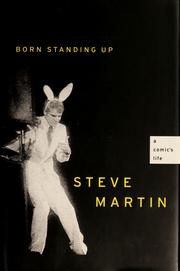
Born Standing Up: A Comic's Life
Steve Martin's memoir of how a shy Disneyland magician's assistant built a strange avant-garde act, and why he walked away from stand-up at his peak.
2,034-word summary · 9 min read
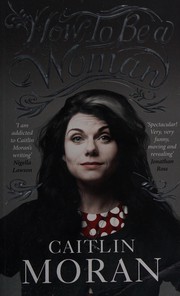
How to Be a Woman
Moran mixes girlhood and work stories into plain feminist advice.
2,600-word summary · 12 min read
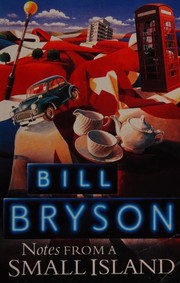
Notes from a Small Island
Bill Bryson's 1995 farewell tour of Britain, funny and fond, from Dover to London, the north, Scotland and Wales.
2,301-word summary · 10 min read
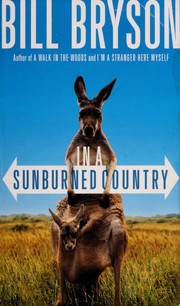
In a Sunburned Country
Bryson revisits Australia by city walks and long trains, with reef trips, critter comedy, and explorer history.
2,387-word summary · 11 min read
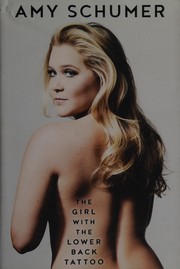
The Girl with the Lower Back Tattoo
Amy Schumer mixes raunchy jokes with frank essays on family, dating, body image, and the shooting that pushed her into gun control advocacy.
2,259-word summary · 10 min read
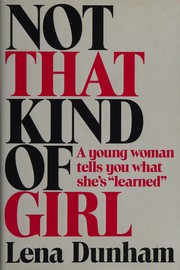
Not That Kind of Girl: A Young Woman Tells You What She's Learned
Girls creator Lena Dunham's essays on work, bodies, love, and family, frank and funny with uneven edges.
2,156-word summary · 10 min read
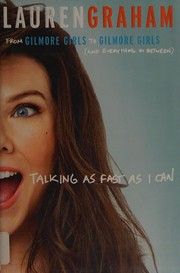
Talking as Fast as I Can: From Gilmore Girls to Gilmore Girls
Lauren Graham looks back on broke actress years, Parenthood, and playing Lorelai Gilmore twice in this funny 2016 memoir.
2,701-word summary · 12 min read
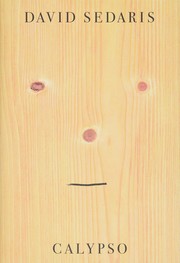
Calypso
Sedaris buys a Carolina beach house, grieves his sister Tiffany, tends his aging father, and turns illness and marriage into dry family comedy.
2,835-word summary · 13 min read
Why Not Me?
Essays on work, dating, and body image from the Office writer learning to ask for bigger rooms.
2,000-word summary · 9 min read
Surely You're Joking, Mr. Feynman!
Feynman drums, cracks safes, and learns by doing from Los Alamos to Caltech classrooms.
1,946-word summary · 9 min read
Naked
Growing up odd in Carolina, working bad jobs, and learning to watch people closely and kindly.
2,020-word summary · 9 min read
Dress Your Family in Corduroy and Denim
Sedaris on snow days, rental houses, Dutch Christmas, and the family that made him funny.
3,098-word summary · 14 min read
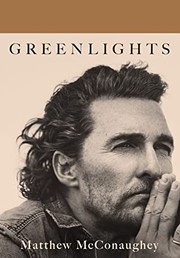
Greenlights
McConaughey shares outlaw stories and greenlight catching from Texas to Hollywood.
2,577-word summary · 11 min read
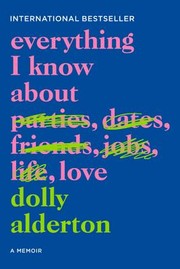
Everything I Know About Love
Dolly Alderton recalls bad dates flatshares and female friendship in her twenties memoir.
2,194-word summary · 10 min read
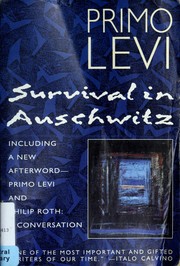
Survival in Auschwitz
A chemist deported from Turin records ten months in Auschwitz with a restraint that makes the horror impossible to look away from.
2,177-word summary · 10 min read
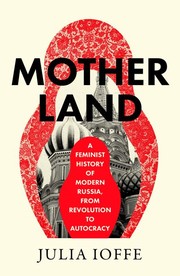
Motherland: A Feminist History of Modern Russia, from Revolution to Autocracy
A feminist history of modern Russia told through women's lives, from the revolutionaries of 1917 to Pussy Riot and the politics of today.
2,191-word summary · 10 min read
How to Change Your Mind
Pollan blends the history of psychedelic research, his own guided trips, and current neuroscience to ask what these drugs reveal about consciousness.
2,466-word summary · 11 min read
Dad Is Fat
A comic essay collection about raising five kids in a two-bedroom New York apartment, delivered in Gaffigan's dry, deadpan voice.
2,196-word summary · 10 min read
A Year in Provence
Peter Mayle's first year in a Luberon farmhouse, told through mistral winds, difficult builders, long lunches and local rules nobody warned him about.
2,209-word summary · 10 min read