
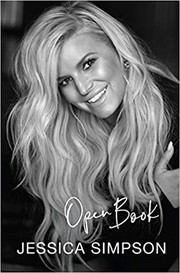
Open Book
2,552-word summary 11 min read 304 pages in the book
- First published
- 2020
- Publisher
- Dey Street Books
- Pages
- 304
- ISBN
- 9780062899965
Reading options
What's inside (9 sections)
- Texas, church, and the pressure to be good
- The pop machine and the almost breakthrough
- Nick, Newlyweds, and the chicken or fish years
- Romo, Mayer, Johnson, and the tabloid romance loop
- Drink, pills, and the Halloween breaking point
- Voice, humor, and what the book leaves out
- Why it is worth reading now
- Key takeaways
- FAQ
I picked up Open Book because I remembered Jessica Simpson mostly as punchlines. The chicken or fish moment from Newlyweds. The Daisy Duke shorts. The mom jeans sketch. The football curse talk when she dated Tony Romo. Simpson published this memoir with Dey Street Books in 2020, a 304 page book built from journals she kept since she was fifteen, and the tone surprised me. It is funny in places, plainspoken in others, and at times uncomfortably honest about drinking, pills, and the need to be liked. I went in expecting a light celebrity story and came out thinking about how strange it is to grow up performing for approval and then try to stop.
The basic facts help set the frame. Simpson was born in Texas in 1980 and raised as a preacher's kid. Her father Joe was a youth minister, her mother Tina the steady center, her younger sister Ashlee the wilder counterpart who later found her own fame. Jessica sang in church from childhood. She signed with Columbia Records as a teenager, released Sweet Kisses in 1999 with the hit I Wanna Love You Forever, and spent years chasing the pop career just as Britney Spears and Christina Aguilera broke bigger. She acted, she starred in reality television, she built the Jessica Simpson Collection into a huge fashion business, and she sold the audiobook with new songs attached. The memoir moves through all of that, but its spine is simpler. A girl taught to please tries fame, marriage, parties, and shopping, and none of it steadies her until she faces what she was drinking to avoid.
Texas, church, and the pressure to be good
Simpson opens with family and faith, and these chapters carry more weight than the pop material that follows. Joe Simpson ran youth ministry with the energy of a coach. Tina kept the house running and later managed much of the business. The family moved around Texas. Money was sometimes tight. Church was the social world, the stage, and the rulebook at once. Jessica learned early that singing brought praise from adults, and praise felt like safety. She describes competitions and church camps, the thrill of hitting a note right, and the fear of stepping out of line. A pledge culture around purity gets a lot of space. She was presented as the good Christian pop alternative, a virgin who would wait for marriage, and she felt the contradiction between that image and the outfits and photo shoots her team wanted.
The hardest passages here concern abuse. Simpson writes that she was molested as a small child by a family friend's daughter, and that she carried shame about it for years without telling her parents. She connects that buried hurt to later patterns, including trouble sleeping, anxiety about her body, and a habit of swallowing discomfort to keep other people comfortable. I am not a clinician, and the book does not pretend to offer a diagnosis. It offers a sequence instead. Something painful happened. She did not have words for it. She learned to smile through unease. That habit followed her into studios, relationships, and boardrooms. Readers who lived through similar harm may find these pages direct and upsetting, though Simpson keeps the telling spare rather than graphic.
What I appreciated in this stretch is the portrait of Joe and Tina as loving and flawed rather than villains. Joe pushed hard. He believed in his daughter's gift and managed her career with total focus, sometimes at the cost of boundaries. Tina smoothed conflicts and protected the brand. Simpson clearly loves them, and she also names the cost of growing up inside a family business where Dad is manager, pastor, and father at the same time. There is a funny, sad rhythm to stories about auditions, youth retreats, and early Nashville trips. She wants to be chosen. She gets chosen. Then the terms of being chosen start to grate.
The pop machine and the almost breakthrough
The music chapters cover the late nineties and early two thousands with a lot of concrete detail. Simpson auditioned, signed, dieted, posed, toured, and watched her label try to position her between pop innocence and adult glamour. Sweet Kisses sold well. The follow up records did less. She writes about vocal strain, comparisons to peers, stylists pulling clothes she did not feel like herself in, and interviews that reduced her to a blonde joke. The famous Party of Five era tabloids, the weight commentary, the endless photos of her eating or shopping, all of it lands as background noise that slowly became the main story.
She is clear about one thing. She could sing. The book returns more than once to the studio, where producers praised her voice, and to the stage, where nerves sometimes won. The problem was not talent alone. Timing, marketing, and persona mattered, and her team never settled on who she should be. Was she the church girl with the big voice, the sex symbol in cutoffs, the funny reality star, the fashion mogul? She tried each in turn. Some readers may want more about specific albums and tours, and the book can feel selective there. It lingers on feelings and turning points instead of session dates. That choice fits a memoir built from journals, though music fans hoping for a studio diary may find it thin.
The section also sets up her complicated tie to sister Ashlee. The sisters love each other, compete, fight, make up, and get pitted against each other by press. Ashlee's punk pop success with Autobiography stung even as Jessica cheered her on. Simpson writes about that envy without dressing it up, which I respected. She admits she kept score. She admits fame made normal sister quarrels louder. Those admissions do more for her credibility than any inspirational line could.
Nick, Newlyweds, and the chicken or fish years
The longest narrative run covers Nick Lachey. Simpson married the 98 Degrees singer in 2002, and MTV turned their first years together into Newlyweds, a hit built on their chemistry and her malapropisms. The chicken or fish bit, where she puzzled over whether Chicken of the Sea tuna was chicken or fish, became a national catchphrase. She writes that she played along at first because being funny and sweet on camera felt safer than seeming difficult. Then the edit locked her into a ditz role she could not shake. Ratings were great. The marriage absorbed the damage.
Simpson describes the slow split with care. Two young singers with touring schedules, money fights, in laws, cameras in the kitchen, and different ideas about work. She says she felt immature next to Nick, eager for his approval, quick to apologize to end tension. He comes across as decent but distant, tired of performing a marriage after performing all day. The divorce in 2006 hit her hard in public, with tabloids casting her as the dumped blonde. She writes about rebound spending, partying, and the start of heavier drinking here. The tone stays conversational rather than bitter. She takes her share of blame and refuses to turn Lachey into a villain, which keeps the chapters readable even when the story is sad.
These pages also show how reality television shaped her business instincts. She learned what cameras rewarded, how a clip travels, how a joke can pay for a house and then trap you inside it. That lesson matters later when she starts selling shoes and jeans herself. She already knew how attention converts to sales. She just had not yet figured out how to keep some part of herself out of the transaction.
Romo, Mayer, Johnson, and the tabloid romance loop
After the divorce, Simpson cycled through high profile relationships, and she treats them as a group portrait of a woman outsourcing her worth. Tony Romo brought the football jinx saga, with fans blaming her sideline outfits for Cowboys losses. She writes about loving the fun of those years and hating the noise, the boos, the sense that her body in a stadium tunnel counted as sports commentary. John Mayer enters as the charming, cutting musician who praised her in private and diminished her in interviews. Simpson gives him one of the book's most quoted labels and describes the push pull of wanting a clever man's approval while knowing he saw her as a phase. Eric Johnson, the former football player she eventually married, appears as steadier ground, though even that courtship includes breakups, distance, and her fear that she was too much.
I found this the gossipy heart of the book and also its most repetitive stretch. Names change, hotels change, the pattern holds. She meets a man who seems confident. She bends herself to fit his schedule and moods. She drinks to soften parties and to quiet jealousy. She wakes up ashamed. Rinse, repeat. Simpson knows readers will tire of it, and she says so, which helps. The repetition is the point. She could see the loop from inside and still could not stop it. Anyone looking for revenge details will be disappointed. She withholds plenty, especially about Johnson and her children, and keeps the focus on her own choices rather than scoring points.
The fashion business grows alongside the romances, and Simpson is justifiably proud of it. The Jessica Simpson Collection, built with her mother and business partners, sold jeans, shoes, handbags, and perfume to real women at prices they could pay. She tried on samples herself. She listened to buyers. She showed up at department stores. The brand crossed a billion dollars in sales, an astonishing run for a celebrity line. The book argues, persuasively, that shoppers trusted her because she looked like them and admitted what she weighed, what she ate, what she could not fit. Business chapters could have been dry. They read instead as relief, the one place where effort reliably paid off.
Drink, pills, and the Halloween breaking point
The addiction thread runs under everything and surfaces fully near the end. Simpson writes about drinking wine to take the edge off, then drinking more to sleep, then mixing alcohol with stimulants and pain pills to perform, travel, and parent through hangovers. She describes blackouts, missed cues, a voice that thinned, skin and weight changes the tabloids mocked without knowing the cause. Friends covered for her. Staff managed her schedule around her condition. She told herself she was functional because she kept working. Parents will recognize the specific shame in her account of hosting Halloween for her kids while drunk in 2017, a morning after feeling that finally cut through denial. She says she told her closest friends she needed help, started therapy, attended recovery meetings, and stopped drinking that November.
These chapters avoid preaching. She names what she took, how it escalated, and what sobriety required, including cutting ties with enablers, facing the childhood abuse in therapy, and learning to sit with anxiety without numbing it. She credits her husband, her parents, close friends, and professionals by role more than by dramatic scene. The writing gets plainer here, shorter sentences, fewer jokes. I believed her. The book does not claim that quitting fixed her marriage, her business, or her self image in one motion. It claims that quitting let her start honest work, which is a smaller and braver claim.
A fair note on method. Memoirs built from journals can feel curated, and Simpson admits she shaped entries with a co writer. Some scenes read polished, with dialogue too neat for memory. Dates blur. She also skips or skims topics readers may want, including financial disputes around the brand, detailed parenting life, and the full Mayer timeline. Those gaps are understandable in a book protecting living people, but they leave seams. The recovery story still holds because the emotional logic stays consistent. Shame fed secrecy, secrecy fed use, honesty interrupted the cycle.
Voice, humor, and what the book leaves out
What sets Open Book apart from standard celebrity memoirs is voice. Simpson sounds like herself on the page, warm, self mocking, fond of Southern sayings, quick to puncture her own glamour. She jokes about Spanx, drive throughs, church camp crushes, and terrible highlights. The humor keeps heavy material bearable without trivializing it. She also writes well about clothes and rooms, the exact pair of jeans, the church fellowship hall carpet, the hotel suite where a fight ended. Those concrete bits do more than adjectives could. They place you beside her.
The limits follow from the strengths. This is a story told by someone still inside the life she describes, still married, still close to her parents, still selling the brand. She pulls punches with people she needs. The music analysis stays shallow. The business triumph gets fuller treatment than the business risks. Readers who want cultural criticism about purity culture, body shaming, or the two thousands tabloid machine will find anecdotes rather than argument. I missed a harder look at how her team profited from the ditz edit and the weight cycle. She gestures at it, then moves on to the next personal lesson.
Still, the throughline lands. A people pleaser learns that approval is a moving target. Drink quiets the noise until it becomes the noise. Work she controls, songs sung in her own phrasing and clothes made for bodies like hers, steadies her more than roles written by others. The final chapters, with sober holidays, studio time on her own terms, and vows renewed with Johnson, read less like a victory lap than a maintenance plan. She journals. She calls friends. She tells her kids plainer truths than she was told. If you came for gossip, you will get some. If you stayed for the recovery account, you get a clear, humane version of it, told by someone who knows humor is part of how she survived.
Why it is worth reading now
Years after publication, Open Book reads as a bridge between the two thousands tabloid era and the later wave of women pop stars revising their stories in public. Simpson wrote before that revision became a template, which gives the book a rawness later memoirs sometimes polish away. She does not position herself as a victim of one man or one industry. She spreads responsibility around, including to herself, and that balance makes her account of fame feel believable. Young readers who know her only as a shoe label may be surprised by the singing talent and the work ethic. Older readers who laughed at the jokes may feel a sting recognizing what the laughter cost.
I would recommend it to memoir readers who want candor without cruelty, to pop culture readers curious about the reality show years, and to anyone interested in high functioning drinking and the slow path out. Readers who need linear history or deep reporting should look elsewhere. This is a personal record, selective and warm, funny about small things and serious about the big ones. It left me thinking less about celebrity than about journals themselves. Simpson kept writing to herself at fifteen, twenty, thirty, and those pages waited until she could read them honestly. That is the quiet argument of the title. An open book is not a tell all. It is a person finally willing to be read, starting by reading herself.
FAQ
When was Open Book published?
Dey Street Books published it in 2020. The edition cited here runs 304 pages and the ISBN is 9780062899965.
Does Open Book discuss addiction and abuse?
She writes about alcohol and pills, blackouts, therapy, and quitting in November 2017. She also writes sparingly about childhood abuse, so readers affected by those topics should read with care.
Is Open Book only for Jessica Simpson fans?
No. Pop culture readers will get the most gossip, but the recovery story and the fashion business chapters stand alone for memoir readers with little interest in her music.
Similar books
Scrappy Little Nobody
Anna Kendrick's essays trace her path from a Portland childhood and Broadway to Hollywood, with jokes, anxiety, and a refusal to pretend fame fixed her.
2,092-word summary · 9 min read
Seriously...I'm Kidding
DeGeneres strings show stories and home jokes into light life advice.
2,292-word summary · 10 min read
My Horizontal Life: A Collection of One-Night Stands
Handler turns dating disasters and family chaos into brash comic essays about single life in Los Angeles.
2,304-word summary · 10 min read
Are You There, Vodka? It's Me, Chelsea
Handler mines family, jail, dating, and travel for brash essays where oversharing is both joke and shield.
2,186-word summary · 10 min read
Scar Tissue
Kiedis's memoir follows the Red Hot Chili Peppers from Hollywood house parties to fame, heroin, and the long work of staying clean.
2,217-word summary · 10 min read
Life
The Rolling Stones guitarist tells his own story: a Dartford childhood, the band's first gigs, the drug raids, the tax years and Patti Hansen.
2,761-word summary · 12 min read
Dry
A memoir of drinking, rehab and relapse, and the strange business of getting sober one morning at a time.
2,643-word summary · 12 min read

Dear Girls: Intimate Tales, Untold Secrets & Advice for Living Your Best Life
Ali Wong's debut collects fourteen letters to her daughters, covering sex, money, work, marriage, Vietnam, and being a working Asian American mother.
2,266-word summary · 10 min read
Born Standing Up: A Comic's Life
Steve Martin's memoir of how a shy Disneyland magician's assistant built a strange avant-garde act, and why he walked away from stand-up at his peak.
2,034-word summary · 9 min read
How to Be a Woman
Moran mixes girlhood and work stories into plain feminist advice.
2,600-word summary · 12 min read
Notes from a Small Island
Bill Bryson's 1995 farewell tour of Britain, funny and fond, from Dover to London, the north, Scotland and Wales.
2,301-word summary · 10 min read
In a Sunburned Country
Bryson revisits Australia by city walks and long trains, with reef trips, critter comedy, and explorer history.
2,387-word summary · 11 min read
The Girl with the Lower Back Tattoo
Amy Schumer mixes raunchy jokes with frank essays on family, dating, body image, and the shooting that pushed her into gun control advocacy.
2,259-word summary · 10 min read
Not That Kind of Girl: A Young Woman Tells You What She's Learned
Girls creator Lena Dunham's essays on work, bodies, love, and family, frank and funny with uneven edges.
2,156-word summary · 10 min read

Calypso
Sedaris buys a Carolina beach house, grieves his sister Tiffany, tends his aging father, and turns illness and marriage into dry family comedy.
2,835-word summary · 13 min read
Surely You're Joking, Mr. Feynman!
Feynman drums, cracks safes, and learns by doing from Los Alamos to Caltech classrooms.
1,946-word summary · 9 min read
Naked
Growing up odd in Carolina, working bad jobs, and learning to watch people closely and kindly.
2,020-word summary · 9 min read
Dress Your Family in Corduroy and Denim
Sedaris on snow days, rental houses, Dutch Christmas, and the family that made him funny.
3,098-word summary · 14 min read
Everything I Know About Love
Dolly Alderton recalls bad dates flatshares and female friendship in her twenties memoir.
2,194-word summary · 10 min read
The Woman in Me
Britney Spears tells her own story from teen stardom to a thirteen year conservatorship, and how she fought to reclaim her voice and freedom.
2,505-word summary · 11 min read

Long Walk to Freedom
Mandela's account of a Thembu childhood, a law practice, a banned movement, twenty-seven years in prison, and the negotiation that ended apartheid.
2,454-word summary · 11 min read

In Order to Live: A North Korean Girl's Journey to Freedom
A young North Korean girl crosses the Yalu, survives trafficking in China, and rebuilds her life in Seoul in this unsparing memoir.
2,027-word summary · 9 min read

Too Much and Never Enough: How My Family Created the World's Most Dangerous Man
Mary L. Trump's 2020 memoir traces how a cold, zero-sum Queens household shaped her uncle, and uses family tax documents to challenge his self-made story.
2,059-word summary · 9 min read
Same Kind of Different as Me
An art dealer and a formerly homeless sharecropper tell the story of the friendship that began at a Fort Worth mission and the woman who insisted on it.
2,023-word summary · 9 min read
Lick
Evelyn wakes up married to the lead guitarist of Stage Dive after a Las Vegas birthday she cannot remember, and the annulment gets complicated.
1,989-word summary · 9 min read

Infidel
Ayaan Hirsi Ali's memoir of a Somali childhood, a forced marriage, a Dutch asylum claim, and the political fight that followed the murder of Theo van Gogh.
2,041-word summary · 9 min read

Down and Out in Paris and London
Orwell's account of washing dishes in Paris hotels and tramping through London does not ask for pity, only for a clear look at how poverty actually works.
2,282-word summary · 10 min read
Year of Yes: How to Dance It Out, Stand in the Sun and Be Your Own Person
Shonda Rhimes takes her sister’s accusation seriously and spends a year saying yes to the things that frighten her, from live television to her own reflection.
2,585-word summary · 11 min read
The Girl with Seven Names: A North Korean Defector's Story
Hyeonseo Lee crossed the frozen Yalu River at seventeen, spent years hidden in China, escaped to South Korea, and later returned to rescue her family.
2,404-word summary · 11 min read
Love Does
A lawyer and activist tells stories of saying yes, showing up, and loving people through ordinary, often ridiculous actions.
2,411-word summary · 11 min read