
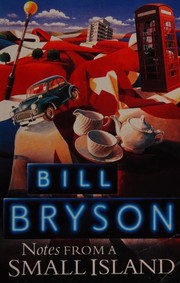
Notes from a Small Island
2,301-word summary 10 min read 352 pages in the book
- First published
- 1995
- Publisher
- Black Swan
- Pages
- 352
- ISBN
- 9780552996006
Reading options
What's inside (8 sections)
I picked up this book because I wanted something funny about Britain that was not a guidebook. A friend who had moved away from England said it captured exactly how strange and lovable the place can seem when you look at it fresh. That sounded right for Bill Bryson, an American who had lived in Britain for years and was about to move back to the United States with his family.
What he decided to do before leaving was simple. He would travel from one end of the country to the other and say goodbye properly. No grand plan with fixers and film crews. Just trains, buses, walks, and nights in small hotels and bed and breakfasts. The book that came out in 1995 is the record of that trip, published in Britain by Black Swan. It is a travel memoir with a lot of humor in it, but it is also a kind of love letter written by someone who is tired, footsore, and often wet.
Bryson starts as an outsider who stayed long enough to become an insider. He first came to Britain as a young man, worked on newspapers, married, settled in North Yorkshire, and raised kids there. So he knows how village life works. He also still notices the things locals stop seeing. That double view shapes everything that follows.
A Farewell Tour Before Leaving Britain
The premise gives the whole book its shape. Bryson is leaving. Not for a week. For good, or at least that is how it feels at the time. He wants to see the country once more before he goes, from the south coast up to the far north of Scotland and back around through Wales.
This is not a trip to tick off famous sights. He goes to big cities, but he also stops in small market towns, seaside resorts out of season, and villages that most visitors drive past. He walks a lot. He gets lost. He waits for buses that come late or not at all. He eats in cafes where the menu has not changed in decades and sleeps in rooms where the radiator clanks all night.
What makes this opening work is the tone. He is sentimental without getting soft about it. He admits he will miss Britain badly. He also admits that living there sometimes drove him mad. That push and pull stays through the book. He loves the place and he complains about it in the same paragraph, and both feelings seem honest.
There is a practical side too. He travels mostly alone, carrying too much, relying on public transport. Anyone who has tried to cross Britain by train and bus will recognize the rhythm. A good morning in a handsome town, then a long damp afternoon waiting on a platform while announcements apologize for a delay. Bryson turns that familiar friction into comedy, but he never pretends it did not happen.
Dover to London: Starting Where Britain Starts
He begins at Dover, which makes sense as a symbolic front door. The white cliffs, the castle on the hill, the harbor with ferries coming and going. On a clear day you can feel how close Britain sits to the rest of Europe and how separate it insists on being.
Dover itself puzzles him. The setting is dramatic, yet much of the town feels worn and tired. He wanders around, looks at the shops and guesthouses, and wonders why a place with such a position does not present itself better. It sets up a pattern for the book. Bryson often arrives full of hope, finds something shabby or confusing, and then stumbles on a street or a view that reminds him why he cares.
From Kent he works toward London, and London gets a lot of attention. He loves the parks, the museums, the odd corners, the way history sits right beside ordinary life. He walks through places like Hampstead and Greenwich and along the Thames. He notes how private and polite London can feel, and how quickly it can turn rude during rush hour.
The London chapters also show his method. He does not try to explain the whole city. He picks a few walks, follows his curiosity, and tells you what he saw. A grand terrace. A strange museum. A pub lunch. A conversation overheard on the tube. The effect builds up. You get a sense of scale without a lecture.
He can be grumpy here about traffic, litter, and the way some new buildings sit awkwardly beside old ones. Fair enough. Anyone who walked London in the early nineties will remember that mix of brilliance and neglect. His complaint is not that London is broken. It is that such a remarkable city keeps tripping over small failures of care.
Bath, Oxford and Cambridge: Stone, Spires and Students
West to Bath, then to Oxford and Cambridge. This stretch is where Bryson lets himself admire Britain without apology.
Bath stops him cold. The crescents and terraces in pale stone look almost too perfect to be real. He walks around the Royal Crescent and the Circus, down toward the Abbey and the old Roman baths, and keeps shaking his head at how much beauty was packed into one small city. He also notices the crowds and the shops selling the same souvenirs, but Bath is strong enough to carry that. The architecture wins.
Oxford and Cambridge bring a different pleasure. He likes the colleges, the chapels, the gardens glimpsed through gates, the sense that learning has lived in these rooms for centuries. He pokes around, gets politely turned away from places closed to visitors, and enjoys just watching student life go past. Punts on the river. Bicycles stacked outside libraries. Chalkboards outside pubs.
What I laughed at in these pages was his outsider awe mixed with common sense. He respects the history, but he also points out how odd it must feel to take exams in a medieval hall or to live in rooms that are freezing in winter. He likes the idea of tradition, then wonders who has to polish all that wood.
There is a small criticism to make here, and Bryson almost makes it himself. He moves fast through these cities. You get bright sketches rather than a full portrait. If you know Oxford or Cambridge well, you may wish he stayed longer and looked past the postcard streets. But as a farewell wave, it works. He sees what a visitor hopes to see, and he sees it with fresh eyes.
Heading North Through Market Towns and Mill Cities
The middle of the book is the long push north, and for me this is the heart of it. Bryson leaves the honey colored south behind and heads through the Midlands and Yorkshire into the old industrial north.
He stops in places like Stratford upon Avon, Manchester, Liverpool, Leeds, Bradford, and Newcastle, along with many smaller towns along the way. Some visits are short. A walk around the center, a look at the town hall, a night in a hotel that promises more than it gives. Others turn into longer stays where he follows a footpath or spends an afternoon in a museum.
He is very good on the difference between towns that have found a second life and towns that are still waiting. One place will have a cleaned up waterfront, a new gallery, and cafes full at lunch. The next will have empty shops, a bus station that smells of diesel, and a grand Victorian building gone dark. He does not mock the struggling places. He seems sad about them, and angry at decisions that let them slide.
Yorkshire gets warm treatment because it was home. He knows the dales, the dry stone walls, the pubs where walkers dry out by the fire. He writes about village life with real fondness. The local paper, the parish notices, the neighbor who knows everything. He also admits the weather can wear you down. Rain that starts in October and forgets to stop. Hills that look lovely from a car and brutal on foot.
The fair criticism here is about pace. There are a lot of towns, and some blur together. He will arrive tired, find the hotel disappointing, go out for a short walk, and leave early. When that happens several times in a row, the chapters start to rhyme. Arrival, gripe about the room, wander, pub, bed. The jokes carry it, but you can feel his energy dip. That may be honest to travel, yet as reading it can drag a little before Scotland lifts him again.
He is also sharper on cities he does not take to. Bradford gets a hard time, and Milton Keynes becomes a running joke about modern planning. Some readers will think he is unfair, especially if they live in those places. He does praise what he can, often a park or a piece of architecture, but his patience for concrete shopping centers and tangled road systems is thin.
Scotland and Wales: Edges of the Map
Scotland changes the air in the book. The distances get longer, the light gets clearer, and Bryson perks up.
He goes to Edinburgh and Glasgow first, two cities that could not be more different in mood. Edinburgh impresses him with its castle rock, its Georgian streets, and its festival buzz even out of season. Glasgow wins him over with warmth and directness. People talk to him. Shopkeepers joke. He likes that plain friendliness after southern reserve.
Then he pushes farther north to places like Aberdeen and Inverness and out toward the Highlands and islands. This is where the weather truly tests him. Wind, rain, midges, buses that run when they run. He takes it in good spirit. The scenery repays the trouble. Glens, lochs, empty roads, small hotels where dinner is whatever the kitchen decided to cook.
Wales gets a similar treatment on the way back south. He walks in Snowdonia, visits coastal towns, and admires the language on signposts and the pride in local chapels and choirs. He does not pretend to master Welsh history in a few days. He listens, looks, and admits what he does not know.
These chapters show his best quality as a traveler. He is willing to be uncomfortable to see something worth seeing. He will wait in the rain for a view that never clears, then laugh about it over tea. He will take the slow train because the fast one misses the coast. That stubbornness gives the far north and west their weight in the book. They feel earned, not flown over.
A modern reader might wish for more time with the people who live in these places. Bryson meets plenty of strangers, but the talks are often brief. A chat in a shop, a remark from a fellow walker, a funny exchange with a hotel owner. He is not doing interviews. He is passing through. That keeps the book light, though it means some portraits stay at the surface.
Complaining With Affection
The last thread to pull out is the complaining itself, because it is the engine of the humor and also the part that divides readers.
Bryson complains about a lot. Litter in parks. Dog mess on pavements. Traffic that clogs market squares. Ugly signs bolted onto lovely buildings. Hotels that promise en suite and deliver a trickle of brown water. Rail food. Bus stations. The way some seaside towns look abandoned in October. The list goes on, and he delivers it with timing and surprise.
Under the jokes sits a serious point. He believes Britain is unusually blessed with handsome towns, green paths, old churches, and small kindnesses, and he hates to see those things spoiled by carelessness. Much of his grumbling is really disappointment. He knows how good a high street can look when shopfronts are kept, or how pleasant a beach can be when bins are emptied. When standards slip, he takes it personally.
That stance still reads well, but it has limits. At times he sounds like a man who wants Britain to stay exactly as he first loved it, which is not fair to people who need new homes and jobs. His dislike of modern architecture can feel automatic. Not every concrete block is a crime, and not every old mill can be saved. He owns some of this bias, yet he does not always pause to weigh the other side.
There is also the question of date. Britain has changed since 1995. Smoking in pubs, cash machines that run out, hotels without central heating, phones that need coins. Younger readers may need to adjust for that world. The core observations about kindness, queuing, tea, small talk about weather, and love of the countryside still ring true. The details of prices and transport belong to their time.
What kept me reading to the end was the affection underneath. For every rant about a ruined view, there is a paragraph about a footpath through bluebells, a volunteer keeping a tiny museum open, or a stranger giving clear directions in the rain. He chose to end his years in Britain by walking its length and paying attention. You do not do that for a place you dislike.
He closes not with a grand verdict but with a tired traveler sense of home. He is headed back across the Atlantic with his family, carrying both annoyance and gratitude. Britain is damp and illogical and often maddening to get around. It is also funny and gentle and beautiful in ways that catch you off guard. That balance is the book in one thought, and it is why so many readers hand it to friends who are about to visit for the first time.
FAQ
When was Notes from a Small Island published and how long is it?
It came out in 1995 with Black Swan in Britain, running 352 pages, as Bryson prepared to move his family back to the United States.
Does he really travel the whole country in the book?
Yes. He walks, takes trains and buses, and stays in small hotels and guesthouses, often in bad weather and out of season.
Is this book best for first-time visitors to Britain?
Readers who enjoy travel humor with affectionate grumbling will enjoy it. Those wanting a current guidebook or deep history may find parts dated.
Similar books

In a Sunburned Country
Bryson revisits Australia by city walks and long trains, with reef trips, critter comedy, and explorer history.
2,387-word summary · 11 min read
A Walk in the Woods: Rediscovering America on the Appalachian Trail
Bryson and friend Katz attempt the Appalachian Trail with blisters, bears, and laughs.
2,660-word summary · 12 min read

Down and Out in Paris and London
Orwell's account of washing dishes in Paris hotels and tramping through London does not ask for pity, only for a clear look at how poverty actually works.
2,282-word summary · 10 min read
Dry
A memoir of drinking, rehab and relapse, and the strange business of getting sober one morning at a time.
2,643-word summary · 12 min read

Dear Girls: Intimate Tales, Untold Secrets & Advice for Living Your Best Life
Ali Wong's debut collects fourteen letters to her daughters, covering sex, money, work, marriage, Vietnam, and being a working Asian American mother.
2,266-word summary · 10 min read
Travels with Charley
Steinbeck drives across America with his poodle Charley, looking for the country he remembers and finding a place that has changed.
2,039-word summary · 9 min read

Scrappy Little Nobody
Anna Kendrick's essays trace her path from a Portland childhood and Broadway to Hollywood, with jokes, anxiety, and a refusal to pretend fame fixed her.
2,092-word summary · 9 min read
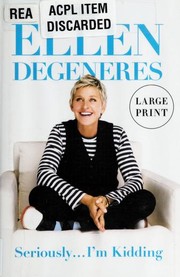
Seriously...I'm Kidding
DeGeneres strings show stories and home jokes into light life advice.
2,292-word summary · 10 min read

Open Book
Simpson replays pop fame, love and drink through recovery work.
2,552-word summary · 11 min read

My Horizontal Life: A Collection of One-Night Stands
Handler turns dating disasters and family chaos into brash comic essays about single life in Los Angeles.
2,304-word summary · 10 min read
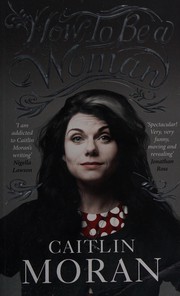
How to Be a Woman
Moran mixes girlhood and work stories into plain feminist advice.
2,600-word summary · 12 min read

The Girl with the Lower Back Tattoo
Amy Schumer mixes raunchy jokes with frank essays on family, dating, body image, and the shooting that pushed her into gun control advocacy.
2,259-word summary · 10 min read
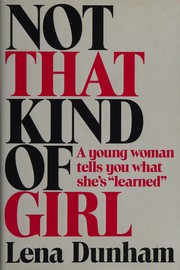
Not That Kind of Girl: A Young Woman Tells You What She's Learned
Girls creator Lena Dunham's essays on work, bodies, love, and family, frank and funny with uneven edges.
2,156-word summary · 10 min read

Let's Explore Diabetes with Owls
Sedaris gets French dental work, feeds a kookaburra in Australia, shops for a stuffed owl in London, and survives China, airports and a colonoscopy.
2,538-word summary · 11 min read

Calypso
Sedaris buys a Carolina beach house, grieves his sister Tiffany, tends his aging father, and turns illness and marriage into dry family comedy.
2,835-word summary · 13 min read

Are You There, Vodka? It's Me, Chelsea
Handler mines family, jail, dating, and travel for brash essays where oversharing is both joke and shield.
2,186-word summary · 10 min read
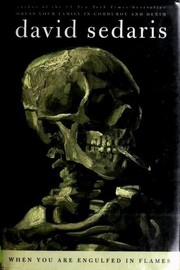
When You Are Engulfed in Flames
In twenty two essays Sedaris tries to quit smoking in Japan, buys a skeleton, fights spiders in Paris, and files dry reports from France on family, country…
2,974-word summary · 13 min read
Surely You're Joking, Mr. Feynman!
Feynman drums, cracks safes, and learns by doing from Los Alamos to Caltech classrooms.
1,946-word summary · 9 min read
Zen and the Art of Motorcycle Maintenance
Father and son ride west while lectures on Quality and past madness intrude.
2,180-word summary · 10 min read
Naked
Growing up odd in Carolina, working bad jobs, and learning to watch people closely and kindly.
2,020-word summary · 9 min read

Dress Your Family in Corduroy and Denim
Sedaris on snow days, rental houses, Dutch Christmas, and the family that made him funny.
3,098-word summary · 14 min read
Kitchen Confidential: Adventures in the Culinary Underbelly
Bourdain on rough kitchens, past drug use, Les Halles years, and why you should never order fish on Monday.
2,562-word summary · 11 min read
Everything I Know About Love
Dolly Alderton recalls bad dates flatshares and female friendship in her twenties memoir.
2,194-word summary · 10 min read

Eat, Pray, Love
Eat, Pray, Love retold: divorce, Italy for pleasure, India for practice, Bali for balance.
1,962-word summary · 9 min read
At Home: A Short History of Private Life
Bill Bryson tours his own Norfolk rectory room by room to explain how private life and the modern home got built.
2,334-word summary · 10 min read

Long Walk to Freedom
Mandela's account of a Thembu childhood, a law practice, a banned movement, twenty-seven years in prison, and the negotiation that ended apartheid.
2,454-word summary · 11 min read

In Order to Live: A North Korean Girl's Journey to Freedom
A young North Korean girl crosses the Yalu, survives trafficking in China, and rebuilds her life in Seoul in this unsparing memoir.
2,027-word summary · 9 min read

Too Much and Never Enough: How My Family Created the World's Most Dangerous Man
Mary L. Trump's 2020 memoir traces how a cold, zero-sum Queens household shaped her uncle, and uses family tax documents to challenge his self-made story.
2,059-word summary · 9 min read
Same Kind of Different as Me
An art dealer and a formerly homeless sharecropper tell the story of the friendship that began at a Fort Worth mission and the woman who insisted on it.
2,023-word summary · 9 min read
My Life in France
Julia Child's memoir of learning to cook in Paris, testing recipes for nine years, and becoming the teacher who changed how America thought about French food.
2,038-word summary · 9 min read