

Reading options
What's inside (8 sections)
I picked up When You Are Engulfed in Flames because I had stalled halfway through the previous collection and wanted something sharper. A friend who smokes said this was the one where Sedaris finally quits. That sounded like a dare more than a premise. I knew him as the French classroom guy and the Christmas elf guy. I did not know him as the guy who would move to Japan to stop coughing in the morning. I started it on a train and missed my stop during the airplane lozenge story, which tells you most of what you need about how this book works.
The facts help set it in place. David Sedaris published the collection with Little, Brown and Company on June 3, 2008. The hardcover first edition runs 323 pages and carries ISBN 9780316143479. It holds twenty two essays, many first heard on stage or printed in The New Yorker and Esquire. Chip Kidd designed the jacket around Vincent van Gogh's Skull of a Skeleton with Burning Cigarette from 1885, a grinning skull with a lit cigarette clamped in its teeth. The title came from a chapter heading Sedaris found in a book left in a hotel room in Hiroshima. The first printing was large and it topped The New York Times hardcover nonfiction list for eight weeks. It follows Dress Your Family in Corduroy and Denim and comes before Squirrel Seeks Chipmunk.
The shape is looser than the last book. Raleigh childhood opens only a few pieces here. Most of the action sits in adult life in New York, London, Normandy and Tokyo. Hugh, his partner, appears in a lot of pages as the calm watcher. Family still pulls focus. Lou and the siblings turn up in memory and phone calls. Death sits closer to the surface. He was in his early fifties and smoking two packs a day when he started writing toward quitting. A lot of jokes circle corpses, skeletons, boils, spiders and bad lungs. The laugh stays, but the body counts more.
Trying to quit in Japan
The Smoking Section closes the book and it is the longest piece by far. Sedaris decides he cannot quit at home because every routine ends in a cigarette. He moves to Japan for three months, settling first in Tokyo and spending time in Hiroshima, paying around twenty three thousand dollars for airfare, rent, lessons and patches when you add it all. He picks Japan because he barely speaks the language and figures boredom plus shame will help. He takes language classes. He walks a lot. He buys a weird plastic device to measure his breath. He meets other expats who smoke and tries not to hate them.
What makes it work is the daily log feel. He counts days. He describes cravings in physical terms, hands wanting something to hold, meals ending too abruptly. He gets constipated and cranky and boring by his own account. He tries nicotine gum and lozenges. He avoids bars. He practices saying he does not smoke in Japanese. Hugh visits and does not quite trust the change. There are slips and near slips. The humor comes from his cheapness about the cost fighting his fear about health. He keeps doing math about what the trip costs per unsmoked cigarette.
I found this section honest in a way quit stories often dodge. He admits he liked smoking. He liked the pause it gave him on tour and the way it structured writing days. He does not pretend a patch fixed his brain. He shows how much of quitting was about changing where he lived and who he ate with. Some readers will find it long. It runs like a diary with jokes rather than a tight essay. I liked the length because it lets failure enter. He does not wake up cured. He wakes up a former smoker who still thinks about it when coffee arrives.
Two earlier essays set up the health worry. Memento Mori has Sedaris buying a human skeleton for Hugh as a gift. He shops around, compares prices, worries about ethics and display, then lives with the thing in the house. It sounds like a gag and starts that way. He jokes about where to hang it and how guests react. Then the tone shifts. He looks at teeth and ribs and thinks about his own frame. Old Faithful pushes the same point through comedy of the body. He develops a large boil near his tailbone and Hugh has to lance it at home. He describes the waiting, the smell, the relief, the embarrassment of asking the person you love to do a nurse job. Both pieces point to the Japan move without naming it. The body keeps billing him.
All the Beauty You Will Ever Need belongs in this group too, though it reads like a house story. The water gets shut off at the house in Normandy. He still wants coffee. He eyes the vase water holding fresh cut flowers and decides it will do for the machine. He walks through the steps with total seriousness, filtering and sniffing, telling himself it counts as resourceful rather than gross. Hugh watches with doubt. The joke lands because it shows an addict mind before the quitting essay names it. He will bend a rule to keep a habit going.
Answers that fall in your lap
Solution to Saturday's Puzzle is the most anthologized piece here after the Japan story. Sedaris sits on a plane next to a sour woman who corrects everyone around her. He sucks on a throat lozenge to keep his throat clear. The lozenge slips, falls from his mouth, and lands in her lap while she sleeps. He has to decide whether to retrieve it, confess, or pretend nothing happened. He narrates the panic with exact timing, the heat in his face, the way time slows while he stares at his own spit shining on her pants. It first ran in The New Yorker and you can see why editors liked it. One small accident, one impossible social puzzle, no escape at thirty thousand feet.
In the Waiting Room works as a companion. He tries to handle medical paperwork in France with limited French. He misunderstands forms, nods at wrong moments, smiles when he should look concerned. The comedy is not about French people being rude. It is about him being a bad patient in a second language. He wants to seem competent and keeps proving he is not. Crybaby uses the same trapped setting. He sits beside a man on a plane who is crying openly about a death in the family. Sedaris wants to help and wants to vanish at the same time. He offers tissues. He tries small talk. He judges himself for checking the time. The piece stays with the discomfort instead of fixing it.
Town and Country sticks a cab ride in the middle of these public puzzles. A New York driver talks at length about his sex life while Sedaris sits in back trying to find the right level of interest. He gives short answers. The driver gives long details. The meter runs. He pays and tips and flees. Of Mice and Men widens the point. He catalogs icebreaker chats on tours and planes, the same four questions about where you live and what you do, and how he fails them despite doing this for a living. He prefers listening to strangers to interviewing them. He collects odd jobs and odd phrasings.
What I Learned fits here though it sounds like a school story. He gets invited to speak at Princeton and tries to prepare something wise. Students ask sharp questions. He gives rambling answers. He walks the campus feeling underdressed in his own brain. Road Trips is darker and earlier in life. He recalls being picked up as a young hitchhiker by a driver who expects sex in return. He talks his way out with jokes and luck. Told now, it reads as both funny and close to harm. He lets that closeness sit without turning it into a lesson.
Clothes, houses and family ledgers
Buddy, Can You Spare a Tie is a closet tour. Sedaris runs through bad outfits, thrift finds, stage clothes, gifts from Hugh that never quite fit. He remembers a tie or jacket the way other writers remember cars. Clothes mark class anxiety for him. He wants to look right in Paris and New York without spending like a rich author. He fails in specific ways, sleeves too short, shoes too loud. Hugh tells him plainly when something looks bad. He keeps wearing borderline items anyway.
This Old House moves him into a boarding house as a younger man. He describes thin walls, shared bathrooms, tenants with loud schedules. He learns to cook around other people's smells. He learns to write in noise. The Understudy looks back further to a bad babysitter from a rough household. She smokes inside, watches adult shows, lets the kids stay up, scares them with stories. Young David loves the freedom and senses the neglect at the same time. Adult Sedaris does not rescue the memory. He reports what happened and how it felt to be small inside it.
Keeping Up and It's Catching open the book with Hugh and mothers. In Keeping Up, Hugh walks fast everywhere and Sedaris struggles to match the pace. It sounds slight and becomes a portrait of a couple with different engines. One strides. One dawdles and looks in windows. They fight about speed the way other couples fight about money. It's Catching turns to Hugh's mother and Sedaris's own habits around illness. Someone gets a cold or a cough and the house divides into patient and nurse. He plays nurse with too much commentary. He plays patient with too much drama.
Adult Figures Charging Toward a Concrete Toadstool is the family center for me. His parents start collecting art in middle age, buying paintings and odd sculptures with real enthusiasm and mixed taste. Lou researches and bargains. His mother follows feeling. The house fills with frames. The kids tease the choices and then inherit the eye. Sedaris treats the concrete toadstool of the title as both ugly lawn thing and proof of love. People who have little training can still want beauty and pay for it. He writes about his father here with unusual softness. The cheap schemer from earlier books looks like a man trying to leave something pretty behind.
France with birds, neighbors and no water
Aerial might be my favorite house essay. Songbirds keep hurling themselves at the windows of the country house. Droppings pile on sills. He tries nets and noise. Then he armors the glass with old LP sleeves, faces out, thinking the staring portraits will scare birds off. He describes taping up singers and watching sparrows study them. Hugh thinks it looks insane. Neighbors stop to stare. The records warp in rain. He keeps adjusting the gallery like a curator of junk. It is pure Sedaris problem solving, cheap and visual and doomed.
That's Amore gives him a rude neighbor named Helen who treats every interaction as war. She complains about noise, fences, smoke, parking, dogs. He tries politeness. He tries avoidance. He tries complaining back in his head. Living in France as an American makes direct fight harder, so he performs calm while keeping a private tally. The essay works because Helen never softens into a sweet old lady. Some people stay sour. He learns to live beside sourness without daily ruin.
The Man in the Hut is the hardest piece in this section. A neighbor in the French countryside, a quiet older man who seems harmless, gets sent to prison for molesting his wife's grandchildren. Sedaris tries to square the man who waved at the road with the crimes described in papers and gossip. He talks to other neighbors. He listens to Hugh. He admits his own wish to find a sign he missed. There is no neat close. He leaves France for stretches and returns to a street that feels altered. I admire that he included it. It breaks the expat comedy and asks what you owe a place where you are only a guest.
April in Paris brings animals back, but smaller. He rents or visits in spring and spends pages watching a large spider in a flat. He names its corners. He tracks its meals. He debates killing it and keeps failing to act. Memories of other spiders and pets from childhood slip in. He links the spider watch to writing days when progress stalls. You stare at something living because your own work will not move. The monster in the title of another essay is bigger. The Monster Mash records his lifelong interest in corpses, funerals, morgues, medical models. He visits displays. He reads obits. He asks too many questions at parties. Told beside the spider pages, it reads less morbid and more curious. He wants to see how bodies end.
Spiders, skeletons and the boil
If you map the death jokes, they form their own arc. The Monster Mash states the interest plainly. He liked graveyards young. He still slows at crash sites in prose. He wonders what his own viewing will look like. Memento Mori tests that interest by bringing bone home. Living with a skeleton changes jokes into chores. It gathers dust. It scares the cat or the guest. It sits while they eat dinner. He finds himself apologizing to it when he bumps the stand. Hugh treats it as furniture faster than he does.
Old Faithful brings the body back to living tissue. The boil story could have been three pages of gross out. He stretches it into a marriage portrait. Hugh lances and dresses the wound with practical care. Sedaris performs brave and fails. He faints a little. He thanks too much. He worries about smell and stain. The strangeness is that care looks erotic and unsexy at once. Love here is gloves and gauze and holding still. Readers who only know Hugh as a straight man in stage stories get a fuller view. He is squeamish about some things and steady about blood.
April in Paris closes the loop on a smaller scale. The spider lives and eats and ignores him. He projects moods onto it during a slow week. He compares Paris spiders to country spiders. He remembers his father killing bugs with method and his mother shooing them out with paper. He does neither well. When the spider vanishes behind furniture, he feels abandoned in a way he knows is silly and reports it anyway. That willingness to look silly on the page keeps the death theme from turning heavy. He can write about skulls and boils and still get worked up over eight legs in a bathtub.
All the Beauty You Will Ever Need echoes the same point from the kitchen. Coffee made with vase water tastes faintly of stems. He drinks it. He makes a second cup. Thrift beats taste. Later, in Japan, he will learn to sit with craving rather than bargain with it. Read in order, the house tricks lead to the quitting log. First he games the coffee machine. Then he tries to game his lungs. Only the second effort forces him to change address.
What holds and what sags
The strengths are easy to name. The plane stories, Solution to Saturday's Puzzle and Crybaby, rank with his best trapped public comedy. The house stories, Aerial and All the Beauty You Will Ever Need, show his gift for turning a chore into a plot. The Japan diary gives the book a spine that Dress Your Family lacked. Instead of ending on a quiet night noise, it ends on a hard change with receipts, class schedules, breath tests, months away. At 323 pages it moves fast if you take one essay at night. The voice stays clean. Setups pay off. Endings snap without winking too hard.
The sags matter too. The voice rarely shifts pitch. After eight or nine essays the rhythm of humiliation then twist can feel set. Buddy, Can You Spare a Tie and Town and Country read thin next to Memento Mori or Old Faithful. One tours a closet. One rides in a cab. Both end before they find a second idea. The Man in the Hut raises an ethical weight the book does not fully carry. He reports the crime and his confusion, but he leaves fast for the next comic set piece. I wanted more time there and less on ties.
Who should pick it up. Readers who liked Me Talk Pretty One Day for language trouble will like In the Waiting Room and the Japan classes. Readers who liked the family books will get Lou and the art buying and the sibling texture in smaller doses. Those who want plot should look elsewhere. This is vignette comedy with memoir edges, not a novel. If you smoke or live with someone who does, the closing section will hit hard and funny at once. If sameness bothers you, take it in small doses. One Sedaris essay with coffee beats four in a row late at night.
I keep thinking about the lozenge and the skeleton. A man staring at his own spit on a stranger's pants, trying to solve an unsolvable minute. A couple eating dinner beside bone, trying to act normal. Both scenes play as jokes first. Both leave a trace that jokes alone do not explain. That trace is why the collection stayed on lists past its season. Bodies fail. Houses creak. People you love have to cut you open or watch you cough. He writes toward those facts with timing that spares no one, starting with himself.
FAQ
When was When You Are Engulfed in Flames published?
Little, Brown and Company published it on June 3, 2008. The hardcover first edition runs 323 pages and the ISBN is 9780316143479.
What is in it?
Twenty-two comic essays from planes, Normandy and Tokyo, including Solution to Saturday's Puzzle, Memento Mori, Old Faithful, Aerial and the Japan quitting diary The Smoking Section.
Is it part of a series?
No. It stands alone as an essay collection, between Dress Your Family in Corduroy and Denim and Squirrel Seeks Chipmunk.
Similar books

Let's Explore Diabetes with Owls
Sedaris gets French dental work, feeds a kookaburra in Australia, shops for a stuffed owl in London, and survives China, airports and a colonoscopy.
2,538-word summary · 11 min read

Holidays on Ice
Six Christmas pieces, from a Macy's elf stint to a feral family newsletter. Sedaris at his sharpest and most sentimental.
2,410-word summary · 11 min read
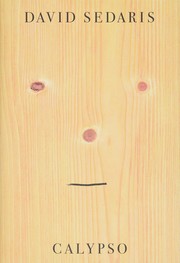
Calypso
Sedaris buys a Carolina beach house, grieves his sister Tiffany, tends his aging father, and turns illness and marriage into dry family comedy.
2,835-word summary · 13 min read
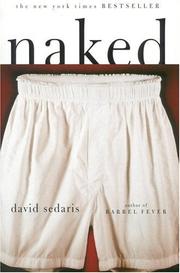
Naked
Growing up odd in Carolina, working bad jobs, and learning to watch people closely and kindly.
2,020-word summary · 9 min read

Dress Your Family in Corduroy and Denim
Sedaris on snow days, rental houses, Dutch Christmas, and the family that made him funny.
3,098-word summary · 14 min read
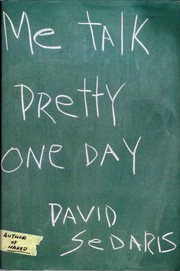
Me Talk Pretty One Day
Sedaris on French classes, family chaos, and learning to speak badly in two languages.
2,111-word summary · 9 min read
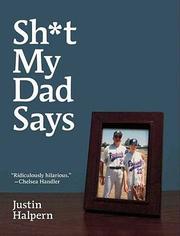
Sh*t My Dad Says
A comedy writer moves home and writes down his blunt fathers funniest lines with love.
1,961-word summary · 9 min read
Furiously Happy: A Funny Book About Horrible Things
Jenny Lawson mixes blunt talk about depression with wild stunts and taxidermy to argue for grabbing joy on purpose.
2,963-word summary · 13 min read
Let's Pretend This Never Happened: A Mostly True Memoir
The Bloggess turns a strange Texas childhood and anxious adult life into a funny, warm memoir about family.
2,479-word summary · 11 min read

Dear Girls: Intimate Tales, Untold Secrets & Advice for Living Your Best Life
Ali Wong's debut collects fourteen letters to her daughters, covering sex, money, work, marriage, Vietnam, and being a working Asian American mother.
2,266-word summary · 10 min read

Scrappy Little Nobody
Anna Kendrick's essays trace her path from a Portland childhood and Broadway to Hollywood, with jokes, anxiety, and a refusal to pretend fame fixed her.
2,092-word summary · 9 min read

My Horizontal Life: A Collection of One-Night Stands
Handler turns dating disasters and family chaos into brash comic essays about single life in Los Angeles.
2,304-word summary · 10 min read
How to Be a Woman
Moran mixes girlhood and work stories into plain feminist advice.
2,600-word summary · 12 min read
Notes from a Small Island
Bill Bryson's 1995 farewell tour of Britain, funny and fond, from Dover to London, the north, Scotland and Wales.
2,301-word summary · 10 min read

In a Sunburned Country
Bryson revisits Australia by city walks and long trains, with reef trips, critter comedy, and explorer history.
2,387-word summary · 11 min read

The Girl with the Lower Back Tattoo
Amy Schumer mixes raunchy jokes with frank essays on family, dating, body image, and the shooting that pushed her into gun control advocacy.
2,259-word summary · 10 min read

Not That Kind of Girl: A Young Woman Tells You What She's Learned
Girls creator Lena Dunham's essays on work, bodies, love, and family, frank and funny with uneven edges.
2,156-word summary · 10 min read

Talking as Fast as I Can: From Gilmore Girls to Gilmore Girls
Lauren Graham looks back on broke actress years, Parenthood, and playing Lorelai Gilmore twice in this funny 2016 memoir.
2,701-word summary · 12 min read

Are You There, Vodka? It's Me, Chelsea
Handler mines family, jail, dating, and travel for brash essays where oversharing is both joke and shield.
2,186-word summary · 10 min read
Why Not Me?
Essays on work, dating, and body image from the Office writer learning to ask for bigger rooms.
2,000-word summary · 9 min read
Running with Scissors
A boy sent to live with his mother's psychiatrist grows up in a chaotic house with no rules.
2,036-word summary · 9 min read

Marley & Me
A young couple learns marriage, parenthood, and goodbye through thirteen years with Marley, their wild and loving Labrador.
2,167-word summary · 10 min read
Is Everyone Hanging Out Without Me?
Mindy Kaling recalls Boston childhood, Dartmouth comedy, New York hustle, and The Office writers room.
2,239-word summary · 10 min read

A Walk in the Woods: Rediscovering America on the Appalachian Trail
Bryson and friend Katz attempt the Appalachian Trail with blisters, bears, and laughs.
2,660-word summary · 12 min read

Bossypants
Tina Fey moves from Pennsylvania childhood through improv and SNL to 30 Rock in this funny 2011 memoir. Expect backstage stories, jokes about work and…
2,301-word summary · 10 min read

Brown Girl Dreaming
Jacqueline Woodson retells her childhood in verse, moving from Ohio to South Carolina to Brooklyn while the civil rights movement reshapes the world around her.
2,727-word summary · 12 min read

Too Much and Never Enough: How My Family Created the World's Most Dangerous Man
Mary L. Trump's 2020 memoir traces how a cold, zero-sum Queens household shaped her uncle, and uses family tax documents to challenge his self-made story.
2,059-word summary · 9 min read
My Life in France
Julia Child's memoir of learning to cook in Paris, testing recipes for nine years, and becoming the teacher who changed how America thought about French food.
2,038-word summary · 9 min read
Hard Luck
Rowley has a girlfriend, so Greg turns to a Magic 8 Ball, a family Easter hunt and the school yearbook for answers.
2,586-word summary · 11 min read

Down and Out in Paris and London
Orwell's account of washing dishes in Paris hotels and tramping through London does not ask for pity, only for a clear look at how poverty actually works.
2,282-word summary · 10 min read