
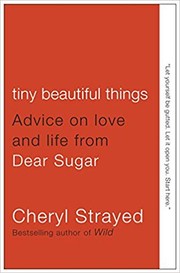
Tiny Beautiful Things: Advice on Love and Life from Dear Sugar
2,253-word summary 10 min read 368 pages in the book
- First published
- 2012
- Publisher
- Vintage Books
- Pages
- 368
- ISBN
- 9780307949332
Reading options
What's inside (5 sections)
I read Tiny Beautiful Things in small doses before bed because each column hits like a friend who tells truth kindly and will not let you dodge. Cheryl Strayed's 2012 collection, 368 pages in Vintage, gathers Dear Sugar advice columns from The Rumpus with new reflections. Love, grief, work, bodies. No easy comfort, just tough empathy from a woman who lived through heroin,ชน์? No, through loss and harm to write Wild later. It is the rare advice book to keep by bed rather than finish and shelve.
Sugar tells truth
Sugar was anonymous when columns ran, a voice without face who answered strangers about affairs, ambition, and grief with stories from her own wreckage. Mother dead at 45 when Cheryl was 22. Heroin years that followed. Bad marriage ended. Writing career built from waitressing and MFA applications. She tells these facts sparingly in columns, not as credentials but as proof she sat where letter writers sit. I have been broke, betrayed, bereaved. Here is what helped though help is not cure. That stance separates Sugar from advice that moralizes from above. She writes from floor, not pulpit.
Columns follow pattern that comforts through repetition with variation. Letter in full voice, often long and literary though writers claim ordinariness. Sugar answers with anecdote, then advice that is both practical and philosophical. Write like a motherfucker to finish dissertation. Leave the addict you love though heart breaks. Stay in the room with dying father though helpless. The advice rarely surprises in content. Work daily. Tell truth. Get tested. Leave if hit. What surprises is how she earns permission to say plain things through story that proves she paid to learn. Readers accept hard truths from someone who lived hard truths without turning them into brand. That trust is the book's engine across 100 plus letters. Return because Sugar will not lie to spare feelings though she will soften with humor.
What hooked me is range without dilution. A 20 year old afraid to come out. A 60 year old grieving husband who wonders if life over. A writer blocked by jealousy of friends' success. A mother who hates her children sometimes and hates herself more for hating. Sugar answers each with specific attention rather than form letter about self care. To the young gay man she writes about chosen family built through showing up. To the widow she writes about grief as altered state to inhabit rather than cure. To the blocked writer she writes about envy as signal of desire to honor through work. Tailoring shows respect that generic advice columns lack. She read every word twice before answering, or so it feels. That care is the real advice underneath any tip. Attend fully and answers emerge from attention itself.
A fair note is repetition across columns that book form amplifies. Write, leave, stay, grieve, repeat. Reading straight through can feel like same sermon to different sinners. Dip rather than binge. One column a night works better than fifty pages at once. Also, Strayed's West Coast earthiness with cursing and sex frankness will alienate readers wanting gentle Ann Landers. She says fuck and describes bodies without blush. If that offends, look elsewhere. If it relieves, stay. Sugar swears like friend who loves you enough to drop polish when polish would lie.
Write, leave, stay
Three verbs organize much of the book though Sugar never labels so neatly. Write like a motherfucker is the most famous, addressed to blocked writers who wait for permission or perfect conditions. Strayed tells of writing Wild in cheap motels while broke, of submitting to contests that rejected, of keeping hours before dawn shifts. The advice is not romantic. Butt in chair, words out, revise later. Talent matters less than stamina that survives rejection without turning bitter. She shares her own rejection wall to prove. Dozens of nos before yes that changed life though life remained hard after yes. Fame did not cure grief or money fears fully. Work did daily. That honesty about success helps more than pep. Keep writing though published and still scared. The fear does not leave. The book gets written anyway if hands move.
Leave appears in columns about affairs, addictions, and jobs that rot. Sugar is unsentimental about sunk costs. Years invested do not justify years more if partner hits, lies chronically, or drinks through promises. She tells a woman married to a good man she does not love to leave though comfortable, because comfort without love hollows. She tells a man staying for kids that kids learn staying means enduring contempt, a worse lesson than divorce. These answers anger readers who value commitment as absolute. Strayed values aliveness over vows kept as performance. Leave to live honestly though poor and judged. That stance grew from her own divorce she calls failure and freedom both. Hold both truths while packing. Grieve the good inside the bad you leave. Go anyway if staying kills spirit slowly enough to mistake for peace.
Stay appears in columns about grief and parenting where leaving is not option or not right yet. Stay in room with dying father though helplessness aches. Stay with colicky baby though sleep loss maddens. Stay with manuscript through tenth revision though boredom tempts abandonment. Here Sugar preaches endurance she practiced nursing mother through cancer and raising kids through poverty after Wild money. Presence as practice rather than feeling is the teaching. Show up at bedside, at desk, at kitchen table though mind wanders to escape. Attention returns through returning, not through waiting to feel like it. Readers wanting permission to leave everything will be disappointed half the time. Sometimes answer is stay and wash dishes. That balance between leave and stay, decided case by case through honest inventory rather than rule, is the book's mature wisdom. No formula, only questions to ask in mirror. Are you alive here or performing aliveness for others. Answer decides.
Read it as companion to Wild though standalone fully. Wild shows Strayed walking through grief. Sugar shows her talking others through theirs after walking. Together they form before and after of pain turned to use without turning pain into brand though brand followed anyway when Sugar revealed as Strayed to promote book. That reveal, new material in collection, addresses anonymity ethics with candor about money and ego mixed with service. She needed pay and platform and also wanted to help without fame distorting. Both true. Hold that doubleness while reading columns that preach honesty. Advisor as flawed human, not guru, is why book lasts beyond advice cycle news. Advice expires. Voice that admits fault while urging better endures. Keep by bed for nights when friends sleep and worries do not. Open anywhere. Find one line to copy onto mirror. Write it. Then write your own.
Mothers, money, and writing life
Mothers haunt Sugar columns more than any other figure because Strayed lost her own at 22 and mothered herself badly after through heroin and divorce. Letter writers ask about smothering mothers, absent mothers, dead mothers they miss though relationships frayed. Sugar answers with stories about her mother who worked as waitress while studying, who died of lung cancer in weeks, who appears in dreams with advice to live fully though broke. Those memories are not offered as credentials but as company. I lost too, so I know the particular silence after. Readers who lost mothers write back in later editions included here that columns saved holidays. That correspondence across grief forms community the book curates without exploiting. Say her name, light candle, cook her recipe badly. Rituals beat slogans when mourning lasts longer than friends expect. Give it years, Sugar says, not months. Society allots weeks. Take years though judged as stuck. Stuck is often love with nowhere to go finding shape slowly.
Money talk is refreshingly blunt for advice that often floats above rent. Strayed tells writers to take waitressing without shame though MFA peers sneer, to apply for aid though pride burns, to charge for emotional labor friends expect free because womanhood trains giving. She discloses Rumpus paid little though columns took days, and book advance helped though taxes ate. Those numbers ground counsel to leave bad jobs or marriages that seem financially impossible. Calculate real costs, save in envelopes, ask churches for help though atheist. Practical steps follow empathy rather than replacing it. Cry first, then budget. That order matters for readers who need permission to feel before fixing. Sugar gives both in sequence. Grieve fully Friday. Call landlord Monday with plan. Repeat until stable enough to help others with rent though still renting yourself. Generosity within precarity is the book's quiet economics. Share rooms, rides, and sentences though scarce. Abundance grows through circulation, not hoarding.
Writing life advice threads through even non writer letters because Strayed sees all problems as narrative problems. Who tells your story and with what verbs. Victims or agents. Past tense or present trapped. She urges letter writers to revise by changing verbs from was ruined to am rebuilding, a trick that sounds trite until tried in journal for weeks. Her own path from journaling in tents on Pacific Crest Trail to columns to books models revision as living, not just editing. Draft life, cross out, try new scene. That metaphor helps more than any single tip about agents or MFAs though she gives those too with contacts and warnings about scams. Write daily though tired. Submit though scared. Keep day jobs though dreaming. The unglamorous routine behind Wild's success story demystifies for readers who think talent skips dishes. It does not. Wash up, then write. Repeat for years. Book will come if hands keep moving through grief that never fully leaves but changes shape enough to carry.
Sugar's reveal as Strayed to promote book raises anonymity ethics she addresses with candor about money and ego mixed with service. She needed pay and platform and also wanted to help without fame distorting. Both true. Hold that doubleness while reading columns that preach honesty. Advisor as flawed human, not guru, is why book lasts beyond advice cycle news. Advice expires. Voice that admits fault while urging better endures. Keep by bed for nights when friends sleep and worries do not. Open anywhere. Find one line to copy onto mirror. Write it. Then write your own. That practice, more than any single column's counsel, is the book's gift that outlasts reading. Become your own Sugar though kinder than inner critic that shouts. Whisper tough love learned here until voice steadies enough to advise others starting where you started. Pass it on.
Mothers haunt Sugar columns more than any other figure because Strayed lost her own at 22 and mothered herself badly after through heroin and divorce. Letter writers ask about smothering mothers, absent mothers, dead mothers they miss though relationships frayed. Sugar answers with stories about her mother who worked as waitress while studying, who died of lung cancer in weeks, who appears in dreams with advice to live fully though broke. Those memories are not offered as credentials but as company. I lost too, so I know the particular silence after. Readers who lost mothers write back in later editions included here that columns saved holidays. That correspondence across grief forms community the book curates without exploiting. Say her name, light candle, cook her recipe badly. Rituals beat slogans when mourning lasts longer than friends expect. Give it years, Sugar says, not months. Society allots weeks. Take years though judged as stuck. Stuck is often love with nowhere to go finding shape slowly.
Money talk is refreshingly blunt for advice that often floats above rent. Strayed tells writers to take waitressing without shame though MFA peers sneer, to apply for aid though pride burns, to charge for emotional labor friends expect free because womanhood trains giving. She discloses Rumpus paid little though columns took days, and book advance helped though taxes ate. Those numbers ground counsel to leave bad jobs or marriages that seem financially impossible. Calculate real costs, save in envelopes, ask churches for help though atheist. Practical steps follow empathy rather than replacing it. Cry first, then budget. That order matters for readers who need permission to feel before fixing. Sugar gives both in sequence. Grieve fully Friday. Call landlord Monday with plan. Repeat until stable enough to help others with rent though still renting yourself. Generosity within precarity is the book's quiet economics. Share rooms, rides, and sentences though scarce. Abundance grows through circulation, not hoarding.
Writing life advice threads through even non writer letters because Strayed sees all problems as narrative problems. Who tells your story and with what verbs. Victims or agents. Past tense or present trapped. She urges letter writers to revise by changing verbs from was ruined to am rebuilding, a trick that sounds trite until tried in journal for weeks. Her own path from journaling in tents on Pacific Crest Trail to columns to books models revision as living, not just editing. Draft life, cross out, try new scene. That metaphor helps more than any single tip about agents or MFAs though she gives those too with contacts and warnings about scams. Write daily though tired. Submit though scared. Keep day jobs though dreaming. The unglamorous routine behind Wild's success story demystifies for readers who think talent skips dishes. It does not. Wash up, then write. Repeat for years. Book will come if hands keep moving through grief that never fully leaves but changes shape enough to carry.
FAQ
When was Tiny Beautiful Things published?
Vintage Books published it in 2012. It runs 368 pages with ISBN 9780307949332.
What is the full title?
Tiny Beautiful Things: Advice on Love and Life from Dear Sugar, her anonymous Rumpus column collected.
Is it part of a series?
No. It is a standalone essay collection from the Dear Sugar advice column.
Similar books

Dear Girls: Intimate Tales, Untold Secrets & Advice for Living Your Best Life
Ali Wong's debut collects fourteen letters to her daughters, covering sex, money, work, marriage, Vietnam, and being a working Asian American mother.
2,266-word summary · 10 min read
Year of Yes: How to Dance It Out, Stand in the Sun and Be Your Own Person
Shonda Rhimes takes her sister’s accusation seriously and spends a year saying yes to the things that frighten her, from live television to her own reflection.
2,585-word summary · 11 min read
Scrappy Little Nobody
Anna Kendrick's essays trace her path from a Portland childhood and Broadway to Hollywood, with jokes, anxiety, and a refusal to pretend fame fixed her.
2,092-word summary · 9 min read
Attached
A psychiatrist and a psychologist explain adult attachment styles and show how anxious, avoidant, and secure patterns shape dating, conflict, and the search…
2,157-word summary · 10 min read
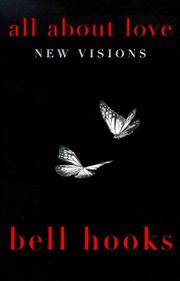
All About Love: New Visions
bell hooks borrows a definition of love as an action rather than a feeling, then spends thirteen chapters showing how hard it is to practice.
2,385-word summary · 11 min read
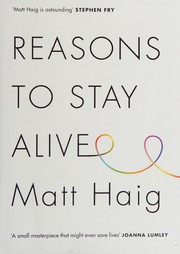
Reasons to Stay Alive
Matt Haig's memoir of the breakdown that nearly killed him at twenty four and the three years of unglamorous recovery that followed.
2,065-word summary · 9 min read
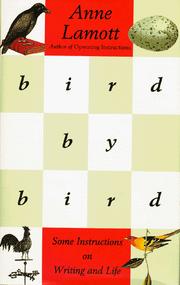
Bird by Bird
Anne Lamott's 1994 book on writing and life: shitty first drafts, the one-inch picture frame, and quieting the inner critic so you can take it bird by bird.
2,592-word summary · 12 min read
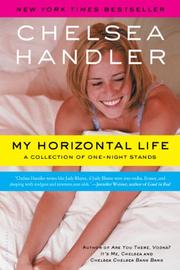
My Horizontal Life: A Collection of One-Night Stands
Handler turns dating disasters and family chaos into brash comic essays about single life in Los Angeles.
2,304-word summary · 10 min read
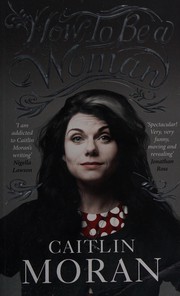
How to Be a Woman
Moran mixes girlhood and work stories into plain feminist advice.
2,600-word summary · 12 min read
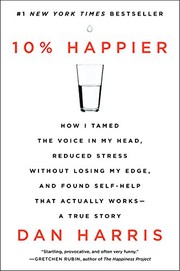
10% Happier
An ABC newsman panics on air, then finds meditation without losing his edge.
2,590-word summary · 12 min read
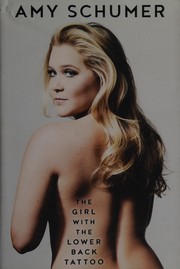
The Girl with the Lower Back Tattoo
Amy Schumer mixes raunchy jokes with frank essays on family, dating, body image, and the shooting that pushed her into gun control advocacy.
2,259-word summary · 10 min read
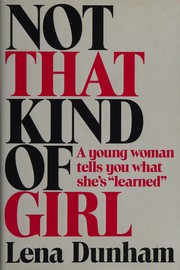
Not That Kind of Girl: A Young Woman Tells You What She's Learned
Girls creator Lena Dunham's essays on work, bodies, love, and family, frank and funny with uneven edges.
2,156-word summary · 10 min read
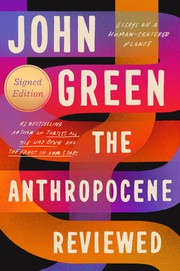
The Anthropocene Reviewed: Essays on a Human-Centered Planet
John Green reviews ordinary parts of human life on a five-star scale, turning geese, keyboards, and sunsets into a warm memoir about attention.
2,982-word summary · 13 min read
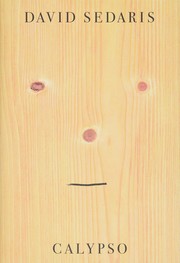
Calypso
Sedaris buys a Carolina beach house, grieves his sister Tiffany, tends his aging father, and turns illness and marriage into dry family comedy.
2,835-word summary · 13 min read
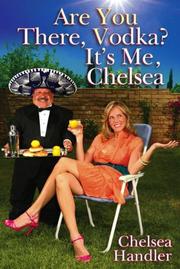
Are You There, Vodka? It's Me, Chelsea
Handler mines family, jail, dating, and travel for brash essays where oversharing is both joke and shield.
2,186-word summary · 10 min read
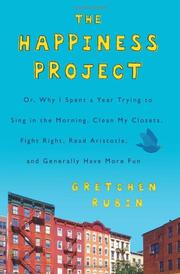
The Happiness Project
Gretchen Rubin spends a year testing monthly resolutions on energy, marriage, work, parenting, and play, tracking small habits to build a happier ordinary…
3,516-word summary · 16 min read
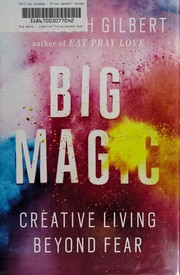
Big Magic
Gilbert on creative living past fear: ideas that visit, permission without credentials, daily work, finished over perfect, and trust in curiosity.
2,984-word summary · 13 min read
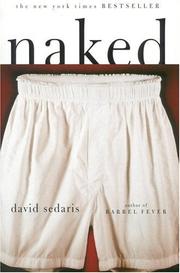
Naked
Growing up odd in Carolina, working bad jobs, and learning to watch people closely and kindly.
2,020-word summary · 9 min read

Dress Your Family in Corduroy and Denim
Sedaris on snow days, rental houses, Dutch Christmas, and the family that made him funny.
3,098-word summary · 14 min read
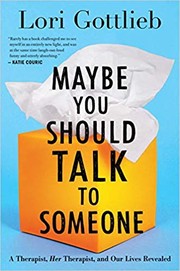
Maybe You Should Talk to Someone
Therapist Lori Gottlieb counsels John, Julie and Rita while seeing her own therapist Wendell after a breakup.
2,234-word summary · 10 min read
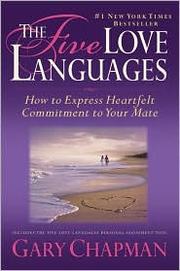
The Five Love Languages
Chapman maps words, time, gifts, service, and touch through counseling stories and the empty love-tank idea.
3,122-word summary · 14 min read
Eat, Pray, Love
Eat, Pray, Love retold: divorce, Italy for pleasure, India for practice, Bali for balance.
1,962-word summary · 9 min read
Wild: From Lost to Found on the Pacific Crest Trail
At 26 Cheryl Strayed hikes the Pacific Crest Trail alone to grieve and reset.
2,075-word summary · 9 min read

Long Walk to Freedom
Mandela's account of a Thembu childhood, a law practice, a banned movement, twenty-seven years in prison, and the negotiation that ended apartheid.
2,454-word summary · 11 min read
What Happened to You?
Oprah Winfrey and psychiatrist Bruce Perry explain how early experience shapes the brain, and why asking what happened to someone works better than asking what…
2,238-word summary · 10 min read
The Courage to Be Disliked: The Japanese Phenomenon That Shows You How to Change Your Life and Achieve Real Happiness
A philosopher and an angry young man argue over five nights about Adlerian psychology, trauma, approval, and the freedom to be disliked.
2,054-word summary · 9 min read

In Order to Live: A North Korean Girl's Journey to Freedom
A young North Korean girl crosses the Yalu, survives trafficking in China, and rebuilds her life in Seoul in this unsparing memoir.
2,027-word summary · 9 min read

Too Much and Never Enough: How My Family Created the World's Most Dangerous Man
Mary L. Trump's 2020 memoir traces how a cold, zero-sum Queens household shaped her uncle, and uses family tax documents to challenge his self-made story.
2,059-word summary · 9 min read
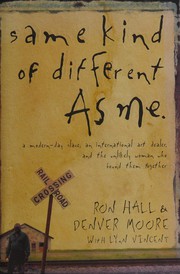
Same Kind of Different as Me
An art dealer and a formerly homeless sharecropper tell the story of the friendship that began at a Fort Worth mission and the woman who insisted on it.
2,023-word summary · 9 min read
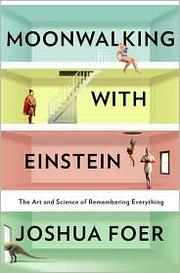
Moonwalking with Einstein: The Art and Science of Remembering Everything
A journalist spends a year training for the U.S. Memory Championship and discovers that extraordinary memory is mostly technique, attention, and a lot of…
2,027-word summary · 9 min read