
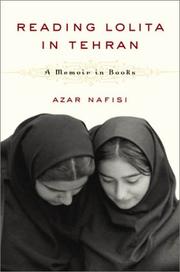
Reading Lolita in Tehran: A Memoir in Books
2,916-word summary 13 min read 343 pages in the book
- First published
- 2003
- Publisher
- Random House
- Pages
- 343
- ISBN
- 9780375504907
Reading options
What's inside (8 sections)
I came to this book because a friend kept leaving it on my kitchen table. She said it was about a secret class where women read forbidden novels in Iran. I expected a sad political story. What I got was stranger and warmer. It is a memoir about teaching, leaving, and arguing over books when the world outside keeps changing the rules.
The book was published in 2003 by Random House. It runs 343 pages in the first edition hardcover. Azar Nafisi wrote it in English after she left Iran in 1997. It stayed on the New York Times bestseller list for more than 100 weeks. The shape is simple. Four large parts named for books. Lolita, Gatsby, James, Austen. Inside those parts she moves between two times. The Thursday morning class in her Tehran living room from 1995 to 1997, and her earlier years teaching at the University of Tehran and later at Allameh Tabatabai University.
Nafisi had returned to Iran after studying in the United States. She taught English fiction. Then came revolution, new dress codes, purges of faculty and books, and the long Iran Iraq war. She refused at first to wear the veil in class. She left the University of Tehran. She taught again for several years in the 1980s. She quit in 1987. By the mid 1990s she was done with official classrooms. She invited seven former students to her house. Every Thursday morning they took off their robes and headscarves at the door and talked about novels the state called immoral or useless.
The seven women matter more than any thesis. Mahshid is quiet and religious and careful with words. Yassi is young, bright, and funny about serious things. Mitra is calm and steady. Nassrin has spent time in prison and speaks with a sharp edge. Azin is bold, married, and tired of being told to shrink. Sanaz is engaged and torn between love and duty. Manna writes poems and watches people closely. Some came from strict families. Others came from secular homes. A few had been in jail. At first they barely spoke. They were used to exams, not opinions. Slowly they started to interrupt each other. That is when the class became real.
The living room where Lolita started
The book opens in that living room, not in history. Nafisi does not give a lecture. She makes tea. The women fold their black robes. Underneath are colors. For two hours they can sit without adjusting fabric. Then they open Vladimir Nabokov and the air changes.
Lolita is a hard book to teach anywhere. A middle aged man named Humbert Humbert tells his own story. He rents a room from a widow to stay near her twelve year old daughter, Dolores Haze, whom he calls Lolita. He marries the mother. The mother dies. He takes the girl on the road. He controls money, moves, stories, and threats. He calls it love. Nafisi keeps pulling her students back to one point. Humbert takes another person's life and rewrites it inside his own dream. He sees what he wants. He misses the girl in front of him.
That idea carries the whole memoir. Nafisi keeps returning to a jailer's habit of mind. A jailer, a husband, a censor, a teacher, even a lover can do it. You force your plot on someone else and call it care or faith or order. The Islamic Republic does it at scale, she argues. It tells women who they are, what to wear, where to walk, what to read. But she does not stop there. She turns the lens around. Revolutionaries, parents, husbands, and sometimes the women themselves do smaller versions of the same thing.
In the Lolita section they also read One Thousand and One Nights and Nabokov's Invitation to a Beheading. The links feel natural in class. Scheherazade tells stories to delay death. Cincinnatus waits in prison for a punishment that makes no sense. The students talk about vacations that went wrong when morality guards stopped cars. They talk about a runaway convict in the news and how easy it is to cheer punishment until you picture a cell. Mahshid defends rules she grew up with. Azin pushes back. Nassrin laughs in a way that stops talk. Nafisi mostly listens and nudges.
I liked how physical this part feels. Small apartment. Thursday light. Teacups. The rustle when someone stands to leave and puts the robe back on. Outside, the street returns. Inside, for a bit, seven readers get to be difficult on purpose.
One scene stayed with me. The group takes a photo without veils and argues about what it means. A picture sounds simple. In Tehran then, hair showing could bring trouble. Keeping the photo feels brave. Destroying it feels safe. They keep it. That choice tells you more about risk than any speech about freedom.
Gatsby on trial
Then Nafisi jumps back about eleven years to the start of the revolution. This is the Gatsby section, and it is the angriest part of the book.
She is young and back in Tehran. The university is loud with meetings, posters, votes, and purges. Students judge teachers. Committees judge books. The veil becomes required. Nafisi argues in faculty rooms and hallways. She wants to teach fiction as fiction, not as moral instruction or propaganda. Others want books to serve the cause, whatever the cause is that month.
Her student Mr. Nyazi puts The Great Gatsby on trial in class. He says it is decadent. It praises adultery and money. It comes from the Great Satan. He wants it removed. Nafisi defends it, not because Gatsby is good, but because the novel knows Gatsby is hollow.
That defense is worth slowing down for. Jay Gatsby throws parties to win back Daisy Buchanan. Nick Carraway narrates and half admires and half doubts him. Tom Buchanan is rich and cruel. Daisy is lovely and careless. Myrtle Wilson pays with her life. George Wilson breaks. Gatsby dies in a pool waiting for a call that never comes. Fitzgerald loves wealth on the surface and then shows its rot underneath. Nafisi tells her class that a serious novel can hold both feelings at once. It can show longing and then show cost.
She pairs this with the Iranian dream of revolution as she lived it. Many people hoped for justice, independence, and a moral public life. Then new officials rewrote street names, banned films, closed papers, and told women to cover. Hope curdled. Gatsby's green light across the water becomes a useful image here. You reach. You miss. You tell yourself the next try will fix it.
She also brings in Mike Gold and other political writers to show the other pressure. If the right wanted books gone for being immoral, parts of the left wanted books to be useful tools. Both sides, in her account, feared the same thing. A story that will not march straight.
Mr. Nyazi is not a cartoon. He is serious, polite, and sure. That makes him harder to dismiss. Nafisi lets him speak. She answers with questions about character and motive. Who sees clearly in Gatsby. Who lies to himself. Who pays for someone else's dream. The class votes in a way. The book stays, but the room feels colder. You can tell teaching will get harder from here.
This section drags in one spot. Meetings pile up. Names blur. I had to reread two pages to keep committees straight. That blur may be honest. Revolution time did feel like endless sessions. Still, as a reader I wanted more faces and fewer procedures.
James and learning to sit with doubt
The James section follows right after in time. War has started. Nafisi has been pushed out of the University of Tehran with other liberal minded teachers. The veil is enforced. She describes buying a wide black robe with long sleeves and hiding her hands inside. It is a small detail that says a lot. She feels erased in cloth.
She meets a man she calls her magician. He is an older literary man who has stepped back from public life. They walk and talk about Henry James. Daisy Miller and Washington Square become the center. Later she adds The Ambassadors in passing.
Daisy Miller is short and perfect for this mood. An American girl in Europe acts free and warm. Winterbourne watches her and judges her. He cannot decide if she is innocent or reckless. She dies after a late visit to the Colosseum. Winterbourne is left with his failure to read her. Washington Square is colder. Catherine Sloper is plain, rich, and obedient. Her father tells her she is dull. Morris Townsend courts her for money or love or both. She says no to both men in the end and lives alone with embroidery and memory. James loves these almost choices. People almost know. They almost act. Then life closes.
Nafisi uses James to talk about doubt. Total systems hate doubt. They want clean types. Martyr or traitor. Modest or corrupt. James refuses clean types. His people misunderstand each other for a hundred pages and the misunderstanding is the point. In a Tehran classroom where answers could cost jobs, teaching doubt felt risky. I found this the most moving teaching in the book. Not brave speeches. Just close reading while sirens and shortages pressed in.
Nassrin returns here after years in prison. She is thinner and harder. She argues about faith and power without smoothing edges. Other students flinch. Nafisi worries she pushes too hard and protects too much at once. Their talks about James turn into talks about how to live when you cannot trust the state or your family. Should you marry to be safe. Should you study abroad if you can. Should you stay and fight in small ways.
The war sits behind everything. Bombs, blackouts, funerals, young men sent front with slogans. Nafisi writes about students who mocked dead soldiers and how much that scared her. Grief made people cruel and numb by turns. She does not excuse it. She tries to show how fear thins pity.
My small complaint here is about the magician. He says wise things and vanishes when needed. He feels a little too neat, like a guide placed to deliver lessons. I wanted one scene where he was wrong about a book. That would have made his wisdom land harder.
Austen and the power of no
The last large part returns to the living room near the end. Nafisi is planning to leave Iran. The Thursday group keeps meeting. The mood is tender and frayed. They read Jane Austen, mostly Pride and Prejudice, with Emma and Mansfield Park close by. They joke about starting a Dear Jane society.
Austen seems safe. Country houses. Letters. Balls. But in that room Austen becomes dangerous. Elizabeth Bennet says no to Mr. Collins and no to Darcy at first. She reads people badly and then admits it. Emma Woodhouse meddles and learns she was blind. Fanny Price in Mansfield Park refuses a marriage that would secure her and is punished for it. For women weighing arranged matches, jealous husbands, and family honor, these plots are not quaint. They are manuals for refusal.
Azin carries this section. Her marriage is bad. Her husband controls money, visits, clothes, and sex. She tells stories that make the room go quiet. She laughs too loud after. The others do not know whether to advise divorce or patience. Divorce means shame and poverty for many women then. Staying means slow harm. Austen does not solve it. She gives language. Blindness, pride, prejudice, sense. The students start to use those words for their own lives. Who in my house will not see me. What did I misread in him. What price will my no cost.
Sanaz is engaged and hopeful and scared. She loves her fiance and hates the rules around touch and talk. Manna writes and wonders if art can survive censors. Mahshid prays and thinks about whether faith can include choice. Yassi, the youngest, asks plain questions that cut through theory. Mitra holds the group together with food and jokes. Nassrin plans to leave for England and says so flatly. No one claps. Leaving feels like betrayal and relief at once.
Nafisi's magician returns with a warning she keeps repeating to herself. Do not blame everything on the Islamic Republic. Private cruelty existed before and will exist after. Fathers, brothers, husbands, and mothers can jail a woman without any law. That line complicates the book in a good way. It stops the memoir from becoming a simple story of bad state versus good readers.
The final meetings are full of small gifts and addresses copied twice. Someone brings pastries. Someone cries while washing cups. Nafisi packs books she cannot carry. She knows she will be free to teach again in America and also that she will miss the urgency of that room. Freedom will feel thin after danger gave each page weight. That paradox rings true. I have felt a pale version after a hard class ends. You miss the pressure that made you sharp.
What wears thin
No book that tries this much lands every page. This one has soft spots worth naming.
First, the canon is narrow. Nabokov, Fitzgerald, James, Austen, plus Bellow and others. Persian writers get little space except in passing. For a book about imagination under pressure in Iran, that absence shows. Nafisi knows Persian poetry. She mentions Forugh Farrokhzad and others. But the class reads mostly Western novels. She explains why. Those were her field and those books were banned or attacked. Still, a reader new to Iran could finish and think no local fiction mattered. It did. A short chapter on one Iranian novelist would have balanced the shelf.
Second, memory does a lot of lifting. Conversations from fifteen years earlier arrive with crisp turns. Memoirs always compress and shape. Nafisi admits she changed some names and rebuilt scenes. Even so, Mr. Nyazi's trial and some living room debates sound almost too complete. I read them as true in spirit rather than word for word. If you need footnotes for every claim, this book will frustrate you.
Third, the students blur at times. Seven women plus Nafisi plus the magician plus colleagues is a crowd. Early on I mixed up Mitra and Manna and Sanaz. Distinct voices emerge later, Azin's heat, Nassrin's bite, Mahshid's care, Yassi's humor. But in the middle James chapters I had to flip back to recall who had been jailed and who was engaged. A simple cast note at the start would help. The site copy I read lacked one.
Fourth, politics invite argument. Scholars have pushed back hard. Hamid Dabashi called the book a native informer text that served American power after 2001. Fatemeh Keshavarz answered with Jasmine and Stars and argued Nafisi flattened Iran into veil and prison. Seyed Mohammad Marandi charged errors and selective quotes. Nafisi replied that she opposed the Iraq War, that she writes about literature more than policy, and that forced readings miss her point about private as well as public force. You do not need to settle that fight to read the memoir. But you should know it exists. A memoir that became a bestseller in wartime America was always going to be used by many sides.
None of this broke the book for me. The narrow shelf is real. The memory polish is real. The political use is real. Yet the classroom scenes hold. A teacher and seven students test novels against lives and lives against novels. That engine runs even when you doubt a date or a line of dialogue.
Who should read it and how to take it
Read it if you like books about books. Read it if you teach or study or run a book group that has gone stale. The Thursday routine gives a model. Short text. Hard question. Each person speaks once before anyone speaks twice. No phones, obviously. Tea helps.
Skip it for now if you want a history of Iran. This is not that. You get revolution and war through a teacher's window, not a full survey. Pair it with a history and with Marjane Satrapi's Persepolis for images of school life, or with Keshavarz for a direct reply. That trio gives a fuller picture than any one title.
Practical notes. The prose is clear but dense with plot retellings. You will follow more if you have read or skimmed Lolita, Gatsby, Daisy Miller, Washington Square, and Pride and Prejudice. Short summaries before each part help. The tone is serious with dry jokes. There is talk of prison, war death, sexual coercion in Lolita discussion, and marital abuse in the Austen section. Nothing is graphic for shock. Still, younger teens should read with an adult nearby.
I closed the book thinking about that photo of unveiled women and about Nafisi locking her apartment door to open books. Tyranny wants single stories. A novel wants many voices in one room. For two years on Thursday mornings, seven women and one teacher built that room. Then they scattered. Some stayed. Some left. Nafisi left in 1997 and wrote it down so the room would not vanish. That act of record feels like the point. Not winning an argument about East and West. Keeping proof that reading together made them harder to rule.
FAQ
When was Reading Lolita in Tehran published and which edition does this summary follow?
It was published in 2003 by Random House. This summary follows the 343-page first edition hardcover, ISBN 9780375504907.
Who are the seven students in the secret class?
Mahshid, Yassi, Mitra, Nassrin, Azin, Sanaz, and Manna meet on Thursday mornings from 1995 to 1997 to discuss Lolita, Gatsby, James, and Austen.
Is the book only about Lolita?
No. Lolita opens the memoir, then Gatsby covers revolution, James covers war and doubt, and Austen covers marriage and refusal before Nafisi leaves Iran in 1997.
Similar books

Infidel
Ayaan Hirsi Ali's memoir of a Somali childhood, a forced marriage, a Dutch asylum claim, and the political fight that followed the murder of Theo van Gogh.
2,041-word summary · 9 min read

Dear Girls: Intimate Tales, Untold Secrets & Advice for Living Your Best Life
Ali Wong's debut collects fourteen letters to her daughters, covering sex, money, work, marriage, Vietnam, and being a working Asian American mother.
2,266-word summary · 10 min read
How to Be a Woman
Moran mixes girlhood and work stories into plain feminist advice.
2,600-word summary · 12 min read
Hunger
Roxane Gay traces how assault at twelve shaped her body, appetite, and daily life as a fat Black woman refusing shame.
2,583-word summary · 11 min read
Not That Kind of Girl: A Young Woman Tells You What She's Learned
Girls creator Lena Dunham's essays on work, bodies, love, and family, frank and funny with uneven edges.
2,156-word summary · 10 min read
Know My Name
Chanel Miller reclaims her story after the Stanford assault case, tracing family support, trial strain, her viral 2016 statement, and leaving Emily Doe for her…
3,092-word summary · 14 min read

Long Walk to Freedom
Mandela's account of a Thembu childhood, a law practice, a banned movement, twenty-seven years in prison, and the negotiation that ended apartheid.
2,454-word summary · 11 min read

In Order to Live: A North Korean Girl's Journey to Freedom
A young North Korean girl crosses the Yalu, survives trafficking in China, and rebuilds her life in Seoul in this unsparing memoir.
2,027-word summary · 9 min read

Too Much and Never Enough: How My Family Created the World's Most Dangerous Man
Mary L. Trump's 2020 memoir traces how a cold, zero-sum Queens household shaped her uncle, and uses family tax documents to challenge his self-made story.
2,059-word summary · 9 min read
Same Kind of Different as Me
An art dealer and a formerly homeless sharecropper tell the story of the friendship that began at a Fort Worth mission and the woman who insisted on it.
2,023-word summary · 9 min read

Down and Out in Paris and London
Orwell's account of washing dishes in Paris hotels and tramping through London does not ask for pity, only for a clear look at how poverty actually works.
2,282-word summary · 10 min read
Year of Yes: How to Dance It Out, Stand in the Sun and Be Your Own Person
Shonda Rhimes takes her sister’s accusation seriously and spends a year saying yes to the things that frighten her, from live television to her own reflection.
2,585-word summary · 11 min read

The Girl with Seven Names: A North Korean Defector's Story
Hyeonseo Lee crossed the frozen Yalu River at seventeen, spent years hidden in China, escaped to South Korea, and later returned to rescue her family.
2,404-word summary · 11 min read

Love Does
A lawyer and activist tells stories of saying yes, showing up, and loving people through ordinary, often ridiculous actions.
2,411-word summary · 11 min read
Beautiful Boy: A Father's Journey Through His Son's Addiction
David Sheff recounts watching his son Nic slide into meth addiction, and his own desperate, humbling search for how to help without destroying them both.
2,076-word summary · 9 min read

The Magnolia Story
How Chip and Joanna Gaines met, closed their first shop, nearly lost everything in a housing development, and built Fixer Upper.
2,994-word summary · 13 min read
Lone Survivor: The Eyewitness Account of Operation Redwing and the Lost Heroes of SEAL Team 10
Marcus Luttrell's account of the 2005 SEAL mission in Afghanistan that killed three of his team and left him alone.
2,144-word summary · 10 min read
Life
The Rolling Stones guitarist tells his own story: a Dartford childhood, the band's first gigs, the drug raids, the tax years and Patti Hansen.
2,761-word summary · 12 min read
Dry
A memoir of drinking, rehab and relapse, and the strange business of getting sober one morning at a time.
2,643-word summary · 12 min read

Why I'm No Longer Talking to White People About Race
Reni Eddo-Lodge traces black British history and shows how institutions, culture, and everyday assumptions keep producing racial inequality.
2,071-word summary · 9 min read
Travels with Charley
Steinbeck drives across America with his poodle Charley, looking for the country he remembers and finding a place that has changed.
2,039-word summary · 9 min read
Smoke Gets in Your Eyes: And Other Lessons from the Crematory
A young medieval history graduate takes a job at an Oakland crematory and becomes a mortician, confronting the physical reality of death and the funeral…
2,003-word summary · 9 min read

Scrappy Little Nobody
Anna Kendrick's essays trace her path from a Portland childhood and Broadway to Hollywood, with jokes, anxiety, and a refusal to pretend fame fixed her.
2,092-word summary · 9 min read
Red Notice
An American financier in Moscow exposes a $230 million tax fraud, watches his lawyer die in prison, and turns the case into an international human rights law.
2,008-word summary · 9 min read

The Letters of Vincent van Gogh
Vincent van Gogh's letters to his brother Theo, in a Penguin Classics selection edited by Ronald de Leeuw, trace a decade of work, faith, and obsession.
2,611-word summary · 12 min read
Lucky
Alice Sebold's memoir of the 1981 rape she survived as a college freshman, the courtroom that followed, and a conviction later proven to be a case of mistaken…
2,091-word summary · 9 min read
All About Love: New Visions
bell hooks borrows a definition of love as an action rather than a feeling, then spends thirteen chapters showing how hard it is to practice.
2,385-word summary · 11 min read
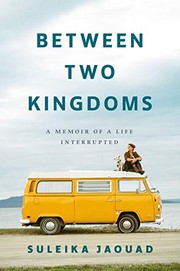
Between Two Kingdoms: A Memoir of a Life Interrupted
Diagnosed with leukemia at twenty-two, Suleika Jaouad survives treatment and then takes a 100-day road trip to meet the strangers who wrote to her.
2,311-word summary · 10 min read
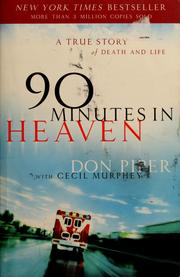
90 Minutes in Heaven: A True Story of Death and Life
A pastor declared dead at a 1989 crash scene describes ninety minutes he says he spent in Heaven, then thirteen months of surgeries, depression, and recovery.
2,246-word summary · 10 min read
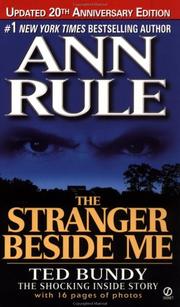
The Stranger Beside Me
Ann Rule's classic memoir of her friendship with Ted Bundy, written by the true-crime author who knew him long before the world learned what he had done.
2,481-word summary · 11 min read