

Know My Name
3,092-word summary 14 min read 368 pages in the book
- First published
- 2019
- Publisher
- Viking
- Pages
- 368
- ISBN
- 9780735223707
Reading options
What's inside (8 sections)
I picked up Know My Name because I had read the news story years before without knowing the person inside it. Published in 2019 by Viking, 368 pages, it is Chanel Miller's own account of the Stanford assault case in which she was known in court papers as Emily Doe. I expected a courtroom book. What I found was a family memoir and an artist's record of repair, with courtroom chapters set inside a larger life. I read it over four evenings, stopping often, because the plain sentences carry weight without pushing for shock.
Miller was twenty two in January 2015, living in her hometown of Palo Alto, California and working after college. She writes about growing up near Stanford as a backyard place of summer camps and dining hall visits and cheap tutors hired by her parents. She is half Chinese. Her Chinese name is Zhang Xiao Xia, which she renders as Little Summer, for a June birth and for being the first child. She makes art and writes with a dry, observant humor. Her younger sister Tiffany was then a junior at Cal Poly. That sibling bond, teasing and loyal, opens the book and returns all through it.
A party near home and a morning she could not remember
On Saturday, January 17, 2015, Tiffany drove up the coast for a long weekend. Miller and Tiffany picked up Tiffany's friend Julia, a Stanford student, and drove to the Arastradero Preserve to watch the sun lower over the hills. They stopped at a taqueria. They argued about small things, where pigeons sleep, whether people fold toilet paper or crumple it. Tiffany and Julia mentioned a party that evening at Kappa Alpha on the Stanford campus. Miller had paid little attention at first. Their mother drove them to campus, a short run down Foothill Expressway, and dropped them near the bookstore where she had once taken them for cocoa on rainy days.
At the fraternity house they sang at the door and tried to act loose while feeling shy. Miller describes the sour smell of old cups and sticky floors and punch that tasted harsh. She poured vodka, stood on a chair with her arms up, felt drunk and tired and bored, less than ten minutes from home. She went outside with her sister at one point. She rapped with Julia about dry skin and got stuck on a rhyme for a face cream. Then her memory stops. She says plainly that none of what she did that night felt important at the time, and that every small choice would later be pulled apart and measured in public.
What happened after has been established in police records and trial testimony. Outside on the ground behind a dumpster, two graduate students on bicycles saw Brock Turner on top of an unconscious woman. The men were Peter Lars Jonsson and Carl-Fredrik Arndt, visiting from Sweden. They confronted him, and when he tried to leave they chased him, tripped him, held him for deputies, and called for help. Police arrested Turner that night. He was then a nineteen year old Stanford student and swimmer. He posted bail the same day.
Miller woke in a hospital with no memory of how she got there. A deputy told her there was reason to believe she had been assaulted. She remembers dried blood on her hands and elbows. She remembers pine needles in her hair and on her body. She remembers a gurney in a hallway and her mind telling her body not to collapse. Nurses performed a sexual assault examination. An intern brought oatmeal. A deputy waited beside her. A detective listened and did not judge her. Advocates stayed near. A therapist later taught her to find courage in speaking about fear. These small kindnesses stay with her, and she thanks those workers by role in the pages that follow.
She learned the public version of herself from news feeds. The first stories called her an unconscious intoxicated woman and called him a former Stanford swimmer charged in an on campus attack. She felt split from that description. She did not want to attach her identity to a flat police phrase. She was given a court name to protect her privacy. She became Emily Doe. Her old sense of safety left, and a new existence began in which lawyers and dates and forms set the calendar.
Living as Emily Doe while life kept moving
The charge history moved slowly. Turner was first faced with five counts, including two rape counts and two felony sexual assault counts plus attempt, though the rape counts were later withdrawn under California law as it stood then. He pleaded not guilty on February 2, 2015. Trial would not come for more than a year. In that gap Miller tried to keep a job and a relationship and a family life while checking a court mailbox she never asked for.
She writes about shame as something she absorbed in stages rather than something she started with. At first she thought the facts looked clear. There were witnesses. He ran. Evidence was secured at once. She assumed he would admit what happened and accept a penalty. Instead he hired counsel and fought the case, and she learned that a trial would pick through what she ate and drank, what she wore, what she texted, when she called her boyfriend, how she danced. A year and a half passed. She left full time work because getting through ordinary days felt impossible. Panic rose at strange hours. Sleep broke. She felt exposed each time a filing or story reduced her to a body without a past.
Her family holds these chapters together. Her mother drives and waits and feeds people. Her father stays steady. Tiffany refuses to let her disappear into paperwork. Her boyfriend stays through moods and delays. Friends bring food and jokes and rides. Miller is honest about needing help and about hating to need it. She describes hiding in a bathroom during trial breaks to cry where no one could record her face. She describes waking each morning surprised to still be present, then counting presence itself as proof she had not quit. The tone here is not heroic in a poster sense. It reads tired and stubborn, someone showing up because stopping felt worse.
She also began to study her own case from a distance. During trial she could not read transcripts or sit in on all testimony. Afterward, starting in 2017, she read those records to prepare the book. She says this is not the final truth but her own, told as best she can, through her eyes and ears and chest. In the memoir she calls the defense attorney the defense and the judge the judge. She says she does this to show roles rather than to flatten people as she felt flattened. She uses Brock Turner's name, then adds that he could be any young man shielded by a broken process. The point, for her, is the pattern that let status soften accountability.
Her agent Philippa Brophy brought the project to Viking. Editor in chief Andrea Schulz moved fast to acquire it after seeing Miller's skill and the clarity of her account. Miller wanted room to be funny and angry and tender on the page, not only solemn. That choice shapes the whole memoir. Chapters about grocery runs and sister banter sit near chapters about subpoenas, and the mix feels true to how trauma actually interrupts a life.
Trial and the slow erosion of self
The trial ended on March 30, 2016 with conviction on three felony sexual assault counts. Turner faced up to fourteen years in prison. Miller describes the courtroom as a place where clear events turned cloudy through repetition. Questions circled back over small details until she felt hollowed out. She writes about being asked and reasked about lunch and dinner, about phone calls, about dancing and drinking, until the night itself seemed to dissolve into forms. Only when she cried hard would questioning pause and let her step out. She would splash water on her face, breathe, return to the stand.
She takes care not to turn legal staff into villains. She focuses on how the process felt from the witness chair. She felt spoken about in physical terms, as if she had no work or dreams or humor before that night. She felt unheard even while speaking loudly. She felt shame gather until she barely recognized herself. One passage that stayed with me paraphrases a lesson she drew. She did not know that drinking would be used to discredit her while his drinking would draw sympathy. That double standard runs through many assault trials, and she lays it out without slogans, through her own confusion and anger.
Turner's account to the probation office was that the encounter was consensual. He also gave a long written statement to the court saying he had received verbal agreement before she lost consciousness. Miller did not find remorse in those papers. She writes about reading them with a heavy calm, seeing a story in which her silence was rewritten as permission. The probation recommendation leaned toward a short county term. She waited for the sentencing date with dread, aware that strangers now knew her body better than her name.
I found these chapters the hardest to read, not because of graphic passages, of which there are none, but because of the grind they record. Miller refuses salacious detail. She does not restage the assault for effect. She stays on what she lived afterward, waiting rooms and parking lots and whispered calls with her sister and nights when fear sat on her chest. That restraint gives the book force. It also makes the legal stakes plain. Even in a case with witnesses and prompt evidence, the path to verdict left the complainant feeling smaller each month.
A statement read aloud and a sentence that sparked outrage
On June 2, 2016, Miller read her victim impact statement at sentencing. It ran over seven thousand words. She addressed Turner directly and addressed the court about worth and privacy and safety and voice. She thanked the hospital staff and the deputy and the detective and her advocates and her therapist. She argued that status at a famous school should not buy leniency, but should send a message that assault breaks the law for everyone. She said his lack of ownership deepened her anger. She spoke about quitting her job and about learning to live with fear while still trying to live fully.
The statement was published in full on June 3, 2016 by BuzzFeed and by a local outlet in Palo Alto. It spread fast, with millions of views in days and translations around the world. A cable news anchor read much of it on air in a long segment. Members of Congress read parts into the record. Thousands of survivors wrote to say her words helped them speak about their own assaults for the first time. For many readers it was the first time a court statement felt like literature, paced and imaged and exact, rather than a form read in a monotone.
Judge Aaron Persky then sentenced Turner to six months in county jail, followed by three years of probation, with lifetime registration as a sex offender and a treatment program. The judge said a prison term would harm Turner severely. Turner served three months and was released on September 2, 2016. The contrast between the length of the process and the brevity of the jail term landed hard. Protests followed. Commentators called the penalty light given the convictions. Miller writes that empathy in that courtroom seemed reserved for the young man with promise, while her pain was treated as less urgent. That sense of unequal care fuels the memoir's middle and gives the title its bite.
The effects moved beyond one courtroom. California lawmakers later required prison terms for assaults on unconscious victims and broadened the legal definition of rape to include digital penetration. Voters in Santa Clara County recalled the judge in June 2018, the first such recall in the state in more than eighty years. Legal scholars still debate those changes. Some argue tougher minimums help deter assault. Others argue broad penalty hikes fall hardest on poor defendants and defendants of color while doing little for survivors. Miller does not settle that debate in these pages. She records what the sentence did to her, anticlimax after long tension, grief with nowhere to file itself, then a resolve to take back the story.
Taking back a name
Miller stayed anonymous for years after sentencing. She feared being fixed forever as a case label. She worried that Emily Doe would swallow Chanel Miller, writer and artist and sister and daughter and friend. When she chose to identify herself in September 2019 with the book's release, she did so on her terms, with a 60 Minutes interview in which she read from her statement and spoke about shame and survival. The cover shows her name in plain type on a deep green field crossed by a thin gold line. It looks quiet and firm, which matches the prose.
The memoir's second half follows repair rather than procedure. She returns to art and to small routines. She cooks with family. She walks the hills near home. She laughs with Tiffany about old jokes. She works through panic in therapy and learns to name guilt without obeying it. She writes about being half Chinese in a process that often treated her as a blank form, and about wanting protection for all survivors, men and trans and gender nonconforming people as well as women. She thanks the people who lifted her day by day. She says she wants to leave the hurt behind so she can move forward, and that naming herself is part of that release.
Public response was swift. The book entered bestseller lists at once. It was chosen among the best books of 2019 by the New York Times Book Review and the Washington Post and TIME and other outlets. It won the National Book Critics Circle Award for autobiography. Reviewers praised the control of the sentences and the blend of fury with humor. Survivors wrote again, as they had after the statement, to say the longer story helped them feel less alone. For a writer who feared being branded, the reception offered proof that a name could hold more than a file number.
What I value most in these later chapters is how Miller handles memory. She does not claim perfect recall of a night she cannot remember. She marks the black gap and refuses to fill it with guesswork. Where she was awake, she is precise about rooms and clothes and food and light. Where she learned facts later from transcripts, she says so. That honesty steadies the whole book. It lets her speak about systems without pretending to settle law or medicine. She gives what she can and lets readers take what they need, a line that echoes her author's note and feels earned by the final page.
What holds, what sags, and who will feel at home here
The strongest passages join scene and reflection without forcing either. The opening with Tiffany and Julia at sunset, the taqueria debate, the mother's short drive to campus, these read as lived life rather than setup. Hospital pages stay close to sense detail, cold hands and bandages and oatmeal, and avoid abstractions. Trial pages show how repetition can wear a person thin. Sentencing pages track public fallout with dates and numbers that keep the story anchored. Family scenes late in the book restore warmth without erasing fear. Her humor helps. A drunk freestyle about skin cream, a debate about pigeons, a sister escorting her off a chair, these flashes make the later heaviness land harder because we have seen her as a person first.
No book of this kind can please every reader, and this one has limits worth naming. The trial section is long by design, and some readers will tire as she tired, which is the point but still tiring. Courtroom back and forth repeats names and dates, and the pace slows for many pages. Readers seeking a full history of campus assault policy or a manual on reform may want more context than she gives. She gestures to law changes and to debates over punishment, but she does not map those debates at length. That restraint keeps focus on her life, yet those who come for analysis may leave hungry.
The structure also shifts tone in the last third. After the loud public chapters, domestic scenes feel quiet. Some may find that calm a relief. Others may find it meandering after the high tension of verdict and sentence. I leaned toward relief, though I marked two stretches where I wished an editor had trimmed a grocery scene or a walk to keep momentum. At 368 pages the book does not overstay badly, but it asks patience in the middle and again near the close.
Who will feel at home here. Readers who favor memoir over polemic will find much to admire. Those interested in how courts treat complainants, how shame is taught through process, how families absorb shock, how art helps stitch a self back together, will find clear material. Teachers of writing may find use in her control of image and her refusal to overwrite. Survivors may find company, though they should know the courtroom chapters depict intrusive questioning and panic even without graphic restaging. Those seeking light entertainment or a fast thriller should look elsewhere. Those seeking salacious detail will not find it, and that is to Miller's credit.
I closed the book thinking less about one young man and more about the workers she thanks. The intern with oatmeal, the deputy who waited, the nurses who calmed her, the detective who listened, the advocates who stood near, the therapist who taught her to speak about vulnerability, the sister who drove up the coast and stayed close after. Know My Name argues, through scenes rather than slogans, that justice is not only what a judge pronounces in June. It is also what ordinary people practice in hallways and waiting rooms when no camera runs. That claim stays with me because Miller lived the other version too, the version where procedure muted her for a year and a half, and still chose to name herself and go on.
FAQ
When was Know My Name published?
Viking published the 368-page hardcover on September 24, 2019 with ISBN 9780735223707. Miller revealed her identity that month with a 60 Minutes interview.
Does Know My Name describe the assault in graphic detail?
No. Miller refuses salacious restaging and focuses on hospital care, trial questioning, family support, and repair afterward.
Is Know My Name only for readers interested in law?
No. It suits memoir readers interested in family, courts, shame, art, and recovery, though courtroom chapters depict intrusive questioning and panic.
Similar books

Infidel
Ayaan Hirsi Ali's memoir of a Somali childhood, a forced marriage, a Dutch asylum claim, and the political fight that followed the murder of Theo van Gogh.
2,041-word summary · 9 min read

Dear Girls: Intimate Tales, Untold Secrets & Advice for Living Your Best Life
Ali Wong's debut collects fourteen letters to her daughters, covering sex, money, work, marriage, Vietnam, and being a working Asian American mother.
2,266-word summary · 10 min read
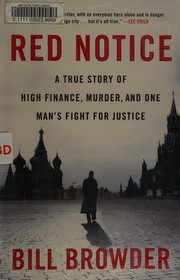
Red Notice
An American financier in Moscow exposes a $230 million tax fraud, watches his lawyer die in prison, and turns the case into an international human rights law.
2,008-word summary · 9 min read

Lucky
Alice Sebold's memoir of the 1981 rape she survived as a college freshman, the courtroom that followed, and a conviction later proven to be a case of mistaken…
2,091-word summary · 9 min read

The Stranger Beside Me
Ann Rule's classic memoir of her friendship with Ted Bundy, written by the true-crime author who knew him long before the world learned what he had done.
2,481-word summary · 11 min read

How to Be a Woman
Moran mixes girlhood and work stories into plain feminist advice.
2,600-word summary · 12 min read

Hunger
Roxane Gay traces how assault at twelve shaped her body, appetite, and daily life as a fat Black woman refusing shame.
2,583-word summary · 11 min read

Not That Kind of Girl: A Young Woman Tells You What She's Learned
Girls creator Lena Dunham's essays on work, bodies, love, and family, frank and funny with uneven edges.
2,156-word summary · 10 min read

A Stolen Life
Kidnapped at eleven in 1991, Jaycee Dugard survived eighteen years in an Antioch backyard and tells her own story of endurance and motherhood.
2,807-word summary · 12 min read

Reading Lolita in Tehran: A Memoir in Books
Seven women meet in secret in Tehran to read Lolita, Gatsby, and Austen while revolution presses in.
2,916-word summary · 13 min read

A Hymn to Life
Gisele Pelicot tells her own story, from a shattering 2020 phone call to the open Mazan trial where shame changed sides.
2,456-word summary · 11 min read

Orange Is the New Black: My Year in a Women's Prison
A Smith graduate serves a year in Danbury for an old drug crime and learns how women share, fight and survive inside.
2,583-word summary · 11 min read
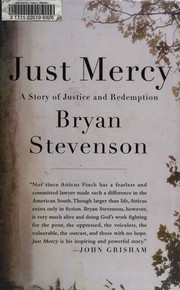
Just Mercy
A young lawyer defends Walter McMillian on Alabama death row and children in adult prisons.
2,232-word summary · 10 min read

Long Walk to Freedom
Mandela's account of a Thembu childhood, a law practice, a banned movement, twenty-seven years in prison, and the negotiation that ended apartheid.
2,454-word summary · 11 min read

In Order to Live: A North Korean Girl's Journey to Freedom
A young North Korean girl crosses the Yalu, survives trafficking in China, and rebuilds her life in Seoul in this unsparing memoir.
2,027-word summary · 9 min read

Too Much and Never Enough: How My Family Created the World's Most Dangerous Man
Mary L. Trump's 2020 memoir traces how a cold, zero-sum Queens household shaped her uncle, and uses family tax documents to challenge his self-made story.
2,059-word summary · 9 min read
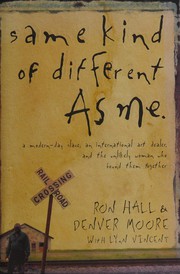
Same Kind of Different as Me
An art dealer and a formerly homeless sharecropper tell the story of the friendship that began at a Fort Worth mission and the woman who insisted on it.
2,023-word summary · 9 min read

Down and Out in Paris and London
Orwell's account of washing dishes in Paris hotels and tramping through London does not ask for pity, only for a clear look at how poverty actually works.
2,282-word summary · 10 min read
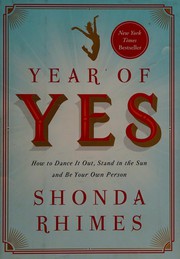
Year of Yes: How to Dance It Out, Stand in the Sun and Be Your Own Person
Shonda Rhimes takes her sister’s accusation seriously and spends a year saying yes to the things that frighten her, from live television to her own reflection.
2,585-word summary · 11 min read

The Girl with Seven Names: A North Korean Defector's Story
Hyeonseo Lee crossed the frozen Yalu River at seventeen, spent years hidden in China, escaped to South Korea, and later returned to rescue her family.
2,404-word summary · 11 min read

Love Does
A lawyer and activist tells stories of saying yes, showing up, and loving people through ordinary, often ridiculous actions.
2,411-word summary · 11 min read

Beautiful Boy: A Father's Journey Through His Son's Addiction
David Sheff recounts watching his son Nic slide into meth addiction, and his own desperate, humbling search for how to help without destroying them both.
2,076-word summary · 9 min read
Columbine
Ten years of reporting on the 1999 school massacre, including a journalist's correction of the myths he helped create in the first hours.
2,232-word summary · 10 min read

The Magnolia Story
How Chip and Joanna Gaines met, closed their first shop, nearly lost everything in a housing development, and built Fixer Upper.
2,994-word summary · 13 min read
Lone Survivor: The Eyewitness Account of Operation Redwing and the Lost Heroes of SEAL Team 10
Marcus Luttrell's account of the 2005 SEAL mission in Afghanistan that killed three of his team and left him alone.
2,144-word summary · 10 min read

Life
The Rolling Stones guitarist tells his own story: a Dartford childhood, the band's first gigs, the drug raids, the tax years and Patti Hansen.
2,761-word summary · 12 min read

Dry
A memoir of drinking, rehab and relapse, and the strange business of getting sober one morning at a time.
2,643-word summary · 12 min read

Why I'm No Longer Talking to White People About Race
Reni Eddo-Lodge traces black British history and shows how institutions, culture, and everyday assumptions keep producing racial inequality.
2,071-word summary · 9 min read

Travels with Charley
Steinbeck drives across America with his poodle Charley, looking for the country he remembers and finding a place that has changed.
2,039-word summary · 9 min read
Smoke Gets in Your Eyes: And Other Lessons from the Crematory
A young medieval history graduate takes a job at an Oakland crematory and becomes a mortician, confronting the physical reality of death and the funeral…
2,003-word summary · 9 min read