
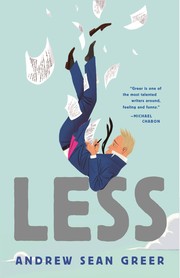
Less
2,458-word summary 11 min read 272 pages in the book
- First published
- 2017
- Publisher
- Lee Boudreaux Books
- Pages
- 272
- ISBN
- 9780316316125
- Series
- Arthur Less (#1)
Reading options
What's inside (8 sections)
I picked this up because it won a Pulitzer and people kept calling it charming, which made me suspicious. Comic novels rarely win big prizes. Less by Andrew Sean Greer was first published on July 18, 2017 by Lee Boudreaux Books, a 272 page hardcover with ISBN 9780316316125. It won the 2018 Pulitzer Prize for Fiction. It is book one about Arthur Less, followed by Less Is Lost. I read it on a plane and laughed out loud twice, then got quiet in a way comedy rarely makes me.
Arthur Less is a novelist turning fifty in San Francisco. He is gay, kind, a little vain about his hair, and famous enough to be recognized at book festivals and not famous enough to fill rooms. He has written some well reviewed books and one bad one everyone remembers. His younger ex, Robert, is getting married. His current boyfriend Freddy is pulling away. An invitation arrives. Arthur cannot say yes and cannot say no without looking small. So he says yes to everything else. Literary gigs around the world that keep him away through the wedding date.
That dodge structures the book. Mexico, Italy, Germany, Morocco, India, Japan. Teach, judge, interview, read to three people in a bookstore basement. Each stop is farce with an ache under it. Lost luggage. Bad translation. A disastrous reading. A hotel with no heat. And between mishaps, memory of Robert, of his mentor, of getting older in a culture that worships young writers.
Running from a wedding
The setup is perfect comedy of avoidance. Arthur gets the thick cream envelope. Robert, with whom he spent years, marrying a man Arthur dislikes on principle. Freddy, sweet and younger, asking for more than Arthur can give right now. Arthur tells his agent he will travel for work. Any work. He accepts a teaching gig in Mexico, a prize jury in Italy, a fellowship in Germany, a retreat in Morocco, a magazine piece in India, a reading in Japan. The calendar fills like a moat.
Greer narrator voice helps a lot. The book is told by someone who knows Arthur well and teases him, later revealed as a fellow writer with his own stake. The narrator calls Arthur a minor writer, notes his blue suit that fits a little too tight, and loves him anyway. That double view lets jokes land without cruelty. We laugh at Arthur ordering in terrible Italian while also seeing why he fled.
Mexico City opens the trip with a swell of feeling. Arthur teaches bright students who ask blunt questions about love and failure. He flirts with a poet, gets sick on street food, and calls Freddy from a pay phone in the rain. The call goes badly because Arthur performs cheer instead of saying I miss you. I recognized that move. Busyness as anesthesia.
Italy brings the literary prize jury in Turin, where Arthur must judge books in translation he cannot read well. The scenes satirize prize culture gently. Long lunches, Lobby talk about importance, a German writer who quotes himself. Arthur, out of his depth, votes with his gut and gets mocked, then vindicated in a small way that does not fix his bank account. He buys a leather jacket he cannot afford and wears it like armor.
What I admired here is pacing. Greer gives each country one mishap, one tenderness, and one memory. No stop overstays. The comedy stays physical and linguistic. Misheard words, wrong doors, a microphone that feeds back during a serious sentence. Underneath, Arthur ages a year in a month. Fifty feels close enough to touch.
A fair warning. If you dislike novels about novelists, the first fifty pages may annoy you. Grants, reviews, jealousy over blurbs. It is insider baseball. Stick past Italy. The book widens into love and time, and the literary jokes become background rather than point.
Germany, Morocco, and the ghosts
Germany is where the past gets loud. Arthur stays in Berlin to teach a short workshop and to avoid Freddy emails. He walks gray streets, visits a sauna he is too shy to enjoy, and meets a young writer who treats him as both relic and prospect. The boy interest flatters and shames him. He thinks of Robert in their early days, when Robert was already famous and Arthur was the promising plus one.
Greer handles age gaps with care. Arthur likes being wanted and knows the script. Dinner, compliments, a walk that could turn. He steps back, not from virtue alone but from tiredness. He does not want to be someone lesson. He calls Freddy and gets voicemail. He writes a postcard he does not send. These small failures accumulate into character.
Morocco brings a desert retreat hosted by a rich patron who wants writers as decor. Arthur gets a beautiful room, bad coffee, and long empty afternoons. He tries to write a memoir piece and produces evasions. He swims, naps, and finally writes honestly about his mentor, an older gay poet who taught him how to survive indifference. The mentor scenes, scattered through the book, are the emotional spine. A man who lived through worse eras telling Arthur that love is not a prize for youth but a practice.
India brings a magazine assignment that goes sideways. Arthur is supposed to interview a Bollywood star who cancels, so he tours a film set, gets mistaken for crew, and ends up as an extra in a crowd scene. It is the funniest set piece and also the saddest. Surrounded by hundreds of people pretending joy on cue, Arthur feels his own performance crack. He thinks of his mother, his sister, the small town expectation he outran by being clever. Clever is thin shelter at fifty.
Japan closes the travel with quiet. Arthur reads to a tiny audience with a earnest translator who improves his jokes. He eats alone well for the first time in the book, noticing noodles, rain, and a temple bell without turning it into material. He finally answers Freddy plainly in a long email he actually sends. I am scared. I am sorry. I want to try if you do. No jokes to soften it.
I loved that Greer lets Arthur be foolish without making him a fool. He is bad at languages, bad at packing, bad at saying no to bad gigs. He is good at noticing students, good at comforting a crying stranger on a train, good at staying kind when tired. That balance keeps the novel warm.
Love, work, and getting older
Between trips, Greer threads Arthur writing life. Reviews that damn with faint praise. A rival who wins everything and is insufferable about it. A small royalty check that decides whether Arthur can fix his house deck. None of this is glamorous. That is the point. Most writers live here, between hope and rent.
Robert haunts these sections. Not as a villain, but as the great love Arthur mishandled by being passive. Flashbacks show them in bed reading, at parties where Robert shone, in fights where Arthur agreed to keep peace and then resented it. Robert wanted marriage and steadiness. Arthur wanted to be chosen without having to choose. The wedding invite forces the bill.
Freddy is different. Younger, Black, patient, funny in a dry way that cuts Arthur pomposity. He does not need Arthur fame. He needs presence. Arthur keeps leaving, literally and emotionally, then wonders why Freddy cools. The book does not let Arthur off. The narrator notes every dodge. Missed call. Late reply. A joke when an apology was owed. You root for Arthur to grow up at fifty, which is both funny and moving.
The mentor memories deepen this. An older poet who survived the worst years of AIDS, who taught Arthur to revise and to show up for friends funerals even when scared. His death left Arthur without a map for middle age. The travel becomes a delayed apprenticeship. Learn to be alone without performing loneliness. Learn to want without grasping.
Critics sometimes call the book light. I get it. The sentences are buoyant, the mishaps sitcom ready, the ending kind. But the themes are not light. How to love after loss. How to work when the world calls you minor. How to age in a youth market. Greer chooses comedy as a method, not an escape. Laughter lets Arthur admit things plain talk would block.
One structural trick may divide readers. The narrator identity reveal near the end reframes some jokes as love notes. I found it tender and a little neat. It explains the affectionate teasing and adds a final twist to the wedding question. If you prefer strict realism, it may feel staged. I accepted it because the voice earned trust.
The narrator and the literary circus
What lifts Less above a travel farce is the voice telling it. The narrator is not distant. He knows Arthur grocery order, his sleep habits, the exact blue of that suit. At first I took this as comic omniscience. Later, when Greer reveals who speaks, earlier asides land differently. A jab about Arthur needing a haircut sounds like jealousy. A defense of his second novel sounds like love. I went back and reread two passages after finishing and they warmed me more the second time.
That device also lets Greer satirize literary life from inside without meanness. Arthur attends a conference where panel titles promise everything and deliver gossip. He judges a prize where no one read the full list. He meets a celebrated author who gives the same speech in every city with place names swapped. Greer knows this world. He spent years in it. The jokes have the sting of truth but not contempt. Even the rival who always wins gets one tired late night scene where success looks lonely.
I thought about my own workplaces while reading these bits. Every field has its awards, its darlings, its minor players who keep things running. Arthur is that middle tier guy who teaches well, shows up, and writes solid books that do not trend. Watching him navigate envy without becoming bitter felt useful. He congratulates the rival through gritted teeth, then goes home and revises a paragraph until it sings. That is professionalism as quiet dignity.
The travel mishaps also serve craft, not only comedy. Lost bags force Arthur to wear the too tight suit to a formal dinner, which forces him to admit vanity. A broken phone forces him to listen to a stranger story on a train, which gives him an idea for an ending he had blocked. Greer plants these turns so they feel like life rather than plot. Mess creates room.
If I have one complaint about style, it is that some sentences try a bit hard to be quotable. A line about time being a wedding guest who never leaves got an eye roll from me before the next paragraph won me back. Mostly, though, the prose stays light on its feet. Short chapters. Clean images. Dialogue that sounds spoken. It is a book you can read tired, which matters more than critics admit.
Coming home
Arthur returns to San Francisco thinner, poorer, and clearer. The house needs paint. The suit is worn. Freddy is wary. Robert wedding has happened. Arthur goes to see Robert, not to object but to wish well and to close a door with grace. The scene is short and perfect. No speech. A handshake, a joke that lands softly, a look that says we had our time.
With Freddy, Arthur tries plainness. No grand trip, no prize to impress. Cook dinner. Ask about his day. Say I love you without a punchline. Freddy tests him, as he should, with silence and a hard question about the next trip. Arthur says he will travel less and mean it. The book ends not with marriage or triumph but with a chance. A walk together. A revised page. A suit finally tailored right, which is Greer shorthand for a man fitting his own life.
What stayed with me is the idea that running can teach staying. Arthur had to get lost in translation to hear himself. Each country stripped a layer. Performer, youth chaser, polite avoider. What remained was a writer who can say I was wrong and a lover learning to stay in the room. That is not a big moral. It is a livable one.
Read it when you need warmth without syrup. It pairs well with a delayed flight or a quiet Sunday. Pack light. Laugh at Arthur in a German sauna, wince when he dodges Freddy call, and notice when you start rooting for him to just tell the truth. By Japan, you will. And you might, like me, send one honest email you have been avoiding. That is the book working as intended.
Why the narrator matters
One more thread deserves attention because it changes a second reading.
The narrator is not neutral. He is a fellow writer who has loved Arthur for years, watched him fumble, kept notes. Early jokes about Arthur's vanity and blue suit read as teasing from a friend. Once you know the stake, they read as affection. He notices how Arthur dresses when nervous, how he orders coffee to delay hard talk, how he laughs to fill silence. Only someone who paid long attention knows that.
This reframes the comedy. The book is not laughing at a minor writer. It is trying to show him clearly enough that he might see himself. The narrator corrects Arthur's self story gently. Arthur says no one came to my reading. Narrator adds that three students stayed an hour. Arthur says Freddy left because I am old. Narrator shows missed calls and late replies. Love as fact checking.
It also explains the global sweep. The narrator could not follow Arthur everywhere, so he reconstructs from emails, postcards, gossip. Gaps become jokes about lost luggage rather than claims of omniscience. That humility suits the theme. We never fully know another person's trip, even when we love them. We piece together postmarks.
Some readers find the reveal coy, a trick to excuse sentiment. I found it honest about how queer love often worked for Arthur's generation. Watching from the side, writing letters never sent, showing up as friend when you want more. The narrator finally steps forward by writing the book itself. Authorship as confession. If you reread the first pages after finishing, the dedication tone shifts. He was saying I love you all along, in the safest way he knew.
That is why Less endures past its jokes. It is a love story told sideways, about learning to say the plain thing before the wedding starts without you.
FAQ
When was Less published?
Lee Boudreaux Books published it on July 18, 2017. It runs 272 pages and the hardcover ISBN is 9780316316125. It won the 2018 Pulitzer Prize for Fiction.
Is Less part of a series?
Yes. It is book one about Arthur Less, followed by Less Is Lost. This novel stands alone.
Is it purely comic?
It is comic but tender, with travel mishaps and reflection on aging, love, and work. The tone stays warm rather than bleak.
Similar books
More from Arthur Less first, then related titles.
The Little Paris Bookshop
A Paris bookseller who prescribes novels as medicine finally opens a twenty one year old letter from his lost love and sails south through France to find her.
2,050-word summary · 9 min read
The Unhoneymooners
Olive Torres takes her sister's Hawaii honeymoon with enemy Ethan Thomas after food poisoning ruins the wedding.
2,864-word summary · 13 min read
Alone With You in the Ether
Two people in Chicago agree to six conversations, and the experiment becomes a love affair that is also a study of bipolar disorder, obsession, and the shape…
2,713-word summary · 12 min read

The Beach
A young backpacker follows a dead man's map to a hidden island community, then discovers what the people there are willing to do to keep it secret.
2,067-word summary · 9 min read
Shopaholic and Sister
Becky Brandon returns from a ten-month honeymoon to meet the half-sister she always wanted, then discovers that Jess is thrifty, prickly, and nothing like the…
2,591-word summary · 12 min read

The Dharma Bums
Ray Smith rides freight trains, climbs Matterhorn Peak and argues about Zen with the poet Japhy Ryder in Kerouac's 1958 road novel.
2,729-word summary · 12 min read

On Chesil Beach
Two newlyweds spend one terrible night on Chesil Beach in 1962, and the rest of their lives is decided by it.
2,456-word summary · 11 min read

Ivanhoe
A disinherited Saxon knight, a great tournament, a besieged castle and a trial by combat. Scott's most famous novel, set in England in 1194.
2,834-word summary · 13 min read
Euphoria
Three anthropologists in 1930s New Guinea turn fieldwork into a love triangle, and a real history breathes behind them.
2,048-word summary · 9 min read
Eligible
Austen's Bennet sisters move to modern Cincinnati, where marriage is a reality show and the house is losing its value.
2,293-word summary · 10 min read

Big Swiss
A transcriptionist for a sex coach falls for one of his clients, the tall Swiss gynecologist she calls Big Swiss, in a funny novel about work and secrets.
2,523-word summary · 11 min read
Wedding Night
Lottie marries an old flame days after a breakup, then flies to a Greek island while her sister quietly works to sabotage the honeymoon. A farce about memory,…
2,213-word summary · 10 min read
This Is How You Lose Her
Yunior cycles through love affairs and betrayals in nine linked stories, tracing the damage he does and the family history behind it.
2,195-word summary · 10 min read
The Orphan Master's Son
Adam Johnson's Pulitzer-winning novel follows Pak Jun Do from a North Korean orphanage to a deadly identity swap, under a state whose loudspeakers never stop…
2,219-word summary · 10 min read

Ten Big Ones
Stephanie witnesses a gang robbery dressed as a devil, and the Comstock Street Slayers put her on a list of people to kill.
2,062-word summary · 9 min read
By the River Piedra I Sat Down and Wept
Pilar, 29, meets her childhood friend again in Madrid and finds a rumored miracle worker. One winter week through the Pyrenees to the river Piedra, and the…
2,845-word summary · 13 min read
The Accidental Tourist
Grieving Macon writes travel guides for haters of travel, then Muriel intrudes.
2,252-word summary · 10 min read
I Capture the Castle
Cassandra journals six months of love and money trouble in a castle.
2,402-word summary · 11 min read
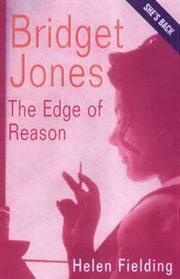
Bridget Jones: The Edge of Reason
Bridget doubts Mark, takes a job with Daniel, and lands in trouble in Thailand.
2,198-word summary · 10 min read
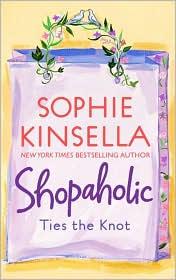
Shopaholic Ties the Knot
Becky Bloomwood plans two weddings at once while debts pile up and Luke's mother interferes.
2,218-word summary · 10 min read

Playing for Keeps
Childhood neighbors Haley and Jason turn a long prank war into a fake relationship that turns real.
2,571-word summary · 11 min read
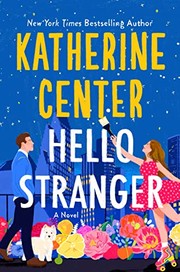
Hello Stranger
Portrait artist Sadie loses face recognition after brain surgery and must finish a contest piece while falling for two men.
2,210-word summary · 10 min read
The Marriage Plot
At Brown in 1982, Madeleine loves Austen while torn between brilliant Leonard and steady Mitchell.
2,804-word summary · 12 min read

Tangled
Told by a cocky businessman, a bet to win the new associate who rejects him turns into real pursuit, strict rules, a painful reveal and a wedding-level happy…
2,868-word summary · 13 min read
Trust
Four rival accounts of one Wall Street fortune collide: a 1930s novel, a tycoon's memoir, a secretary's story, and a wife's diary.
2,217-word summary · 10 min read
The Statistical Probability of Love at First Sight
Hadley misses a flight, meets Oliver to London, and faces her father wedding in one day.
2,002-word summary · 9 min read

The Roommate
Uptight Clara shares a flat with porn star Josh and teams up to build ethical adult films for women.
2,362-word summary · 10 min read
The Proposal
Nik says no to a stadium proposal and rebounds with Carlos in flirty LA romance.
2,044-word summary · 9 min read
The English Patient
In a ruined Italian villa in 1945, a burned man, a nurse, a thief, and a sapper trade pasts shaped by desert love and war.
2,006-word summary · 9 min read
Shopaholic Takes Manhattan
Becky and Luke move to New York where shopping fame tempts her to ruin both.
2,025-word summary · 9 min read