
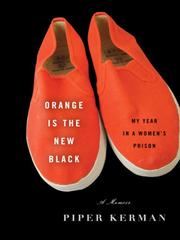
Orange Is the New Black: My Year in a Women's Prison
2,583-word summary 11 min read 298 pages in the book
- First published
- 2010
- Publisher
- Spiegel & Grau
- Pages
- 298
- ISBN
- 9780385523387
Reading options
What's inside (8 sections)
# Orange Is the New Black: My Year in a Women's Prison by Piper Kerman
I came to this one backwards. I watched a couple episodes of the Netflix show years ago, then shelved it, then a friend told me the book was quieter and stranger and much less interested in punchlines. That stuck with me. Orange Is the New Black: My Year in a Women's Prison by Piper Kerman was first published in 2010 by Spiegel & Grau, a 298 page hardcover with ISBN 9780385523387. It tells how Kerman, then a settled New Yorker with a job and a fiance, went to federal prison for a crime that was already ten years old. I expected a fish out of water story. What I got was more like a dorm memoir, a work diary, and a slow education in how little I knew about women doing time.
The setup is simple and that is why it lands. Shortly after graduating from Smith College, Kerman fell into a brief relationship with a woman involved in moving drug money. She carried cash on trips, then walked away, built a normal life, and told herself that chapter was closed. It was not. Agents came to her door in 1998. She pleaded guilty to money laundering tied to drug trafficking. A judge gave her 15 months. She surrendered in 2004 and served time in three places, mostly at FCI Danbury in Connecticut, with stretches at FTC Oklahoma City and MCC Chicago, before release in March 2005. The book follows that year closely, from surrender to halfway house, with detours back to explain how she got there.
What surprised me first was the tone. Kerman is not trying to sound tough or broken. She sounds like someone taking notes in the corner, trying to learn names fast. She notices who runs the microwave line, who braids hair for commissary snacks, who prays where, who will trade stamps for coffee. B-Dorm becomes a small town with its own rules. I liked that she lets confusion stay on the page. Early days are all forms and counts and showers and trying not to stare.
The crime ten years old
The first part moves between two times. There is the present, where Piper lives in New York with Larry Smith, her fiance and later husband, works, pays rent, plans a wedding, and waits for a surrender date. Then there is the past, when she was twenty two, restless after Smith, and drawn to Nora Jansen, an older woman who seemed worldly and fearless.
Kerman does not dress this up. She was entranced. Nora moved through airports and hotels with ease. Piper wanted to be that sure of herself. When Nora asked her to travel and carry money, she said yes. She describes flights to Europe and Asia, nice clothes, cash in a suitcase, a sense that she was playing a part. Then she came home to San Francisco, cut ties, and tried to start over.
I found this section useful because it refuses the usual excuse script. She does not claim she had no choice. She does not claim she did not know. She says she liked the thrill and the attention, and that she was careless with other people safety. That honesty makes the later prison chapters easier to trust.
The legal wait is its own punishment. Agents visit in May 1998. Court drags. She pleads guilty. Sentencing drags more. For almost six years she lives with a date that keeps moving. She builds a career, falls in love with Larry, tells friends, untells friends, rehearses how to say the word felon. By the time she surrenders, she is almost relieved to stop waiting. Almost.
A fair note here. Readers who want a thriller about drug routes will be bored in spots. Kerman gives few details about the network on purpose, partly for legal reasons and partly because she was low level. If you need chases and kingpins, this is not that book. The crime matters because it was brief and old, and because the price arrives late, when her life looks nothing like the girl who said yes.
Surrender at Danbury
Surrender day is plain and awful in the way she tells it. Larry drives her. They eat breakfast. They joke because the other option is crying in the parking lot. At FCI Danbury, a low security federal prison for women, she changes into khakis, gives up her driver license and wedding ring, gets a number, gets a bunk.
Danbury in the book is not the orange jumpsuit factory from television. Most days the women wear khaki pants and shirts. The color in the title is more idea than uniform. What hits Piper first is noise and lack of privacy. Bunks close together. Toilets with no doors that really close. Lights that do not care about sleep. Counts that stop everything several times a day. Everyone stands by a bunk while officers count heads. If the count is off, everyone waits.
Her first bunkmates teach her fast. Keep your area clean. Do not touch another person bed. Do not ask what someone did on day one. Learn the shower rotation. Learn which officers will answer a question and which ones want silence. She gets lost going to meals. She cries in places where others cannot see. Larry visits when he can and writes often, and those letters become a rope she holds.
I liked how she writes about fear without making herself the center of every scene. She is scared of strip searches, which are routine and degrading, and she says so plainly. She is scared of saying the wrong thing to the wrong person. She is scared she will lose Larry to the strain. But she also watches. An older woman shows her how to fold extra blankets for a mattress that feels like concrete. Another shows her how to order from commissary so coffee lasts the month. Small kindnesses arrive without speeches.
If there is a drag in these early chapters, it is the intake paperwork blur. Forms, medical checks, orientation videos, rules about mail and phones and visits. Necessary, and Kerman tries to keep it moving with character sketches, but two or three pages felt like reading a handbook. Skim the lists and stay for the people. The people are why the book works.
Learning B-Dorm
B-Dorm is the heart of the memoir. It is a large open dorm with cubes instead of cells, and Piper learns its map the way you learn a new school. Who sleeps where matters. Who cooks where matters more.
She introduces women one by one, not as case files but as neighbors. There is Pop, older, warm, with a laugh that steadies a room. There is Red, who runs the kitchen with strict standards and a long memory. There are younger women doing short bids for drug charges, older women doing long bids who have watched rules change three times, mothers who count days until they can hold kids without glass between them, women managing mental illness with thin support, women deep in faith groups, women who keep to themselves and want it respected.
Food is currency and comfort. Commissary day feels like a holiday. Tuna, cheese, crackers, hot sauce, instant rice, chocolate if you plan well. Women cook in microwaves with skill that would shame my kitchen. A shared meal can fix a bad week. A stolen snack can start a feud that lasts a month. Kerman learns to share, to label, to lock, to trade fairly. She burns rice. She gets teased. She gets better.
Work assignments shape days. She does construction and maintenance tasks, learns to use tools, patches walls, moves furniture. Later she works other jobs around the facility. Work pays little, sometimes only cents per hour, but it fills hours and earns respect. Showing up on time, doing the job without complaints, helping someone lift a mattress, these things build a name faster than talk.
Religion, TV, books, and gossip fill evenings. Prayer circles meet. Soap operas play. The library is small but loved. Rumors move fast in a dorm and Kerman learns to stay out of them. Her rule becomes simple. Be friendly. Do not borrow. Do not lend much. Do not repeat what you hear at the next bunk. Apologize fast when you mess up.
What I appreciated here is that she does not rank suffering. She knows she has advantages. She is white, college educated, with money on her books and a fiance who visits and a family that writes. Many women have none of that. She says so directly and keeps saying so. That awareness could feel like guilt on repeat, but mostly it reads as an attempt to see clearly. She asks why some women get visits and some sit alone on visiting days. She asks why addiction treatment slots are scarce. She asks why a rule that seems small to staff feels huge inside.
Work, visits and waiting
Middle months settle into routine, and Kerman lets routine carry the story. Wake, count, breakfast, work detail, lunch, work, count, dinner, phone line if you are lucky, letters, lights out. Repeat with small changes that feel large.
Visits from Larry anchor her. They sit in a visiting room with vending machine food and other couples trying to have normal talks in abnormal chairs. They plan the wedding in pauses. They argue about money and moving and what honesty requires. He is steady in the book, not perfect, just present. Family visits matter too. Her parents and brother show up. Friends write. Each letter read twice feels like fresh air.
Phone calls are short and public. You wait in line. You speak with people listening. You try to say love and logistics in fifteen minutes. Mail is slower but richer. Kerman reads everything twice and answers at night on her bunk with a pen that keeps running out.
There are hard stretches. A woman she likes gets bad news from home. A bunkmate spirals and leaves the dorm for a higher care unit. An officer she trusted treats a small infraction like defiance. Winter makes the buildings feel colder than the thermometer says. She gets sick and learns how slow medical care moves. She watches a friend near release grow anxious instead of happy, because home means no job, no housing, old friends who still use, and parole rules that punish small slips.
She also finds odd joys. A kitchen job well done. A holiday meal that tastes almost like outside. A book passed hand to hand until the spine breaks. A snow day when the yard looks clean. A birthday celebrated with commissary cake made from cookies and frosting and patience. These scenes do a lot of work. They show how people make normal life from scraps without pretending scraps are enough.
Criticism belongs here too. Kerman can be sheltered in ways she admits but does not always fix on the page. She sometimes explains prison slang or dorm politics like a tour guide, which helps new readers but slows scenes. A few portraits blur together because she protects privacy by changing names and trimming details. That is the right choice ethically, and it costs a little in clarity. If you watched the show first, you may also catch yourself waiting for TV plots that never come. Let them go. The book has no villain arc to resolve, no season finale. It has months.
Transfer and release
Late in her bid, Kerman is moved. She rides buses and planes in shackles through transfer hubs, including time at FTC Oklahoma City and MCC Chicago, which hold people briefly while the system sorts beds. These chapters are short and cold. The food is worse. The noise is worse. No one knows your name. You sleep near strangers and keep your shoes where you can feel them.
Transfers teach her how much Danbury had become home, which is a strange sentence to write and she knows it. At Danbury she had a job, a bunk, a routine, people who nodded when she walked in. In transit she is just a number on a manifest. That contrast says more about adaptation than about comfort. People adjust because they must.
Release does not feel like freedom at first. It feels like paperwork. Then a bus. Then a halfway house with curfews and job searches and drug tests and roommates in different stages of hope. She looks for work with a record. She reapplies for a life. Larry is there. Family is there. Still, the rules follow her. Where she can live. When she can travel. What boxes she must check on forms.
She is released in March 2005 after about thirteen months behind walls, part of a fifteen month sentence with good time. I am glad she does not end with a speech about being cured. She ends with attention. Attention to women still inside. Attention to kids who visited mothers through glass. Attention to how little help waits at the gate.
One scene stayed with me. On one of her last days, she packs a small bag that holds less than what she brought, and gives away what she cannot take. Coffee. Stamps. A spare towel. It is not charity. It is dorm economy. Things move to where they are needed. She walks out lighter and heavier at once.
What holds and what nags
What holds is the accumulation. By the end I could map B-Dorm in my head, name a dozen women by habit rather than charge, and predict count times like a bell schedule. Kerman earns that by staying specific. She tells you how laundry works, how the kitchen hierarchy works, how visit lines work, how a fight starts over a phone and ends with everyone punished. Procedure becomes character.
What nags is distance. Kerman is a careful observer, and sometimes care reads as control. She keeps her marriage mostly smooth on the page, her family mostly supportive, her own anger mostly managed. I believe her, and I also wonder what was messier in real time. A memoir written years later will tidy edges. Hers tidies more than some.
Another nag is context. She gestures at policy, mandatory minimums, the war on drugs, the lack of reentry support, and she means it. But readers new to those debates may want more numbers and history than she gives. She points to the door rather than walking through it. Her later advocacy work, which she touches briefly, picks up some of that slack outside the book.
Still, I recommend it, especially if you only know the show. The show borrows the title and a few starting points, then builds fiction. The book stays in memoir. No cliffhangers manufactured for ads. Just a woman who did a short stretch for an old mistake, watched closely, and came out wanting the system to waste fewer lives.
If you read it, read slowly through the middle. Learn the names. Notice who shares food and who teaches jobs and who sits with newcomers on first nights. That is the book argument in action. People survive cages by making small societies, and those societies deserve to be seen. Kerman saw hers and wrote it down with care. I closed the last page thinking about commissary coffee and count bells and letters read twice, and about how quickly ten years can collapse into one knock on a door.
FAQ
When was Orange Is the New Black published?
Spiegel and Grau published the hardcover on April 6, 2010. It runs 298 pages and the hardcover ISBN is 9780385523387.
Did Piper Kerman really go to prison?
Yes. She pleaded guilty to money laundering tied to drug trafficking, received 15 months, and served about 13 months, mostly at FCI Danbury, before release in March 2005.
Is the Netflix show the same as the book?
No. The Netflix comedy drama takes names and setups from the memoir but invents plots and dialogue. The book is a memoir about B-Dorm life at Danbury.
Similar books
Year of Yes: How to Dance It Out, Stand in the Sun and Be Your Own Person
Shonda Rhimes takes her sister’s accusation seriously and spends a year saying yes to the things that frighten her, from live television to her own reflection.
2,585-word summary · 11 min read
Red Notice
An American financier in Moscow exposes a $230 million tax fraud, watches his lawyer die in prison, and turns the case into an international human rights law.
2,008-word summary · 9 min read
Lucky
Alice Sebold's memoir of the 1981 rape she survived as a college freshman, the courtroom that followed, and a conviction later proven to be a case of mistaken…
2,091-word summary · 9 min read

The Stranger Beside Me
Ann Rule's classic memoir of her friendship with Ted Bundy, written by the true-crime author who knew him long before the world learned what he had done.
2,481-word summary · 11 min read
A Stolen Life
Kidnapped at eleven in 1991, Jaycee Dugard survived eighteen years in an Antioch backyard and tells her own story of endurance and motherhood.
2,807-word summary · 12 min read

Know My Name
Chanel Miller reclaims her story after the Stanford assault case, tracing family support, trial strain, her viral 2016 statement, and leaving Emily Doe for her…
3,092-word summary · 14 min read

Long Walk to Freedom
Mandela's account of a Thembu childhood, a law practice, a banned movement, twenty-seven years in prison, and the negotiation that ended apartheid.
2,454-word summary · 11 min read

In Order to Live: A North Korean Girl's Journey to Freedom
A young North Korean girl crosses the Yalu, survives trafficking in China, and rebuilds her life in Seoul in this unsparing memoir.
2,027-word summary · 9 min read

Too Much and Never Enough: How My Family Created the World's Most Dangerous Man
Mary L. Trump's 2020 memoir traces how a cold, zero-sum Queens household shaped her uncle, and uses family tax documents to challenge his self-made story.
2,059-word summary · 9 min read
Same Kind of Different as Me
An art dealer and a formerly homeless sharecropper tell the story of the friendship that began at a Fort Worth mission and the woman who insisted on it.
2,023-word summary · 9 min read

Infidel
Ayaan Hirsi Ali's memoir of a Somali childhood, a forced marriage, a Dutch asylum claim, and the political fight that followed the murder of Theo van Gogh.
2,041-word summary · 9 min read

Down and Out in Paris and London
Orwell's account of washing dishes in Paris hotels and tramping through London does not ask for pity, only for a clear look at how poverty actually works.
2,282-word summary · 10 min read

The Girl with Seven Names: A North Korean Defector's Story
Hyeonseo Lee crossed the frozen Yalu River at seventeen, spent years hidden in China, escaped to South Korea, and later returned to rescue her family.
2,404-word summary · 11 min read

Love Does
A lawyer and activist tells stories of saying yes, showing up, and loving people through ordinary, often ridiculous actions.
2,411-word summary · 11 min read
Beautiful Boy: A Father's Journey Through His Son's Addiction
David Sheff recounts watching his son Nic slide into meth addiction, and his own desperate, humbling search for how to help without destroying them both.
2,076-word summary · 9 min read
Columbine
Ten years of reporting on the 1999 school massacre, including a journalist's correction of the myths he helped create in the first hours.
2,232-word summary · 10 min read

The Magnolia Story
How Chip and Joanna Gaines met, closed their first shop, nearly lost everything in a housing development, and built Fixer Upper.
2,994-word summary · 13 min read
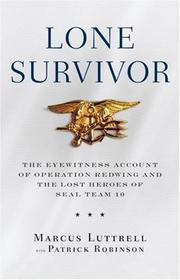
Lone Survivor: The Eyewitness Account of Operation Redwing and the Lost Heroes of SEAL Team 10
Marcus Luttrell's account of the 2005 SEAL mission in Afghanistan that killed three of his team and left him alone.
2,144-word summary · 10 min read

Life
The Rolling Stones guitarist tells his own story: a Dartford childhood, the band's first gigs, the drug raids, the tax years and Patti Hansen.
2,761-word summary · 12 min read
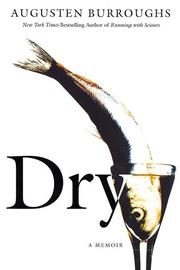
Dry
A memoir of drinking, rehab and relapse, and the strange business of getting sober one morning at a time.
2,643-word summary · 12 min read

Dear Girls: Intimate Tales, Untold Secrets & Advice for Living Your Best Life
Ali Wong's debut collects fourteen letters to her daughters, covering sex, money, work, marriage, Vietnam, and being a working Asian American mother.
2,266-word summary · 10 min read
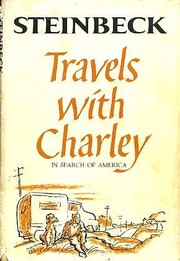
Travels with Charley
Steinbeck drives across America with his poodle Charley, looking for the country he remembers and finding a place that has changed.
2,039-word summary · 9 min read

Smoke Gets in Your Eyes: And Other Lessons from the Crematory
A young medieval history graduate takes a job at an Oakland crematory and becomes a mortician, confronting the physical reality of death and the funeral…
2,003-word summary · 9 min read

Scrappy Little Nobody
Anna Kendrick's essays trace her path from a Portland childhood and Broadway to Hollywood, with jokes, anxiety, and a refusal to pretend fame fixed her.
2,092-word summary · 9 min read
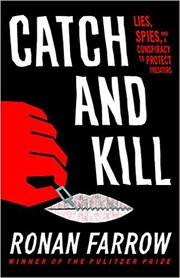
Catch and Kill: Lies, Spies, and a Conspiracy to Protect Predators
Ronan Farrow recounts how NBC killed his Harvey Weinstein reporting, then how The New Yorker published it and helped ignite #MeToo.
2,057-word summary · 9 min read

The Letters of Vincent van Gogh
Vincent van Gogh's letters to his brother Theo, in a Penguin Classics selection edited by Ronald de Leeuw, trace a decade of work, faith, and obsession.
2,611-word summary · 12 min read
Between Two Kingdoms: A Memoir of a Life Interrupted
Diagnosed with leukemia at twenty-two, Suleika Jaouad survives treatment and then takes a 100-day road trip to meet the strangers who wrote to her.
2,311-word summary · 10 min read
90 Minutes in Heaven: A True Story of Death and Life
A pastor declared dead at a 1989 crash scene describes ninety minutes he says he spent in Heaven, then thirteen months of surgeries, depression, and recovery.
2,246-word summary · 10 min read
Reasons to Stay Alive
Matt Haig's memoir of the breakdown that nearly killed him at twenty four and the three years of unglamorous recovery that followed.
2,065-word summary · 9 min read
Maid: Hard Work, Low Pay, and a Mother's Will to Survive
Stephanie Land's memoir of cleaning houses as a single mother on the poverty line, and of the paperwork that made every step forward cost something else.
2,039-word summary · 9 min read