
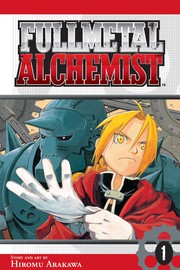
Fullmetal Alchemist, Vol. 1
2,916-word summary 13 min read
- First published
- 2002
- Publisher
- Viz Media
- ISBN
- 9781591169208
- Series
- Fullmetal Alchemist (#1)
Reading options
What's inside (8 sections)
I picked this up because a friend would not stop talking about it. She had read the whole series twice and kept saying the first volume was the one that hooked her, back when the art was still rough and nobody knew how big the story would get. I was skeptical. A shonen manga about two brothers who do magic with circles on the floor sounded like something I would bounce off in twenty pages. Then I read the first chapter on a train, which felt oddly right, and I finished the volume standing in my kitchen because I did not want to put it down long enough to sit.
This volume is where everything starts. The original Japanese edition came out in 2002, and the English edition from Viz followed in 2005. It introduces Edward and Alphonse Elric, two brothers traveling together after a failed act of alchemy cost them their bodies. It sets out the rules of their world, the military men who want to use them, and the rumor of a stone that might undo what was done. Most of the pages follow one stop on their travels, a desert town called Lior, where a preacher is performing miracles that Edward does not believe for a second.
Two brothers on a train
The volume opens in motion. Edward and Alphonse are riding a train through dry country, and Edward looks like a kid playing dress-up in a long red coat, until you notice the metal arm and the metal leg. Alphonse is worse, or stranger: a small boy's voice coming out of a huge suit of armor. People stare. The brothers are used to it.
The train gets hijacked by a rogue alchemist who takes the passengers hostage, and this is our first real look at what alchemy means here. It is not wands or chanting. The hijacker has transmutation circles worked into his gloves or his weapons, and when he slaps his hands against metal, the metal moves. Walls bend. The train itself becomes his tool. Passengers panic. And then Edward stands up, and the whole car realizes the kid with the metal limbs might be the most dangerous person on board.
What I liked about this opening is how fast it tells you who these two are. Edward is loud, blunt, and furious at being called short, which happens constantly and never stops being funny. He fights like someone who has done this many times before, calm in the middle of chaos. Alphonse is gentle and polite even while tearing a train car apart, apologizing to frightened passengers in the middle of a fight. The contrast lands right away. One brother is all edges. The other is soft in a shell made of iron.
There is a famous detail tucked into this fight that fans talk about a lot, and I will keep it vague here because the volume itself treats it as a shock: Edward can perform transmutations without drawing a circle first. Other alchemists need the circle. He just claps his hands together and puts them on the target. The hijacker cannot understand it. Nobody on the train can. The volume does not explain it yet. It just lets the moment sit there, strange and a little frightening, and moves on.
By the end of the train sequence, the brothers are back on the road, broke as usual. That broke part matters. For all the talk of legendary power, Edward and Alphonse count coins for food and lodging. It keeps them human. They are not princes on a quest. They are two kids hitchhiking through a country that mostly sees them as a curiosity or a weapon.
What alchemy costs
Between the action, this volume patiently lays out its central idea, and it is a simple one: equivalent exchange. To get something, you must give something of equal value. Turn lead into gold and the books must balance. Heal a wound and something else pays. The world runs on this rule the way our world runs on gravity, and Arakawa never lets you forget it.
Alchemy here is treated half like science and half like craft. Alchemists study. They draw circles covered in markings that direct the reaction, and the circle has to be right or the result goes wrong. Most alchemists specialize. Some work for the military, which funds their research in exchange for their service, and those men carry the title of State Alchemist. Edward is one of them, which surprises everyone he meets, because he is about twelve years old. He carries a silver pocket watch as proof of the title, and the watch gets him through doors that would stay shut to anyone else. It also paints a target on his back.
Then there is the thing nobody is supposed to try: human transmutation. Bringing a dead person back. The books say it cannot be done, and the law says it must not be attempted, and this volume shows you why through the brothers themselves. When their mother died, Edward and Alphonse were small children alone in a house full of books about alchemy, and they tried to bring her back. The attempt failed horribly. Edward lost his left leg on the spot. Alphonse lost his entire body. In the panic that followed, Edward gave up his right arm to fasten his little brother's soul into a suit of armor standing nearby. Read that again, because the volume makes you sit with it. A child paid an arm to keep his brother alive, and the brother woke up as a soul in a metal shell.
This backstory arrives in pieces, in flashbacks that cut against the present-day adventure. I thought that structure worked well. You meet the brothers as capable travelers first, and only later learn what was taken from them. The armor stops looking cool and starts looking sad. Every joke about Alphonse being a big empty suit lands a little differently once you know there is a small boy inside who cannot sleep or eat or grow.
And here is the thread that pulls the whole series forward: the brothers believe a thing called the Philosopher's Stone might restore what they lost. Rumors say the stone lets an alchemist bypass the rule of exchange, producing results without a balancing cost. Edward wants it the way a drowning person wants air. Alphonse wants it too, though he worries more about what chasing it will cost them. The volume is honest about the tension. If the rule of the world is that nothing comes free, then a stone that gives things for free should frighten you.
The town that believed in miracles
Most of this volume takes place in Lior, a poor desert town built around a church. The church is led by a man called Father Cornello, and Cornello performs miracles. He heals the sick. He makes light and life where there should be none. The townspeople worship him, and they worship the sun god his church preaches about, and Lior is thriving on faith in a way the rest of the struggling country is not. People line the streets when Cornello appears. They weep. They bring their dying to his door.
Into this walks Edward, who takes one look at a miracle and calls it a trick.
The Lior chapters are my favorite part of the volume, and the part that made me understand why my friend pushed the book on me. On the surface it is a fun debunking story. Edward struts into a town of believers and starts poking holes in everything, which makes him deeply unpopular. The townspeople hate him. A girl named Rose, one of Cornello's most devoted followers, despises him on sight. She has reasons. The church gave her hope when she had nothing, and here comes this rude child saying her hope is a lie. Edward does not care about her feelings. He cares about the truth, and about whether Cornello's miracles involve a real Philosopher's Stone, because if they do, he needs it.
But underneath the fun, the chapters are doing something heavier. Lior is a town of people who have been ground down by poverty and grief, and Cornello gives them something no one else will: the sense that someone powerful is listening. Rose clings to the church because it promised her that her suffering meant something. When Edward starts pulling at the threads, you feel cruel for agreeing with him. Yes, the miracles are suspect. Yes, the man is almost certainly lying. But the people in the pews are not stupid. They are desperate, and there is a difference.
The confrontation builds slowly. Edward investigates. Alphonse talks to Rose, gently, the way only he can, and you start to see cracks in her certainty. Cornello's inner circle shows its teeth. And when the truth finally breaks open, it is uglier than a simple con. I will not spell out every beat, because the volume earns its reveals, but the shape of it is this: the stone Cornello flaunts is not what he claims, the miracles have a price the congregation never agreed to pay, and the church's kindness curdles into something armed and dangerous. The finale involves a full-scale uprising in the streets, alchemy against faith against guns, and the brothers standing in the middle of it trying to keep ordinary people alive.
What struck me hardest was Rose. She is not a fighter or an alchemist. She is a believer who learns, in public and all at once, that the thing holding her life together was built on lies. The volume does not mock her for it. Edward is proven right about the facts and still comes off as a blunt instrument, a boy so fixed on his goal that he tramples a grieving girl to reach it. Alphonse is the one who sees her as a person. That split between the brothers, the believer in nothing versus the believer in people, runs under everything that follows in the series.
Soldiers, automail, and the past
Woven around the Lior story are shorter threads that introduce the wider world, and these are the parts where the volume feels most like a beginning. We meet officers of the military who take an interest in Edward: a composed colonel with a reputation for ambition, and his warm, easygoing subordinate who befriends the brothers over food and small talk. I will keep their roles general here, because this volume only sketches them, but the dynamic is clear. The army sees Edward as an asset. The men themselves seem to see him as a kid, and the gap between those two views is where a lot of later trouble will come from.
We also get the automail. Edward's metal arm and leg were built by a woman named Winry and her grandmother, back in the brothers' hometown, and the volume gives us glimpses of that workshop and that history. Automail in this world is practical technology, all nerves and joints and maintenance, and Edward breaks his constantly, which means constant pain and constant repair bills. There is a flashback to the surgery, to a screaming child being fitted with metal, and it is one of the grimmest things in the volume. No magic fixed him. A mechanic did, with screws and willpower.
These home-town scenes do a lot of quiet work. They show you what the brothers lost beyond body parts: a house, a mother, a daily life, a girl who grew up next door and now tightens the bolts in Edward's arm while scolding him for breaking it. Winry is fierce and funny and openly furious at the boys for the choices that keep hurting them. Her presence gives the story something it needs badly, which is a person with no interest in alchemy's grand promises. She cares about bodies as bodies. When Edward's arm fails, she does not lecture him about exchange. She fixes it and tells him to stop being an idiot.
The military thread, meanwhile, stays mostly in the background, all hints and watching eyes. State Alchemists are human weapons with research budgets. The country they serve has deserts, poor towns, restless borders, and a history that characters refer to sideways, like something painful nobody wants to name. This volume does not explain any of that. It just lets you feel the weight of it. Men in uniform show up where the stone is rumored to be. Reports get filed. The brothers are useful, and being useful to an army is a dangerous way to live.
What creaks and why I kept going
Let me be honest about the flaws, because they are real and a new reader should know them going in. The art is rough. Arakawa's later volumes have a confident, clean line, and this one does not yet. Faces go rubbery in comedy scenes. Action beats can blur. There is a stretch in the middle of the Lior fight where I had to reread three pages to work out where everyone was standing. If you come to this from the later books or from the animated versions, the drawing will feel like a step back.
The structure is episodic in a way that may test your patience. Train adventure, then Lior, with flashbacks slotted between. Read as one volume, it sometimes feels like separate stories stapled together rather than a single arc, and the military scenes read as setup for things you will not see for a long time. One chapter in particular takes a dark turn that may blindside readers who settled in for a light adventure. The tone whiplash is intentional, I think, but it is still whiplash. A parent handing this to a younger reader should know the ending of the volume's main story is harsher than the cover suggests.
And Edward himself can grate. He is arrogant, hot tempered, and rude to grieving people, and the book knows it but does not always punish him for it. If you need your leads to be kind, the first volume will try you. I spent half of Lior wanting to shake him.
So why did I finish it standing in my kitchen? Because the core is that strong. The rule of exchange gives every scene weight. Nothing is free, and the book means it. The brothers' love for each other is written without sentimentality, in repairs and shared food and the way Alphonse steadies Edward when his temper runs past his sense. The Lior story trusts its readers to hold two ideas at once: the preacher is a fraud, and the faith of his followers is real and worthy of respect. That is a lot for a first volume of a shonen series to carry, and it carries it.
There is also a sense of scale hiding under the small story. A fake stone in a desert town points at a real one somewhere. A colonel's interest points at an army's plans. A boy who claps his hands instead of drawing a circle points at a truth about that night years ago that neither brother fully understands yet. The volume closes with the brothers back on the road, no stone in hand, debts unpaid, bodies unhealed, walking anyway. It is not a victory. It is a direction. And it was enough to make me order the next volume the same night.
If you have only seen the animated versions, read this anyway. The bones are the same but the pacing and the small character beats are its own thing, and seeing how spare the beginning was makes the later scope more impressive. If you are new entirely, start here and give it room. The drawing grows. The story knows where it is going. And the image that stays with me is not a fight at all. It is a small boy waking up inside a suit of armor, alive when he should be dead, and his brother crying because the price was paid and the miracle still failed.
A note on where this sits
A word on editions, since manga publishing gets confusing. The story first appeared in Japan, where this opening volume was collected in 2002. English readers met it through the Viz edition in 2005. Either way the contents are the same story: the train, the flashbacks, Lior, and the setup for the hunt. Later volumes widen the world enormously, with new cities, new alchemists, and a history that reframes everything in this first book. None of that lessens this volume. If anything, knowing how large the story becomes made me admire how disciplined the start is. Two brothers. One rule. One lie in a desert town. Everything else grows from that.
I lent my copy to the friend who recommended it, which sounds backwards, and she laughed at me for it. She asked if I cried. I said no, which was technically true and spiritually false. There is a scene near the end, involving Rose and the ruins of everything she believed, where Alphonse says something kind in the middle of wreckage, and I had to stop reading for a minute. No miracles. Just a boy in armor trying to be gentle with someone the world just broke. That is the book in one image, and it is why the rough art and the episodic shape did not matter to me in the end.
FAQ
Do I need to know anything before starting Vol. 1?
No. The volume introduces the brothers, the failed transmutation, and the search for the Stone from the beginning, with flashbacks that fill in their childhood.
Is Fullmetal Alchemist Vol. 1 suitable for younger readers?
It is written for teen readers, though some scenes turn dark and deal with loss and bodily harm, so sensitive readers should know that going in.
Should I read the Japanese edition or the Viz English edition?
Either tells the same story. The original Japanese volume appeared in 2002, and the Viz English edition followed in 2005.
Similar books
More from Fullmetal Alchemist first, then related titles.
Demon Slayer: Kimetsu no Yaiba, Vol. 1
Tanjiro joins the corps after demons kill his family and turn Nezuko.
2,478-word summary · 11 min read
My Hero Academia, Vol. 1
Quirkless Izuku inherits All Might's power, trains ten months, and breaks bones to save Ochaco at the U.A. exam.
2,705-word summary · 12 min read
Fairy Tail, Vol. 1
Lucy joins rowdy Fairy Tail guild with fire boy Natsu and cat Happy.
2,049-word summary · 9 min read
One Piece, Volume 1: Romance Dawn
Rubber boy Luffy gathers Zoro and Nami to punch tyrants and share meat.
2,216-word summary · 10 min read
Naruto, Vol. 1: Uzumaki Naruto
Naruto Uzumaki fails his ninja exam, steals a forbidden scroll, and lands on Team 7. A full chapter by chapter retelling of Vol. 1 plus Kishimoto context.
2,942-word summary · 13 min read
The Lincoln Highway
Emmett and Billy plan California in 1954, but two escapees steal their car and drag them east to New York.
2,954-word summary · 13 min read
The Thief
A boastful young thief is pulled from a prison to steal a legendary stone for the king's magus, and the story he tells about himself is not the whole story.
2,514-word summary · 11 min read

The Blinding Knife
Kip trains to join the Blackguard while the Prism hides his true identity, loses his colors, and fights a war against a rogue drafter who wants to birth a god.
2,049-word summary · 9 min read
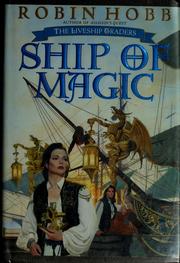
Ship of Magic
A sentient ship wakes when her captain dies, and the family that owns her starts to come apart over who gets to sail her.
2,026-word summary · 9 min read

Inkdeath
The final Inkworld novel sends Mo into the land of the dead, leaves Meggie choosing between two boys, and ends the Adderhead's immortality with three written…
2,062-word summary · 9 min read
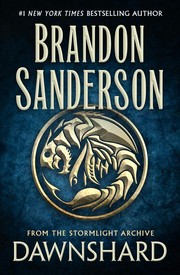
Dawnshard
Rysn sails toward forbidden Akinah to save her dying larkin and finds a Dawnshard guarded by the Sleepless.
3,229-word summary · 14 min read

Bone, Vol. 1: Out from Boneville
Three cartoon cousins are run out of Boneville, separated by locusts, and dropped into a valley where rat creatures and an old grudge are waiting.
2,155-word summary · 10 min read

Vow of Thieves
Kazi and Jase return to Tor's Watch to find it occupied, and their marriage is tested by captivity, betrayal, and a war for the town of Hell's Mouth.
2,059-word summary · 9 min read

The Icebound Land
Captured and enslaved in Skandia, Will fights a drug that erases him while Halt and Horace cut a bloody road through Gallica to bring him home.
2,088-word summary · 9 min read

The Field Guide
Three siblings move into a creepy Maine estate, anger a brownie, and find a forbidden guide to the fairy world in the first Spiderwick book.
2,033-word summary · 9 min read

The Beach
A young backpacker follows a dead man's map to a hidden island community, then discovers what the people there are willing to do to keep it secret.
2,067-word summary · 9 min read
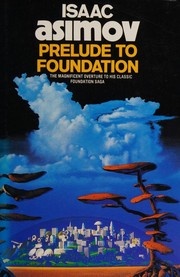
Prelude to Foundation
A young Hari Seldon arrives on Trantor with a theory he cannot yet prove, and a hunt through the planet-city forces him to turn psychohistory into a real…
2,013-word summary · 9 min read
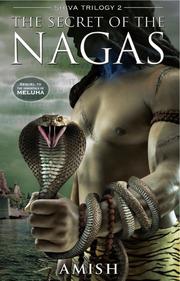
The Secret of the Nagas
Shiva hunts the Naga who attacked Sati, discovers her hidden twin sister and lost son, and follows the trail to the Naga capital of Panchavati.
2,442-word summary · 11 min read

Secrets of the Dragon Sanctuary
Kendra is replaced by a plant copy and held by the Society, while Seth steals a unicorn horn so the family can enter a dragon sanctuary.
2,590-word summary · 12 min read

Lioness Rampant
Alanna searches for the Dominion Jewel with the Shang Dragon, then returns to Tortall to face Duke Roger at Jonathan's coronation.
2,478-word summary · 11 min read

Archenemies
Nova steals for the Anarchists while Adrian hides his Sentinel identity, and a serum that erases prodigy powers puts them both at risk.
2,485-word summary · 11 min read
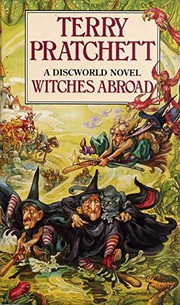
Witches Abroad
Three Lancre witches fly to Genua to stop a fairy godmother from forcing a servant girl into a storybook marriage, and find a city arranged around a happy…
2,651-word summary · 12 min read
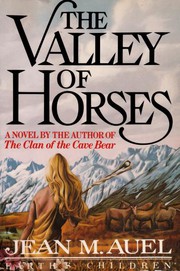
The Valley of Horses
Exiled from the Clan, Ayla survives alone in a hidden valley, tames a horse and a cave lion, and nurses a wounded stranger back to life.
2,311-word summary · 10 min read
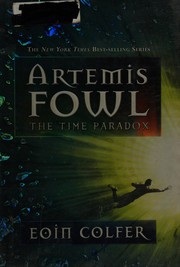
The Time Paradox
When his mother falls ill with a fairy disease, Artemis Fowl travels back in time to find the extinct lemur that can cure her and confronts his younger self.
2,601-word summary · 12 min read

James
Percival Everett retells Huckleberry Finn from Jim's side, giving him a library, a hidden school, and a voice the novel lets loose.
2,211-word summary · 10 min read
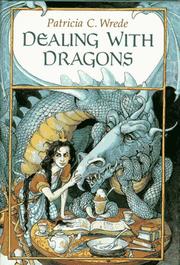
Dealing with Dragons
A princess who hates embroidery runs away to become the cook and librarian for a dragon, then has to outthink wizards, knights, and a plot against the dragon…
2,563-word summary · 11 min read
Chainsaw Man, Vol. 1: Dog and Chainsaw
A broke teenage devil hunter and his chainsaw dog get a second life, a government leash, and a fight that stops mid-swing in Fujimoto's horror comedy.
2,584-word summary · 11 min read
Carve the Mark
On a planet divided between conquered and conqueror, the tyrant's sister and a kidnapped oracle's son discover that their gifts make them useful to everyone…
2,340-word summary · 10 min read

The Golem's Eye
Two years after The Amulet of Samarkand, Nathaniel is a rising bureaucrat, Bartimaeus is his unwilling servant again, and something made of clay is tearing…
2,299-word summary · 10 min read

Magician's Gambit
Garion and his companions cross haunted Maragor and the caves beneath Rak Cthol to recover the Orb of Aldur.
2,391-word summary · 11 min read