
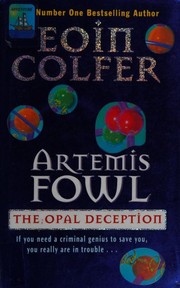
The Opal Deception
2,767-word summary 12 min read 352 pages in the book
- First published
- 2005
- Publisher
- Puffin Books
- Pages
- 352
- ISBN
- 9780141381640
- Series
- Artemis Fowl (#4)
Reading options
What's inside (8 sections)
I did not plan to reread the Artemis Fowl books in order. I picked up book four because a friend left it on my kitchen table after a weekend visit, and the cover line about needing a criminal genius stuck in my head. The Opal Deception by Eoin Colfer is the fourth book in the Artemis Fowl series, first published 30 April 2005 by Puffin Books in the UK, with the first edition hardback running 352 pages with ISBN 9780141381640. The US edition came from Hyperion Books for Children. It follows The Eternity Code from 2003 and comes before The Lost Colony from 2006.
That placement matters more here than in most middle grade series. At the end of book three Artemis agreed to a mind wipe to protect the People, so he starts this book with no memory of fairies. Holly is still dealing with what that cost. Opal Koboi, the pixie genius from the goblin rebellion, is supposed to be locked in a clinic in a coma. None of those arrangements hold for long.
Colfer writes this one as a chase with two fronts. Above ground Artemis is fourteen, sharp in suits, back to stealing with Butler. Below ground Holly is trying to stay an officer while everything points at her. Opal is awake and patient. I read it in three sittings, mostly late, and kept thinking about how much the series changed once Root was gone.
How Opal walks out of a locked clinic
Opal starts the book under watch that sounds impossible to beat. She is in the Argon clinic, supposedly comatose after her failed coup. The Lower Elements Police keep her under constant video watch. They run DNA tests every four hours. They put a seeker sleeper in her arm, a tracker mixed with a tranquilizer. They lay monitoring pads under her net. A nurse checks. A doctor signs. Everyone believes the machine readings.
She beats all of it because she had help before she ever went still. The Brill brothers, Mervall and Descant, pixie twins who speak in mirrored pairs and worship Opal for her brains, smuggle in a clone. The clone is brain dead but otherwise identical, close enough to fool swabs and cameras. While the LEP watches a body breathe, the real Opal is lifted out and hidden until she can move.
What I like about this opening is how cold it feels. No big fight. Just paperwork, schedules, and vanity. Dr. Argon likes famous patients. The guards like routine. Opal likes being underestimated. Colfer spends time on the clinic food, the lights, the boredom of night shifts. That slow detail makes the escape land harder than a laser battle would.
There is a fair question about cloning here. The book treats a living copy as a tool, grown and discarded. It never pauses long on what that means. For a series aimed at younger readers that keeps the pace up, but I noticed the gap. Opal sees people as parts. The text sometimes does too when it needs her plan to work.
Artemis steals a painting he should not want
Artemis Fowl II has no idea fairies exist when we meet him again. The wipe took Holly, Foaly, Root, Mulch, the whole underground. What is left is a boy genius with money, a bodyguard, and an itch he cannot name. He tells himself he wants a trophy. With Butler he sets up a run at the International Bank in Munich to steal The Fairy Thief by Pascal Herve.
The painting backstory hooked me. Herve, a French Impressionist in Colfer's world, painted fairy folk over and over. Fifteen paintings are known. A sixteenth, The Fairy Thief, shows a green skinned fairy on a windowsill reaching for a human baby in a sunlit cot. It was given away, sold cheap, stolen again and again. By now thieves treat it as a prize. Steal it and you are counted among the best of your generation. Artemis wants to be the youngest to do it. He learns it may be in a safe deposit box held under cover by a British burglary firm, Crane and Sparrow, and builds a school trip cover through St. Bartleby's to get to Munich for the European Schools Fair.
The heist chapters are the most fun in the book for me. Artemis and Butler rent a nearby box. They map Blokken doors with a handheld X ray panel. They dodge a portable Klaxon wired as a secondary alarm. Artemis rigs a scooter steering column into a telescoping pole with keys on both ends so two keyholes can turn at once while Butler blocks the guards view with blueprints. It is fiddly, physical work, eight feet of distance and three feet of reach and a lot of sweat. When Artemis finally holds the Perspex tube up to the light and studies the brushwork through plastic, afraid to unroll it in the vault, I held my breath a little.
He does unroll it back at the hotel with surgical gloves and gel sacs on the corners. He knows at once it is real. Thick light. Primary color. Figures that seem made of glow. And then a strange snag in his head. He looks at the fairy on the sill and thinks it cannot go inside. He does not know why he knows that. The wipe buried fairy rules about dwellings and permission, but the feeling leaks through. That small moment does more character work than three chapters of him saying he feels empty.
My gripe here is pace. The bank sequence is long on procedure. Guards shift. Boxes open. Diamonds sit in a tray. Legal papers tied with ribbon. If you love capers you will grin. If you came for Holly you may skim until the bio bomb arrives. Which it does, because Opal planted a tracker on the tube. Artemis thinks he stole a painting. He also carried a target.
Holly gets framed in a lava chute
While Artemis plays thief, Opal sets her real trap. She lures Commander Julius Root and Captain Holly Short alone into a chute used for magma runs. No backup. No witnesses except cameras she controls. She fixes an explosive to Root that cameras cannot see. Then she nudges Holly into firing at it during a confused attempt to help. The blast kills Root. On video it looks like Holly shot her commander.
That death still shocks me. Root spent three books shouting, chewing cigars, threatening to fire everyone, then staying up to protect them. He yells at Holly because he is scared for her. He fights with Foaly about budgets because he wants his people alive. To lose him to a trick, not a battle, feels cruel in a way Colfer means. Holly goes from respected officer to fugitive in an hour. Ark Sool and the Council want her in cuffs. The press version writes itself. Even some friends hesitate.
Opal follows fast. She launches a bio bomb at Artemis in Munich. Only quick work from Butler gets Artemis clear. Butler has taken bombs before in this series and carries the scars. Here he reads the air, moves first, shields with his body and a vehicle door and pure habit. Artemis lives because his guard lives for that second.
Holly finds Artemis after the blast. She is on the run, muddy, short on magic, talking about an underground he does not believe in. She hopes seeing her will snap his memories back. It does not. He bargains. He wants a fee to help. She is disgusted and desperate enough to agree. Then Opal's people take them both and dump them where she thinks trolls will finish the job.
Colfer gets criticized for loading books with gadgets, and this middle stretch shows why. Seeker sleepers. DNA swabs every four hours. Iris cameras. Neutrino guns that need charge. Bio bombs. Mesmer. It is a lot to track while grieving Root. Entertainment Weekly at the time said the characters were still a blast but Colfer seemed dazzled by gadgetry and explosives jammed into the tale. I felt that. Two chapters in a row I had to flip back to remember who had what weapon. The emotional thread, Holly trying not to fall apart after killing her mentor by accident, almost gets buried under kit.
Trolls in a dead park and a gold disk
The prison Opal picks is nasty. An abandoned fairy theme park called the Eleven Wonders of the Human World. Scale models of famous human sites, the old seven plus extras like Abu Simbel and Borobudur and Rapa Nui and the Throne Hall at Persepolis, left to rot after funding dried. Trolls nest there now. Opal throws Artemis and Holly in and waits for teeth.
The fight on the model of the Temple of Artemis at Ephesus is the set piece people remember, and for good reason. Colfer keeps geography clear. Who is up on the columns. Where the drop is. Which troll is blind in one eye. Holly shoots when she can and conserves charge when she cannot. Artemis, with no magic and no memory, uses museum knowledge and shouting and a piece of bent rail. It should feel silly, tiny temples and giant trolls, but fear makes it work. They are tired, loud, scraped raw. They come out bonded by trauma, as Holly later puts it in her dry way.
Rescue comes from the two best backups in the series. Butler tracks through human means, bribes and footwork and refusing to sleep. Mulch Diggums tunnels, complains, picks locks, farts, and shows up exactly when needed. Mulch is a dwarf thief with an unhinging jaw and a nose for trouble, and he has been moving toward loyalty for books. Here he chooses to stay when running would be easier. Butler treats him with professional respect, bodyguard to thief, which always makes me laugh because neither will say it out loud.
After, Mulch gives Artemis a disk disguised as a gold medallion. Artemis made it before the wipe, a backup of his fairy memories in case he ever needed them. Watching him take it is uncomfortable. He sees himself kidnap Holly in book one. He sees himself bargain and threaten. He sees Root yell and Foaly save him with tech and Holly heal his mother. He is overcome, really sick with it, and for the first time he apologizes to Holly without calculating what the apology buys. He drops the fee talk. That shift, from amoral prodigy back to someone who feels guilt and acts on it, is the hinge the rest of the series swings on. I believed it because Colfer lets him be awkward. No grand speech. Just a short apology and practical help.
If I have a craft complaint, it is that the park escape relies on timely arrival. If Butler and Mulch are five minutes later, our leads die. Colfer covers with troll behavior and Holly buying time, but luck does heavy lifting. Kids may not mind. I noticed because the Munich heist was so tightly planned. This rescue is looser by design, and the seam shows.
A billionaire, a probe, and molten iron
Opal's larger plan is worse than murder. She wants to expose the People to humans and start a war that wipes fairies out. To do it she needs human industry, so she picks Giovanni Zito, an Italian billionaire who funds environmental work and loves attention. She uses the mesmer to make him believe she is Belinda, his pampered adopted daughter. He hears a sweet voice. He sees big eyes. He agrees to drop a probe down through rock in millions of tons of molten iron. A live feed. Proof of something below. Once humans see, soldiers and cameras follow.
The Zito chapters are creepy in a quiet way. Opal is small, burned low on magic, running on spite. She plays the child because powerful men like to rescue. Zito is not stupid in his field. He cares about oceans and forests. Under mesmer he becomes a fond father who will pay for anything Belinda wants. Colfer does not make him a cartoon villain. That choice helps. Exploitation works best on decent people who want to help.
Our patched team chases the probe in a fairy craft that is not built for that heat or that chase. Foaly talks them through from afar while trying not to get arrested for helping a fugitive. Holly flies. Artemis calculates descent and iron flow and camera angles with human engineering that fairy tech left out. Butler holds people in seats through turns that should break bones. Mulch makes a joke at the worst moment and then does his job perfectly. They outpace the probe and divert its path just enough. No big explosion in the sky. Just a miss that most humans never notice.
Opal crashes into a woman's vine field. She tries the Belinda act again, soft voice and lost girl routine. Her magic gives out right before it takes. No mesmer. No pampering. Just mud, cut vines, and a furious farmer who needs hands for harvest. The LEP later detains Opal for real. Holly is cleared of all charges over Root's death. I laughed out loud at Opal stuck doing manual labor she hates, then felt a little mean for laughing. Colfer wants that sting. Revenge puts her in exactly the life she despises.
A week later the paperwork settles. Holly, cleared but hollow, resigns from the LEP. She has watched procedure frame her and politics protect Sool. She starts a private investigation firm with Mulch Diggums. Artemis anonymously donates The Fairy Thief to the Louvre. He does not sign. He does not need credit now. That quiet gift tells you how far the medallion memories took him.
What creaks and who should pick it up
This is book four of eight in Artemis Fowl, and it reads like a bridge that had to carry too much. It must kill Root, clear Holly, bring Artemis back to the People, keep Opal scary after a coma, and set up demons and Hybras for book five. Most of that lands. Root's death gives later books weight. Holly leaving the force freshens her dynamic with Artemis. Mulch as partner opens funnier cases. Opal in custody but alive keeps threat warm.
Still, some parts creak. School Library Journal at the time called the prose clunky but said creativity carries the narrative through tight spots and impossible situations. That matches my read. Sentences can clunk when Colfer explains tech twice, once in narration and once in dialogue. Disney's Family site called the book pretty confusing while saying it kept series strengths. Also fair. The chute framing, the clone swap, the probe physics, the park layout. That is a lot of moving pieces for a reader of ten or eleven. I had to slow down in the middle third and trust Foaly's summaries.
Opal herself is thinner here than in the Arctic Incident rebellion. She is brilliant, vain, cruel to twins who adore her, and fixed on revenge. Her motive rarely widens beyond spite toward Holly and Artemis and Root. Compare that to later villains with bigger ideas about fairy survival, and she can feel like a smart engine without much fuel. The Brill brothers get more sympathy in fewer pages. They mirror each other, finish tasks without orders, and stay loyal past sense. I wanted one scene of doubt from either twin. It never comes.
For who should try it, start at book one if you are new. You need the kidnapping and the healing and the Eternity Code wipe for the apology to hit. If you liked book one for the Fowl Manor siege, this gives you two set pieces with higher cost, Munich and the park and the probe run. If you read with kids, Root's death needs a pause and a talk. It is sudden and unfair, like some real losses. Holly's guilt and Artemis learning to say sorry give you language for that talk without preaching.
I closed it thinking about Butler carrying a cracked painting in his back pocket through a bombing, paint flaking because a boy could not leave a tube sealed. That image holds the whole book for me. Smart kids, tired adults, magic running low, people choosing to stay. Colfer mixes Irish myth with spy tech and lets the bill come due. Root stays dead. Holly quits. Artemis gives away the prize. Growing up in this series means paying. That cost is what makes this volume feel grown.
FAQ
Where does The Opal Deception sit in the Artemis Fowl series?
It is book 4, after The Eternity Code and before The Lost Colony. Start with book one so the mind wipe, the kidnapping, and the apology land with full weight.
When was The Opal Deception published, and which edition is cited here?
It was first published 30 April 2005 by Puffin Books. The first edition hardback runs 352 pages with ISBN 9780141381640, while the US edition came from Hyperion Books for Children.
Does Holly Short leave the LEP?
Yes. After Opal is detained and Holly is cleared over Root's death, she resigns, disillusioned with procedure. She starts a private investigation firm with Mulch Diggums.
Similar books
More from Artemis Fowl first, then related titles.
Artemis Fowl
Twelve-year-old crime heir Artemis Fowl kidnaps fairy officer Holly Short for gold, triggering a siege at Fowl Manor with time-stops, trolls, and a shifting…
2,692-word summary · 12 min read
The Arctic Incident
Artemis ransoms his father in Russia while Holly hunts goblin batteries.
1,952-word summary · 9 min read
The Eternity Code
Artemis shows fairy tech to Chicago tycoon Jon Spiro, loses Butler to a bullet, and must raid Spiro Needle with Holly to get it back.
2,949-word summary · 13 min read
The Lost Colony
Artemis and Holly chase returning demons while a rival genius risks everything for fame.
1,903-word summary · 8 min read
The Time Paradox
When his mother falls ill with a fairy disease, Artemis Fowl travels back in time to find the extinct lemur that can cure her and confronts his younger self.
2,601-word summary · 12 min read

Bone, Vol. 1: Out from Boneville
Three cartoon cousins are run out of Boneville, separated by locusts, and dropped into a valley where rat creatures and an old grudge are waiting.
2,155-word summary · 10 min read
The Icebound Land
Captured and enslaved in Skandia, Will fights a drug that erases him while Halt and Horace cut a bloody road through Gallica to bring him home.
2,088-word summary · 9 min read
The Field Guide
Three siblings move into a creepy Maine estate, anger a brownie, and find a forbidden guide to the fairy world in the first Spiderwick book.
2,033-word summary · 9 min read
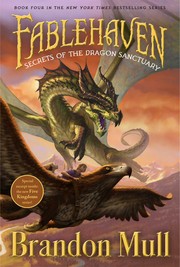
Secrets of the Dragon Sanctuary
Kendra is replaced by a plant copy and held by the Society, while Seth steals a unicorn horn so the family can enter a dragon sanctuary.
2,590-word summary · 12 min read
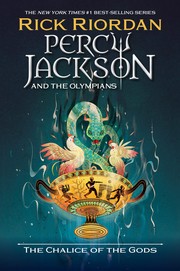
The Chalice of the Gods
Percy needs three recommendation letters from three gods to apply to college, so his first quest is recovering a stolen chalice from the god of old age.
2,106-word summary · 9 min read
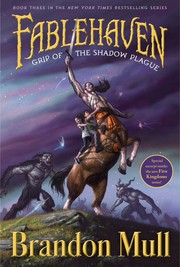
Grip of the Shadow Plague
A plague turns Fablehaven's creatures of light into shadows while Kendra hunts an artifact in Arizona and Seth races to find the cause.
2,131-word summary · 9 min read
The Stonekeeper
After their father's death, Emily and Navin chase a monster into a hidden world to save their mother, and Emily's great-grandfather's amulet offers power at a…
2,753-word summary · 12 min read
The Republic of Thieves
Locke and Jean rig an election while Locke faces Sabetha, his lost love and rival.
2,433-word summary · 11 min read
The Indian in the Cupboard
Omri learns a key turns plastic Little Bear into a live Iroquois man.
2,228-word summary · 10 min read

Into the Wild
Housecat Rusty joins ThunderClan and learns clan law before war.
2,597-word summary · 12 min read

Gregor the Overlander
Gregor follows Boots down a grate into the Underland and a war prophecy.
2,516-word summary · 11 min read
The Miraculous Journey of Edward Tulane
A china rabbit lost at sea learns to love through owners kind and cruel across many years.
2,002-word summary · 9 min read
The Demigod Files
Three Percy Jackson side quests plus camp maps, cabin guides, interviews, and god profiles set before the final battle.
2,498-word summary · 11 min read
Princess Academy
Miri leaves her Mount Eskel quarry home for Princess Academy, where quarry songs, books, and a bandit siege shape her fight for fair trade, a school, and a…
2,441-word summary · 11 min read
Magyk
A baby found in snow, a lost seventh son, and a run for the Marram Marshes as Marcia Overstrand shields two children from DomDaniel.
2,604-word summary · 12 min read
Rise of the Evening Star
Kendra and Seth return to Fablehaven as the Society of the Evening Star closes in, with a traitor inside the house and a demon prison key at stake.
2,874-word summary · 13 min read
The Wishing Spell
Twins Alex and Conner fall through a book of fairy tales and must gather eight keepsakes to get home.
2,714-word summary · 12 min read
The Serpent's Shadow
Carter and Sadie Kane have three days to bind Apophis by his shadow before the serpent rises and unmakes the world.
2,941-word summary · 13 min read
Fablehaven
Kendra and Seth spend the summer with their grandfather and learn his woods hide Fablehaven, a preserve for fairies, satyrs and darker things.
2,949-word summary · 13 min read

The Throne of Fire
Carter and Sadie Kane have five days to wake the sun god Ra before the serpent Apophis breaks free and eats the world.
2,867-word summary · 13 min read
The Red Pyramid
Siblings Carter and Sadie Kane wake the Egyptian gods and must stop Set from destroying the world.
2,682-word summary · 12 min read
The Son of Neptune
Amnesiac Percy wakes at Camp Jupiter and quests to Alaska with Hazel and Frank to free Thanatos.
2,107-word summary · 9 min read
The Mark of Athena
Seven demigods sail for Rome where Annabeth must follow the Mark to the Athena Parthenos alone.
2,031-word summary · 9 min read
The Titan's Curse
Percy joins a winter quest to save Annabeth and Artemis with Thalia, Grover, Bianca and Zoe, facing Atlas and Luke under a hard Oracle prophecy on Mount…
2,229-word summary · 10 min read
The Sea of Monsters
Percy returns for a second summer as Camp Half-Blood loses its borders, Tyson is claimed as his brother, and the Golden Fleece waits past the Sea of Monsters.
2,056-word summary · 9 min read