
Reading options
What's inside (11 sections)
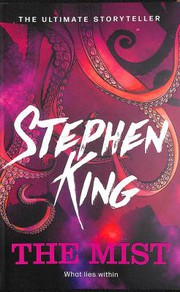
I reread The Mist because its supermarket still haunts American horror. Stephen King first published the novella in 1980 in Dark Forces, collected in Skeleton Crew in 1985. My reading follows the 320 page Hodder standalone paperback from 2021. A strange mist full of creatures traps shoppers in a Maine supermarket while fear breeds a worse monster inside. It is King's best siege story, lean and merciless.
David Drayton, commercial artist, storms with his five year old son Billy and prickly neighbor Brent Norton to the Federal supermarket for supplies after a freak summer storm knocks trees through windows. A strange mist rolls over the parking lot. A bleeding man runs in screaming about something in the fog. Doors close. What follows is one of horror's great locked room pressures. Tentacled things in the loading dock. Pterosaur like flyers. Spiders with appetites. The mist hides a ecosystem that should not exist, possibly torn open by the military's Arrowhead Project up the road.
Inside the store
King stages the siege with procedural patience that still feels modern. Barricades. Supply counts. Watches. Forays for medicine and food that cost lives. David narrates with a father's flat practicality that makes the impossible land harder. He draws what he sees. He counts who remains. That artist's eye gives the novella its texture. Tentacle described by segments. Webbing by tensile give. Horror through observation rather than adjectives. You believe because he sketched first.
The people inside fracture along lines King draws without mercy. Mrs. Carmody, religious zealot, preaches that the mist is God's judgment and demands sacrifice. Her following grows as deaths mount, from eye rolls to amens to knives. Ollie Weeks, store employee with a gun he knows how to use, becomes unlikely backbone. Amanda Dumfries, young teacher, holds Billy when David can not. Mrs. Reppler, tough schoolteacher, enforces order with a tennis racket and spine. Dan Miller, Amanda's fellow, helps plan. Brent Norton, who feuded with David over property lines, refuses to believe and walks out into fog with others. That exit, calm and fatal, chills more than any creature. Denial as death.
Carmody's rise is the book's true horror and its most argued thread. She starts as nuisance, quoting Revelation while others board windows. Each death converts mourners. By the middle she holds court, demanding a boy for atonement. The store splits into her flock and David's holdouts. King, no friend to fanaticism, writes her power as procedural. Fear plus rhythm plus certainty. She names deaths as signs. She promises safety for obedience. Exhausted people buy it the way they buy anything in supermarkets. In bulk, without reading labels. That satire cuts because it generalizes. Every disaster grows its Carmodys. The mist just hurries them.
David's group plans escape when staying means sacrifice. The final third runs on fumes and flashlights. Pharmacy run. Car alarms. Ropes between bumpers. What is out there proves worse than what they left, as the cover promises. King stages the parking lot crossing with unbearable slowness. Steps counted. Breaths held. Then speed and screaming. Those pages earned the novella's classic status. Action directed like film before the film existed. Darabont later adapted faithfully until his ending diverged.
Two endings worth naming
The novella ends ambiguously, which I prefer and will describe without spoiling the last image fully. David drives south with Billy and two others through dead towns, broadcasting a plea and hearing, maybe, one word back that could be a place. Hope as static. King leaves the mist unlifted and the creatures unexplained. That restraint honors cosmic horror. Explanations would shrink it. The final lines, with David writing his account in a motel and daring to hope at a sound, ache precisely because hope is thin. Thin beats none. Barely.
The 2007 film ends differently and bleakly, with David making an unthinkable choice moments before rescue that the novella never forces. That divergence sparked fierce debate about which is crueler. The film punishes hope. The book preserves its possibility at cost of certainty. I admire both and recommend experiencing the book first. King's maybe keeps you up wondering. Darabont's certainty keeps you up hurting. Different insomnia. Choose yours knowingly. Television's 2017 series took other liberties best left unwatched by purists.
What the mist is never gets settled, which is correct. Arrowhead Project hints at military tears between worlds. Characters theorize thin spots, experiments, and judgments. No whiteboard scene confirms. That openness lets the story stay about people under pressure rather than physics homework. King learned this early and kept it. Monsters need motive less than crowds do. The store explains itself. The fog does not have to.
Carmody's congregation
Mrs. Carmody deserves extended attention as King's great study of disaster faith. She enters as antique shop owner with pamphlets, easily dismissed. Each death promotes her. She names the mist as wrath, the creatures as signs, and the survivors as sinners owed to justice. Her exegesis is terrible and effective because it offers pattern where science offers only tentacles. People choose pattern. By the midpoint she commands armed deacons. By the end she demands a child. That escalation follows real cult dynamics King researched through history rather than inventing. Fear first. Certainty second. Sacrifice third. The store's fluorescent aisles become revival tent. Shoppers become congregation through exhaustion rather than conviction.
David's resistance to her costs him standing he can not afford. He argues evidence while she performs prophecy. Evidence loses on stage. That asymmetry frustrates rationalist readers deliberately. King suggests reason needs community to hold, and David's faction keeps fragmenting over escape plans while Carmody's unifies around blood. The book's bleakest insight is organizational, not theological. Bad unity beats good division when doors must hold. David learns too slowly that leadership requires theater as well as truth. Ollie understands sooner, which is why the quiet clerk becomes the group's spine. Guns help. So do speeches. David gives few of the latter until too late.
The sacrifice demand targets Billy, which forces the book's moral core into open. David must choose between group survival purchased with his son and doomed integrity. He chooses integrity with a gun, and the cost arrives instantly. I will not detail who falls in that aisle beyond saying the shots echo past the last page for everyone who fires and witnesses. King stages it without relish, all noise and falling cans. Violence as logistics of refusal. That scene alone justifies the novella's reputation. Principle priced in blood, paid on linoleum, witnessed by neighbors who will never shop peacefully again.
David as father narrator
David Drayton's voice deserves study as horror narration done right. Commercial artist accustomed to meeting deadlines, he records the siege with professional clarity that never performs toughness. He admits shaking. He notes when he fails Billy. His love for his son arrives through logistics. Diapers counted. Food shared. Stories told to cover screams. Those details build paternity more convincingly than declarations. Fathers reading will recognize the math of protection. What can I carry. How far. At what cost to others left. The book never lets him off that ledger.
His marriage, glimpsed through worry about his wife home alone, adds dread that pays off brutally. Readers do the math before David admits it. If the store falls, home already fell. That parallel dread doubles every page. Billy asks about mommy. David lies kindly. We know better, or suspect. King withholds confirmation with mercy that feels cruel. Hope for the house persists alongside store horrors. Both may be lies. The novella's structure forces readers to hold two fears at once, which exhausts in the best way. Horror as divided attention. Love split across locations. No one rests.
Brent Norton and the price of disbelief
Brent Norton's walk into the mist deserves lingering attention as the book's coldest set piece. Neighbor and legal adversary of David's, urbane and rational to a fault, he rejects every evidence of monsters as mass hysteria. When he leads a small band out the doors toward his car, the narrative does not chase them with tentacles on page. It lets doors close and imagination supply screams. That restraint terrifies more than depiction could. Readers fill fog with personal fears. King understands that absence performs. What you do not see drives. Norton's certainty, admirable in courtrooms, kills in unknown weather. Expertise misapplied is just pride with credentials.
Ollie Weeks's competence provides the necessary counterweight of working class heroism. Store clerk with a gun he actually trained on, Ollie stays calm where educated men posture. His shots count. His plans work. His death, when it comes during escape, lands harder than any civilian loss because capability deserved survival. King kills him anyway to prove the mist does not grade on merit. That indifference defines cosmic horror against moral horror. Carmody claims deaths mean something. Ollie's random end argues they do not. Both readings share the parking lot. Choose while running.
Arrowhead and unexplained weather
The Arrowhead Project backstory gets exactly the right amount of ink, which is little. Soldiers. Experiments. Thin spots. No schematics, no generals monologuing Projects. That restraint keeps the mist mythic rather than military procedural. Readers wanting portal physics should look to later King works with more apparatus. Here weather suffices. Storm knocks trees. Mist follows. Things walk out that evolution never filed. Causes matter less than costs. The book states this through David's artist shrug at theories. Paint what you see. Leave blueprints to others.
What the ambiguity purchases is rereadability across decades. Each era maps its own dread onto white fog. Cold War tests then. Lab leaks now. Climate weirding always. The mist accepts all projections without endorsing any, which is why classrooms and book clubs return to it. Argue causes while agreeing about Carmody. That split, mystery outside and certainty inside as twin terrors, structures discussions that outlast plot details. Weather changes. People don't. Pack both for trips to Federal.
Ollie Weeks stands his ground
Ollie deserves final honor as the novella's quiet hero who holds when educated men fold. Store clerk with a revolver he trained on, Ollie rations authority carefully. He shoots only when sure. He counts shells aloud so panic hears math. His steadiness anchors David's faction more than David's leadership does. When escape comes, Ollie covers rear without speeches about duty. Competence needs no monologue. His fate during flight lands hard precisely because capability earned survival that fog denies. The mist grades nothing. Remember his count anyway. Somebody should.
What holds and what hazes
What holds is siege craft, social collapse, and fatherhood under veil. At 320 pages in this standalone with generous type the story breathes at the right pace. Every death costs. Every decision splits the room. David's love for Billy never curdles into speechifying. He packs, carries, and lies kindly when truth would break a five year old. Those small parenting choices ground tentacles in tenderness. Horror with a child at stake hits differently. King knew and aimed accordingly.
What hazes is period texture some modern readers will clock. Gender roles skew traditional. Amanda soothes while men plan. Mrs. Reppler excepted as formidable older woman allowed competence. Brent Norton's skepticism reads as plot device more than person. Science talk around Arrowhead stays vague even for 1980. Readers wanting creature taxonomy will get hints, not bestiary. The mist keeps its secrets past the last page. That is feature for most and bug for catalogers.
The prose is plain, visual, and fast. Short paragraphs. Dialogue that argues. Set pieces blocked like storyboards. King avoids purple even when describing impossible biology. A shape. A sound. A consequence. That restraint makes the impossible present tense. You are in the dock with Norm the bagger boy when the tentacles come. You are at the window when the flies blot light. Presence is the whole technique. It works.
Who should enter
Give The Mist to horror readers who want siege best in class, to King fans who know the film and need the original maybe, to book clubs that enjoy debating Carmody versus creatures as true villain. It suits stormy nights with flashlights handy. Do not give it to readers needing explanations or cozy resolutions. Pair it with Skeleton Crew for more 1980s King short terrors, or with Bird Box for modern siege echo.
At 320 pages in this edition I read it in one sitting, marking dock pages. David starts shopping for milk and ends driving through dead towns dictating hope into static. That drive, past certainties into maybe, is why the novella lasts as King's signature short form. The mist never lifts. People choose anyway. Keep the car moving.
FAQ
When was The Mist published?
First published in 1980 in Dark Forces and collected in Skeleton Crew in 1985. This Hodder standalone runs 320 pages and the ISBN is 9781529379310.
Is it part of a series?
No. It stands alone as a novella, though collected in Skeleton Crew among other King shorts.
Does it end like the film?
The novella ends ambiguously with static hope; Darabont's 2007 film chooses bleak certainty instead.
Similar books
Skeleton Crew
King's 1985 collection pairs The Mist with The Jaunt, The Raft, and Survivor Type: 22 stories of Maine dread.
3,209-word summary · 14 min read
The Girl Who Loved Tom Gordon
Nine-year-old Trisha McFarland strays off the Appalachian Trail and spends days lost in Maine woods with a Walkman and Tom Gordon on her mind.
2,957-word summary · 13 min read
Gerald's Game
Handcuffed to a bed after her husband dies, Jessie Burlingame faces thirst, a stray dog, and buried memories over 28 hours.
2,940-word summary · 13 min read
The Troop
A Boy Scout troop on a Canadian island takes in a stranger who cannot stop eating, and the worm inside him turns a camping trip into a war.
2,457-word summary · 11 min read
Final Girls
A survivor of a cabin massacre tries to live normally until another Final Girl dies and a second one shows up at her door.
2,176-word summary · 10 min read
Full Dark, No Stars
Four novellas about revenge where ordinary people do terrible things and live with it.
2,646-word summary · 12 min read
Four Past Midnight
Four novellas about a plane lost in time, a writer haunted, and horrors small and large.
2,584-word summary · 11 min read
Rose Madder
After fourteen years of abuse, Rosie Daniels flees her cop husband and finds a painting that opens into a dangerous mythic world.
2,349-word summary · 10 min read
Duma Key
After losing his arm, Edgar Freemantle paints on a Florida island and learns his pictures can open doors for something hungry.
2,530-word summary · 11 min read
Desperation
Travelers on Highway 50 are hauled into empty Desperation, Nevada, where a possessed deputy serves an old thing in the mine.
2,993-word summary · 13 min read
Song of Susannah
Mia takes Susannah to 1999 New York to bear a chap while Roland meets his author in Maine.
2,051-word summary · 9 min read
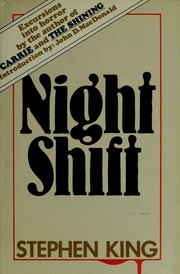
Night Shift
King's first story collection moves from haunted mills to killer cornfields, twenty early tales where ordinary places turn evil.
2,488-word summary · 11 min read

Cell
A cell signal turns callers into violent phoners, and a father walks north through ruins to find his son.
2,103-word summary · 9 min read
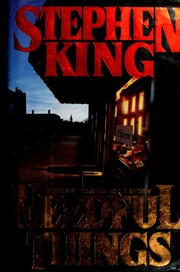
Needful Things
A smiling man sells exactly what you want for cash plus one small cruelty to a neighbor.
2,007-word summary · 9 min read
Under the Dome
Chester's Mill is sealed under an invisible dome as cook Barbie and editor Julia face Big Jim Rennie's rule.
2,731-word summary · 12 min read
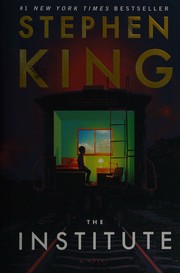
The Institute
A kidnapped prodigy wakes in a Maine facility where gifted kids earn tokens in Front Half and vanish from Back Half.
3,814-word summary · 17 min read
Cujo
A rabid St. Bernard traps a mother and her young son in a broken-down car at a lonely Maine garage.
2,910-word summary · 13 min read
11/22/63
A Maine teacher steps through a diner portal to 1958 to stop the Kennedy assassination, and learns the past resists change while a new life pulls him in.
2,799-word summary · 12 min read
The Stand
A superflu wipes out most people as good and evil gather in two towns.
1,959-word summary · 9 min read
What Moves the Dead
Alex Easton arrives at the Usher house to find Madeline dying, the tarn full of fungus, and the local hares refusing to stay dead.
2,586-word summary · 11 min read
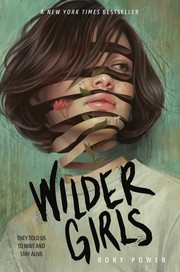
Wilder Girls
At a quarantined boarding school off Maine, three girls with strange mutations search for a missing friend and learn what the adults have hidden.
2,594-word summary · 12 min read

Still Missing
A realtor is abducted at a Vancouver Island open house and held for more than a year. Told through therapy sessions, the novel follows her escape and the hunt…
2,466-word summary · 11 min read
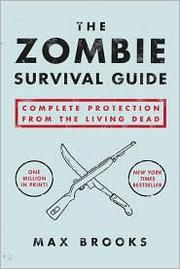
The Zombie Survival Guide: Complete Protection from the Living Dead
Max Brooks's deadpan survival manual explains the Solanum virus, the only ways to destroy the living dead, fortifying a home, and the outbreaks history quietly…
2,650-word summary · 12 min read
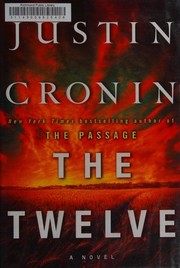
The Twelve
The middle volume of the Passage trilogy braids the year America died, a picnic massacre decades earlier, and the survivors' war against the twelve master…
2,089-word summary · 9 min read
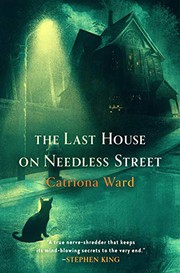
The Last House on Needless Street
A lonely man, a cat and a mysterious neighbor pull you into a house full of buried trauma.
2,627-word summary · 12 min read
The Day of the Triffids
Blinded survivors flee carnivorous plants after a meteor shower.
2,171-word summary · 10 min read
The Chalk Man
Childhood chalk codes lead to a murder that follows friends thirty years later.
2,350-word summary · 10 min read
Relic
A museum beast kills during an exhibition while an agent investigates.
2,066-word summary · 9 min read
Before the Fall
A private jet falls off Martha's Vineyard. A painter and a small boy survive, then face grief and the news cycle.
2,185-word summary · 10 min read

Tokyo Ghoul, Vol. 1
Student Ken Kaneki becomes half-ghoul after Rize attack and hides at Anteiku.
2,438-word summary · 11 min read