
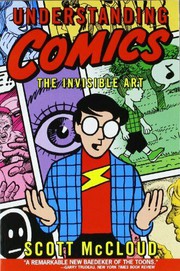
Understanding Comics
2,091-word summary 9 min read 215 pages in the book
- First published
- 1993
- Publisher
- HarperPerennial
- Pages
- 215
- ISBN
- 9780060976255
Reading options
What's inside (8 sections)
I first read Understanding Comics in art school, passed around until spine broke, and it changed how I see panels, screens, even emojis. Scott McCloud first published it in 1993 with Kitchen Sink Press. The HarperPerennial edition runs 215 pages with ISBN 9780060976255. It is a standalone nonfiction comic about comics, later followed by Reinventing Comics. McCloud, drawn as a cartoon host, walks through definition, icons, closure, time, and business. It is funny, dense, and practical. If you make or love visual stories, read with a pencil.
The trick is form. McCloud teaches comics using comics. He appears as a simple cartoon, big glasses, open hand, guiding through panels that demonstrate what words describe. When he explains closure, the gap between panels where readers infer action, he shows a murder in two panels and lets you commit it in gutter. When he explains icons, he draws himself realistic, then cartoon, then smiley, showing how simpler faces invite you in. You learn by doing what you read. That recursion delights and sticks. I still see gutters everywhere.
Definition opens the book and famously sprawls. Comics as juxtaposed pictorial images in deliberate sequence. McCloud traces history from Egyptian tombs to Bayeux Tapestry to Superman, arguing comics are not a genre but a medium. Superheroes are one use, like tragedy is one use of words. That distinction matters for respect. Critics who dismiss comics as kids stuff confuse content with form. McCloud reframes patiently, with jokes. His history tour, quick and opinionated, gives newcomers lineage without homework. Old masters get due. New forms get welcome.
Icons and faces
Icons chapter is the most useful for makers. A realistic photo closes meaning. A cartoon opens it. A smiley becomes universal. McCloud shows a triangle of reality, language, and picture plane. Move toward cartoon and you move toward everyone. That is why children love simple faces. They become them. It is why emojis work. A few lines carry feeling across languages. Designers should memorize this. Want users to identify. Simplify avatar. Want authority. Detail the badge. The book proves with panels, not preaching.
McCloud draws himself transforming to prove. Photo, realistic sketch, loose cartoon, icon. Each step loses detail, gains readability. He asks which is you. Most pick middle cartoon. That cartoon you becomes host through the book. Clever and a little creepy. You trust him because he looks like you could be. Teachers can use this. Let students draw themselves three ways. Discuss which feels true. Identity lives in simplification choices. That lesson lasts beyond comics into profiles, logos, masks.
Color gets brief but sharp treatment. Bright colors shout. Muted recede. Black and white invites reader to paint mentally. McCloud original had color section to prove. Most editions keep it. He warns color can overwhelm line. Digital makers should note. Flat webtoon color reads fast on phones. Painterly covers sell in stores. Choose for use, not taste. I changed my slide palettes after rereading. Less fill. More line. Audiences stayed awake longer.
Closure in gutters
Closure is the famous idea and worth the fame. Readers infer between panels. Axe raised, scream heard. You supplied murder. That participation makes comics intimate. Film shows. Prose tells. Comics ask. McCloud catalogs six panel transitions. Moment to moment, slow. Action to action, common. Subject to subject, roaming. Scene to scene, leaping. Aspect to aspect, mood. Non sequitur, wild. Western comics favor action to action. Manga favors aspect to aspect, lingering on rain, faces, place. Neither better. Different rhythms for different attention. Webtoon verticals now favor slow scroll reveals, a new closure McCloud predicted in later work.
Time and motion chapters show how still images move. Lines for speed. Blurs for path. Multiple figures for sequence. Panels for duration. Wide panels linger. Tall thin panels rush. Bleeds escape time. McCloud demonstrates by chasing a figure across pages. You feel run without animation. Animators study this. So should presenters. A slide with three panels beats bullet lists for process. Show start, gap, end. Let audience close. They will remember what they inferred more than what you stated. I rebuilt a boring deck this way. Questions rose. Sleep fell.
Word picture mixes get taxonomy. Word specific, picture illustrates. Picture specific, words caption. Duo specific, both say same. Additive, words add. Parallel, words and pictures diverge. Montage, words in art. Interdependent, neither works alone. Great comics live in interdependent, where gutter work doubles. McCloud shows each with examples from humor to drama. Writers learn to leave room. Do not describe what art shows. Do the other job. Artists learn to trust words for sound, smell, time. That division of labor fixes crowded pages. My own comics improved by cutting half the words after rereading. Less said. More seen.
Show, tell, and sell
Later chapters turn practical and melancholy. Styles from photoreal to smiley steer feeling and audience. Realistic heroes feel distant. Cartoony kids invite. Backgrounds can be detailed while faces stay simple, masking effect that pulls readers into scenes. McCloud shows McKean, Miller, manga masters as proofs. He warns style is not skill. Simple can be hard. Choose on purpose. Young artists copy detailed heroes and wonder why pages feel cold. Warm them with simpler faces. Let world be rich. Let people be open.
Business chapter dates but warns well. Creators rights, work for hire, self publishing. McCloud, who wrote Creator's Bill of Rights, argues makers should own. The 1990s direct market specifics fade. Principle holds. If you make, own what you can. Digital now eases, though platforms take cuts. Read this alongside Reinventing Comics for web update. The core, respect makers, pay for work, keeps.
Fair criticism is fair. At 215 pages, theory runs dense. Definition debates circle. History skips non Western forms lightly, though better than peers then. Gender examples lean male heroes. Later scholars expand. Some ideas, like the triangle, inspire more than prove. Scientists debate closure claims. Read as tools, not laws. Test with your own pages. Keep what helps. The book invites that. McCloud ends by handing you the pencil. Your turn.
Who should read. Teens and adults who make or study visuals fit best. No content issues, though some art has nudity in historical examples? Minimal. Cartoonists, designers, teachers, UX folks, film students all gain. Pair with Eisner Comics and Sequential Art for craft, or with Barry Syllabus for play. Read with a comic nearby. Try each idea on a page you love. Draw the gutter murder yourself. Feel closure happen. You will never unsee panels again. Screens, memes, slides all become comics. That is the point. The invisible art, once seen, stays.
Reading it with a pencil
The book demands active reading and rewards it hugely, so here is how I teach it. Get a comic you love and McCloud side by side. Read one McCloud chapter, then find its idea in your comic. Closure in a fight scene. Icons in faces. Time in a chase. Mark with sticky notes. You will see craft you missed for years. One student found six transitions on two pages of a manga she thought was simple. She gasped. That gasp is the book working. Theory becomes sight. Sight becomes making. Her next comic used aspect transitions to slow a goodbye. It worked because she felt it first as reader.
The vocabulary chapter, with its triangle and terms, can feel like school. Push through by drawing. Draw yourself three ways. Draw an emotion without faces, using only lines and backgrounds. Draw time passing without clocks. McCloud gives exercises implicitly. Do them literally. My notebook from first read has terrible drawings that taught more than notes. A wobbly line for fear. A grid for calm. Those scribbles now guide client work. When a dashboard feels cold, I simplify icons. When a story feels rushed, I add aspect panels as breathing pages. The book is a toolbox, not a test. Use it dirty.
History and business chapters date in details but not in warning. Direct market crash specifics fade. Creator rights stay urgent as platforms take cuts. McCloud argued makers should own. Webtoon, Substack, Kickstarter now let them, though algorithms rule. Read his 1990s hope with 2020s eyes. Some dreams came true. Many did not. The question remains who pays for pages. Support makers you love directly. Buy books, not just likes. The invisible art needs visible money. McCloud would nod, then draw himself nodding in three styles to prove point about icons. Learn, laugh, pay. Repeat.
Classroom uses multiply. English teachers use closure to teach inference. The gutter murder is inference in pure form. Students who struggle with theme get it instantly when they commit fictional murder between panels. Art teachers use icons to teach abstraction. Draw an emotion as face, then as shape. History teachers use Bayeux Tapestry pages to show sequence as argument. Each use proves comics are medium, not genre. Defend them that way when budgets cut. Bring McCloud to meetings. Open to closure page. Let the murder convince. It never fails. Even skeptics laugh, then think, then fund. That is understanding working as advocacy, not just analysis.
Time, sound, and the invisible
Time tricks need hands on practice because they feel abstract until tried. McCloud shows panel shapes as clocks. Wide panels linger like long shots. Tall thin panels rush like gasps. Bleeds escape time by spilling off page. Gutters pause. I tested this with students using a three panel fight. Same drawings, different widths. Readers felt different speeds though action matched. That lesson transfers to slides, videos, even emails. Want urgency. Narrow, stack, cut. Want reflection. Widen, breathe, bleed. The book gives vocabulary for choices makers make by gut. Name them to control. Control to serve story, not style. Style follows function when time is drawn well.
Sound in silence charms most. Comics cannot play audio, so they invent. Jagged balloons shout. Wavy whispers. Big letters boom. McCloud catalogs how lettering carries volume, tone, accent. He shows manga sound effects as art, huge characters that shake pages. Western zip, pow, bam feel thin beside. Try drawing a door slam without words. Lines radiate. Frame shakes. Reader hears. That hearing is closure again, mind supplying. Designers use this in interfaces. A shake animation says error louder than text. A soft fade says success. McCloud saw it first in ink. Digital learned from panels. Teach it back. Draw sounds in margins while reading. You will hear pages.
The invisible art title finally lands in later chapters about reader role. Comics hide most. Motion between panels. Sound in lines. Emotion in icons. Time in space. Readers supply all. That invisibility is power, not lack. Film shows everything and leaves little. Prose tells inward and leaves pictures. Comics meet halfway and ask you to finish. That finishing creates ownership. You killed in gutter. You heard slam. You felt years in wide panel. No other medium asks so much with so little. McCloud ends by celebrating that partnership. Makers draw half. Readers draw rest. Together they make worlds. Pick up pencil. Draw two panels. Leave gap. Invite someone to close. Watch them light up. That light is the art, invisible until shared.
Style, business, and starting
Style choices steer feeling more than skill displays and McCloud proves with side by sides. A realistic warrior feels distant and mythic. A cartoony kid invites hugs. Detailed backgrounds with simple faces pull readers into scenes, the masking effect manga masters use. Try it. Draw a detailed kitchen. Place a smiley cook. Readers enter through cook. Reverse it. Detailed cook in empty kitchen feels cold. That single lesson fixes stiff pages faster than anatomy study. Young artists copy detailed heroes and wonder why work feels distant. Warm faces. Rich worlds. Let people be open doors. Let places be lived rooms. Readers will move in.
Business realities close the book with warnings that aged into prophecy. Work for hire eats rights. Self publishing costs. Distribution gates. McCloud wrote Creator's Bill of Rights arguing makers should own. The 1990s crash proved need. Digital now eases printing but platforms take cuts and algorithms rule. Read his hope with present eyes. Kickstarter funds books. Webtoon pays some. Most makers still hustle. Support directly. Buy books. Fund Patreons. Share, don't just like. The invisible art needs visible money to survive. McCloud would draw himself passing a hat in three styles to prove icons work for begging too. Laugh, then pay. That payment keeps gutters open for next readers. Start making after paying. Draw first panel today. Leave second blank. Invite closure. You are now comics.
FAQ
When was Understanding Comics published?
First published in 1993 by Kitchen Sink Press. The HarperPerennial edition runs 215 pages with ISBN 9780060976255.
Is it part of a series?
No. It is a standalone nonfiction comic, followed by Reinventing Comics.
Who should read it?
Teens and adults fit best. No content issues, though theory runs dense.
Similar books
Letters to a Young Poet
Rilke's ten letters to a young officer cadet refuse easy criticism and ask whether he must write, offering patience and solitude as a way of life.
2,530-word summary · 11 min read
Drawing on the Right Side of the Brain
Edwards teaches seeing edges spaces to draw via right brain exercises.
2,229-word summary · 10 min read

Moonwalking with Einstein: The Art and Science of Remembering Everything
A journalist spends a year training for the U.S. Memory Championship and discovers that extraordinary memory is mostly technique, attention, and a lot of…
2,027-word summary · 9 min read
Art & Fear: Observations on the Perils (and Rewards) of Artmaking
Two working photographers write a short, blunt book about why people stop making art, and how to keep going when the work is going badly.
1,994-word summary · 9 min read
Creativity, Inc.: Overcoming the Unseen Forces That Stand in the Way of True Inspiration
Pixar's president on why the studio that made Toy Story nearly broke itself, and the daily habits that kept the creativity coming.
2,179-word summary · 10 min read

The Letters of Vincent van Gogh
Vincent van Gogh's letters to his brother Theo, in a Penguin Classics selection edited by Ronald de Leeuw, trace a decade of work, faith, and obsession.
2,611-word summary · 12 min read
Bird by Bird
Anne Lamott's 1994 book on writing and life: shitty first drafts, the one-inch picture frame, and quieting the inner critic so you can take it bird by bird.
2,592-word summary · 12 min read
The War of Art
Pressfield names Resistance and urges daily professional work.
2,565-word summary · 11 min read
The History of the Hobbit, Part One: Mr. Baggins
Rateliff traces every draft of Bilbo from 1930 notes to print.
2,410-word summary · 11 min read
The Artist's Way: A Spiritual Path to Higher Creativity
A twelve week course with morning pages and artist dates to recover creativity.
2,345-word summary · 10 min read
Eats, Shoots & Leaves
Truss defends commas with jokes about pandas and posters.
2,423-word summary · 11 min read
The Surgeon of Crowthorne
James Murray built the Oxford dictionary with Broadmoor inmate William Minor, whose thousands of slips shaped this 1998 HarperCollins story of murder, madness…
2,775-word summary · 12 min read

PostSecret
Warren curates anonymous postcard secrets into art about love and shame.
2,001-word summary · 9 min read
Grit
A psychologist argues sustained passion plus perseverance beats raw talent, and shows how grit can be grown.
2,432-word summary · 11 min read
What I Talk About When I Talk About Running
Murakami connects daily running to writing novels, from his jazz club years to marathons and a 62-mile ultramarathon, with frank notes on aging. A quiet memoir…
3,100-word summary · 14 min read
A Room of One's Own
Woolf argues a woman needs money and a locked room to write, touring history for lost sisters.
2,001-word summary · 9 min read
Ways of Seeing
Seven short essays on how pictures, ads, and nudes teach us to look.
4,357-word summary · 19 min read
Three Cups of Tea: One Man's Mission to Promote Peace ... One School at a Time
Mortenson fails K2 builds schools in Pakistan after Korphe kindness.
2,554-word summary · 11 min read
The Last Lecture
Dying professor Pausch lectures really achieving childhood dreams.
2,579-word summary · 11 min read

I Am Malala: The Story of the Girl Who Stood Up for Education and Was Shot by the Taliban
Malala grows up in Swat, blogged for school under ban, and survives a bus shooting.
2,015-word summary · 9 min read
Educated
Educated retold: Idaho scrapyard, no school, BYU, Cambridge, break with father and brother.
1,931-word summary · 9 min read
The Zookeeper's Wife: A War Story
The directors of the Warsaw Zoo hid roughly three hundred Jews in empty cages and outbuildings after the German invasion, while Jan worked for the resistance.
2,065-word summary · 9 min read
The E-Myth Revisited
Gerber argues that most small businesses are run by technicians who own a job rather than a business, and that the fix is a system that runs without them.
2,169-word summary · 10 min read
The Art Forger
A disgraced Boston painter agrees to copy a Degas stolen from the Gardner Museum, then begins to suspect the original she is copying is itself a forgery.
2,117-word summary · 9 min read

Sybil
A 1973 case study of a woman treated for multiple personalities, and the book that made dissociative identity disorder a household phrase.
2,054-word summary · 9 min read
Nudge: Improving Decisions About Health, Wealth, and Happiness
Thaler and Sunstein show how defaults, framing, and social cues steer choices, and argue for choice architecture with an opt-out.
3,146-word summary · 14 min read

Long Walk to Freedom
Mandela's account of a Thembu childhood, a law practice, a banned movement, twenty-seven years in prison, and the negotiation that ended apartheid.
2,454-word summary · 11 min read

1491: New Revelations of the Americas Before Columbus
Charles C. Mann gathers archaeology, ecology, and demography to argue that the Americas before Columbus were older, fuller, and more deliberately shaped than…
2,712-word summary · 12 min read

What Happened to You?
Oprah Winfrey and psychiatrist Bruce Perry explain how early experience shapes the brain, and why asking what happened to someone works better than asking what…
2,238-word summary · 10 min read
The DaVinci Code: A Quest for Answers
A short 2006 dialogue in which three friends test Dan Brown's claims about Jesus, Mary Magdalene, Nicaea, and the canon.
2,088-word summary · 9 min read