
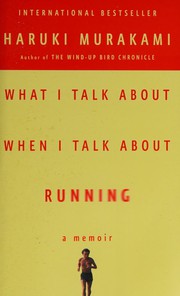
What I Talk About When I Talk About Running
3,100-word summary 14 min read 179 pages in the book
- First published
- 2007
- Publisher
- Vintage Books
- Pages
- 179
- ISBN
- 9780307473394
- Original title
- Hashiru koto ni tsuite kataru toki ni boku no kataru koto
Reading options
What's inside (8 sections)
I picked this one up on a week when my own exercise had fallen apart. A friend who runs marathons kept telling me it was the only sports book she rereads, and she does not even read much fiction. I knew Murakami from novels like Norwegian Wood and Kafka on the Shore, and I was curious what he sounded like when he was just talking about himself. No plot, no cats slipping into other worlds, only a man in his fifties trying to keep moving. I read it in short sittings after work, usually with sore legs from too little activity, which felt appropriate.
Haruki Murakami first published this short memoir in Japan in 2007, under the Japanese title Hashiru koto ni tsuite kataru toki ni boku no kataru koto. The English translation by Philip Gabriel arrived in 2008, and the edition I am summarizing here is the Vintage Books paperback from 2009, which runs 179 pages with ISBN 9780307473394. That thin size matters. You can finish it in two evenings. It covers roughly one season of training, centered on preparation for the 2005 New York City marathon, with flashbacks to earlier races and later notes on triathlons. The chapters were written as separate pieces and then shaped into a loose sequence, so the tone stays informal throughout.
What surprised me right away was how plain the voice is. In his novels Murakami can be strange and drifting. Here he is direct and practical. He wakes up, drinks water, runs for an hour, works on fiction in the morning, and repeats the pattern. He writes about sweat and blisters and laundry. He worries about weight and pace. If you expect mysticism, you will not find much. If you want to hear how a working novelist organizes his days around a physical habit, this is unusually clear.
From the jazz club to the writer desk
Murakami starts by explaining where he came from, and I needed that background to make sense of the rest. In his twenties he ran a small jazz club in Tokyo with his wife. He cooked pasta, poured drinks, stayed up late, smoked, and barely exercised. Money was tight. Hours were long. He liked music and late nights, but his body felt soft and tired. When he decided to write, the change was sudden. He wrote Hear the Wind Sing at the kitchen table, sent it to a prize, won, and then had to figure out how to live as a writer.
Closing the club was part of that shift. He sold it, stopped keeping bar hours, started waking early, stopped smoking, and began running to lose weight and settle his mind. At first he could only manage twenty or thirty minutes. He breathed hard. His legs ached for days. But the new rhythm suited the writing. He found he could sit at a desk longer when he had moved in the morning. He also found that finishing a run gave him a small sense of completion before the harder completion of pages.
He draws a line between talent and stamina that stuck with me. He says, in his own plain phrasing, that he was not the most gifted young writer of his generation, but he could keep going. He could revise. He could sit down day after day. Running taught him that same lesson in physical form. You do not need to be fast. You need to continue. That idea returns through the whole book, sometimes too often, but it feels honest rather than staged.
He also talks about solitude. Both fiction and distance running are lonely work done without applause. No team carries you. No boss checks your splits. You decide the pace and you live with it. For a former bar owner used to crowds and talk, that quiet took getting used to. He learned to like it. He describes long morning stretches where his mind settles and sentences arrive unforced. He does not claim running makes him brilliant. He claims it keeps him steady enough to do the work.
One detail I liked was his memory of early races. He entered short local events, felt nervous at the start, started too fast, faded badly, and learned to hold back. He writes about those mistakes without pride. He was a beginner in public, a grown man huffing near the back, and he kept showing up. That humility sets the tone for everything after. He is not a natural athlete telling you how to win. He is a regular runner who happens to write books, telling you how he copes.
Learning to run every day
The middle of the book settles into routine, and you either accept that or you will get bored. Murakami runs six days a week, about six miles a day, with one long run on the weekend. He rests one day. He lifts light weights for maintenance. He watches his diet without becoming strict. He runs in Hawaii when he lives there for a stretch, in Tokyo when he is home, and on the road when he travels. Heat, rain, jet lag, deadlines, none of it stops him for long unless he is hurt or sick.
He is specific about small logistics in a way I found useful. He lays out clothes the night before. He drinks water before leaving. He runs the same loops so he can judge effort. He listens to rock on a player when he wants company, and he runs without sound when he wants to think. He tracks time but tries not to obsess. He writes in the morning after running, because his concentration is best then. Afternoons are for errands and reading. Evenings are for rest. It sounds dull on paper. In practice it reads like someone showing you a workshop that actually gets used.
What holds my attention here is his attitude toward mood. He does not wait to feel inspired. He runs whether he feels like it or not. Some days are heavy from the first step. Some days loosen up after twenty minutes. He treats both as normal. He applies the same rule to fiction. You sit down even when the scene feels dead. You write through the flat stretch and fix it later. That parallel between road and desk is the heart of the memoir, and he returns to it with quiet persistence rather than slogans.
He also admits to vanity and stubbornness. He likes fitting into his clothes. He likes seeing his name on results lists. He dislikes being passed late in a race. He does not pretend to be above competition. He wants to beat his past self, even as that self gets older and slower. I appreciated that honesty. A lot of memoirs about habits pretend the author is calm and detached. Murakami admits he checks his watch, compares times, and feels annoyed when a younger runner pulls away.
There is a passage about running in summer heat that stayed with me. He describes sweat soaking his shirt within minutes, salt on his skin, breath loud in his ears, and the temptation to cut the loop short. He keeps going by shrinking his focus to the next corner, then the next water stop, then home. He uses the same trick for long novels. Do not think about page three hundred. Think about the next paragraph. Finish that, then the next. It is simple advice, but coming from someone who has finished both marathons and long books, it carries weight.
The summer road to New York
Most of the book was written during training for the 2005 New York City marathon, and that race gives the story its spine. Murakami was in his mid fifties at the time, living partly in Hawaii, fitting runs around writing and travel. He did not aim for a personal best. He aimed to finish strong and enjoy the city. He describes building mileage slowly, adding a weekly long run, easing back when his legs felt dead, and trying to arrive at the start healthy rather than sharp.
He writes about New York with affection. The crowds, the bridges, the noise, the volunteers handing out water, the long stretch through different neighborhoods, all of it lifts him when his legs tire. He had run there before, so he knew the course could humble him late. He paces carefully, holds back early, and accepts being passed by faster runners. He finishes, tired and satisfied, without drama. There is no collapse, no miracle kick, only a steady effort that matches his preparation.
I liked how little he dramatizes the result. He tells you his time, notes it was slower than his younger days, and moves on. He cares, but he does not inflate the moment. He spends more pages on the mornings leading up to the race than on the race itself. The point, for him, is not one Sunday in November. The point is the hundred mornings that made that Sunday possible. That focus on preparation over performance feels true to both running and writing.
He also writes about travel fatigue and hotel treadmills and missed runs. He misses a day when a flight is late. He runs short and easy when his stomach is off. He does not punish himself. He adjusts. That flexibility surprised me, because I expected rigidity from someone so consistent. Instead he sounds like a person who has learned the difference between laziness and a real need for rest. One you push through. The other you respect.
After New York he feels the usual letdown. Training gave his weeks shape. Without a target, mornings feel looser. He eats more. He sleeps later. He writes, but the days lack edge. Any runner will recognize that flat week after a big race. He does not rush to sign up for another marathon to fill the gap. He lets the fatigue clear, runs easy for a while, and starts thinking about what kind of challenge fits his age and body now.
Sixty two miles and what it taught him
The most intense chapter looks back to an ultramarathon, a 62 mile race he ran in Japan. If a marathon is 26.2 miles, this is more than double, run on roads over many hours, through daylight and changing weather, with aid stations and long lonely gaps between them. He entered it out of curiosity and stubbornness, wanting to know what happens past the point where marathon fitness stops helping. The answer, in short, is pain and monotony and a strange calm on the other side.
He describes the early miles as almost pleasant. He chats, settles in, eats, drinks, keeps his pace conservative. Around the middle, his legs stiffen and every step needs negotiation. He walks hills he would normally run. He counts to small landmarks. He deals with stomach trouble and sore feet. Helpers offer food and encouragement. He keeps moving because stopping for long would make restarting harder. I found these pages vivid without being showy. He does not present himself as heroic. He presents himself as tired and determined to finish what he started.
Late in the race his mind narrows. He stops thinking about writing or work or plans. He thinks about the next station, the next cup of water, the next downhill. Pain becomes background rather than news. He finishes, stiff and depleted, and can barely walk normally for days. He calls the experience valuable rather than fun, a line that made me laugh in recognition. Some races are like that. You are glad you did them and in no hurry to repeat them.
He is careful not to recommend this to everyone. He notes the toll on joints and time, the long recovery, the way such efforts steal energy from other parts of life. He ran it once, learned what he needed, and moved on. For him the lesson was not that limits are illusions. Limits felt very real around mile forty five. The lesson was that he could stay inside discomfort longer than he expected by staying patient and breaking the distance into small pieces. That skill, he says, helped his fiction. When a novel stalls in the middle, he no longer panics. He shortens his focus and keeps adding pages.
I admired how he handled pride here. He could have bragged. A 62 mile finish at his age, on top of a writing career, is rare. Instead he stresses how slow he was, how many runners passed him, how ordinary his effort looked from outside. He keeps returning to the idea that completion mattered more than placement. It sounds modest, and I think it mostly is, though a sterner reader could say modesty becomes its own pose when repeated. Either way, the race account is the strongest stretch of the book.
Older, slower, still moving
A short but moving thread concerns aging. Murakami wrote much of this memoir in his late fifties, an age when runners feel time in their legs whether they like it or not. He notices longer recovery, tighter muscles in the morning, slower times on familiar loops. He does not pretend this is pleasant. He misses his younger pace. He also refuses to quit over it. He adjusts goals, adds variety, and pays closer attention to injury signals.
That adjustment leads him toward triathlons. He takes up swimming and cycling to spread the load, learns awkward new skills as an adult beginner, buys gear, joins group rides, and enters sprint and Olympic distance events. He describes swallowing water in open swims, wobbling on the bike, fumbling with transitions, and feeling young in the worst way, clumsy and exposed. I enjoyed these passages because the expert novelist becomes a novice again. He asks for help. He practices drills. He finishes mid pack and feels pleased.
He frames this shift as practical rather than philosophical. Running alone was pounding his body. Adding swim and bike lets him train longer with less damage. It also refreshes his mind. New routes, new muscles, new mistakes. He still runs, but not every day in the same way. He cross trains, rests more deliberately, and accepts that his marathon days of chasing fast times are behind him. The tone stays matter of fact. He is not mourning youth. He is managing a body that has carried him far.
There is also a frank discussion of writing output and age. He wonders how many more long novels he has in him, how focus changes, how memory shifts. He does not answer those questions. He notes that both running and writing reward people who show up, and that showing up gets harder and more precious with years. He writes about wanting to write at least one more strong book, the way he wants at least one more honest race. The parallel is plain, but it earns its place because he has lived both sides.
What I took from these pages was not inspiration in the poster sense. It was permission to slow down without stopping. He still sets the alarm. He still lays out shoes. He just measures success differently than at forty. Finishing healthy counts. Enjoying the air counts. Doing the work with care counts. For a culture that often treats slower as failure, that mild refusal felt bracing.
What holds and what wears thin
What holds, for me, is the voice and the structure. The sentences are clean in Gabriel's English, short enough to keep moving, relaxed enough to feel spoken. Chapters stay brief. Scenes arrive in order without fuss. You always know where you are, on what road, in what season, training for what race. The modesty feels earned. He shows up, does the work, tells you the time, admits disappointment, and goes home to write. After several loud memoirs about extreme feats, I liked spending time with someone who treats effort as routine maintenance rather than destiny.
The comparison between running and fiction also holds up better than I expected. At first it sounds thin. Both take stamina, both hurt, both require daily practice. But he fills it with examples that make it concrete. Revising a dull chapter feels like holding pace into wind. Hitting a wall in a draft feels like mile twenty, when glycogen fades and will has to carry you. Learning to rest a sore knee feels like shelving a bad scene instead of forcing it. These links work because they stay practical. He does not claim running taught him style. He claims it taught him how to keep working when style deserts him.
What wears thin is repetition. He circles the same points about persistence and aging and quiet effort. A few stories appear twice in slightly different form. The middle sags when training logs blur together. Readers who want guidance will also be disappointed. He names no plans, cites no coaches, explains little about fueling or shoes or injury care. This is not a manual. It is a diary with reflections, and its usefulness depends on whether you enjoy his company.
It can also feel slight. At 179 pages, with wide margins and short chapters, the book leaves questions open. He says little about family strain, money pressure, or publishing stress during heavy training. He keeps the lens narrow on purpose, but that narrowness can read as self absorption. One friend called it navel gazing, and I understood the charge even while enjoying the read. He looks inward for long stretches and rarely widens the view to other runners, other writers, or the places he passes through.
Who should read it? Runners who like reflective memoirs will feel at home, especially those past their fastest years. Writers curious about routine will find useful notes on focus and output. Newcomers to Murakami could start here for a friendly introduction before trying the novels, though they should know this book shows his calmest side. People wanting race drama or training science should look elsewhere. There are better books for both.
I finished it with my shoes by the door and my notebook open, which seems like the right response. I did not suddenly want to run 62 miles. I wanted to run thirty minutes before work and then write for two hours without checking my phone. That small ambition feels true to what he intended. Keep a steady pace. Do the work you chose. Accept slower times with grace. And when the morning is cold and the bed is warm, get up anyway and see what the road has to say.
FAQ
When was What I Talk About When I Talk About Running published?
It was first published in Japan in 2007, then in English in 2008 in a translation by Philip Gabriel. The edition cited here is the Vintage Books paperback from 2009 with 179 pages.
Does the book include training plans?
No. It describes his routine of daily runs, weekend long runs, and race preparation, but it offers no schedules or coaching advice. Readers looking for a training manual should use a dedicated running guide.
Which races does Murakami write about?
It centers on training for the 2005 New York City marathon, looks back to a 62-mile ultramarathon in Japan, and describes his later move into triathlons as his body aged.
Similar books
Bird by Bird
Anne Lamott's 1994 book on writing and life: shitty first drafts, the one-inch picture frame, and quieting the inner critic so you can take it bird by bird.
2,592-word summary · 12 min read

Long Walk to Freedom
Mandela's account of a Thembu childhood, a law practice, a banned movement, twenty-seven years in prison, and the negotiation that ended apartheid.
2,454-word summary · 11 min read

In Order to Live: A North Korean Girl's Journey to Freedom
A young North Korean girl crosses the Yalu, survives trafficking in China, and rebuilds her life in Seoul in this unsparing memoir.
2,027-word summary · 9 min read
Too Much and Never Enough: How My Family Created the World's Most Dangerous Man
Mary L. Trump's 2020 memoir traces how a cold, zero-sum Queens household shaped her uncle, and uses family tax documents to challenge his self-made story.
2,059-word summary · 9 min read
Same Kind of Different as Me
An art dealer and a formerly homeless sharecropper tell the story of the friendship that began at a Fort Worth mission and the woman who insisted on it.
2,023-word summary · 9 min read

Infidel
Ayaan Hirsi Ali's memoir of a Somali childhood, a forced marriage, a Dutch asylum claim, and the political fight that followed the murder of Theo van Gogh.
2,041-word summary · 9 min read
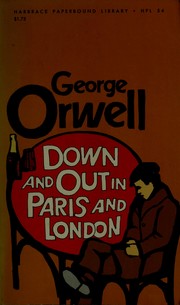
Down and Out in Paris and London
Orwell's account of washing dishes in Paris hotels and tramping through London does not ask for pity, only for a clear look at how poverty actually works.
2,282-word summary · 10 min read
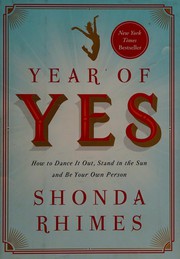
Year of Yes: How to Dance It Out, Stand in the Sun and Be Your Own Person
Shonda Rhimes takes her sister’s accusation seriously and spends a year saying yes to the things that frighten her, from live television to her own reflection.
2,585-word summary · 11 min read
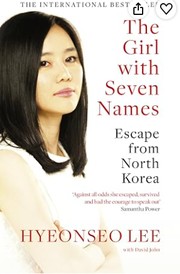
The Girl with Seven Names: A North Korean Defector's Story
Hyeonseo Lee crossed the frozen Yalu River at seventeen, spent years hidden in China, escaped to South Korea, and later returned to rescue her family.
2,404-word summary · 11 min read
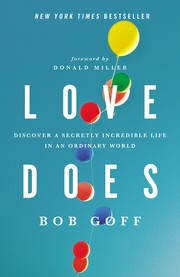
Love Does
A lawyer and activist tells stories of saying yes, showing up, and loving people through ordinary, often ridiculous actions.
2,411-word summary · 11 min read
Beautiful Boy: A Father's Journey Through His Son's Addiction
David Sheff recounts watching his son Nic slide into meth addiction, and his own desperate, humbling search for how to help without destroying them both.
2,076-word summary · 9 min read
The Magnolia Story
How Chip and Joanna Gaines met, closed their first shop, nearly lost everything in a housing development, and built Fixer Upper.
2,994-word summary · 13 min read
Lone Survivor: The Eyewitness Account of Operation Redwing and the Lost Heroes of SEAL Team 10
Marcus Luttrell's account of the 2005 SEAL mission in Afghanistan that killed three of his team and left him alone.
2,144-word summary · 10 min read
Life
The Rolling Stones guitarist tells his own story: a Dartford childhood, the band's first gigs, the drug raids, the tax years and Patti Hansen.
2,761-word summary · 12 min read
Dry
A memoir of drinking, rehab and relapse, and the strange business of getting sober one morning at a time.
2,643-word summary · 12 min read

Dear Girls: Intimate Tales, Untold Secrets & Advice for Living Your Best Life
Ali Wong's debut collects fourteen letters to her daughters, covering sex, money, work, marriage, Vietnam, and being a working Asian American mother.
2,266-word summary · 10 min read
Travels with Charley
Steinbeck drives across America with his poodle Charley, looking for the country he remembers and finding a place that has changed.
2,039-word summary · 9 min read
Smoke Gets in Your Eyes: And Other Lessons from the Crematory
A young medieval history graduate takes a job at an Oakland crematory and becomes a mortician, confronting the physical reality of death and the funeral…
2,003-word summary · 9 min read

Scrappy Little Nobody
Anna Kendrick's essays trace her path from a Portland childhood and Broadway to Hollywood, with jokes, anxiety, and a refusal to pretend fame fixed her.
2,092-word summary · 9 min read
Red Notice
An American financier in Moscow exposes a $230 million tax fraud, watches his lawyer die in prison, and turns the case into an international human rights law.
2,008-word summary · 9 min read
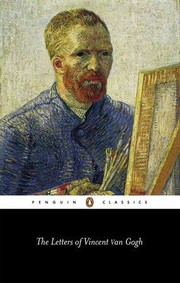
The Letters of Vincent van Gogh
Vincent van Gogh's letters to his brother Theo, in a Penguin Classics selection edited by Ronald de Leeuw, trace a decade of work, faith, and obsession.
2,611-word summary · 12 min read
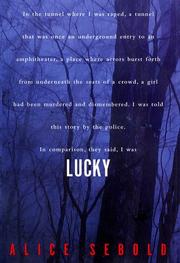
Lucky
Alice Sebold's memoir of the 1981 rape she survived as a college freshman, the courtroom that followed, and a conviction later proven to be a case of mistaken…
2,091-word summary · 9 min read
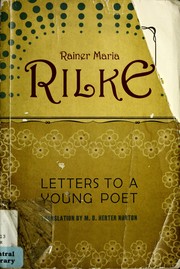
Letters to a Young Poet
Rilke's ten letters to a young officer cadet refuse easy criticism and ask whether he must write, offering patience and solitude as a way of life.
2,530-word summary · 11 min read
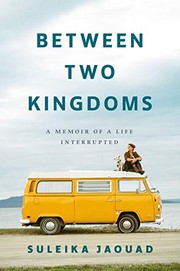
Between Two Kingdoms: A Memoir of a Life Interrupted
Diagnosed with leukemia at twenty-two, Suleika Jaouad survives treatment and then takes a 100-day road trip to meet the strangers who wrote to her.
2,311-word summary · 10 min read
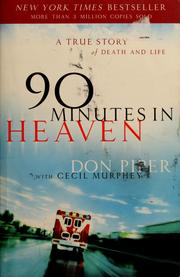
90 Minutes in Heaven: A True Story of Death and Life
A pastor declared dead at a 1989 crash scene describes ninety minutes he says he spent in Heaven, then thirteen months of surgeries, depression, and recovery.
2,246-word summary · 10 min read
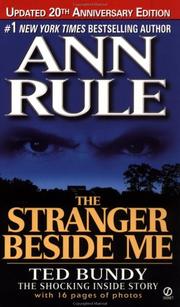
The Stranger Beside Me
Ann Rule's classic memoir of her friendship with Ted Bundy, written by the true-crime author who knew him long before the world learned what he had done.
2,481-word summary · 11 min read
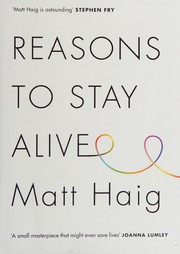
Reasons to Stay Alive
Matt Haig's memoir of the breakdown that nearly killed him at twenty four and the three years of unglamorous recovery that followed.
2,065-word summary · 9 min read
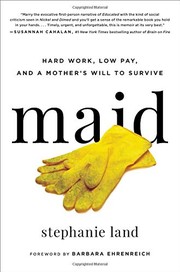
Maid: Hard Work, Low Pay, and a Mother's Will to Survive
Stephanie Land's memoir of cleaning houses as a single mother on the poverty line, and of the paperwork that made every step forward cost something else.
2,039-word summary · 9 min read
The War of Art
Pressfield names Resistance and urges daily professional work.
2,565-word summary · 11 min read
The History of the Hobbit, Part One: Mr. Baggins
Rateliff traces every draft of Bilbo from 1930 notes to print.
2,410-word summary · 11 min read