
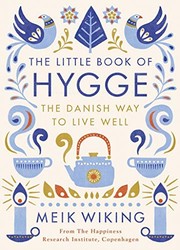
The Little Book of Hygge
2,582-word summary 11 min read 288 pages in the book
- First published
- 2016
- Publisher
- Penguin UK
- Pages
- 288
- ISBN
- 9780241283912
Reading options
What's inside (9 sections)
I picked up The Little Book of Hygge in late November, when my kitchen went dark by four in the afternoon and I was lighting candles just to make washing dishes feel less bleak. First published in 2016 by Penguin UK at 288 pages, this is a short, photo filled guide by Meik Wiking, who runs the Happiness Research Institute in Copenhagen. Denmark regularly lands near the top of happiness rankings, and Wiking wants to explain why. His answer is hygge, pronounced hoo-ga, a word with no clean English translation that points to coziness, presence, and low pressure togetherness. Think wool socks, soup steam, friends crowded around a table while rain hits the windows. I read it in three evenings with tea, and I came away charmed, a little skeptical, and more intentional about my own winter nights.
The opening chapters set up the paradox that made me keep reading. Danes have long dark winters, high taxes, and a reputation for reserve, yet they report high satisfaction with life. Wiking suggests part of the reason is cultural permission to slow down and make the dark months pleasant rather than something to endure. He walks through his own move to Copenhagen, small apartment rituals, bike rides home in cold air, and the relief of getting inside to warmth. He introduces the Happiness Research Institute work in plain language, surveys about mood and social connection, and stories from Danes about what a good evening looks like. The tone is friendly and personal, like a host showing you around. Photographs of fireplaces, knit blankets, and shared meals do a lot of the arguing. You feel the appeal before you analyze it.
Candles in a Copenhagen winter
Wiking starts with light because in Denmark light is scarce and precious for months. He writes about candles the way some people write about coffee, daily, a little ritualized, and tied to memory. Danes burn more candles per person than most countries, often in the evening rather than for special occasions. He links this to creating a soft circle where people relax and talk. I tried this part literally. For a week I turned off the overhead kitchen light and used two cheap pillar candles and a small lamp while cooking. Dinner felt slower. My partner and I stayed at the table longer. It cost almost nothing. That small experiment sold me more than any survey chart.
He also talks about coning down electric glare, grouping low warm lamps instead of one bright ceiling fixture, and keeping a reading corner that invites you to sit. None of this requires a remodel. A thrift store lamp shade, a blanket on a chair, a stack of books within reach. I liked that the advice stays practical for renters. He does mention design shops and pretty ceramics, and here is where a careful reader should pause. Some photos show lovely homes that look expensive. Wiking says hygge is not about buying things, and I believe he means it, yet the visual message can feel tied to a certain tidy Scandinavian style. My apartment with mismatched mugs still worked, but I had to consciously ignore the styling and focus on the behavior, dimmer light, fewer phones, more time.
The chapter on candles also touches on smell and sound. Fresh bread, coffee, wood smoke, faint music rather than television shouting in the background. He suggests leaving phones in another room during hyggelig time, which means time that feels warm and connected. I found that rule harder than the candles. The first night I kept reaching for my pocket. By the third night the quiet felt less strange. We talked about small things, work gripes, weekend plans, a funny thing the neighbor said. Nothing profound. That is the point. Hygge asks you to treat ordinary talk as enough.
Togetherness without performance
The heart of the book, for me, is the section on togetherness. Wiking contrasts hosting as performance with hosting as shelter. Performance hosting is perfect food, perfect house, stressed host checking scores. Shelter hosting is soup that can wait, people helping chop, no one apologizing for clutter. He describes Danish gatherings where guests contribute, where dress is casual, where the evening has no agenda beyond staying a while. He writes about equality in conversation, making room for quiet people, letting stories wander. That rang true from my own life. My best nights have rarely been the fancy dinner parties. They have been the pot of chili when friends stayed past ten because no one wanted to go back out into the cold.
He gets specific about rituals that help groups relax. Board games, puzzles left out on a table, walks after dinner, cooking together rather than one person trapped in the kitchen. He talks about traditions across the year, summer picnics, autumn soups, December gatherings that stretch for hours. Food appears often, but as a reason to linger rather than to impress. Open sandwiches, slow roasts, rice pudding, cakes to share, hot drinks refilled without comment. I appreciated that he includes people who live alone too, suggesting ways to make solo evenings feel cared for rather than lonely. A bath, a novel, good bread and cheese, writing letters. It never feels preachy about family size or marital status, which is a quiet strength.
There are limits here that Wiking names partly and that readers should name more firmly. Hygge togetherness works best among people who already trust each other. It assumes you have friends nearby, time off in the evening, a safe home. For shift workers, new parents with fractured sleep, or newcomers in a city with no circle yet, the advice to just gather can sting. Wiking does suggest joining clubs and volunteering, and Danish associational life is real, but the book moves past the hard part of building community from zero. I wished for more on that first awkward invitation, how to start when you know almost no one. Still, the direction is right. Lower the bar, share simple food, let people stay.
Food and drink that slow the night
The food chapters read like a love letter to comfort cooking. Wiking is clear that hygge is not health food in the modern sense. It includes pastries, rich stews, roasted meats, candy, mulled wine, strong coffee with cream. He frames this as pleasure without guilt, especially in winter, paired with daily biking and walking that Danes do as transport. I am American and read this with mixed feelings. On one hand, the permission to enjoy cake with friends without tracking every bite felt humane. On the other, the health context is different in Denmark, with more active commuting and different food systems. Copying the cake without the walking misses the balance.
What I took and kept were the practices around meals. Make food that can sit warm while people arrive late. Serve family style so seconds feel easy. Keep a sweet thing for the table even on weeknights. One idea I liked was the cake watch, an informal pause in the day for cake and coffee with coworkers or family. I tried a Friday version with neighbors, store bought apple cake, paper plates, twenty minutes on the porch with coats on. Three people came the first week. Six the next. No one talked about happiness. We talked about school buses and leaky gutters. It was pleasant in a way that felt durable.
He also writes about drink with a light hand. Beer, wine, and aquavit appear at celebrations, but the emphasis stays on warmth and moderation rather than excess. Hot chocolate for kids, tea for late nights, coffee as a social anchor. Readers who do not drink will not feel excluded, which matters. Readers watching sugar or alcohol will need to adapt rather than adopt. I did. I kept the lingering table, swapped in vegetable soup and seltzer more often, saved the rich desserts for weekends. The book allows that flexibility even if it does not spell out meal plans. Think pattern, not prescription.
Home as a nest rather than a showroom
Wiking devotes a lot of pages to home, and this is where the photographs carry weight. Wood textures, soft textiles, books piled where hands can reach them, window seats, fireplaces or candle clusters where fireplaces are impossible. He introduces the idea of a hyggekrog, a nook where you can curl up with a blanket and look out. I made one without spending much, cleared a chair by the window, added a thrift blanket, moved a lamp closer, put a small basket for books and mending. My kid claimed it within a day. That tells you something about how little it takes to change how a room feels.
He talks about touch and memory in rooms. Handmade items, gifts from friends, worn wooden spoons, photos that mean something. The point is that a home that shows your history calms you more than a perfect catalog room. I found this freeing after years of feeling behind on decor. He also warns gently against harsh lighting and clutter that creates low level stress. Not minimalism as a moral code, just enough order that you can relax. I spent one Saturday clearing the dining table completely, putting mail in a box, leaving only candles and a plant. Eating there that night felt different, less like an office and more like a table.
The fair criticism is that Danish housing norms shape this advice. Many Danes have stable rentals or owned flats, district heating that works, safe streets to bike home. Readers dealing with thin walls, roommates, high heat bills, or frequent moves may find the nest image distant. Wiking nods to small spaces and budgets, suggesting textiles, light, and rearrangement over renovation. That helps, but only partly. I would have liked a chapter written with a single parent in a one bedroom or students sharing a kitchen, showing hygge under tighter constraints. Without that, part of the book can read as advice from a comfortable center. Useful, kind, but partial.
What studies show and what they miss
As head of a happiness institute, Wiking leans on surveys. He cites work linking social connection, feelings of safety, and time spent with close others to higher life satisfaction. He describes experiments around lighting, taste, and mood, and Danish survey data on winter well being. Reading as a layperson, I found the research summaries clear and modest in tone. He does not pretend a candle raises national happiness scores by itself. He argues small repeated pleasures plus trust plus time together add up. That rings true to my experience and to broader work on friendship and health.
Still, a skeptical reader should keep two cautions in mind. First, correlation is not proof. Countries that score high on trust and security may both enjoy cozy rituals and report higher satisfaction for deeper structural reasons, parental leave, health care access, lower inequality, safer streets. Hygge might be an expression of security as much as a cause. Wiking acknowledges social trust, but the book foregrounds the charming rituals because those photograph well and are actionable. Second, self report surveys are noisy. People answer based on norms about how they should feel. Danes may value contentment and report it readily. That does not make the findings false, but it means a reader in very different conditions should not expect the same lift from candles alone. Take the practices, hold the causal claims lightly.
I also wanted more on who is missing from the data. Denmark is a small, relatively homogeneous country, and the classic hygge image centers ethnic Danish family life. Immigrants, minorities, and Danes with less money may experience the same society differently. Wiking includes brief notes on inclusion and invites readers to widen the circle, which I appreciated. Yet the bulk of anecdotes come from comfortable insiders. A stronger second edition would seek out stories from newcomers, night shift nurses, and young renters in small towns, asking what warmth looks like when money and time are short. That would make the research feel lived in rather than averaged.
Where the book frays and why I still share it
No honest retelling should skip the flaws. The Little Book of Hygge repeats itself. Light, warmth, food, friends, and calm return in slightly new phrasing across chapters. At 288 pages with many photos, the text reads fast, but even so you will notice loops. Some tips feel obvious once stated, turn off big lights, eat together, put the phone away. Readers looking for new theory will be disappointed. This is a primer and a mood book, not a deep study. If you want methods and tables, go to Wiking's longer reports or academic work on social connection. If you want a nudge toward softer evenings, stay here.
The commercial edge bothered me at times. Hygge became a marketing word after 2016, stamped on socks and candles. Wiking warns against buying your way in, and to his credit the text keeps saying presence matters more than products. Even so, a beautiful book about simplicity sold worldwide sits inside that same market. I felt the tension while admiring my own candle glow. If an idea required a purchase, I tried a free version first. Rearrange, borrow, dim, invite. Most worked.
So who should read it. If winter lowers your mood, if hosting stresses you, if your evenings dissolve into feeds and errands, this book offers a gentle reset. Read it with a pencil. Mark two or three rituals you will actually try, a lamp change, a weekly soup night, a phone free hour. Skip what does not fit your budget or health. Pair it with a friend so you can compare notes. At 288 pages from Penguin UK, it asks for little time and returns a few durable habits. I still light those kitchen candles. I still keep the chair by the window clear. Small things, repeated, have made cold months kinder. That is a modest claim, and the book is best when it stays modest.
A Danish word for ordinary care
Late in the book Wiking returns to language. Hygge resists translation because it names a feeling plus a setting plus an attitude. Safe, low stakes, shared, present. He traces cognates and cousins in Norwegian and German, notes how Danes use the word as noun, verb, and adjective, and suggests English speakers should not fuss over spelling. I liked that humility. He is not selling a secret. He is pointing at something many cultures already know under other names, Sunday suppers, long teas, stoop sitting, night walks after dinner. Denmark gave it a short name and built winter around it.
What stays with me is not a rule but an image. Snow half melted on boots by the door, soup on the stove, friends who do not need entertaining, light pooled low over the table while the rest of the room stays dim. Nobody performing. Nobody rushing. I have started to protect one night a week for that shape, even if the food is simple and the group is small. Some weeks it fails. Phones creep back. Work runs late. The candles sit unlit. The book does not scold for that. It just leaves the chair ready. Reading The Little Book of Hygge felt like being handed permission to care for ordinary hours. In a dark season, that permission mattered more than I expected when I first picked it up for the cover.
FAQ
When was The Little Book of Hygge published?
It was first published in 2016 by Penguin UK at 288 pages. Wiking leads the Happiness Research Institute in Copenhagen.
What is a simple way to try hygge at home?
Dim the overheads, add low lamps and candles, share simple food, and keep phones away for an hour. Small repeats matter more than shopping.
Does the book work outside Denmark?
Yes, with changes. Keep the lingering table and soft light, adapt rich foods and costly decor to your budget, health, and housing.
Similar books
Year of Yes: How to Dance It Out, Stand in the Sun and Be Your Own Person
Shonda Rhimes takes her sister’s accusation seriously and spends a year saying yes to the things that frighten her, from live television to her own reflection.
2,585-word summary · 11 min read

The Magic of Thinking Big
Schwartz's 1959 self-help classic argues that success follows from the size of your thinking, supported by sales anecdotes, vocabulary drills and goal setting.
2,579-word summary · 11 min read
Big Magic
Gilbert on creative living past fear: ideas that visit, permission without credentials, daily work, finished over perfect, and trust in curiosity.
2,984-word summary · 13 min read

Eat, Pray, Love
Eat, Pray, Love retold: divorce, Italy for pleasure, India for practice, Bali for balance.
1,962-word summary · 9 min read

What Happened to You?
Oprah Winfrey and psychiatrist Bruce Perry explain how early experience shapes the brain, and why asking what happened to someone works better than asking what…
2,238-word summary · 10 min read

The Courage to Be Disliked: The Japanese Phenomenon That Shows You How to Change Your Life and Achieve Real Happiness
A philosopher and an angry young man argue over five nights about Adlerian psychology, trauma, approval, and the freedom to be disliked.
2,054-word summary · 9 min read

Moonwalking with Einstein: The Art and Science of Remembering Everything
A journalist spends a year training for the U.S. Memory Championship and discovers that extraordinary memory is mostly technique, attention, and a lot of…
2,027-word summary · 9 min read

The Total Money Makeover: A Proven Plan for Financial Fitness
Dave Ramsey lays out seven Baby Steps, from a $1,000 starter fund to a paid-off house, with the debt snowball at the center.
2,663-word summary · 12 min read

Down and Out in Paris and London
Orwell's account of washing dishes in Paris hotels and tramping through London does not ask for pity, only for a clear look at how poverty actually works.
2,282-word summary · 10 min read

Love Does
A lawyer and activist tells stories of saying yes, showing up, and loving people through ordinary, often ridiculous actions.
2,411-word summary · 11 min read
Don't Sweat the Small Stuff ... and It's All Small Stuff: Simple Ways to Keep the Little Things from Taking Over Your Life
Richard Carlson’s 1997 bestseller offers one hundred short chapters on lowering the volume on daily irritations, and it is more pragmatic than its title…
2,502-word summary · 11 min read

Made to Stick: Why Some Ideas Survive and Others Die
The Heath brothers break down why some ideas vanish on contact while others lodge in memory, tracing six traits that make a message stick.
2,527-word summary · 11 min read
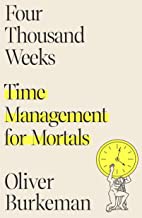
Four Thousand Weeks: Time Management for Mortals
Oliver Burkeman turns the whole productivity project on its head, arguing that a human lifespan of roughly four thousand weeks is not a problem to optimize…
2,447-word summary · 11 min read
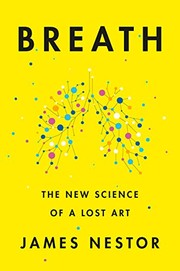
Breath: The New Science of a Lost Art
Journalist James Nestor investigates how modern humans learned to breathe badly, and what researchers, athletes, and breathwork practitioners have found about…
2,011-word summary · 9 min read

Dear Girls: Intimate Tales, Untold Secrets & Advice for Living Your Best Life
Ali Wong's debut collects fourteen letters to her daughters, covering sex, money, work, marriage, Vietnam, and being a working Asian American mother.
2,266-word summary · 10 min read

Travels with Charley
Steinbeck drives across America with his poodle Charley, looking for the country he remembers and finding a place that has changed.
2,039-word summary · 9 min read
The Road Less Traveled: A New Psychology of Love, Traditional Values and Spiritual Growth
M. Scott Peck argues that maturity begins with accepting difficulty, then builds discipline, love, and spiritual growth through honest, often painful work.
2,200-word summary · 10 min read

Attached
A psychiatrist and a psychologist explain adult attachment styles and show how anxious, avoidant, and secure patterns shape dating, conflict, and the search…
2,157-word summary · 10 min read
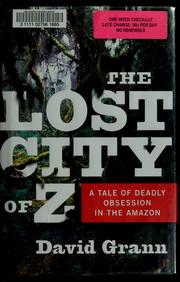
The Lost City of Z: A Tale of Deadly Obsession in the Amazon
David Grann retraces Percy Fawcett's 1925 disappearance in the Amazon and finds that the lost city he sought was not entirely a fantasy.
2,493-word summary · 11 min read

All About Love: New Visions
bell hooks borrows a definition of love as an action rather than a feeling, then spends thirteen chapters showing how hard it is to practice.
2,385-word summary · 11 min read
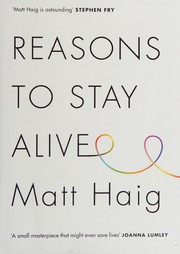
Reasons to Stay Alive
Matt Haig's memoir of the breakdown that nearly killed him at twenty four and the three years of unglamorous recovery that followed.
2,065-word summary · 9 min read
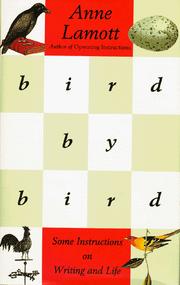
Bird by Bird
Anne Lamott's 1994 book on writing and life: shitty first drafts, the one-inch picture frame, and quieting the inner critic so you can take it bird by bird.
2,592-word summary · 12 min read
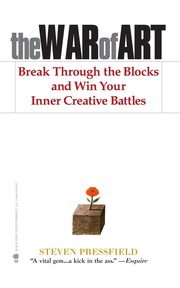
The War of Art
Pressfield names Resistance and urges daily professional work.
2,565-word summary · 11 min read

The Artist's Way: A Spiritual Path to Higher Creativity
A twelve week course with morning pages and artist dates to recover creativity.
2,345-word summary · 10 min read
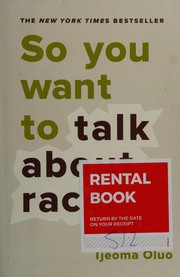
So You Want to Talk About Race
Oluo gives plain rules for talking about race at work and home.
2,597-word summary · 12 min read
How to Stop Worrying and Start Living
Carnegie offers day-tight routines for worry built from interviews and worker stories.
2,505-word summary · 11 min read
Dare to Lead
Research on courage shows how leaders build trust through vulnerability and clear values.
2,442-word summary · 11 min read
10% Happier
An ABC newsman panics on air, then finds meditation without losing his edge.
2,590-word summary · 12 min read

Notes from a Small Island
Bill Bryson's 1995 farewell tour of Britain, funny and fond, from Dover to London, the north, Scotland and Wales.
2,301-word summary · 10 min read

In a Sunburned Country
Bryson revisits Australia by city walks and long trains, with reef trips, critter comedy, and explorer history.
2,387-word summary · 11 min read