
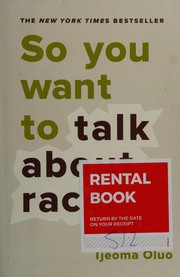
So You Want to Talk About Race
2,597-word summary 12 min read 256 pages in the book
- First published
- 2018
- Publisher
- Seal Press
- Pages
- 256
- ISBN
- 9781580056779
Reading options
What's inside (8 sections)
I picked up So You Want to Talk About Race because I kept messing up the same talk. A coworker made a joke about names being hard to pronounce. I laughed in an uneasy way, then felt bad for days. Later a family member asked me why everything has to be about race, and I froze. I wanted plain rules, not slogans. This book by Ijeoma Oluo, first published in 2018 by Seal Press, 256 pages in the hardcover edition, gave me that. It is direct, funny in a dry way, and firm about where talk stops and action has to start.
Oluo is a writer and speaker based in Seattle. She has written about race for years and raised biracial sons with a white mother of her own, and she brings all of that into the pages. Each chapter is titled as a question she kept getting online and in person. Is it really about race. What is racism. Why am I always told to check my privilege. Why cannot I say the N word. I just got called racist, what do I do now. That setup makes it easy to dip in, though I read it straight through and found the order builds.
My take after finishing: this is a talk manual with a spine. It tells you how to start, what to avoid, and why comfort cannot be the goal. It also admits talk alone changes little. If you want history alone, look elsewhere. If you want scripts you can use at work and at home, this is one of the most useful books I have read on the topic.
A different way to define racism
Oluo starts by clearing the floor. She asks whether it is really about race, and her answer is that yes, race shapes far more of American life than most white people notice. She points to school discipline gaps, hiring gaps, housing patterns, and policing outcomes as signs that this is not about a few bad people. It is about systems that repeat results even when no one in the room thinks they are being unfair.
That leads to her working use of racism. She treats it as prejudice plus the backing of systems and institutions that give that prejudice weight. A person of any race can hold prejudice. But in the United States, anti Black racism carries the force of law, lending, schooling, and policing history behind it in a way that prejudice against white people does not. I found that framing clarifying. It moves the talk from who is a good person to what outcomes keep repeating and why.
She also spends a chapter on intersectionality, a term coined by Kimberle Crenshaw that Oluo explains in plain terms. The idea is that race, gender, class, disability, and sexuality overlap, so a Black woman faces a different mix of barriers than a Black man or a white woman. Oluo writes about being a Black woman, a single mother for a time, working class in a costly city, and how advice that ignores those overlaps misses her life. She asks readers to listen for the specific mix in front of them instead of treating race as one flat box.
A small moment stuck with me. She describes well meaning people telling her they do not see race. She reads that as erasure, not kindness, because it asks her to leave out parts of herself that shape her days. Seeing race, in her use, means noticing how it affects rent, school calls, traffic stops, and doctor visits, then acting like that difference is real.
Privilege, police brutality, and affirmative action
The chapter on checking your privilege is the one I most needed. Oluo says the phrase has become a weapon in fights, which helps no one. She reframes privilege as the absence of a barrier, not proof of an easy life. A white poor person still faces class barriers. A white woman still faces sexism. But they do not face the added barrier of anti Black racism on top. Thinking in terms of missing barriers made the idea click for me where graph style lectures never did.
Her police brutality chapter is blunt and sad. She walks through why Black parents give their kids careful scripts for stops, why compliance does not always bring safety, and why video after video has left many Black Americans grieving in public. She notes how fast such talks turn to the victim's past, as if a record or a blunt photo could justify force. She asks readers to keep focus on the act in front of them and the pattern around it, not the victim's resume.
On affirmative action, she pushes back on the claim that it steals spots from more deserving students. She reviews how legacy admits, donor admits, and well funded test prep already tilt the field, and argues that race conscious policy tries to correct for deep tilts rather than create new ones. You do not have to agree with every line to get the use of the chapter. It gives you facts to bring when someone says merit alone already rules admissions.
The school chapter pairs well with that. Oluo writes about her sons navigating Seattle schools, dress codes applied unevenly, and discipline that escalates fast for Black kids. She suggests concrete moves for parents and teachers. Learn names. Pronounce them right. Ask what happened before assigning motive. Track who gets suspended for the same act. Those small checks felt doable in a way grand plans often do not.
What I liked across these chapters is tone. Oluo is firm without performing calm for white comfort. She says she is tired, sometimes angry, and still willing to talk if the other person shows up ready to listen. That honesty made me trust her rules more than a softer book would have.
Hair, jokes, appropriation, and words you cannot take back
The middle of the book handles culture in daily life, and this is where I marked pages for work. Oluo has a chapter on touching Black hair and commenting on it. She explains why asking to touch, or petting without asking, feels dehumanizing even when meant as praise. Hair carries history, cost, time, and workplace penalties. Her rule is simple. Do not touch without clear yes. Do not make it a meeting topic. Compliment work, not texture, and move on.
Cultural appropriation gets a careful split from appreciation. Borrowing with credit, payment, and respect is different from taking a look for profit while the people who made it get mocked for the same look. She uses examples from fashion and music where braids or slang earn praise on white stars and punishment for Black kids. Her test questions help. Who profits. Who gets named. If the answers tilt one way, skip it.
Then there is the N word chapter, which many readers will open first. Oluo is clear. If you are not Black, do not say it, not in lyrics, not in jokes, not when quoting. She reviews the history of the slur as a tool of terror, not just insult, and says context does not clean it in white mouths. She also addresses the common reply about Black people using it among themselves. Her point is that in group reclaiming does not grant out group license. I found her line useful at home: you do not need to say a word to discuss a word. Say the N word when you mean the term, and keep the slur out of your mouth.
The model minority myth chapter widens the lens. Oluo explains how praising Asian Americans as a quiet success story has been used to shame Black and Latino people and to hide real needs among Asian groups. It pits groups against each other while leaving white advantage untouched. She urges readers to learn the distinct histories behind these gaps instead of ranking pain.
Microaggressions get their own chapter too. Small cuts like asking where are you really from, or praising clear English, or clutching a bag. Each alone looks minor. Repeated daily, they drain. Oluo asks readers to believe the pattern when someone names it, to apologize without a speech about intent, and to change the habit. Impact over intent became my sticky note from this section. Saying I did not mean it that way ends the talk. Asking what landed and fixing it continues it.
What to do when you get called racist
Most how to talk books skip the hot moment. Oluo does not. She has a chapter for the reader who just got called racist and wants to defend fast. Her advice runs against instinct. Pause. Do not cry to force comfort. Do not list Black friends. Do not demand a lesson on the spot. Ask what happened, listen, repeat back what you heard, and take time to check before you reply with defense.
I tried parts of this after a tense call where I spoke over a coworker of color. My first urge was to explain my intent in three paragraphs. Instead I wrote two lines. I heard that I cut her off and took the floor. I am sorry. I will watch for it. The reply was short, but the next meeting went better. Small, I know. Still, it showed me why Oluo spends so long on process. Good intent without changed pattern is just noise.
She also covers talking about race with people who share your race. White readers often ask how to call in a white uncle or boss without blowing up dinner or work. Oluo suggests setting a goal before you speak. Are you trying to change a vote, stop a joke, or protect a target in the room. Pick one. Use plain facts tied to the moment. Name the act, not the soul. I will not repeat that joke at our table lands better than you are a bigot and ends the night.
For readers of color, she offers a different set of notes. You do not owe every teachable moment. You can leave. You can charge for labor at work instead of giving it free. You can ask white allies to handle their own kin. As a white reader, I read those pages as instruction to stop leaning on the same two coworkers for free lessons.
Two rules anchor the whole book for me. Stay on topic when race is the topic. Class and gender matter, but swapping them in to dodge race stalls the talk. And do not tone police grief to earn your comfort. If someone is angry about a killing or a firing, let the anger sit while you address the facts. Comfort comes after repair, not before.
Talk is great, but what else can I do
The last chapters ask the question I carried throughout. Is talk enough. Oluo says no, plainly. Talk is the start that makes action possible. Without it, donations and marches float free of the people they claim to help. With only talk, nothing shifts in budgets, hiring, or law.
She lists moves scaled to real lives. At work, push for clear salary bands, posted promotion rules, and review of who gets stretch roles. Mentor across race with time and introductions, not just praise. At school, show up to board meetings where discipline policy and tracking get set. Back funding that follows need. At home, buy from Black owned shops as habit, not event. Give money to local groups led by the people affected. Vote in local races where sheriffs, judges, and school boards shape daily outcomes more than national slogans do.
She also warns against savior mode. Do not center yourself in someone else's campaign. Ask who leads, then ask what they need. Show up when cameras are off. Keep showing up after the hashtag fades. That part stung a little. I thought of books I posted about and never followed with cash or hours. I made a short list while reading and put two monthly gifts back on after years off.
The chapter on hating a specific public figure, framed as what if I hate Al Sharpton, makes a wider point about representation. No one person speaks for a whole race. Disliking one leader does not excuse dismissing a movement. Judge claims, check records, and do not ask one voice to carry millions. It is a short chapter but useful when talks collapse into talk about personalities.
Oluo closes by urging readers to fear unexamined racism more than being named in a hard talk. Being called out hurts. Staying blind hurts others more. That line sounds stern on its own. In context, after 200 pages of scripts and stories, it reads as care. She wants readers in the room, not performing from the door.
Fair notes, limits, and who should read it
I want to give fair criticism where the book earns it. First, pace. The middle chapters repeat the core rules a lot. Stay on topic. Believe patterns. Center impact. Repeat, repeat. I agree with the rules, and I still skimmed a few pages because the phrasing circles. Readers who read straight through may feel it more than those who dip by question.
Second, scope. This is a United States book, rooted in Black American experience, Seattle schools, and American law. Oluo says so herself. Readers elsewhere will need to translate. Housing rules, policing rules, and school funding work differently in other countries. The talk tools travel well. The policy facts often do not. That is not a flaw, just a limit to name.
Third, heat. Oluo is blunt about white defensiveness, white feminism that sidelines race, and liberal spaces that praise diversity while punishing Black honesty. Some white readers will feel called out and close the book early. I think that is the point working as designed, but it means this book lands best with readers willing to sit with discomfort for a few nights. If you need a gentler on ramp, you may want to pair it with a memoir first, then return here for rules.
Who is it for. Anyone who manages people, teaches, parents across race, or argues at family tables. I would hand it to a new manager before their first review cycle, to a teacher before parent night, to a friend who keeps asking good faith questions in bad moments. It is also strong for book groups, since each question chapter can carry a night on its own. Bring one story from work and one rule you will try.
What stayed with me a week later is small and practical. Learn and use names. Do not touch hair. Do not say the slur to discuss the slur. Pause when called out. Write the apology in two lines, then change the pattern. Track who gets second chances in your room. Put money where your talk is. None of that sounds grand. Added up across a team or a school, it is how culture shifts.
I finished with more skill and less excuse, which is what I asked for at the start. Oluo does not promise that hard talks will feel good. She promises they can be clear, honest, and tied to action if you practice. That feels true to my last month. My talks are still clumsy. They are shorter and more on topic than before. I will take that as progress and keep the book close for the next time I want to freeze. Now I have lines to use instead.
FAQ
Can I read just one chapter of So You Want to Talk About Race?
Yes. Each chapter answers one common question, so you can read the privilege or hair chapter alone and still get clear rules.
When was the book published, and which edition is cited here?
It was published in 2018 by Seal Press. The hardcover runs 256 pages and the widely cited hardcover ISBN is 9781580056779.
Does Oluo think conversation alone fixes racism?
Oluo says talk alone is not enough. She urges clear hiring rules, school board action, local votes, and steady money and time for led groups.
Similar books

Why I'm No Longer Talking to White People About Race
Reni Eddo-Lodge traces black British history and shows how institutions, culture, and everyday assumptions keep producing racial inequality.
2,071-word summary · 9 min read
The Fire Next Time
Baldwin writes his nephew and faith on race in America.
2,463-word summary · 11 min read

PostSecret
Warren curates anonymous postcard secrets into art about love and shame.
2,001-word summary · 9 min read
Football
Klosterman asks why America worships football on Sunday television and argues the sport will lose its crown within sixty years.
2,219-word summary · 10 min read
White Fragility: Why It's So Hard for White People to Talk About Racism
DiAngelo's 2018 bestseller on why cross-racial talk about racism stalls, and what white readers can practice instead.
2,904-word summary · 13 min read
Same Kind of Different as Me
An art dealer and a formerly homeless sharecropper tell the story of the friendship that began at a Fort Worth mission and the woman who insisted on it.
2,023-word summary · 9 min read

Dear Girls: Intimate Tales, Untold Secrets & Advice for Living Your Best Life
Ali Wong's debut collects fourteen letters to her daughters, covering sex, money, work, marriage, Vietnam, and being a working Asian American mother.
2,266-word summary · 10 min read
The Blind Side: Evolution of a Game
Michael Lewis traces how the left tackle became a premium position and tells the story of Michael Oher, a homeless Memphis teenager whose size and speed made…
2,038-word summary · 9 min read
Scrappy Little Nobody
Anna Kendrick's essays trace her path from a Portland childhood and Broadway to Hollywood, with jokes, anxiety, and a refusal to pretend fame fixed her.
2,092-word summary · 9 min read
Native Son
Richard Wright's landmark novel follows Bigger Thomas through one panicked night in Chicago and the manhunt, trial and reckonings that follow, exposing the…
2,265-word summary · 10 min read
What the Dog Saw and Other Adventures
Nineteen New Yorker essays on pitchmen, ketchup, Enron, profiling, late bloomers and the limits of prediction, arranged in three parts.
2,049-word summary · 9 min read
The Warmth of Other Suns
Three migrants ride north out of Jim Crow toward Chicago and LA.
2,561-word summary · 11 min read
The New Jim Crow: Mass Incarceration in the Age of Colorblindness
How mass incarceration became a racial caste system after civil rights.
2,413-word summary · 11 min read
The Little Book of Hygge
Denmark happiness researcher tours candles, cake and cozy winter light.
2,582-word summary · 11 min read

My Horizontal Life: A Collection of One-Night Stands
Handler turns dating disasters and family chaos into brash comic essays about single life in Los Angeles.
2,304-word summary · 10 min read
How to Be a Woman
Moran mixes girlhood and work stories into plain feminist advice.
2,600-word summary · 12 min read
Hidden Figures
Black women computers at Langley launch rockets past Jim Crow.
2,385-word summary · 11 min read
Eats, Shoots & Leaves
Truss defends commas with jokes about pandas and posters.
2,423-word summary · 11 min read
How to Be an Antiracist
Kendi blends memoir and history to argue that fair policy, not self fixing, creates an equal society.
2,513-word summary · 11 min read
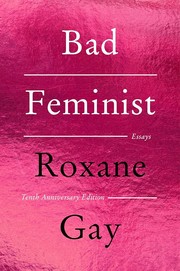
Bad Feminist
Gay mixes memoir and pop culture criticism to argue for imperfect feminism, from Sweet Valley to Django to Fifty Shades.
2,493-word summary · 11 min read
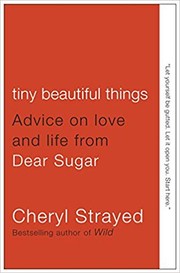
Tiny Beautiful Things: Advice on Love and Life from Dear Sugar
Dear Sugar answers letters on love, grief, and work with tough empathy drawn from her own losses.
2,253-word summary · 10 min read
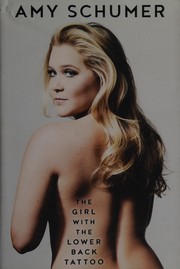
The Girl with the Lower Back Tattoo
Amy Schumer mixes raunchy jokes with frank essays on family, dating, body image, and the shooting that pushed her into gun control advocacy.
2,259-word summary · 10 min read
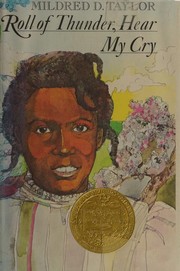
Roll of Thunder, Hear My Cry
In Depression-era Mississippi, nine-year-old Cassie Logan learns what her Black family's land costs and why they keep it.
2,273-word summary · 10 min read
Not That Kind of Girl: A Young Woman Tells You What She's Learned
Girls creator Lena Dunham's essays on work, bodies, love, and family, frank and funny with uneven edges.
2,156-word summary · 10 min read
The Anthropocene Reviewed: Essays on a Human-Centered Planet
John Green reviews ordinary parts of human life on a five-star scale, turning geese, keyboards, and sunsets into a warm memoir about attention.
2,982-word summary · 13 min read
On Morrison
Serpell reads Morrison novel by novel, from The Bluest Eye to Beloved, showing how her sentences, plots, and jokes really work.
2,306-word summary · 10 min read
Caste: The Origins of Our Discontents
Wilkerson argues America runs on a hidden caste system, tracing eight pillars across the US, India, and Nazi Germany.
2,629-word summary · 12 min read
Calypso
Sedaris buys a Carolina beach house, grieves his sister Tiffany, tends his aging father, and turns illness and marriage into dry family comedy.
2,835-word summary · 13 min read
Are You There, Vodka? It's Me, Chelsea
Handler mines family, jail, dating, and travel for brash essays where oversharing is both joke and shield.
2,186-word summary · 10 min read
Just Mercy
A young lawyer defends Walter McMillian on Alabama death row and children in adult prisons.
2,232-word summary · 10 min read