
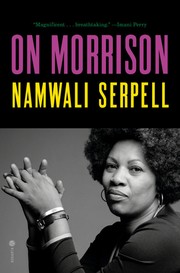
On Morrison
2,306-word summary 10 min read 384 pages in the book
- First published
- 2026
- Publisher
- Hogarth
- Pages
- 384
- ISBN
- 9780593732915
Reading options
What's inside (8 sections)
I came to On Morrison with a slightly guilty feeling. I have read Beloved twice and taught pieces of Sula to friends over coffee, but I still felt I was admiring Toni Morrison from a safe distance. Everybody quotes her. Few people slow down to explain how a Morrison paragraph actually turns. Namwali Serpell promises that slower look. The book came from Hogarth on February 17, 2026, a 384 page hardcover with ISBN 9780593732915, and it reads like a semester with a smart friend who also happens to write novels. Serpell was born in Lusaka and lives in New York. Her first novel The Old Drift won several prizes, her second novel The Furrows was a finalist for a National Book Critics Circle award, and she teaches English at Harvard where she offers a course on Morrison. That double role shapes every page. She writes as a novelist who steals tricks and as a teacher who wants you to see the trick work.
Her opening move is blunt. Morrison, she says, is our only truly canonical Black female writer, and the weight of that public role often hides the private skill. People reach for Morrison to settle arguments about history or goodness. Serpell wants us to reach for her to learn how fiction can bend. She calls the opening section Nobody knows, and she uses it to name the problem of difficulty. Morrison can feel hard. Sentences loop. Time slips. Speakers change without warning. Serpell argues that hardness is part of the design, not a fence around it. She asks us to stay inside confusion a little longer than comfort allows.
That framing helped me. I had always treated the hard parts as tests I was failing. Serpell treats them as invitations to reread. She keeps saying, in different ways, watch what the form is doing while the story hurts.
The Bluest Eye and the weight of absence
The chapter on The Bluest Eye surprised me most. I expected a summary of Pecola Breedlove, the young Black girl in Lorain, Ohio who wants blue eyes because she has learned to link lightness with love. Serpell gives that story, including the Dick and Jane primer that opens the novel in broken repetition, and the brutal assault by her father Cholly that ends any hope of rescue. But her focus is absence.
She points to what Morrison leaves out or refuses to explain. Claudia MacTeer narrates parts as a child and parts as an adult, and the shifts leave gaps. Soaphead Church writes his letter to God. The town looks away. Pecola talks to an imagined friend at the end while Claudia admits the community failed her. Serpell reads those holes as deliberate. Morrison will not give readers a clean cause or a courtroom speech that makes pain useful.
I found this convincing and a little uncomfortable. It is easier to call The Bluest Eye a sad story about racism and move on. Serpell insists it is also a made object with careful cuts. She shows how the primer sentences lose spaces and punctuation until a white schoolbook ideal becomes visual noise. That reading made me go back to the first pages and see them fresh.
One small complaint here. Serpell can pile close readings so fast that a newcomer may lose the plot thread. If you have never read the novel, keep a chapter summary open beside this section. The payoff is worth it, but she assumes you remember who Geraldine and Maureen Peal are without much reminder.
Naming Sula and the Bottom
The Sula chapter centers on naming, which sounds dry until Serpell connects it to friendship. Sula Peace and Nel Wright grow up in the Bottom, a Black neighborhood in Ohio perched on a hill above a white town, named with bitter irony because the land is poor and high. Nel marries into respectability. Sula leaves, returns, sleeps with Nel's husband Jude, watches her mother Hannah burn without rushing to help, and dies young while the town decides she was evil.
Serpell loves how Morrison lets Sula stay unexplained. Is Sula selfish or free. Is Nel loyal or timid. The novel refuses to vote. Serpell traces names and nicknames, dates that slide, and a plague of robins that may mean nothing or everything. She argues Morrison uses Sula to test what a community needs an outcast for.
What stuck with me was her point about humor. Sula has jokes tucked inside grief, like the town's National Suicide Day invented by Shadrack, a veteran who survived war and tries to bound death by giving it one day a year. Serpell reads Shadrack not as local color but as a rival artist figure, someone else trying to order chaos with ritual. I had always skimmed those passages. Now they seem central.
If you love character talk, this chapter sings. If you want history, you may wish she tied the Bottom more firmly to redlining and migration dates. She gestures at context but keeps her eyes on sentences.
Song of Solomon, Tar Baby and the games with white stories
The middle chapters widen the lens. In Signifying on Song of Solomon, Serpell follows Milkman Dead from Michigan to Pennsylvania and Virginia as he chases gold and finds family lore instead. She is good on flight as both image and sentence rhythm, and on Pilate, Milkman's aunt, who carries her name in her ear and her past without bitterness. Milkman learns to listen. Readers learn to reread earlier scenes where names sounded like jokes and turn out to be maps.
Tar Baby gets a bolder claim. Serpell reads the 1981 novel as a sly reply to the 1967 film Guess Who's Coming to Dinner. Jadine, a Black model educated in Paris, and Son, a drifter who hides on a white millionaire's Caribbean estate, replay an interracial romance plot but strip away the film's polite glow. The white Patrons mean well and control everything. The Black servants know more than they say. The swamp and the tar baby story from folklore pull Son backward while Jadine runs toward a career in Europe. Serpell argues Morrison is throwing shade at liberal pieties, showing how approval can still be ownership.
I laughed at parts of this chapter because Serpell enjoys catching Morrison being funny on purpose. She is also sharp on masks, on who performs for whom at dinner tables and job interviews.
Then comes Misreading Recitatif, which may be the most useful single essay for a general reader. Recitatif is Morrison's only published short story, from 1983, about Twyla and Roberta, two girls who meet in a shelter, meet again as adults, and argue about a disabled kitchen worker named Maggie. Morrison never states which girl is Black and which is white. Readers keep trying to decode it through food, hair, protests, and class clues. Serpell says that urge is the point. The story traps our sorting habit and lets us watch ourselves sort. She walks through common misreadings without shaming anyone, then shows how each reread flips the evidence.
That chapter alone justifies the book for book clubs. Read the story, which takes under an hour, then read Serpell. You will argue happily.
Beloved's possessions and Jazz, now
Beloved gets the longest treatment, as it should. Serpell calls the chapter Beloved's possessions, plural, and means it several ways. Sethe, who escaped slavery in Kentucky and killed her infant daughter rather than see her returned to Sweet Home, lives at 124 Bluestone Road with her daughter Denver. Paul D arrives from Sweet Home and tries to make a future. Then a young woman walks out of the water, calls herself Beloved, and drinks up Sethe's attention like milk. The house that was haunted becomes crowded.
Serpell is excellent on possession as grammar. Who owns whom. Who speaks. The middle section where Sethe, Denver, and Beloved blur voices gets a patient walkthrough. She does not smooth it. She counts pronouns and shows how Morrison forces readers to lose track, then find a darker track underneath about memory living in bodies and rooms.
She also brings archive work here. In Morrison's papers she finds notes that link Beloved to Wild, the feral girl glimpsed in Jazz. That discovery fuels the next chapter, Jazz, now. In Jazz, Joe Trace, a door to door salesman in Harlem, shoots his young lover Dorcas and then tries to mourn with his wife Violet, who had attacked Dorcas's corpse with a knife at the funeral. The narrator is chatty, jazzy, wrong at times, and Serpell loves that unreliability. She argues Jazz picks up Beloved's leftover girl and lets her run through the city as Wild, unclaimed and unclaimable.
This is thrilling if you like literary detective work. Serpell admits the evidence is suggestive rather than final, which I appreciated. She shows photos of notes and drafts without pretending a scribble equals proof. My quibble is pace. These two chapters run dense, with many characters and time jumps summarized quickly. Take them in two sittings. Mark who is speaking in the margins. You will retain more.
For readers who know Beloved only as a trauma monument, Serpell restores its strangeness. She reminds us Morrison wrote ghost scenes with wit and erotic charge as well as sorrow. Denver's growth, Paul D's tin box heart, Baby Suggs preaching in the Clearing, all get fresh attention without turning into lessons.
Paradise, A Mercy and playing in the shade
The later novels can feel like a march, but Serpell keeps them lively. Reckoning with Paradise tackles the 1997 novel about Ruby, an all Black town in Oklahoma founded on exclusion, and the nearby Convent of women living outside its rules. Nine men walk into the Convent on a July morning with guns. Serpell reads backward from that assault to show how Morrison builds parallel histories that refuse to merge. Ruby wants purity. The Convent women want shelter. Neither language translates cleanly.
Playing in the shade turns to Morrison's criticism, especially Playing in the Dark from 1992, plus her essays and lectures on race and narrative. This is where Serpell the professor is most at home. She explains Morrison's argument that American literature shaped itself around a silent Black presence, and she shows how Morrison practiced that critique inside her fiction by rewriting white genres from within. If you have avoided theory books, this chapter is a kind door in. Serpell uses plain terms and short examples.
A Mercy and other reprisals covers the late short novels A Mercy, Home, God Help the Child, and Love, with attention to Florens, a young enslaved girl in the 1680s who carves her plea on walls, and to the leaner prose of the final books. Serpell argues Morrison kept revising her own methods, compressing time and testing how little backstory a scene needs. She also folds in the lesser known dramatic works and poems, including the libretto work and stage collaborations that many readers skip. Dreaming Emmett, about Emmett Till, and the song cycles get respectful summaries rather than full stagings, which seems right for a book aimed at fiction readers.
I valued this stretch for making the late books sound worth a return trip. Many of us stop after Beloved or Jazz. Serpell makes a case that Paradise rewards patience and that A Mercy condenses Morrison's lifelong concerns about law, kin, and property into under two hundred pages.
How to use this book, and where it drags
So how should you actually read On Morrison. My advice is simple. Do not read it straight through in three nights unless criticism is your day job. Read a Morrison novel or story, then read Serpell's chapter. Keep a pencil. Argue in the margins. Serpell writes accessibly for an academic, but she still assumes comfort with terms like free indirect style and unreliable narrator. She defines them quickly and moves on. Beginners can follow her, yet they will need to pause.
What works best is voice. Serpell is warm without going soft. She admits when a passage baffled her as a student, then shows how teaching it for years changed her view. She jokes about her own earlier misreadings. That honesty lowers the pressure. You feel allowed to find Paradise confusing or Tar Baby prickly. She also writes well about race without reducing every choice to message. Her Morrison is an artist first, experimenting with voice, time, and point of view, who also never looks away from American violence.
The fair criticisms matter too. First, length and density. At 384 pages with notes and index, the book is rich but heavy in the middle. The Beloved and Jazz chapters stack insights until even keen readers may tire. Second, Serpell loves Morrison so much that outright disagreement is rare. She notes flaws, like slow stretches or tangled timelines, but she usually rescues them as purpose. A skeptic might want one chapter where she says plainly, this did not land for me and here is why. Third, newcomers get less plot help than they need. Names arrive fast. Timelines compress. A two page chronology of Morrison's novels at the front would have helped, though the chapter order mostly follows publication.
Still, I closed the book feeling better equipped. I understood why the Dick and Jane opening matters, why Sula's amorality unsettles towns and readers alike, why Recitatif still tricks smart people, why Beloved's voices merge, why Jazz needs a faulty narrator, and why the late books and plays extend rather than repeat the project. Tags that fit are nonfiction, criticism, literature, essays, morrison. If you shelve by use, put it beside your Morrison novels, not with general writing guides. Pull it down whenever a reread stalls. Serpell will point to the sentence where the stall was built, and then show you the door Morrison left ajar.
FAQ
When was On Morrison published?
It came from Hogarth on February 17, 2026. The hardcover runs 384 pages with ISBN 9780593732915.
Do I need to have read all of Morrison first?
You can, since each chapter centers on one Morrison book. Starting with The Bluest Eye or Beloved still makes sense if you know those plots.
Does Serpell really connect Beloved to Jazz?
Yes, in the archive sense. Serpell reports notes linking Beloved to the feral girl Wild in Jazz, which becomes a late highlight of the book.
Similar books
Sybil
A 1973 case study of a woman treated for multiple personalities, and the book that made dissociative identity disorder a household phrase.
2,054-word summary · 9 min read

Long Walk to Freedom
Mandela's account of a Thembu childhood, a law practice, a banned movement, twenty-seven years in prison, and the negotiation that ended apartheid.
2,454-word summary · 11 min read

Infidel
Ayaan Hirsi Ali's memoir of a Somali childhood, a forced marriage, a Dutch asylum claim, and the political fight that followed the murder of Theo van Gogh.
2,041-word summary · 9 min read

The Girl with Seven Names: A North Korean Defector's Story
Hyeonseo Lee crossed the frozen Yalu River at seventeen, spent years hidden in China, escaped to South Korea, and later returned to rescue her family.
2,404-word summary · 11 min read
The Wright Brothers
David McCullough tells the story of two self-taught Ohio brothers, working largely alone and out of a bicycle shop, who solved the problem of flight before…
2,027-word summary · 9 min read
Life
The Rolling Stones guitarist tells his own story: a Dartford childhood, the band's first gigs, the drug raids, the tax years and Patti Hansen.
2,761-word summary · 12 min read

Dear Girls: Intimate Tales, Untold Secrets & Advice for Living Your Best Life
Ali Wong's debut collects fourteen letters to her daughters, covering sex, money, work, marriage, Vietnam, and being a working Asian American mother.
2,266-word summary · 10 min read
The Blind Side: Evolution of a Game
Michael Lewis traces how the left tackle became a premium position and tells the story of Michael Oher, a homeless Memphis teenager whose size and speed made…
2,038-word summary · 9 min read

Scrappy Little Nobody
Anna Kendrick's essays trace her path from a Portland childhood and Broadway to Hollywood, with jokes, anxiety, and a refusal to pretend fame fixed her.
2,092-word summary · 9 min read
The Letters of Vincent van Gogh
Vincent van Gogh's letters to his brother Theo, in a Penguin Classics selection edited by Ronald de Leeuw, trace a decade of work, faith, and obsession.
2,611-word summary · 12 min read
What the Dog Saw and Other Adventures
Nineteen New Yorker essays on pitchmen, ketchup, Enron, profiling, late bloomers and the limits of prediction, arranged in three parts.
2,049-word summary · 9 min read
The Stranger Beside Me
Ann Rule's classic memoir of her friendship with Ted Bundy, written by the true-crime author who knew him long before the world learned what he had done.
2,481-word summary · 11 min read
Catherine the Great: Portrait of a Woman
A German princess survives a miserable marriage and a coup to rule Russia for thirty-four years, torn between Enlightenment ideas and absolute power.
2,065-word summary · 9 min read
The Warmth of Other Suns
Three migrants ride north out of Jim Crow toward Chicago and LA.
2,561-word summary · 11 min read
The Fire Next Time
Baldwin writes his nephew and faith on race in America.
2,463-word summary · 11 min read
The Emperor of All Maladies
A biography of cancer from Galen to chemo through one doctor cases.
2,255-word summary · 10 min read
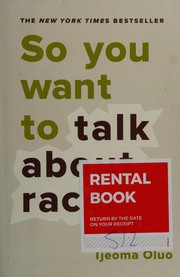
So You Want to Talk About Race
Oluo gives plain rules for talking about race at work and home.
2,597-word summary · 12 min read

My Horizontal Life: A Collection of One-Night Stands
Handler turns dating disasters and family chaos into brash comic essays about single life in Los Angeles.
2,304-word summary · 10 min read
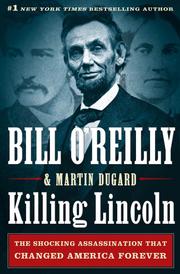
Killing Lincoln
Booth plots as Lincoln pushes war end and reunion in 1865.
2,486-word summary · 11 min read
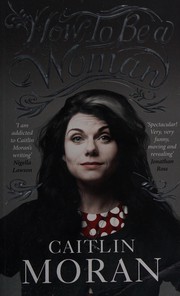
How to Be a Woman
Moran mixes girlhood and work stories into plain feminist advice.
2,600-word summary · 12 min read
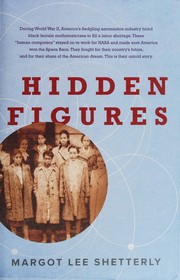
Hidden Figures
Black women computers at Langley launch rockets past Jim Crow.
2,385-word summary · 11 min read
Eats, Shoots & Leaves
Truss defends commas with jokes about pandas and posters.
2,423-word summary · 11 min read
Wild Swans
Three generations of women survive warlords, revolution, and the Cultural Revolution in Jung Chang's family memoir.
2,356-word summary · 10 min read
Bad Feminist
Gay mixes memoir and pop culture criticism to argue for imperfect feminism, from Sweet Valley to Django to Fifty Shades.
2,493-word summary · 11 min read
The Surgeon of Crowthorne
James Murray built the Oxford dictionary with Broadmoor inmate William Minor, whose thousands of slips shaped this 1998 HarperCollins story of murder, madness…
2,775-word summary · 12 min read
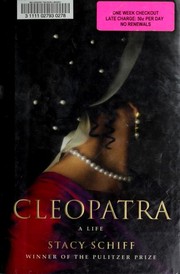
Cleopatra: A Life
Pulitzer winner Schiff restores Cleopatra as a capable ruler, from Ptolemy debts and Caesar to Antony, Actium, and her death in 30 BC, built from coins and…
3,586-word summary · 16 min read
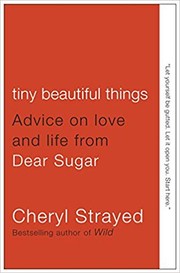
Tiny Beautiful Things: Advice on Love and Life from Dear Sugar
Dear Sugar answers letters on love, grief, and work with tough empathy drawn from her own losses.
2,253-word summary · 10 min read
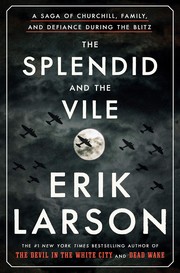
The Splendid and the Vile
Larson follows Churchill circle through Blitz year with diaries and bombing nights.
2,038-word summary · 9 min read

The Girl with the Lower Back Tattoo
Amy Schumer mixes raunchy jokes with frank essays on family, dating, body image, and the shooting that pushed her into gun control advocacy.
2,259-word summary · 10 min read

PostSecret
Warren curates anonymous postcard secrets into art about love and shame.
2,001-word summary · 9 min read