

The Frozen River
2,043-word summary 9 min read 448 pages in the book
- First published
- 2023
- Publisher
- Doubleday
- Pages
- 448
- ISBN
- 9780385546881
Reading options
What's inside (12 sections)
I picked up The Frozen River because everyone compared it to True Grit meets midwifery. Ariel Lawhon published it in 2023 with Doubleday. My reading follows the 448 page hardcover. In 1789 Maine, midwife Martha Ballard records a frozen man's death and finds murder, rape, and town power closing ranks. Based on a real diary, it is procedural history with a heroine who writes everything down.
Martha Ballard is fiftyish, tired, and indispensable. She delivers babies, tends fevers, and keeps a daily diary in cramped script. Her husband Ephraim surveys and digs. Their grown children orbit. When men pull a body from the frozen Kennebec, Martha is called to examine it because no one else will look closely at the dead. What she finds in ice and flesh contradicts the town's preferred story. A drowning declared. Wounds suggesting otherwise. She writes it down. That entry starts the war.
A diary against power
The diary is the book's engine and its ethics. Martha records births, deaths, weather, and debts with the same flat care. That habit, historical fact drawn from Ballard's real diary of 1785 to 1812, becomes evidence when powerful men need forgetting. Two local men of standing stand accused by circumstance around a young woman's assault and the frozen man's fate. Details stay properly knotted for a summary. What matters is structure. Accused with friends. Victim without. Midwife with pen. Town as jury that already decided.
Lawhon stages 1789 Hollowell, now Augusta, with immersive texture. Ice harvesting. Log drives. Smallpox inoculation debates. Court sessions in taverns. Women's work that keeps all of it alive and uncredited. Martha moves through these spaces with earned authority and constant disrespect. Doctors dismiss her. Lawyers talk over her. Ministers praise modesty while needing her hands. She persists without speeches about feminism that would ring false for the era. Her diary does the testifying. Ink outlasts interruption.
Ephraim's parallel thread grounds the marriage. He surveys disputed lots, digs graves when needed, and stands beside Martha at cost to his own standing. Their late marriage, affectionate and blunt, gives the book warmth without softening danger. Grown children bring subplots of love and debt that show the Ballards as community pillars with cracks. No saints here. Workers with ledgers. That ordinariness makes their courage legible. Anyone could write things down. Few do when threatened.
The investigation proceeds through women's networks rather than constables. Other midwives compare notes. Assault survivors whisper across kitchens. Martha pieces together timelines from birth records and bleeding. Those methods will satisfy mystery readers tired of lone genius detectives. Truth emerges from many small observations stitched in diary margins. The book honors that collective detection explicitly. One woman sees a piece. Together they see pattern. Pattern convicts where power would acquit.
Winter as adversary and ally
The Kennebec winter is adversary, archive, and clock. Ice preserves bodies that water would take. Snow records footprints liars deny. Thaws threaten evidence with spring floods. Lawhon times revelations to freeze and melt with dread precision. A mid book thaw chapter, with river groaning and banks softening, had me holding breath. Nature keeps its own diary here, and Martha reads both. That double literacy, body and river, defines her genius. She delivers babies and verdicts with the same steady hands.
Sickness threads through as second winter. Fevers take children. Remedies fail. Martha's failures as healer balance her successes as witness. She can not save everyone she loves, which the book states plainly through graves she digs in borrowed thaws. Those losses keep the procedural from turning triumphant. Justice, if it comes, arrives thinned by grief. The diary records both without ranking. Born. Died. Testified. Weather cold. That flatness devastates more than elegy.
The trial, when it comes, delivers the book's payoff through testimony rather than theatrics. Martha speaks plainly. Lawyers object. Judges weigh standing over truth. I will not detail verdicts beyond saying the diary's survival matters more than any single ruling. Real Ballard's diary survived two centuries to reach Lawhon's hands. That fact frames the fiction with quiet thunder. Write it down. Someone will read it when power rots. The book is proof of its own moral.
What freezes and what flows
What freezes is dread rendered through weather and work. Childbirth scenes with accurate peril. Autopsy touches with period limits. Courtroom pressure with modern resonance around assault cases. Lawhon, author of Flight of Dreams and Code Name Hélène, researched deeply without showing seams. The novel made bestseller lists and book clubs for good reason. It delivers mystery satisfaction inside history that respects its sources. Fans of Geraldine Brooks and Maggie O'Farrell will feel at home.
What flows less well is middle thickness. At 448 pages the book carries subplots, epidemics, debts, and romances that occasionally slow the central case. Some readers will skim surveying chapters to reach testimony. The villainy, while plausible, leans toward stark division between decent workers and predatory gentry. Real Hollowell surely mixed more. Those are costs of propulsive historical mystery. Momentum needs villains. Nuance yields some ground.
The prose is clear, sensory, and diary inflected. Short dated entries open chapters. Longer narrative fills between. Dialogue plain for the period without thee and thou cosplay. Cold described through labor rather than lyricism. Hands cracking. Ink freezing. Breath smoking. That physicality keeps 1789 present tense rather than costume. You feel the year in fingers before understanding it in politics.
Women's networks as detection
The book's most satisfying procedural thread is how truth travels through women's hands rather than official channels. Midwives compare bleeding. Wives repeat husbands' boasts. Servants note torn clothes. Martha collects these fragments in diary margins with dates attached. No single piece convicts. Stitched together they hold weight that power can not shake off entirely. Lawhon honors this collective method explicitly through scenes of kitchen talk that read as investigation. Pour tea. Ask after confinements. Listen past answers. Those verbs solve more than warrants do in 1789 Maine.
Assault survivors' whispers form the bravest strand. A young woman attacked by standing men faces ruin for speaking and danger for silence. Martha believes her because bodies testify where mouths fear to. Examination findings, torn fabric, and timelines corroborate. The book handles these scenes with care that avoids both sensationalism and erasure. What happened is stated plainly once, then carried in consequences rather than replayed. That restraint respects survivors while indicting perpetrators and the town that prefers their comfort. Modern readers will hear current debates in period dress. The dress fits because the problem persists.
Ephraim's support work deserves note as allyship done right for its era. He does not lead Martha's fight. He drives her sleigh through storms, holds lanterns at examinations, and stands visible at trial so she is not alone before hostile benches. His surveying disputes with the same powerful men cost him income he accepts without martyrdom. Those choices show marriage as partnership under fire. He can not testify to what she saw. He can make sure she arrives to testify it. That division of labor, humble and vital, models how men help without centering. Drive. Hold light. Stand by.
Birth scenes as testimony
Martha's deliveries double as depositions because bodies speak under her hands. A pelvis tells of prior births. Scars map old violence. Milk flow dates a mother's distance from labor. Those readings, recorded flatly, later corroborate assault accounts that powerful men dismiss as hysteria. The book argues through practice that midwifery is forensics before the term existed. Catch babies and evidence with the same clean hands. That equivalence dignifies work history ignored. Women's knowledge counts in court when written daily. Start the entry. Date it. It may hang a villain years later.
One birth scene stands above rest for how it braids joy and dread. A young mother laboring while Martha watches the door for men who threatened witnesses. Pain managed. Fear managed. Baby caught and cleaned while boots sound outside. That multitasking under threat defines Martha's heroism better than any speech. She does not choose between healing and testifying. She does both with blood on apron. Readers who birth or attend births will recognize the focus splitting that keeps hands steady while mind races. Breathe with her. Push now. Note the time.
Ephraim's quiet backbone
Ephraim Ballard's steady presence deserves emphasis as the book's model of useful masculinity. Surveyor, gravedigger, and husband, he works land and dead with equal care while ceding center to Martha's testimony. His disputes with powerful men over lots cost income he absorbs without complaint performed for credit. At trial he sits visible, holds hats, and drives sleighs through storms that would stop others. Those acts lack glamour and carry everything. Justice needs transport and witnesses kept warm. He provides both without speeches about supporting women. Doing suffices. Young readers of all genders should note the template. Help concretely. Stay visibly. Speak only when asked.
His own legal tangles with debtors' claims add texture that prevents sainthood. Ephraim owes, is owed, and navigates sheriffs with the same wariness Martha brings to doctors. Those money pressures explain why standing with her costs real standing. Neighbors remember who testifies against standing men. Business follows memory. The Ballards choose truth knowing the ledger. That choice, made jointly over kitchen tables with quills and sums, shows marriage as shared moral accounting. Add columns nightly. Pay what honor demands. Sleep thin but clean.
Diary versus courthouse
The central contest between diary and courthouse structures the book's argument about whose records count. Courts keep minutes in men's hands with seals. Martha keeps days in her own with weather notes. When the two conflict, power prefers its paper. The novel dramatizes that preference through admissibility fights and reputation attacks that feel depressingly current. Who writes the minutes. Who dates the margins. Those questions decide verdicts more than facts do. Martha wins readers even where she loses rulings because her ink outlasts their terms. Diaries keep appeal open past gavels. Write anyway.
Real Ballard's diary surviving to anchor Lawhon's fiction closes the loop beautifully. A woman who wrote for order, not posterity, reaches across two centuries to authorize a novelist's imagination. That transmission honors ordinary record keeping as historical heroism. No battles. No offices. Just daily lines through decades. The book suggests every kitchen journal might hold similar power if kept honestly. Few will matter this much. All matter somewhat. Keep yours. Winter always comes for someone's truth.
Children watching mothers work
The Ballard children observing Martha's stand gives the book its forward looking hope. Sons who saw surveying integrity applied to testimony. Daughters learning diary habits at kitchen tables. They absorb that truth costs and pays in different currencies. One son's romance and debts test these lessons in subplots that mirror the main case at smaller scale. Love versus advantage. Candor versus comfort. Those echoes prevent the novel from becoming single heroine monument. Households learn together or not at all. The Ballards learn, unevenly and genuinely. That unevenness convinces.
What the diary proves
Real Martha Ballard's diary runs thousands of pages across twenty seven years, mostly weather and work with revolutions passing in margins. That ordinariness is the book's deepest truth about history. Great events arrive as notes between births. Wars end on laundry days. The novel honors that scale by refusing to inflate its trial into national allegory. One town. One winter. One woman writing. Enough. Readers who keep journals will feel summoned to continue. Those who don't may start. The past needs clerks more than heroes. Apply within.
Who should cross
Give The Frozen River to historical mystery readers who like midwives and diaries, to Lawhon fans, to book clubs that enjoy assault justice debates with period distance. It suits winter reading with blankets and tea. Do not give it to readers needing fast thrillers or cozy history without bodies. Pair it with Ulrich's A Midwife's Tale, the scholarly work that first honored Ballard, to see fiction and archive converse.
At 448 pages I read it across five nights, marking diary pages. Martha starts recording weather and births and ends recording crimes that powerful men beg her to forget. That pen, cramped and daily, is why the novel matters past mystery. Write it down. Winter keeps bodies. Diaries keep truth. Both thaw eventually.
FAQ
When was The Frozen River published?
Doubleday published it in 2023. The hardcover runs 448 pages and the ISBN is 9780385546881.
Was Martha Ballard real?
Martha Ballard, real midwife whose 1785 to 1812 diary anchors the novel's daily entries.
Is it part of a series?
No. It stands alone, built around one winter, one river, and one diary against power.
Similar books

Anatomy: A Love Story
In 1817 Edinburgh, a noblewoman who wants to be a surgeon disguises herself to study anatomy and falls for the grave robber who supplies her with bodies.
2,031-word summary · 9 min read

The Long Winter
Dakota Territory, 1880: seven months of blizzards cut a town off from the railroad, and a family survives on twisted hay, ground wheat, and a dangerous wheat…
2,210-word summary · 10 min read
The Art Forger
A disgraced Boston painter agrees to copy a Degas stolen from the Gardner Museum, then begins to suspect the original she is copying is itself a forgery.
2,117-word summary · 9 min read

Mrs. Everything
Two Jewish sisters in Detroit grow up, apart and together, across seven decades of American life, from the 1950s to the 2016 election.
2,362-word summary · 10 min read
The Black Dahlia
James Ellroy builds a fiction around the real Black Dahlia murder, following two Los Angeles cops whose partnership and obsessions destroy them.
2,533-word summary · 11 min read
Only Time Will Tell
A Bristol dockworker's son wins a scholarship, falls in love with the daughter of the family that owns the shipyard, and learns that his father's death was not…
2,082-word summary · 9 min read
Once Upon a River
A wounded man stumbles into a riverside inn carrying what appears to be a drowned child who is not quite dead, and the story braids the guesses of everyone who…
2,173-word summary · 10 min read

The Echo of Old Books
Barbara Davis's 2023 novel sends a rare-book dealer in 1984 New Hampshire hunting for the authors of two unpublished volumes that tell opposite sides of one…
2,491-word summary · 11 min read
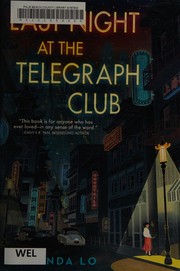
Last Night at the Telegraph Club
The 2021 National Book Award winner follows Lily Hu, a Chinese American teenager in 1954 San Francisco, as she falls for Kath and learns what it costs to be…
2,336-word summary · 10 min read
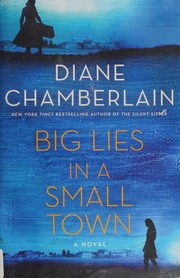
Big Lies in a Small Town
A 22-year-old woman leaves prison to restore a 1940 mural, and Edenton, North Carolina, starts talking.
2,187-word summary · 10 min read
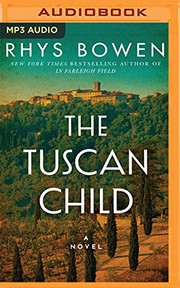
The Tuscan Child
After her father's death, Joanna follows a returned letter to Tuscany and uncovers his wartime love, a hidden painting and a village secret. A dual-timeline…
2,095-word summary · 9 min read
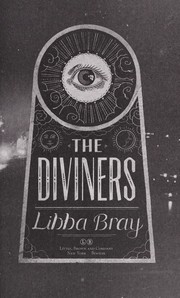
The Diviners
In 1920s New York, Evie O'Neill's ability to read objects pulls her into an occult investigation that awakens something far older and more dangerous.
2,045-word summary · 9 min read
The House of Eve
Two Black women in 1950s Philadelphia and Washington, one a pregnant teenager and one a doctor's wife who cannot carry a child, are pulled together by a…
2,270-word summary · 10 min read
The Clockmaker's Daughter
A London archivist finds a Victorian satchel holding a photograph, a sketchbook and a letter, then follows them to Birchwood Manor, where a young woman died in…
2,886-word summary · 13 min read
Death Comes to Pemberley
P.D. James drops a murder onto the Pemberley estate and sends Wickham to trial, reading Austen's most famous marriage through the machinery of Georgian justice.
2,318-word summary · 10 min read

The Redbreast
Harry Hole chases an ageing sniper through modern Oslo while two Norwegian volunteers on the Eastern Front carry a fifty-year-old betrayal toward a royal…
2,453-word summary · 11 min read
The Lost Girls of Paris
In 1946, a war widow finds an abandoned suitcase in Grand Central holding photographs of twelve women who vanished in the war, and follows their story back to…
2,668-word summary · 12 min read
The Prisoner of Heaven
Fermin Christmas past returns with a stranger and a prison debt.
2,388-word summary · 11 min read
The Book of Lost Friends
Three women trace Lost Friends ads from 1875 to find stolen sons.
2,368-word summary · 11 min read
Fingersmith
A thief plots to cheat an heiress, then the scheme flips twice in Victorian London.
2,532-word summary · 11 min read
Bleak House
Jarndyce and Jarndyce grinds through Chancery while Esther finds her family.
2,480-word summary · 11 min read
The Spy Who Came In from the Cold
A burnt-out Berlin agent takes one last mission that requires him to look like a traitor.
2,578-word summary · 11 min read
Maisie Dobbs
A maid turned war nurse opens a London inquiry agency in 1929 and traces a quiet case to a refuge for shattered soldiers.
2,382-word summary · 11 min read
The House at Riverton
In 1999, ninety eight year old maid Grace Bradley tapes the truth about a 1924 shooting at Riverton Manor, poet Robbie Hunter, two sisters and a lie held for…
2,433-word summary · 11 min read
The Lake House
Detective Sadie reopens 1933 Edevane baby vanishing tied to writer Alice.
2,055-word summary · 9 min read
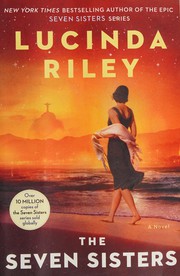
The Seven Sisters
Maia follows Pa Salt clue from Geneva to Rio and Christ the Redeemer.
2,210-word summary · 10 min read
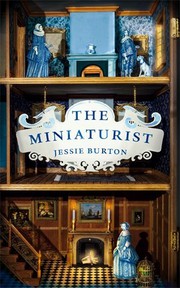
The Miniaturist
A new bride in 1686 Amsterdam gets a dollhouse replica of her home, and its tiny figures start to reveal what the Brandt family hides.
2,865-word summary · 13 min read
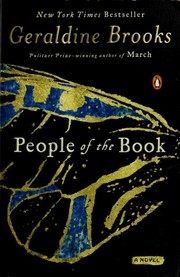
People of the Book
Conservator Hanna traces Sarajevo Haggadah stains back to 1480 Seville.
2,479-word summary · 11 min read

Black Butler, Vol. 1
A twelve year old earl and his demon butler keep a Victorian manor running by day and handle dark work for the Queen.
2,877-word summary · 13 min read
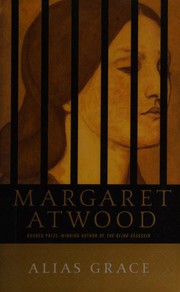
Alias Grace
A teenage maid convicted of a double murder in 1843 tells her story to a young doctor hired to decide whether she deserves a pardon.
2,788-word summary · 12 min read