

Reading options
What's inside (7 sections)
I read The Silent Patient when everyone was talking about its ending, liked it more than I expected, then found The Maidens a little too campus thriller for me. So I went into The Fury, published in January 2024 by Celadon Books, wondering which Michaelides I would get. The answer is both, plus a narrator who will not leave you alone. Elliot Chase tells you on page one that this is a tale of murder, or maybe not quite true, and at its heart it is a love story. He is not lying, but he is not helping either.
Lana Farrar is the center even though she barely narrates. She was a huge movie star, retired early, married, with a teenage son, living mostly out of view. Every year she invites her closest friends to her private Greek island, Aura, for Easter to escape English weather. This year the group is small. Elliot, a playwright who has known Lana for years and owes her a lot. Kate, an actress friend with a sharp tongue. Jason, Lana's husband. Leo, her son. A couple of staff who know the house. Wind cuts the island off. Phones work badly. Old friendships already hold grudges. Then someone is found murdered.
Elliot talks to you directly
The choice that shapes everything is voice. Elliot narrates in first person and keeps breaking the fourth wall. He tells you what he is leaving out, warns you that a chapter is boring, rewinds to show the same dinner from another angle, apologizes, brags, begs you to keep reading. At first I found it charming. He sounds like a friend at a bar who knows he is a good storyteller and knows you know it too.
About fifty pages in I started to feel the control. Elliot decides what you see. He describes Lana's beauty at length, describes Kate's jokes, describes Jason's money worries, describes Leo's sulks, but he always frames himself as the loyal sidekick, the one who loves Lana purely and asks nothing. Whenever another character suggests otherwise, Elliot hurries past or makes a joke. That is the tell. In a normal thriller the narrator hides facts. Here the narrator hides motive while showing you almost everything else.
Michaelides leans on this hard. Whole chapters end with lines like you think you know what happened, you do not. I rolled my eyes twice, then kept turning pages, which is probably the point. The direct address creates speed. You read to catch him out rather than to solve the island puzzle. When he finally admits a lie, you feel a small jolt because he told you he would lie and you still trusted the tone.
If direct address annoys you, this book will be hard. Elliot never shuts up. He explains structure, talks about three acts, compares himself to other narrators. I liked it because he is a playwright talking like one, always staging. A friend who hated it said it felt like being cornered. Both reactions make sense.
Aura, Easter, and the locked island trick
The island setup is classic. Private island, Easter week, wind so strong boats cannot come, one house with guest rooms, a staff cottage, cliffs and goats and a small church. Lana has money but wants quiet. The friends bring London with them. Old plays, old affairs, old debts. Kate and Jason snap at each other. Leo wants to be elsewhere. Lana tries to hold the mood with food and walks and swims.
Michaelides does the locked room part well without overdoing mechanics. There is no floor plan puzzle to memorize. The point is emotional isolation. They cannot leave, they cannot call easily, they have drunk too much, and they have known each other too long to be polite. The murder, when it comes, feels less like a chess move and more like something that built up over years and finally found a night.
I liked the Greek details because Michaelides grew up in Cyprus and lets small things sit without explaining. Easter bread, church candles, wind names, the way the sea looks in April, cold and bright. The staff are not scenery. They notice who eats, who pays, who apologizes. One scene where a housekeeper straightens a room after a fight tells you more about class on the island than any speech.
The middle sags a little when the group splits and Elliot follows each person for a chapter. You get Kate's version of a lunch, then Jason's version of the same walk, then Lana's silence in both. I started skimming descriptions of coats and boats. It picks up once Elliot stops pretending to be fair and starts telling you why he loves Lana, which is where the love story claim starts to make uncomfortable sense.
What the friends want from Lana
Each friend orbit Lana differently, and the book is best when it lets that be sad rather than sinister.
Kate loves Lana but resents living in her shadow. She is also famous, but Lana was more famous, and Kate knows exactly how many years that difference costs. Jason loves Lana and also loves the life her money allows. He is not a cartoon gold digger. He is tired, worried about work, trying to be a good stepfather to Leo while feeling like a guest in his own marriage. Leo loves his mother and hates the performance of holidays. He is at the age where every family ritual feels fake, and he is not entirely wrong.
Elliot loves Lana in a way he calls pure and the book slowly shows as possessive. He met her when he was young and failing, she was kind, she read his play, she introduced him to people. He has built his adult life around staying close to her without asking for the one thing he wants. That imbalance curdles. He does favors, keeps secrets, tells himself he wants nothing. The Fury part of the title, I think, is not only the murder night. It is the anger of loving someone who will never love you back in the same way and smiling through it for years.
This is where the book is better than The Maidens. In that earlier book the group around the professor felt like types. Here the dependencies feel specific. Who paid for whose rehab. Who got whom a part. Who stayed when a film flopped. Lana is generous, but generosity from a star is never simple. Every gift reminds you who could afford to give it.
A fair criticism is that Lana herself stays a little distant. We see her through Elliot, through paparazzi memory, through stories other people tell. She gets fewer private scenes than Kate or Jason. That may be deliberate, to keep her mythic, but I finished feeling I knew Elliot's fantasy of Lana better than Lana. The last third tries to fix this with a long confession scene, and it partly works, but she still feels looked at rather than heard.
Twists without cheating, mostly
People will ask about twists because of The Silent Patient. Yes, there are turns. One about halfway reframes who Elliot is to the group. One near the end reframes the murder night itself. One in the final pages reframes the love story line from the first page.
I will not spoil them, but I can say how they felt. The first turn I guessed a few chapters early because Elliot protested too much about one friendship. The second turn surprised me in method but not in person, if that makes sense. I knew who, I did not know how the island wind and timing allowed it. The last turn is the one people will argue about. It asks you to reread the opening as a different kind of promise.
Does it cheat? Mostly no. Clues are there. A line about a play Elliot wrote, a detail about who smokes, a story about a childhood accident, all return. A few relies on withheld interior thought, which is the risk of first person. Elliot tells you he is skipping something for effect, so you cannot claim you were promised full access. Whether that feels fair depends on how much you enjoy being played with. I enjoyed it more here than in many thrillers because Elliot admits the game.
The book also talks openly about structure in a way that could feel clever for its own sake. Elliot names acts, talks about reveals, jokes about Agatha Christie and Glass Onion type stories. One friend loved those nods. I found one chapter of it too much, where the plot stops so Elliot can lecture about narrators. It is short, and the murder night follows fast, so it did not ruin momentum for me.
The end and what it says about love
Without giving names, the ending lands on forgiveness that is not forgetfulness. Someone confesses. Someone else decides what to do with that confession. Lana, who has spent the book being looked at, finally gets to look back and choose. Leo gets a small quiet scene that I liked more than the big reveals, where he acts like a son rather than a clue.
The love story claim holds up, though not as romance. It is about different loves rubbing until they spark. Mother love, friend love, possessive love, love of a house and an island that lets you pretend time stopped. Elliot's love is the most talked about and the least healthy. The book does not excuse it. It shows how devotion curdles when it never asks for an answer.
I appreciated that Michaelides does not punish everyone neatly. Some people leave the island with secrets intact. Some relationships end not with a fight but with a decision not to call. That felt adult after so many thrillers where every thread ties in court.
For length, the Celadon hardcover runs about 320 pages, ISBN 9781250758989, and it reads fast. Short chapters, lots of white space, Elliot pulling you forward. I read it in three evenings. The prose is plain in a good way. No showy metaphors, just clear sentences that let the voice carry.
Who should try it. If you like locked island stories but want more narrator play than puzzle, this fits. If you hated the direct address in books like The Guest List or Luckiest Girl Alive style asides, you may struggle. If you disliked The Maidens for its campus overkill, this is leaner and more personal. I closed it thinking Elliot would be exhausting to know and hard to stop listening to, which is probably why Lana kept him around and why she should have let him go sooner.
A last practical note on reading it. Do not binge the middle too fast. Elliot wants you to rush past the small money details, who paid for dinner in London, who owns the boat fuel, who asked the staff to stay late. Those are the real motives underneath the talk of love and art. I went back after finishing and marked three such lines in the first hundred pages. Each one pointed straight at the final confession. The book rewards that kind of slow attention even while pretending to be a quick page turner.
I also liked how Easter shapes the moral pressure without preaching. People are supposed to forgive, to start fresh, to sit together after Lent. On Aura they perform forgiveness while keeping lists. When the wind traps them, there is no priest to mediate, only friends who know too much. That setting makes the violence feel less like a puzzle solution and more like a failed holiday that turned. If you read it in winter, as I did, the cold sea descriptions will get under your skin.
FAQ
Who narrates The Fury?
Elliot Chase, a playwright and longtime friend of Lana Farrar, tells the story directly to the reader. He warns he withholds things and reframes scenes, so his devotion shapes what you see.
When was The Fury published?
Celadon Books published it on January 16, 2024. The hardcover runs about 320 pages with ISBN 9781250758989.
Does The Fury connect to The Silent Patient?
Yes, in a small way. Theo Faber from The Silent Patient appears briefly, but the plot stands alone on Aura island with Lana and her friends.
Similar books

The Maidens
Therapist Mariana hunts Cambridge professor Edward Fosca after a Maidens murder.
2,234-word summary · 10 min read
The Silent Patient
Alex Michaelides's The Silent Patient retold: Alicia's silence, Theo's obsession, the Alcestis clue, and the final flip.
2,412-word summary · 11 min read

What She Knew
Rachel lets her eight-year-old son run ahead in a Bristol park, and the nine-day search turns her into a suspect in the public eye.
2,952-word summary · 13 min read

The Beach House
A young valet is beaten to death at a Hamptons party, and his law-student brother spends a year building a case against the family that covered it up.
2,049-word summary · 9 min read

Six Years
A professor who promised to forget the woman he loved sees her husband's obituary and discovers that the wedding, the marriage, and the woman herself may never…
2,076-word summary · 9 min read

Rules of Prey
Minneapolis detective Lucas Davenport hunts a killer who leaves a new rule at every scene and treats murder as a game of wits.
1,914-word summary · 9 min read

4th of July
Lindsay Boxer shoots two armed teenagers in self-defense, faces a wrongful-death trial, and spends her leave chasing a string of throat-slashing murders in…
2,192-word summary · 10 min read

61 Hours
A bus crash strands Jack Reacher in a snowbound South Dakota town where a drug gang, a corrupt police force, and a single witness are on a collision course.
2,227-word summary · 10 min read

Still Missing
A realtor is abducted at a Vancouver Island open house and held for more than a year. Told through therapy sessions, the novel follows her escape and the hunt…
2,466-word summary · 11 min read

Bad Luck and Trouble
A deposit of $1,030 summons Jack Reacher back to his old army unit, which is being picked off one name at a time.
2,366-word summary · 11 min read

3rd Degree
The third Women's Murder Club novel follows a San Francisco terror cell and a three-day killing schedule, and it costs the club a member.
2,685-word summary · 12 min read

Worth Dying For
Reacher stops for one night in rural Nebraska and finds a family that runs the county, a missing girl and a shipment worth killing for.
2,021-word summary · 9 min read

Say You're Sorry
A widowed prosecutor defends the teenager accused of killing her babysitter, uncovering a small town's secrets and a killer hiding in plain sight.
2,116-word summary · 9 min read

Echo Burning
Reacher hitches a ride with a Texas woman who wants her abusive husband killed, then has to prove she did not murder him when he comes home.
2,209-word summary · 10 min read

Girl, Forgotten
A rookie US marshal guards a judge with a stalker and ends up reopening the 1982 prom-night murder of the judge's pregnant daughter.
2,111-word summary · 9 min read

The Woods
Twenty years after two teenagers were murdered and two vanished at summer camp, prosecutor Paul Copeland identifies a fresh corpse as one of the missing.
2,490-word summary · 11 min read

The Boy from the Woods
Wilde, found feral in a New Jersey forest in 1986, hunts for a missing teenager while a senator's secrets tear a wealthy town apart.
2,270-word summary · 10 min read
Without Fail
Reacher is asked to test vice presidential security by planning to kill.
2,084-word summary · 9 min read
Things We Do in the Dark
A comedian kills her husband, then a podcaster digs up her teen murder past.
2,427-word summary · 11 min read

The Widow
A widow of a suspected criminal faces reporters and police while hiding what her marriage really cost.
2,599-word summary · 12 min read
The Racketeer
A jailed lawyer trades a judge murder secret for freedom and revenge.
2,434-word summary · 11 min read
The Night Swim
A true crime podcaster covers a rape trial while probing an old drowning in a small town.
2,260-word summary · 10 min read
The Judge's List
Lacy Stoltz hunts a sitting judge who murders off his list.
2,513-word summary · 11 min read
The Innocent
A government hitman refuses one kill and must protect a teenage girl at the center of a cover-up.
2,403-word summary · 11 min read
The Girl Who Was Taken
A survivor returns alone while a reporter digs for her lost sister.
2,261-word summary · 10 min read

The Club
A luxury island resort for the rich turns deadly when secrets, staff and guests collide.
2,386-word summary · 11 min read
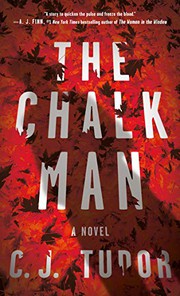
The Chalk Man
Childhood chalk codes lead to a murder that follows friends thirty years later.
2,350-word summary · 10 min read
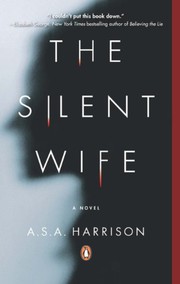
The Silent Wife
A Chicago psychologist watches her twenty-year partnership collapse when Todd leaves for Natasha, then plans murder.
2,591-word summary · 12 min read
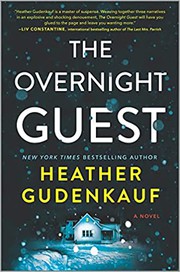
The Overnight Guest
A snowbound writer shelters a lost boy in Iowa while a twenty-year-old story of neglect closes in.
2,580-word summary · 11 min read
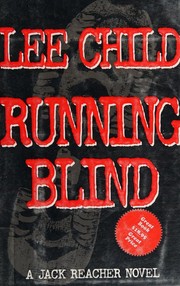
Running Blind
Jack Reacher must catch a killer who murders women with no forced entry and no trace.
2,008-word summary · 9 min read