

Electric Idol
2,332-word summary 10 min read 384 pages in the book
- First published
- 2022
- Publisher
- Sourcebooks Casablanca
- Pages
- 384
- ISBN
- 9781728231761
- Series
- Dark Olympus (#2)
Reading options
What's inside (7 sections)
I came to Electric Idol straight after Neon Gods because I wanted more time in Olympus. The first book gave me Hades and Persephone hiding in the lower city. This one, published in 2022 with Sourcebooks Casablanca and running 384 pages in the edition I used, moves uptown into bright rooms with cameras everywhere. It is Dark Olympus book 2, and it follows Eros and Psyche. I read it fast, in three nights, because the chapters end on small hooks and the couple talks through everything instead of brooding in silence.
A quick note on what this book is. It is a romance first and a myth retelling second. The plot outside the couple is thin in places, and the same worries circle back more than once. The sex is explicit and frequent, written with clear consent and a lot of negotiation. If that is not your thing, this book will wear you out. If you like couples who solve problems by staying in the room and saying the hard sentence, this one may land.
Olympus, the Thirteen, and Psyche
Olympus in this series is a modern city run by thirteen people who hold the old god titles. Zeus sits at the top with Hera beside him. Below them sit Poseidon, Demeter, Hades, Aphrodite, and the rest. Titles pass from holder to holder, and each holder keeps the power of the name. Money, clubs, docks, and votes move through their hands. The gods act like celebrities and mob bosses at once, throwing parties that decide policy.
Psyche Dimitriou is the youngest of the Dimitriou sisters. Her older sister Persephone married Hades in the last book and lives in the lower city. Psyche stayed uptown with her mother Demeter, who guards her daughters the way a general guards a border. Psyche is soft spoken, curvy, kind to staff and strangers, and famous for her face. Gossip pages call her the new Aphrodite, meaning she might be the most beautiful woman in the city. That compliment nearly gets her killed.
The current Aphrodite is a cruel older woman who treats beauty as rank and her son as a weapon. She hears the talk about Psyche and takes it as theft. In her mind, there is one Aphrodite, and it is her. She starts moving against Psyche through rumors, cut invitations, and threats passed along by fixers. Demeter pushes back where she can, but even Demeter cannot watch every door.
Psyche knows she is being hunted, so she makes a clever move. She signs a camera deal with Helen, the city's media star, to film her daily life. The logic is simple. Aphrodite can quietly remove a girl nobody sees. She cannot quietly remove a girl whose face is on screens every day. Psyche hates the cameras. She smiles for them anyway. She shops, cooks, visits her sisters, and lets the crew follow her through bright apartments while she counts exits in her head.
I liked this setup more than the fake dating frame of book one. Fame as armor feels true to our world, and Psyche's sweetness reads as strategy rather than weakness. She is not naive. She knows exactly what Aphrodite is. She also knows her mother cannot protect her forever, so she rents protection from the public.
One weakness shows early. Psyche repeats her fears in her head for pages, the same loop about her looks, her worth, her heart. Some of that repetition builds sympathy. Some of it stalls the story. I found myself skimming her morning routines until Eros entered the frame.
Eros and the order
Eros is Aphrodite's son, raised to be her knife. He is beautiful in the cold way of the family, tall and sharp, with scars he hides and a temper he keeps on a short chain. His mother used him for years to scare, hurt, and kill people who crossed her. He tells himself he is a monster because she always told him so. Work is the only place he feels sure of himself.
Aphrodite gives him the order plainly. Kill Psyche. Make it look like an accident or a warning, but end her. Eros watches Psyche first, the way he always studies a target. He follows her through shops and side streets. He sees her tip a driver too much, calm a crying assistant, stand still for photos she clearly hates. She thanks the camera crew by name. She visits her sister when she thinks nobody watches. None of it matches the vain rival his mother described.
When he finally corners her, he cannot do it. The book does not make this a lightning strike of love. It reads more like refusal. He has killed on command for years, and something in him stops at this particular kind, unguarded person. But letting her walk away would sign her death by another hand. So he does the only thing he can think of that his mother cannot easily undo. He performs the old marriage rite.
The rite in Olympus is simple and binding. Blood mixed, words spoken, witnessed in the old way. A spouse under the old law holds protections that a girlfriend does not. Aphrodite can swat aside a rival. She cannot openly murder a son's wedded wife without breaking laws the Thirteen still respect. Eros cuts, speaks, and binds Psyche to himself, body and soul in the old phrasing, then tells her she is now his wife whether she likes it or not.
Psyche reacts the way a sane person would. She panics, argues, and tries to find the trap. Eros does not dress it up. He tells her the choice was death or marriage, and he picked the one that left her breathing. It is not romantic. It is a rescue that looks like a cage. I appreciated that Robert lets it sit ugly for a while instead of rushing to kisses.
Eros himself is the best written part of the book. His shame feels physical. He counts his scars, avoids mirrors, expects Psyche to flinch. His mother trained him to confuse obedience with love, so every kind act from Psyche reads to him like a trick. Watching him unlearn that, slowly and badly, kept me turning pages.
A wife on camera
Marriage does not stop Aphrodite. It only changes her methods. She cannot have Psyche stabbed in an alley now, so she works to ruin her instead. Stories appear about Psyche trapping Eros, using him, shaming his family. Invitations vanish. Old friends go cold. Helen's cameras keep rolling, which helps and hurts. The footage proves Psyche is alive and well, but every episode gives Aphrodite new material to twist.
Psyche and Eros agree on rules. They will live together, appear together, and sell the marriage to the city. In private they will keep distance until Psyche decides otherwise. Eros gives her rooms of her own, sets guards she can see, and learns how she takes her tea. He is awkward in daylight in a way that surprised me. Killing is easy for him. Small talk over breakfast is hard.
The forced closeness does its work. Psyche sees Eros bandage his own hands and refuse painkillers. She sees him call Hermes for help and hate asking. She sees him stand between her and a paparazzi crush without raising his voice. Eros sees Psyche handle his mother's insults with a straight back, then shake in the car after. He sees her send money to a sick staffer and refuse credit. They start eating together without cameras. Then they start talking late.
Consent is handled well here, better than in many books at this heat level. Eros asks before he touches, states what he wants, and stops when Psyche hesitates. Psyche names what she likes and what scares her. They set words and signals. The power play in bed stays inside those lines, and the book shows aftercare, water, food, checking in. Readers who dislike explicit scenes will still find a lot to skip, but nobody can call the sex careless.
The middle sags a little. There are many scenes of them circling the same talk. Am I using you. Are you using me. Will your mother win. The cameras come and go. Sisters visit and warn. I liked Persephone's cameo, sharp and loyal, and Hermes stealing every scene with jokes that cover real help. Still, around page two hundred I wanted the outside plot to push harder instead of another long night of tangled sheets and tangled doubts.
Aphrodite up close
To feel the stakes, you have to sit with Aphrodite. She is not a cartoon villain in every scene, which makes her worse. At parties she is charming, touching arms, remembering names. At home she is cold arithmetic. She tells Eros he is nothing without her, that his scars prove his failure, that love is a story for weak titles. She raised him on those lines the way other parents raise children on songs.
Her hold on Eros is the true chain in the book. He fears her less than he fears her verdict. If she says he is a monster, then every soft feeling toward Psyche must be a lie. Psyche sees this faster than he does. She grew up with Demeter, who is controlling in a different way, all walls and rules, but whose love never felt like a test you fail by breathing. Psyche can name what Aphrodite does. Eros cannot yet.
The city politics widen in the second half. Zeus watches the marriage with interest because anything that weakens Aphrodite shifts votes among the Thirteen. Hades and Persephone offer quiet shelter but cannot move openly without starting a war. Demeter wants Psyche home and safe, and resents Eros as another man holding her daughter. Helen keeps filming because the story pays, though she shows flashes of loyalty that complicate her. Hermes runs messages, doors, and jokes, loyal to Eros in ways that cost him.
There is a party scene near the climax that works well. Aphrodite corners Psyche in front of witnesses and tries to force a break, using old stories and new lies. Psyche answers without screaming, holding the cameras in mind and her own spine straight. Eros steps beside her instead of in front of her, which matters. He does not rescue her by covering her mouth. He stands as her husband and lets her speak. For a man trained to solve problems with a blade, that restraint is growth.
My complaint about Aphrodite is that her plan stays vague. She wants Psyche gone, then ruined, then obedient, and the shifts feel driven by the romance schedule rather than her own logic. A sharper villain with a clearer prize would have raised the whole book. As written, she is terrifying in rooms and fuzzy on the map.
Choosing each other
The last stretch puts the marriage to the test. Aphrodite forces a confrontation where Eros must pick openly. Obey his mother and hand over his wife, or break with the woman who made him and stand trial in the eyes of Olympus. Eros has spent the book saying he is his mother's creature. Now he has to act like a man who belongs to himself.
Psyche gets her own choice too, which I liked. She could run to Demeter, hide in the lower city with Persephone, or lean on Helen's cameras forever. Instead she stands with Eros in front of the people who want them apart and claims him. She says plainly that she chose him, not the rite, not the protection, him. For a character who started the book smiling for cameras she hated, speaking her own truth without a script is the arc paying off.
The confrontation turns physical the way these books always do, with guards, blades, and old law quoted like scripture. Eros takes a wound he could have avoided because he refuses to move Psyche behind him. Psyche uses the cameras one last time, making sure witnesses see what Aphrodite orders. The Thirteen, who tolerate a lot behind closed doors, will not tolerate open murder of a wedded spouse under their own rites. Law, which looked like decoration early on, finally bites.
Afterward comes the part Robert writes best. Quiet rooms. Stitches and soup. Eros asking if Psyche wants out now that the danger has passed. Psyche laughing through tears because out was never the point. They renegotiate everything, this time without a knife at her throat. New vows, spoken freely, replace the rushed rite. Sisters crowd the apartment with food. Hermes brings wine and terrible jokes. Even Demeter softens a fraction, though she still looks at Eros like a stain she cannot scrub out.
The epilogue points ahead to the next couples, Achilles and Patroclus and Helen, without stealing this book's close. Psyche keeps some cameras, on her terms now. Eros keeps some guards, fewer and kinder. They sleep tangled and wake planning. The city still belongs to Zeus and his games, but their apartment belongs to them.
So who should read this. Fans of Neon Gods who wanted more Olympus politics and more heat will be glad. Readers who like competent, talking couples and clear consent will find a lot to enjoy. Readers who want faithful Greek myth should look elsewhere, since names and scraps of story are draped over a modern mafia romance. Readers who dislike explicit sex, repetition, or villains who chew scenery should skip it.
At 384 pages it reads fast for its size, and I finished it liking Psyche more than I expected and Eros more than he likes himself. The myth says Psyche was too curious and Eros too proud, and the gods punished them into legend. This version says a girl with cameras and a boy with scars can call the city's bluff and keep each other. It is sweet under the spice, and the sweetness is earned by two people who keep choosing the harder honest thing.
FAQ
When was Electric Idol published and by whom?
Katee Robert published Electric Idol in 2022 with Sourcebooks Casablanca. The edition cited here runs 384 pages with ISBN 9781728231761.
Is Electric Idol part of a series?
Yes. It is Dark Olympus book 2 and follows Neon Gods, which tells the Hades and Persephone story. Each book follows a new couple in the same city.
Is the romance explicit?
Yes, openly and often, with talk, limits, and care. Readers who dislike explicit scenes or power play should skip it, since the romance is the plot.
Similar books
More from Dark Olympus first, then related titles.

Neon Gods
Promised to Zeus, Persephone flees to Hades and trades fake dating for real choice in Olympus.
2,002-word summary · 9 min read

A Touch of Malice
Engaged Hades and Persephone face gods who vote on their marriage.
2,562-word summary · 11 min read
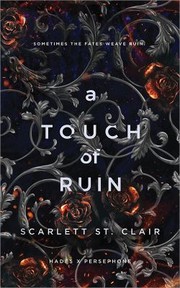
A Touch of Ruin
Persephone and Hades go public, tragedy shatters trust, and she bargains toward queenship through grief.
2,085-word summary · 9 min read

A Touch of Darkness
Persephone bargains with Hades in New Athens nightclub deal.
2,545-word summary · 11 min read

Magic Burns
A magic flare hits Atlanta, and mercenary Kate Daniels must recover stolen maps, find a missing witch, and keep a teenage girl alive while Celtic gods try to…
2,021-word summary · 9 min read

Blood Bonds
Oleander is chained in a Resistance camp, and her five Bonds have to find her before Silas Davies finishes what he started in this third Bonds that Tie book.
2,018-word summary · 9 min read

The Siren
Saved from a shipwreck in 1930, Kahlen becomes a siren who sings men to their deaths for the Ocean, until a boy in a college library makes her want a life she…
2,369-word summary · 11 min read

Fantasy Lover
A New Orleans sex therapist summons a cursed Spartan general from an ancient book and gets one month to break his spell.
2,315-word summary · 10 min read
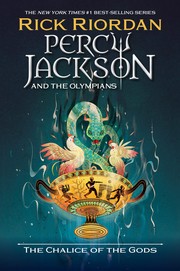
The Chalice of the Gods
Percy needs three recommendation letters from three gods to apply to college, so his first quest is recovering a stolen chalice from the god of old age.
2,106-word summary · 9 min read

The Burning Maze
Apollo, still trapped in a mortal teenager's body, follows a dangerous prophecy through the Labyrinth with Meg and Grover as the Triumvirate's grip tightens.
2,248-word summary · 10 min read

Lore
Lore Perseous, the last of a hunted bloodline, is pulled back into the Agon when a wounded Athena offers her revenge against the god who killed her family.
2,188-word summary · 10 min read
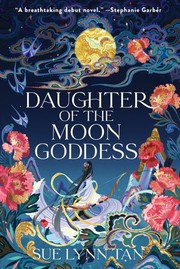
Daughter of the Moon Goddess
The daughter of Chang'e hides in the Celestial Court, trains as an archer, and risks everything to free her mother from the Emperor's punishment.
2,146-word summary · 10 min read
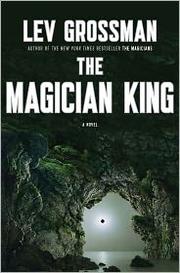
The Magician King
Quentin rules a peaceful Fillory until a golden key strands him on Earth, while Julia's brutal road from hedge witch to demigod rewrites the whole story.
2,431-word summary · 11 min read

A Fate Inked in Blood
In Norse-inspired Skaland, a fish gutter hiding a goddess's blood is claimed by a jarl, bound by oath, and guarded by the son she cannot want.
1,971-word summary · 9 min read

Savage Bonds
Oli's deadly gift is out in the open, her Bond runs the show, and the Resistance is closer than ever in the second Bonds that Tie novel.
2,431-word summary · 11 min read

Half-Blood
Half-blood Alex trains at the Covenant while gods stir and rules close in.
2,601-word summary · 12 min read
Broken Bonds
Oleander returns after five years on the run to face the five men she is bonded to, in J. Bree's 2021 opener of resentment, training, and slow trust.
2,582-word summary · 11 min read

Gleam
Captive Auren finds power in gold touch while Slade hunts her across kingdoms in Plated Prisoner book three.
2,073-word summary · 9 min read

Lore Olympus: Volume One
Sheltered Persephone meets lonely Hades at an Olympus party, and gossip, old trauma, and new power test their slow bond.
2,283-word summary · 10 min read
Glint
A gold-skinned captive of Midas falls to Fourth Kingdom troops and learns to fight with the ribbons she hid.
2,969-word summary · 13 min read

A Shadow in the Ember
Promised to Nyktos, the King of Gods, mortal Sera must face prophecy, the Rot and a bargain that tests loyalty and desire.
2,571-word summary · 11 min read
Gild
A gold-skinned woman kept as Midas favored learns her cage is a bargain, then war drags her onto the road.
2,755-word summary · 12 min read
Anansi Boys
A dull Londoner learns his dead dad was a spider god and his slick brother inherited all the magic.
2,036-word summary · 9 min read
The War of Two Queens
Caged Poppy endures Blood Queen while Casteel marches and gods wake.
2,112-word summary · 9 min read
Ruthless Vows
Iris hunts for missing Roman while Dacre holds his memory, and linked letters pull them toward war's end.
3,501-word summary · 16 min read
Norse Mythology
Gaiman retells the Norse myths in order, from the creation of the world to Ragnarok, with Odin, Thor and Loki at the center.
4,647-word summary · 21 min read

Divine Rivals
Iris Winnow trades secret letters with rival Roman Kitt as gods Enva and Dacre wake to war.
2,594-word summary · 12 min read
Circe
Exiled witch Circe masters plant magic on Aiaia, faces gods and monsters, loves Odysseus, and chooses a mortal life.
2,957-word summary · 13 min read

American Gods
Shadow Moon leaves prison to work for Mr Wednesday and gets pulled into war between old gods and new.
3,718-word summary · 17 min read

Iron Flame
Violet survives her first year at Basgiath and returns for war games, rebellion secrets, and a harder second year.
2,687-word summary · 12 min read