

A Shadow in the Ember
2,571-word summary 11 min read
- First published
- 2021
- Publisher
- Blue Box Press
- ISBN
- 9781952457609
- Series
- Flesh and Fire (#1)
Reading options
What's inside (9 sections)
I came to this one after reading the Blood and Ash books, and I was curious how a prequel set centuries earlier would feel. Would it stand on its own. Would it just repeat the same moves with new names. A Shadow in the Ember, published by Blue Box Press in 2021 as Flesh and Fire book 1, does a bit of both. It lives in the same universe as Blood and Ash, with gods and prophecies and bargains, but its center is a new pair. Seraphena, called Sera, and Nyktos, also called Ash, who is the true King of Gods and tied to Death.
Let me say up front that I am keeping some plot points general on purpose. This is a long romantic fantasy with a lot of reveals about parentage and prophecy, and summaries that spell out every twist can spoil the fun. I will walk through the story in order, name the people and places that matter, and flag where the book is vague or where I am paraphrasing rather than quoting.
A prequel set centuries before Blood and Ash
The easiest way to place this book is by time. Blood and Ash follows Poppy and Casteel in a world already shaped by old wars and the Ascended. A Shadow in the Ember steps back centuries to show an earlier chapter of that same world. Gods walk more openly here. Old deals still feel fresh. The history that characters in the later books quote like legend is happening now.
The land most at stake early on is Lasania, Sera's home kingdom. It is a mortal place under strain. Crops fail. People grow thin. A sickness in the land called the Rot creeps across fields and villages and leaves blight behind. The court speaks of duty and prophecy as answers, but the streets feel the cost first. Soldiers drill. Priests pray. Mothers hide food.
Sera grows up inside this pressure. From childhood she is set apart as the mortal maiden promised to the King of Gods. That promise shapes her schooling and her friendships and even how servants speak to her. She learns to fight. She learns court manners. She learns the prayers tied to Nyktos. She also learns that being chosen is lonely. Other girls her age marry or train for ordinary posts. She waits for a god.
I liked this opening because Armentrout takes time with it. We see lessons and bruises and awkward dinners. We see Sera listening at doors when adults discuss the Rot and the prophecies. We see her bond with her family even as the court reminds her that her life belongs to a bargain made before she could consent. That tension between duty and self carries the whole book.
Sera and the promise to Nyktos
Sera, full name Seraphena, is the heart of the story. She is mortal, young, trained to defend herself, and angry in a way she tries to hide. Angry at the gods for asking so much. Angry at her own kingdom for offering her up. Angry at herself when fear slips through during training.
The promise is simple on the surface. She will be given to Nyktos, the King of Gods, whose name is linked with Death. In court talk this sounds holy. In private, Sera hears other versions. Nyktos is cold. Nyktos is fair. Nyktos collects what he is owed. Some say he barely notices mortals. Others say he notices everything and forgets nothing.
What Sera is not told plainly at first, and what the book circles for a long while, is that her role may not end with service or marriage. She has been shaped into someone who could kill him if she must. Her lessons include blades and close fighting alongside prayers and etiquette. Her guardians speak of destiny in soft words that still sound like orders. She practices smiles for court and strikes for darker work.
Nyktos, called Ash by those close to him, enters slowly. He is powerful and controlled, used to being obeyed, and tired in a way that shows at odd moments. He watches Sera more closely than she expects. He asks direct questions. He does not flatter. When she lies, he notices. When she stands her ground, something in him seems to approve even if he will not say so.
Their early scenes are careful. A meeting in a hall. A walk with guards near. Talk about the Rot and what Lasania needs. Sera tries to read him. Is he cruel. Is he kind in a shape she does not yet know. Ash tries to read her back. Is she only a frightened maiden sent by a desperate king. Or is she sharper and more willing than her court believes.
Saion and Nektas and the draken
Fantasy lives or dies by its side cast, and here the standouts are tied to Ash. Saion is a guard and friend type, loyal and blunt, the kind of man who says what a room is thinking. He spars with Sera, teases her, and also tests her limits. Through him we see how Ash's household works. Loyalty is prized. Weakness is noticed. Humor helps people bear long watches.
Nektas is older and steadier, a draken who serves Ash and carries weight in counsel. The draken in this universe are dragon linked beings who can shift between forms, and Nektas is their anchor on the page. He is polite to Sera but never soft. He watches her hands when she trains. He watches her face when prophecy is named. He seems to be deciding, over many chapters, whether she can be trusted near his king.
The draken as a group add heat and scale. A shadow crossing the sun. A landing that shakes dust from banners. A hot breath that smells of smoke and stone. Armentrout writes these beats well. She lets wonder sit beside fear. Sera has heard stories of draken all her life, and now one lands in front of her and speaks like a courtier. It throws her more than any sword drill.
There are mortal figures too. The Golden King is spoken of as a threat from another court, hungry for land and magic, willing to use the Rot as cover for raids and demands. Sera's own family is mixed. Love is real there, but so is use. Her mother and the court priests remind her of duty whenever she wavers. A few servants and friends show her quiet kindness, slipping her food or news, and those small acts matter more to her than grand speeches.
I appreciated that the book does not rush these bonds. Saion earns Sera's respect through sparring rather than speeches. Nektas earns it through restraint. Even the draken who circle at a distance feel like people with views, not pets. When danger comes later, you believe these fighters would stand in front of Ash and Sera both.
The Rot and the prophecies
Every romantic fantasy needs a pressure beyond the couple, and here it is the Rot plus prophecy. The Rot is blight made active. Fields blacken. Wells turn foul. Livestock sicken. Villages that once paid taxes in grain now beg for seed. Travelers speak of whole roads gone quiet. Priests call it punishment. Soldiers call it war by other means. Farmers just call it hunger.
Prophecy hangs over this decay like smoke. Old words promise a maiden, a king, a joining that might slow the blight or end it. Different courts read the same lines in different ways. Lasania reads them as hope. The Golden King's people read them as license. The gods read them with tired eyes, as beings who have seen prophecies bent before.
Sera is caught in the middle of these readings. To Lasania she is an offering that might buy rain and health. To her enemies she is a piece to seize or spoil. To some gods she is a risk. A mortal raised on half truths, carrying a blade near a king, speaking words she was taught without being told their full weight.
Armentrout is good at showing how prophecy warps choices. A priest withholds news because the timing is wrong by the stars. A lord sends soldiers to the wrong border because an oracle dreamed of fire in the east. Sera herself starts to doubt her lessons. If the words about her are true, why do the teachers disagree on what they mean. If they are false, why has her whole life been shaped around them.
One strong stretch has Sera walking through a village touched by the Rot with Ash nearby. The details stay plain. Empty stalls. A shut well. A child staring too long. No grand speech fixes it. Ash can burn or command, but he cannot make rain fall on one field without cost elsewhere. That limit makes the gods more interesting. Power is real here, but it is not tidy.
Bargain and forced closeness that turns into trust
The middle of the book turns on a bargain. Sera needs safety for her people and time to learn the truth. Ash needs obedience to old law and a maiden who will not bolt or lie at every turn. They strike terms that bind them close. Shared rooms. Shared guards. Shared meals where every word is weighed.
At first this closeness is all friction. Sera keeps her blade near and her plans nearer. Ash sets rules and watches to see which ones she breaks. They argue about Lasania and the Golden King and what duty allows. They argue about training. He thinks she is reckless. She thinks he is sheltered by power. Both are partly right.
Slowly, use gives way to notice. He sees how she treats servants when she thinks no one watches. She sees how he speaks to Nektas and Saion when he thinks she is asleep. Small courtesies build up. A cloak offered in cold. A warning given before a hard meeting. A question asked instead of an order.
The romance builds in that space. Talk first, then touch. Armentrout writes attraction plainly, with long scenes of tension and release. Readers who liked the later Blood and Ash books will know the rhythm. Banter with an edge. A hand held too long. A bargain clause that forces nearness and then stops feeling like force.
Marriage custom matters here. In this world, being claimed or wed under godly rite changes safety and status fast. Sera knows that a public tie to Ash could shield her from the Golden King and from her own court. She also knows it could trap her if Ash turns cold. So she resists even as she leans in. She wants choice inside a life built by others choosing for her.
I found this push and pull believable even when the pacing sagged. Trust between these two cannot be quick. She was raised to end him if needed. He was raised to accept offerings without asking what they cost. Every kind act has to cross that history. When they finally speak plainly about fear, it lands because the book made them earn it.
Length and spice and repeat beats
Now the fair complaints, because this book needs them. It is long, and it feels long in the middle. Training scenes blur. Court talks circle. Prophecy is discussed in slightly new words that do not add much. I skimmed a few councils where lords repeated what priests had just said.
The spice is heavy by design, and readers will split on it. Some will love the slow burn and the payoffs. Others will feel the plot pauses too often for extended intimate scenes. I sit between. The early tension scenes sharpen character, but later ones repeat beats. A look across a table. A bath or bedchamber talk that turns heated. A pause for duty, then back to heat. Once you see the pattern, you cannot unsee it.
Blood and Ash readers will also spot reused moves. A guarded heroine with hidden training. A powerful love interest with a softer name used in private. A bargain that forces nearness. A reveal about blood and birth that reframes earlier scenes. Saion fills a role much like another loyal guard from the later books. Nektas echoes older mentors. Even the draken, fun as they are, recall the wolven in how they guard and tease.
None of this ruins the book, but it keeps it from feeling fresh all the way through. Armentrout has a formula she trusts, and she uses it here with care yet without much surprise. If you are new to her work, this will feel rich and full. If you have read Poppy and Casteel's story, you will guess several turns before Sera does.
The prose can also lean on familiar fantasy phrasing. Oaths and titles repeat. Men growl and order. Women narrow eyes and lift chins. I did not mind it in small doses, but across hundreds of pages it flattens some scenes that wanted sharper talk.
Where it leaves Sera and Nyktos
Without giving away the final twists, the closing third raises the stakes and pays off the bargain thread. The Golden King's plans press harder on Lasania and on Sera herself. The Rot spreads in ways that force Ash to act rather than watch. Saion and Nektas are drawn into fights that test their loyalty in public, not just in quiet rooms.
Sera has to choose what kind of weapon she will be. Will she carry out the duty she was raised for, even if her feelings have changed. Will she trust Ash with the full truth about her training and risk his anger. Will she trust her own reading of prophecy over the priests who raised her. These choices are put in plain scenes, often with blades out or gods watching, and Sera answers them with action rather than speeches.
Ash has to choose too. Will he hold to old law and take what was promised, or will he bend law to protect a mortal who lied to him. His answer comes in stages, not in one grand vow. A concession here. A defense there. A moment where he stands between Sera and harm from his own side. I liked that gradual turn more than a sudden change of heart.
The end closes this volume while leaving the larger war open, as first books do. Some threads tie off. The bargain shifts into something more honest. Sera and Ash stand closer, though not safe. Other threads stay loose. The Rot is not cured. The Golden King is not done. The prophecies still have lines unfilled.
I finished feeling warm toward Sera and Ash and ready for the next book, even with my complaints about length and repeats. Sera's anger feels earned. Ash's tired care feels real. Saion and Nektas give the court life beyond the couple. Lasania feels lived in, hungry and proud at once.
If you are starting here without reading Blood and Ash, you can follow everything. The book reteaches the gods and the rites as it goes. If you are coming from Poppy's story, treat this as a deeper well for the same water. Same themes of choice and consent and power, earlier in time, with a new maiden learning, like the last one, how to hold a blade and a bargain at once.
FAQ
Is A Shadow in the Ember part of a series?
Yes. It is Flesh and Fire book 1, published by Blue Box Press in 2021. It is set centuries before the Blood and Ash books in the same universe.
Who are the central characters?
Seraphena, called Sera, and Nyktos, also called Ash, the King of Gods tied to Death. Saion, Nektas and the draken support them, with the Golden King as a threat.
Do I need to read Blood and Ash first?
No. It starts a new thread centuries earlier, so new readers can begin here. Blood and Ash readers will catch returning ideas about gods, prophecies and bargains.
Similar books
More from Flesh and Fire first, then related titles.

A Light in the Flame
Held by Nyktos in the Shadowlands, Sera faces trials, Kolis and the Rot while broken trust is tested.
2,577-word summary · 11 min read
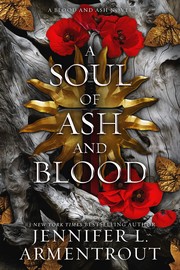
A Soul of Ash and Blood
Casteel retells Poppy fall and rise while she sleeps under siege.
2,458-word summary · 11 min read
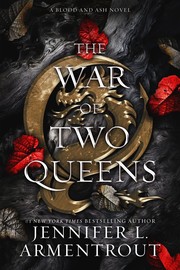
The War of Two Queens
Caged Poppy endures Blood Queen while Casteel marches and gods wake.
2,112-word summary · 9 min read
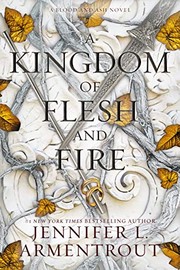
A Kingdom of Flesh and Fire
Poppy travels to Atlantia with Hawke as Casteel while war, prophecies, and her own gifts close in.
3,048-word summary · 14 min read

Vow of Thieves
Kazi and Jase return to Tor's Watch to find it occupied, and their marriage is tested by captivity, betrayal, and a war for the town of Hell's Mouth.
2,059-word summary · 9 min read

Archenemies
Nova steals for the Anarchists while Adrian hides his Sentinel identity, and a serum that erases prodigy powers puts them both at risk.
2,485-word summary · 11 min read

Magician's Gambit
Garion and his companions cross haunted Maragor and the caves beneath Rak Cthol to recover the Orb of Aldur.
2,391-word summary · 11 min read
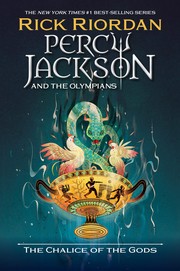
The Chalice of the Gods
Percy needs three recommendation letters from three gods to apply to college, so his first quest is recovering a stolen chalice from the god of old age.
2,106-word summary · 9 min read

The Rose & the Dagger
Shahrzad is pulled from her Caliph husband and left in a desert camp of rebels, needing to break his curse and end a war before it ends her.
2,520-word summary · 11 min read

We Hunt the Flame
In a fractured Arabia-inspired world, a disguised huntress and a prince-assassin race to find a magic-restoring book and confront an ancient evil.
2,195-word summary · 10 min read
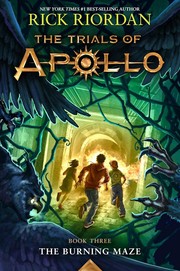
The Burning Maze
Apollo, still trapped in a mortal teenager's body, follows a dangerous prophecy through the Labyrinth with Meg and Grover as the Triumvirate's grip tightens.
2,248-word summary · 10 min read

Lore
Lore Perseous, the last of a hunted bloodline, is pulled back into the Agon when a wounded Athena offers her revenge against the god who killed her family.
2,188-word summary · 10 min read

The Magician King
Quentin rules a peaceful Fillory until a golden key strands him on Earth, while Julia's brutal road from hedge witch to demigod rewrites the whole story.
2,431-word summary · 11 min read
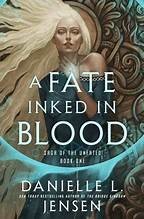
A Fate Inked in Blood
In Norse-inspired Skaland, a fish gutter hiding a goddess's blood is claimed by a jarl, bound by oath, and guarded by the son she cannot want.
1,971-word summary · 9 min read
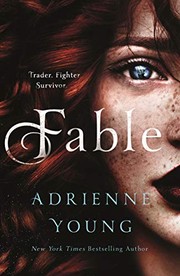
Fable
Abandoned on a lawless island at fourteen, Fable spends four years diving for gems to buy passage off it, straight into the cutthroat trade of the Narrows.
2,320-word summary · 10 min read

When the Moon Hatched
An assassin who hears air takes a job that throws her to dragons and a hunter.
2,083-word summary · 9 min read

The Winner's Curse
An aristocratic girl buys a slave who is secretly a prince plotting rebellion.
2,124-word summary · 9 min read
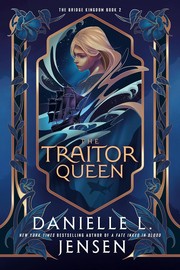
The Traitor Queen
Exiled Lara returns to free Aren and break her father hold.
2,328-word summary · 10 min read

The Iron Queen
Meghan faces the Iron King past while Ash pays a winter price.
2,548-word summary · 11 min read

Electric Idol
Psyche wears a camera deal to dodge Aphrodite and falls for Eros.
2,332-word summary · 10 min read

A Winter's Promise
Ophelia reads objects and is sent to marry Thorn on a cold ark.
2,502-word summary · 11 min read

A Touch of Malice
Engaged Hades and Persephone face gods who vote on their marriage.
2,562-word summary · 11 min read
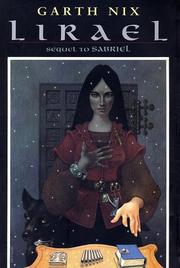
Lirael
A Sightless Clayr girl and a prince afraid of Death join the Dog and Mogget to stop necromancers from waking the Destroyer Orannis at the Red Lake while old…
2,692-word summary · 12 min read
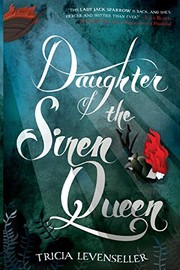
Daughter of the Siren Queen
Alosa hunts the last map pieces toward Isla de Canta while defying her father Kalligan, facing her brother Draxen, and choosing her loyal crew and Riden at…
2,643-word summary · 12 min read
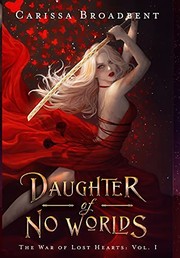
Daughter of No Worlds
A former slave with rare magic hires exiled warrior Max to train her for a daring rescue, sparking slow burn love and wider war in this big 520-page fantasy…
2,529-word summary · 11 min read

The Iron Daughter
Exiled with Ash after the scepter theft, Meghan hunts the Iron stronghold as iron magic wakes inside her.
2,995-word summary · 13 min read
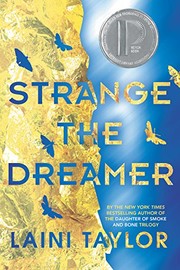
Strange the Dreamer
Orphan librarian Lazlo Strange joins a quest to the lost city of Weep, where blue-skinned godspawn haunt dreams.
2,221-word summary · 10 min read

Crossroads of Twilight
Rand cleansed saidin and the whole world felt it. Book ten follows each faction as they react, stall, and choose sides.
2,264-word summary · 10 min read

The Kiss of Deception
Princess Lia flees an arranged marriage and hides in a village, unaware one stranger is a prince and the other an assassin.
2,196-word summary · 10 min read
The Gathering Storm
Rand hardens toward breaking the world while Egwene holds the White Tower from a cell in the twelfth Wheel of Time book.
2,176-word summary · 10 min read