

A Torch Against the Night
3,105-word summary 14 min read 480 pages in the book
- First published
- 2016
- Publisher
- Razorbill
- Pages
- 480
- ISBN
- 9781101998885
- Series
- An Ember in the Ashes (#2)
Reading options
What's inside (9 sections)
I came to this one tired in the best way. I had finished An Ember in the Ashes and I could not stop thinking about Laia and Elias on the run and Helene stuck back at Blackcliff. A friend told me book two was slower and sadder, and I put it off for a week. Then I caved on a rainy Saturday and read half of it in one sitting. A Torch Against the Night is book two in the An Ember in the Ashes series by Sabaa Tahir, published in 2016 by Razorbill in the 480 page edition cited here. It follows Laia of Serra and Elias Veturius fleeing north toward Kauf Prison to free Laia's brother Darin, while Helene Aquilla hunts them under new orders.
I will keep some side details general here on purpose. Tahir packs in tribes, smugglers, rebels, ghosts and old magic, and I do not want to misstate a name or a family tie from memory. The shape of the story is what stayed with me, and that I can retell cleanly.
The setup is urgent from page one. At the end of book one, Elias refused to kill Laia in the final Trial. Marcus took the crown. Elias was marked for death. Laia chose to run with him rather than hide. Now they are out past the city walls with the Empire closing roads behind them and winter pressing down from the north. Their goal sounds simple. Break Darin out of Kauf before the Empire kills him. Getting there is the whole book.
What I liked right away is that both leads stay scared and capable at once. Laia is not suddenly a fighter. Elias is not suddenly free of training. They limp, they argue, they patch each other up and keep walking.
Running north with no good map
Laia and Elias leave Serra with little gear and less trust from the world around them. The Empire wants Elias dead as a traitor. It wants Laia as a runaway slave who knows too much about the Commandant's house. Patrols watch the main roads. Prices for horses and food jump when soldiers pass through. Every innkeeper has to decide whether to help strangers or turn them in.
They are not alone the whole time. Izzi, a fellow slave girl from the Commandant's household, travels with them for part of the way, and Keenan, the young rebel Laia knew from Serra, crosses their path as well. I am keeping their arcs light because the exact order of who joins and who leaves gets tangled, but their presence matters. Izzi reminds Laia of what she survived back in that house. Keenan reminds her of the Resistance promise that never quite paid out.
The early travel chapters mix practical survival with old wounds. They steal cloaks. They treat blisters. They learn which wells are safe. Elias teaches Laia how to hold a knife and how to walk quiet through scrub. Laia teaches Elias how to listen to people without scaring them. At night they take watches. Elias barely sleeps. He spent years at Blackcliff learning to wake at any sound, and freedom has not turned that off.
Tahir writes hunger well here. Not in a showy way. Just empty stomachs, shared bread, cold hands that will not hold a bow steady. I felt the miles in my legs reading it. There are fights too, quick and messy, with town guards and bounty men who do not care about honor. Elias can still kill fast when he must, and he hates that he can. Laia freezes the first time she has to act, then acts and shakes after. That beat repeats in different forms, and I found it honest.
There is also a quiet thread about what freedom means for Elias. He spent his whole youth being told he belonged to the Empire. Now no one owns him on paper, but his body still moves like a soldier. He keeps counting exits in rooms. He keeps planning ambushes on empty roads. Freedom, for him, is not joy at first. It is disorientation.
Helene and the Blood Shrike mask
While Laia and Elias run, Helene Aquilla stays behind and pays the price of loyalty. Marcus, now Emperor, names her Blood Shrike. In plain terms, she becomes his enforcer and sword hand, bound to obey even when orders sicken her. For a Blackcliff graduate raised on duty, the title is both honor and chain.
Helene gets some of the strongest pages in the book. She does not want to hunt Elias. He was her closest friend through years of brutal training. She also knows that refusing Marcus means death for her and punishment for her family. So she rides out with soldiers, follows tracks, questions villagers, and tries to do the job without losing herself.
Her chapters show the Empire from inside. Marcus is cruel and unstable, needy for praise one hour and violent the next. The Commandant, Keris Veturia, circles the court with her own plans and treats Helene as a tool to be aimed. Older officers test Helene to see if a woman can hold the Shrike role. Younger soldiers watch her for any softness toward the fugitives. She drinks to sleep. She writes letters she cannot send. She holds to the code she learned as a girl because it is the only rail left on a cliff path.
I liked that Tahir does not make Helene a simple rival. She is not chasing Laia out of jealousy. She is chasing her best friend because the state told her to, and every mile costs her. When she picks up a trail, part of her hopes it goes cold. When she loses time to storms or bad guides, part of her feels relief and then guilt for feeling it. That push inside her gave the middle of the book weight when the travel plot slowed.
Her combat scenes are sharp. Helene fights like someone trained since childhood, clean and fast, and Tahir keeps the moves readable without turning them into show pieces. A skirmish at a way station, a night raid gone wrong, a duel that ends before pride can finish it. Blood costs something each time. Soldiers she knows do not come back. She writes their names down in her head and keeps riding.
Ghosts, djinn and old stories waking up
As the fugitives move north, the story lets in more of the old magic. Book one hinted at Augurs and spirits and tales told around fires. Book two opens that door wider. The Nightbringer, a strange and patient figure tied to the djinn and to old grief, moves through the background and sometimes steps close. I will stay general on his lore because the book reveals it in pieces and I do not want to flatten it. Think of him as vengeance with a long memory, tied to fire and to promises broken generations ago.
Laia feels this magic most. She carries an armlet given by a dying rebel, and it seems to tug her toward paths she cannot explain. She dreams of the dead. She hears voices at the edge of camps. At first she tells herself it is stress and hunger. Then Elias sees enough to stop doubting her. The book never lets magic solve travel for them. If anything, it adds risk. Ghosts ask for help. Spirits set prices. Old places remember killings and do not welcome soldiers.
Cook, the strange woman from the Commandant's household who knows far more than a kitchen worker should, drifts back into the story here with warnings and half answers. I found her scenes creepy in a good way. She speaks in riddles when plain talk would save time, but the riddles point true. She knows Kauf. She knows the Commandant. She knows what the Nightbringer wants, or claims to. Laia wants to trust her because Cook once helped keep her alive. Elias wants to keep distance because anyone tied to Keris Veturia smells like a trap.
The tribes add color and friction on the road. Traders, raiders, healers, storytellers. Some shelter the fugitives for a night because guest law still means something out past Empire posts. Some sell news of them for coin. One stop I kept thinking about involves a healer who treats Laia's infected cuts and asks no questions, then refuses pay and tells them to walk faster. Small kindnesses like that glow against the cold.
This is also where the book asks you to accept slower pacing for mood. Long walks. Strange dreams. Fireside tales that explain why the land hates the Empire. If you read fantasy for lore, you will enjoy this stretch. If you read for chases, you may fidget. I split the difference. I liked the ghost pressure building around Kauf, but I wished some tales were shorter.
Love and loyalty under strain
The romance in this book is tangled, and readers argue about it a lot. I get why. Laia cares for Elias. They have saved each other. They have slept back to back for warmth and woken up unwilling to move first. At the same time, Laia has history with Keenan, the rebel who once made her feel brave and chosen. Elias has history with Helene, a bond built from years of training pain that love stories rarely capture.
Tahir does not tidy this into a clean triangle. It feels more like a snarl where duty pulls one way and want pulls another. Laia trusts Elias with her life and still wonders if she is a burden slowing his escape. Elias wants Laia safe and still hears Blackcliff in his head telling him attachment gets people killed. Keenan offers belonging to a cause, which tempts Laia when Elias pulls away to protect her. Helene loves Elias in a way she will not name on duty, and hates Laia for holding the part of him she cannot reach.
Some of this worked for me. The scenes where Laia and Elias tend wounds or share food carry real tenderness because their bodies are tired and their guards are down. A hand kept too long on a bandage. A cloak shared without comment. Those beats landed.
Some of it wore me down. There are repeated jealousy spikes that stall the march. A look held too long. A sharp word at camp. A night of silence after. When you are hungry and hunted, I buy some friction. When it cycles four or five times with little new said, it starts to feel like filler. I found myself skimming one camp argument because I knew both lines before they spoke them.
That said, the book uses romance to test loyalty rather than to pause plot. Who do you warn first when patrols near. Who do you leave behind to save the mission. Who gets the last dose of medicine. Those choices hurt more because feelings are involved. The love plot is not separate from the Kauf plan. It keeps raising the price of it.
The road breaks everyone a little
By the middle third, everyone is hurt in some way. Feet blister and reopen. Old sword cuts swell. Fever comes and goes. Food runs short, then shorter. Horses go lame. Guides quit. Snow starts in the high passes. Tahir does not let the reader forget the body. Even Helene, with Empire supply behind her, rides through storms that kill mounts and freeze fingers to reins.
This is the part of the book that divides readers. Itimed it roughly, and the trek takes up a large share of pages. If you like survival detail, you will settle in. If you want Kauf fast, you will feel the drag. I landed in between. I admired the grit, but I wished the book had cut one or two side stops. A village delay and a tribal detour cover similar ground about Empire cruelty. One of them could have been shorter.
What kept me going was how the strain changes talk. Laia stops apologizing for everything and starts giving orders when Elias is down. Elias stops treating her as cargo and starts asking her read on people. Izzi, when she is with them, shows steel that the Commandant's house tried to beat out of her. Even Keenan, who I never fully trusted, shows guts when running would be easier. Pain strips manners away and leaves clearer selves.
Helene breaks in a different way. Command pressure, lack of sleep, grief for friends, fear for her sister and mother back home. She starts making small choices that bend orders without breaking them outright. Letting a villager go with a warning. Reporting a trail as colder than it is. These bends scare her more than battles. At Blackcliff, the rule was simple. Obey or bleed. As Shrike, every mercy feels like treason and every cruelty feels like self loss.
The ghosts press harder as Kauf nears. Winds carry voices. Fires burn wrong colors. The Nightbringer's name comes up in whispers among people who do not whisper about anything else. Tahir keeps the horror light enough for young adult shelves but heavy enough to chill a night camp. I read one passage near midnight and had to put the lamp on. The land itself seems to warn them that Kauf is not just a prison. It sits on old pain.
Kauf Prison and what it costs
Kauf is the magnet the whole book points toward. Darin, Laia's brother, is held there after being taken for treason. The place has a name across the Empire as the hole traitors go into and do not come out of. High walls. Cold sea or cliffs depending on which approach you take. Guards who are paid to be bored and cruel in turn. Prisoners worked thin. The Commandant has ties to the site, which makes any plan to sneak in worse.
Planning the break takes up a tense stretch. They cannot walk up and knock. They need uniforms, timing, a map of shifts, a way past inner gates, a story for why a girl and a wounded soldier are anywhere near the walls. Help comes from unlikely places, including people inside who have their own debts to settle. I will not lay out the step by step because the fun is in watching it wobble. Suffice to say the plan is thin, the window is short, and the weather does not cooperate.
The break itself is the best action in the book. Alarms, close calls in corridors, a courtyard run under arrows, a choice about who gets carried when no one can run fast. Darin, when they find him, is in bad shape. He has held on, but barely. Laia seeing him after so many miles hit me harder than any battle. All that walking, all that hunger, narrowed to one bruised face she almost does not recognize.
Losses land hard here. Not everyone walks out. Help costs lives. A guard who looked away pays. A prisoner who pointed down the right hall does not make the stairs. Tahir does not soften it. Elias carries blame that is not fully his. Laia carries guilt for asking people to risk for her brother. The win of finding Darin sits right beside grief for who fell to make it happen. I thought this mix was the most honest part of the book.
The Commandant's shadow hangs over the whole sequence. Keris Veturia does not need to be in every scene to rule it. Her training, her spies, her past choices shaped Kauf and shaped the people trying to crack it. When her hand shows, it is cold and fast. You understand why even brave characters go quiet at her name.
The book does not end with rest. The group gets out but not clean. Injuries, pursuit, a parting that feels more like a tear. Helene's hunt collides with the escape in a way that leaves marks on both sides. Old magic wakes fully near the end and asks a price no one wants to pay. The last chapters point toward war rather than safety. I closed it sad and wired, already reaching for book three.
What I admired and what I did not
Let me be plain about strengths first. The dual voices still work. Laia and Helene carry different kinds of fear, and cutting between flight and hunt keeps both plots from going slack for long. Elias grounds Laia's chapters with dry care. The survival detail, when it is not repeating, feels lived in. Kauf delivers as a set piece. And Tahir writes cruelty without making it fun. When the Empire hurts people, the book stays with the hurt instead of moving on for cool points.
The flaws are real too. The middle trek runs long. I counted at least two stops that teach the same lesson about Empire reach. The romance loops. Laia ping pongs between resolve and doubt about both boys in ways that feel more like page filling than growth. Elias broods in circles about leaving Laia to keep her safe, then staying, then leaving again. Helene's chapters are the most consistent, but even she gets stuck waiting on Marcus moods for stretches.
Tone is grim. That is fair for a rebellion story, but know it going in. Torture, death, grief, ghosts that feed on pain. There is warmth in small acts, a shared meal or a carried pack, yet the book rarely lets you rest in it. I needed breaks. I took walks between chapters. Younger teens or sensitive readers should start with book one and check how that felt before diving here, because this volume leans darker.
Would I still tell a friend to read it. Yes, if they finished book one and want the full arc. This is a middle book that acts like one. It moves pieces from Serra to the north, it deepens Helene into a co lead, it frees Darin at cost, and it wakes old powers that will shape the war. It does not stand alone. Read it as part of the run.
For me, the heart is Laia choosing to keep walking when every wise voice says hide. She starts book one as a girl who freezes. She ends book two as someone who plans raids and pays for them. That growth is slow, painful and a little uneven across so many miles. It still moved me. I worried about her like a younger sister by the end, which is why I forgave the sag and followed her toward the next fire.
FAQ
When was A Torch Against the Night published?
Razorbill published it in 2016. The edition cited here runs 480 pages and the ISBN is 9781101998885.
Is A Torch Against the Night part of a series?
Yes. It is book 2 in the An Ember in the Ashes series, following An Ember in the Ashes and continuing Laia and Elias on the road to Kauf.
Who are the main characters?
Laia of Serra, Elias Veturius, Helene Aquilla as Blood Shrike, plus Cook, Izzi, Keenan and Commandant Keris Veturia.
Similar books
More from An Ember in the Ashes first, then related titles.
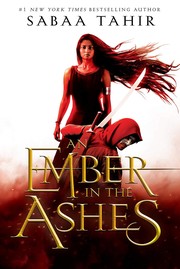
An Ember in the Ashes
Laia spies inside Blackcliff to save her brother while Elias, its finest soldier, plots desertion, until the Trials force them together.
2,828-word summary · 13 min read
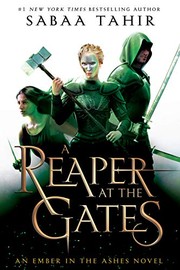
A Reaper at the Gates
The Martial capital falls to an army of ghosts, Elias becomes the Soul Catcher, and Laia and Helene pay brutal prices as the Nightbringer moves to free the…
1,991-word summary · 9 min read

We Hunt the Flame
In a fractured Arabia-inspired world, a disguised huntress and a prince-assassin race to find a magic-restoring book and confront an ancient evil.
2,195-word summary · 10 min read
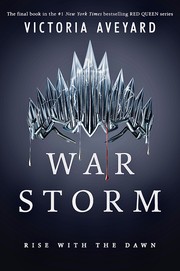
War Storm
Exiled Mare Barrow faces a final war for Norta as Maven breaks down and free lands demand a steep price for peace. Old loves strain as Montfort and Lakeland…
2,860-word summary · 13 min read
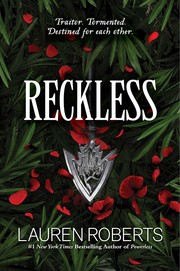
Reckless
Paedyn and Kai flee the scorched city into trials where every ally charges a price in blood.
2,007-word summary · 9 min read
King's Cage
Chained by Maven with Silent Stone, Mare endures while Cal and the Guard gamble on rescue and alliance.
2,001-word summary · 9 min read
The Thief
A boastful young thief is pulled from a prison to steal a legendary stone for the king's magus, and the story he tells about himself is not the whole story.
2,514-word summary · 11 min read

Inkdeath
The final Inkworld novel sends Mo into the land of the dead, leaves Meggie choosing between two boys, and ends the Adderhead's immortality with three written…
2,062-word summary · 9 min read

Vow of Thieves
Kazi and Jase return to Tor's Watch to find it occupied, and their marriage is tested by captivity, betrayal, and a war for the town of Hell's Mouth.
2,059-word summary · 9 min read

The Lost Sisters
Taryn Duarte writes a letter to her twin, Jude, explaining how she fell for Locke and why she stayed silent while he used them both.
1,914-word summary · 9 min read

The Icebound Land
Captured and enslaved in Skandia, Will fights a drug that erases him while Halt and Horace cut a bloody road through Gallica to bring him home.
2,088-word summary · 9 min read
Lioness Rampant
Alanna searches for the Dominion Jewel with the Shang Dragon, then returns to Tortall to face Duke Roger at Jonathan's coronation.
2,478-word summary · 11 min read

Iron Widow
Wu Zetian enlists to avenge her sister, kills her pilot, and becomes an Iron Widow in a mecha Huaxia where the machines are built to kill women.
2,444-word summary · 11 min read

Archenemies
Nova steals for the Anarchists while Adrian hides his Sentinel identity, and a serum that erases prodigy powers puts them both at risk.
2,485-word summary · 11 min read

The Siren
Saved from a shipwreck in 1930, Kahlen becomes a siren who sings men to their deaths for the Ocean, until a boy in a college library makes her want a life she…
2,369-word summary · 11 min read
Dealing with Dragons
A princess who hates embroidery runs away to become the cook and librarian for a dragon, then has to outthink wizards, knights, and a plot against the dragon…
2,563-word summary · 11 min read

Cruel Beauty
A girl raised to kill the demon prince who rules her cursed land instead falls in love with him, in a retelling that mixes Beauty and the Beast with Bluebeard…
2,669-word summary · 12 min read

The Golem's Eye
Two years after The Amulet of Samarkand, Nathaniel is a rising bureaucrat, Bartimaeus is his unwilling servant again, and something made of clay is tearing…
2,299-word summary · 10 min read

Demonglass
Sophie Mercer spends the summer at the Council's English estate, where two new demons, a suspicious host, and Archer's return complicate her plan to remove her…
2,771-word summary · 12 min read

Born at Midnight
Kylie Galen is sent to a camp for troubled teens and discovers it is a haven for vampires, werewolves, and witches, and that she may be something stranger…
2,310-word summary · 10 min read

The Chalice of the Gods
Percy needs three recommendation letters from three gods to apply to college, so his first quest is recovering a stolen chalice from the god of old age.
2,106-word summary · 9 min read
The Ship of the Dead
Magnus and his crew sail to the edges of the Norse worlds to stop Loki from launching Naglfar, the ship of the dead.
2,426-word summary · 11 min read

The Rose & the Dagger
Shahrzad is pulled from her Caliph husband and left in a desert camp of rebels, needing to break his curse and end a war before it ends her.
2,520-word summary · 11 min read
The Queen of the Tearling
Nineteen-year-old Kelsea leaves the woods to take her throne, ends a shipment of human captives, and draws the Red Queen's revenge.
2,357-word summary · 10 min read
The Magician
Sophie and Josh flee to Paris with Nicholas Flamel, where John Dee, Machiavelli, and an awakened god close in on the missing pages of the Codex.
2,162-word summary · 10 min read

The Hazel Wood
Alice Proserpine has spent her life running from bad luck. When her mother vanishes, she follows a trail of fairy-tale clues to her grandmother's estate and…
2,064-word summary · 9 min read

The Burning Maze
Apollo, still trapped in a mortal teenager's body, follows a dangerous prophecy through the Labyrinth with Meg and Grover as the Triumvirate's grip tightens.
2,248-word summary · 10 min read

Stars Above: A Lunar Chronicles Collection
Nine Lunar Chronicles stories fill in the histories of Cinder, Wolf, Thorne, Cress, Winter, and Jacin, and end with a wedding after the war.
2,230-word summary · 10 min read

Lore
Lore Perseous, the last of a hunted bloodline, is pulled back into the Agon when a wounded Athena offers her revenge against the god who killed her family.
2,188-word summary · 10 min read
In the Hand of the Goddess
Alanna, still disguised as a boy, survives war, court plots, and a death duel as the Goddess's chosen warrior in the second Song of the Lioness book.
2,018-word summary · 9 min read