

A Touch of Ruin
2,085-word summary 9 min read 441 pages in the book
- First published
- 2020
- Publisher
- Bloom Books
- Pages
- 441
- ISBN
- 9781728258461
- Series
- Hades and Persephone (#2)
Reading options
What's inside (12 sections)
I continued to A Touch of Ruin because A Touch of Darkness left Persephone and Hades exposed. Scarlett St. Clair first published it in 2020, and my reading follows the 441 page Bloom Books paperback. Persephone and Hades go public, tragedy strikes, and she bargains her way toward queenship through grief and error. It is spicy, angsty romantasy for adults, messier than book one and more interesting about power.
After the contract and the bet, Persephone's relationship with Hades has gone public. New Athens media frenzies over the God of the Dead dating a supposed mortal journalist. Her cover as ordinary girl shreds. Co workers stare. Her mother Demeter rages. Gods pick sides in print. Persephone, still learning her powers as Goddess of Spring, must perform normalcy while flowers answer her moods and the Underworld watches. That exposure pressure drives the first third. Love in headlines curdles fast.
Public love, private cracks
Hades carries his own storm. His hellish past, Apollo's barbs, and Theseus adjacent grudges all surface as warnings meant to scare Persephone off. He broods, withholds, and works. She, new to godhood and hungry for honesty, reads his silences as lies. Their fights follow a real pattern. She demands transparency. He protects through omission. Both claim love. Both keep score. Those quarrels frustrated me in the way real couples' fights do, which I take as craft. St. Clair writes immortal miscommunication with mortal accuracy.
Then horrible tragedy strikes someone Persephone loves, leaving her heart in ruin. I will keep the victim general here beyond saying the loss shatters her trust in Hades, who refuses the one help she begs. His refusal is not cruelty but law. Even gods can not undo certain deaths without prices that break worlds. Persephone hears only no. Grief curdles into fury, and fury into bargains. She strikes deals with severe consequences to fix what can not be fixed. Those chapters show her at her worst and most human. Desperate people sign anything. Goddesses included.
Her bargains lead to the book's darkest stretch. Debts owed to dangerous gods. Powers misfiring through rage. A side of Hades she never knew surfacing under strain. Faced with crushing loss and a lover suddenly strange, Persephone wonders if she can truly become his queen. That question is the book's spine, more than any external villain. Queenship here means choosing a house that runs on death while your own nature makes life. The paradox is the plot. Can spring rule winter's house without freezing. Every bargain tests the answer.
Powers, bargains, and consequences
Persephone's magic grows messily through the book, which I preferred to tidy training arcs. Her touch, barren since childhood, now sparks uncontrollably when she feels. Gardens bloom and wither with moods. That volatility terrifies her and thrills Hades, who sees a queen's strength raw. Lessons with Hecate help fitfully. Real control comes only through accepting grief rather than bargaining past it. That emotional mechanics will satisfy readers tired of power as leveling. Here power is mourning metabolized. Feel fully or burn blindly.
The bargains themselves carry proper costs. Favors owed to gods who collect cruelly. Tasks that stain. Secrets kept from Hades that rot trust further. One deal in particular, struck at lowest point, shadows the rest of the book and into the series. St. Clair does not let Persephone wriggle out through love's pardon. Consequences persist past apologies. That persistence gives romantasy real stakes. Kisses do not cancel debts. Work and time might. The book respects that math even while swooning.
Hades's own arc mirrors through restraint breaking. The God who controls everything can not control his lover's grief or the Fates' ledgers. His refusal to help, which reads as betrayal, stems from knowledge of what intervention costs. When he finally explains, late and badly, sympathy shifts without excusing. He should have told her sooner. She should have asked differently. Both truths sit together. Their reunion, when it comes, is hotter for having burned. Spice in this series runs explicit and frequent, for adults only, and here it serves reconciliation rather than novelty. Bodies apologize where words failed. That use feels earned after genuine rupture.
What burns and what blurs
What burns is emotional honesty inside fantasy heat. Persephone's grief, rage, and growth feel specific rather than tropey. Her journalism career fraying under fame grounds godhood in rent and deadlines. Hades's past, parceled through enemies' taunts, gains texture beyond brooding. The New Athens setting, with gods on talk shows and in clubs, keeps myth modern without winking too hard. At 441 pages the book earns its length through consequences that stick.
What blurs is middle repetition. Fights follow a loop. She demands. He withholds. She bargains. He broods. They reunite heatedly. Repeat with higher stakes. Readers who tired of book one's contract dance may sigh at book two's bargain spiral. Persephone herself can read as childish here, as many Goodreads reviews complain, making impulsive deals then resenting costs she agreed to. I found her frustrating and sympathetic by turns, which matches grief. But those wanting a heroine who learns faster will fume. She learns slowly, through burns.
The prose is lush, dialogue heavy, and unabashed about heat. Short chapters. Cliffhanger cuts. Myth retold with modern therapy language about boundaries and communication. That blend comforts many and clunks for classicists who want distance. St. Clair writes for BookTok devotees who annotate fights and tab spice. If that is you, the book delivers exactly. If you wanted mythiccool, look elsewhere. This is hot, hurt, and human scaled despite gods.
New Athens as pressure cooker
The modern myth setting does heavy lifting here as fame machinery. Gods appear on talk shows. Tabloids track Hades's limo. Protesters gather where Persephone shops. That publicity turns private quarrels into public trials with comment sections. St. Clair uses media storm less for satire than for pressure. Every fight risks exposure. Every reconciliation gets photographed. Love under klieg lights curdles faster. The couple can not heal quietly because quiet is unavailable to gods. That constraint explains rushed reconciliations that might otherwise read as authorial hurry. They hurry because cameras wait.
Demeter's maternal menace grows across the book from background disapproval to active threat. She wants Persephone contained, pure, and useful to her own designs. Her scenes with her daughter mix genuine fear for her safety with control that suffocates. Persephone's rebellion against her mother parallels and complicates her submission to Hades. One leash loosened. Another tightened. Recognizing the pattern takes her most of the book. Readers with difficult mothers will wince at the accuracy. Love that monitors. Care that cages. The difference between Hades and Demeter, Persephone slowly learns, is that one loosens grip when asked twice. The other never does.
Lexa and Sybil, mortal and divine friends respectively, ground Persephone's godly drama in girlhood that persists past apotheosis. Sleepovers with wine. Work gossip. Comfort after nightmares. Those scenes remind that Persephone is twenty something as well as goddess. She needs friends who knew her before headlines. When tragedy touches that circle, grief hits harder than any divine politics. The book's saddest pages are not about thrones. They are about empty chairs at familiar tables. Power can not refill those. Only time and tears try.
Gods learning therapy language
The book's modern diction around boundaries and communication deserves comment as generational bridge. Hades says he needs space. Persephone names gaslighting. Friends prescribe self care. Those terms, foreign to myth, make ancient dynamics legible to readers raised on therapy talk. Classicists may wince at anachronism. Most readers will feel seen. A god learning to say I was wrong models repair better than thunderbolts do. That pedagogical layer explains BookTok devotion beyond spice. Followers tab fights not just kisses. They bring arguments to comments like case studies. The series functions as relationship sandbox with fangs.
What the language sometimes obscures is genuine power imbalance no vocabulary fixes. He is ancient king of dead. She is young goddess finding spring. Consent between such unequals needs more than check ins, however earnest. St. Clair senses this and has Persephone build independent power rather than rely on his restraint. Her magic lessons matter more than his promises. That structural answer redeems the diction. Talk plus power shifts. Without the second, first is decoration. The book delivers both by finale, unevenly but genuinely.
Rereading the contract from book one through book two's fallout shows growth in what Persephone demands. First she traded freedom for experience. Now she trades obedience for terms. That tightening reflects real learning curves in unequal loves. First surrender. Then negotiation. Finally co rule or exit. She has not arrived by book's end, which frustrates readers wanting coronation. The slow climb suits a saga planned across volumes. Queenship as process, not prize. Keep watching her hands. They steady.
Spice with stakes
The book's explicit content deserves frank craft note for adult readers deciding. Scenes run frequent, detailed, and tied to emotional beats rather than inserted for quota. Reconciliation heat differs from early conquest heat in language and pacing. Softer. Longer. More eye contact. Those calibrations show writers thinking about what bodies mean after rupture. Kink elements appear with negotiation that models consent inside fantasy power gaps. Safe words implied if not always stated. Aftercare shown. Readers who annotate spice will find variety across chapters. Those who skip will still follow plot, though character texture thins. The heat is load bearing here, not decorative.
What the spice can not fix, and the book knows, is structural inequality between ancient king and young goddess. No amount of negotiated scenes equalizes millennia. St. Clair addresses this through Persephone's growing independent portfolio. Job. Friends. Magic. Each reduces dependence that made early consent murky. By finale she stays because she chooses land and self, not because contract binds. That trajectory answers critics who called book one coercive. Slowly, unevenly, the series earns its romance through power redistribution. Watch the portfolio, not just the positions.
Series position and promise
As middle bridge between Darkness's contract and Malice's fallout, Ruin carries the burden of deepening without resolving. It succeeds where middle books often stall by letting consequences stick. Bargains bind. Deaths hold. Trust rebuilds slowly rather than resetting per volume. Readers tracking series arcs will find threads planted for Hades's POV retellings and later god wars. Those seeds do not choke this volume's own shape. Persephone moves from demanded rescue to demanded responsibility across these pages. That movement is complete enough to satisfy while opening enough to pull forward. Middle done right.
Demeter's shadow over spring
Demeter's presence as devouring mother deserves final emphasis because she shapes Persephone's choices more than Hades does. Where Hades negotiates, Demeter commands. Where he withholds, she surveils. Persephone's flight from her mother's estate into Hades's house reads less as romance than as exchange of cages until she builds power of her own. Recognizing that pattern takes most of the book and gives feminist readers the real arc. Escape one garden. Tend your own. By finale Persephone grows things Hades can not, which rebalances every bargain struck from weakness. Spring answers winter's house with bloom. Keep seeds.
For readers tracking heat and heart
Newcomers sometimes ask whether to start here or with Darkness. Start with Darkness for contract stakes that pay off in Ruin's fallout. Returning readers should note Ruin rereads differently after Malice, with bargains echoing forward into consequences the next volume collects. The saga rewards order and rereading alike. Tab the fights. Flag the deals. Watch Persephone's hands steady across pages from clutching to cultivating. That visual throughline carries the whole arc from rescued girl toward reigning queen. Growth measured in grip.
Who should descend
Give A Touch of Ruin to adult romantasy readers who finished Darkness and want consequences, to Hades and Persephone myth lovers who enjoy modern New Athens, to BookTok fans who tab bargains and burns. Do not give it to teens, to readers avoiding explicit content, or to those wanting standalone closure. Content warnings from later editions apply. Suicide references and sexual violence shadows appear. Pair it with A Touch of Malice next, where fallout continues.
At 441 pages I read it across three nights, marking bargain pages. Persephone starts demanding love prove itself through rescue and ends learning queenship means choosing a hard house with open eyes, bargaining less and ruling more. That turn, from rescued to ruler in progress, is why the middle book matters past steam. Ruin precedes reign. She walks through one toward the other.
FAQ
When was A Touch of Ruin published?
First published in April 2020. The Bloom Books paperback runs 441 pages and the ISBN is 9781728258461.
Is it part of a series?
Yes. It continues Hades and Persephone after A Touch of Darkness, before A Touch of Malice.
Is it suitable for teens?
No. It is adult romantasy with frequent explicit scenes, for mature readers only.
Similar books
More from Hades and Persephone first, then related titles.

A Touch of Darkness
Persephone bargains with Hades in New Athens nightclub deal.
2,545-word summary · 11 min read

A Touch of Malice
Engaged Hades and Persephone face gods who vote on their marriage.
2,562-word summary · 11 min read

Electric Idol
Psyche wears a camera deal to dodge Aphrodite and falls for Eros.
2,332-word summary · 10 min read

Magic Burns
A magic flare hits Atlanta, and mercenary Kate Daniels must recover stolen maps, find a missing witch, and keep a teenage girl alive while Celtic gods try to…
2,021-word summary · 9 min read

The Siren
Saved from a shipwreck in 1930, Kahlen becomes a siren who sings men to their deaths for the Ocean, until a boy in a college library makes her want a life she…
2,369-word summary · 11 min read

Fantasy Lover
A New Orleans sex therapist summons a cursed Spartan general from an ancient book and gets one month to break his spell.
2,315-word summary · 10 min read
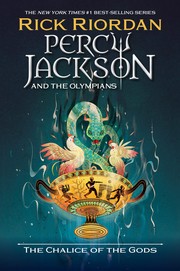
The Chalice of the Gods
Percy needs three recommendation letters from three gods to apply to college, so his first quest is recovering a stolen chalice from the god of old age.
2,106-word summary · 9 min read

Lover Unleashed
Paralyzed vampire warrior Payne and surgeon Manny Manello collide in an adult paranormal romance, as Xcor's Band of Bastards arrives in Caldwell for revenge.
2,374-word summary · 11 min read

The Burning Maze
Apollo, still trapped in a mortal teenager's body, follows a dangerous prophecy through the Labyrinth with Meg and Grover as the Triumvirate's grip tightens.
2,248-word summary · 10 min read

Lore
Lore Perseous, the last of a hunted bloodline, is pulled back into the Agon when a wounded Athena offers her revenge against the god who killed her family.
2,188-word summary · 10 min read
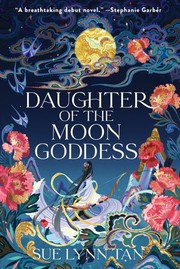
Daughter of the Moon Goddess
The daughter of Chang'e hides in the Celestial Court, trains as an archer, and risks everything to free her mother from the Emperor's punishment.
2,146-word summary · 10 min read

The Magician King
Quentin rules a peaceful Fillory until a golden key strands him on Earth, while Julia's brutal road from hedge witch to demigod rewrites the whole story.
2,431-word summary · 11 min read
A Fate Inked in Blood
In Norse-inspired Skaland, a fish gutter hiding a goddess's blood is claimed by a jarl, bound by oath, and guarded by the son she cannot want.
1,971-word summary · 9 min read

Half-Blood
Half-blood Alex trains at the Covenant while gods stir and rules close in.
2,601-word summary · 12 min read
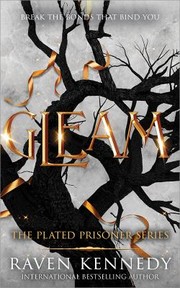
Gleam
Captive Auren finds power in gold touch while Slade hunts her across kingdoms in Plated Prisoner book three.
2,073-word summary · 9 min read

Lore Olympus: Volume One
Sheltered Persephone meets lonely Hades at an Olympus party, and gossip, old trauma, and new power test their slow bond.
2,283-word summary · 10 min read
Glint
A gold-skinned captive of Midas falls to Fourth Kingdom troops and learns to fight with the ribbons she hid.
2,969-word summary · 13 min read

A Shadow in the Ember
Promised to Nyktos, the King of Gods, mortal Sera must face prophecy, the Rot and a bargain that tests loyalty and desire.
2,571-word summary · 11 min read
Gild
A gold-skinned woman kept as Midas favored learns her cage is a bargain, then war drags her onto the road.
2,755-word summary · 12 min read

Anansi Boys
A dull Londoner learns his dead dad was a spider god and his slick brother inherited all the magic.
2,036-word summary · 9 min read
The War of Two Queens
Caged Poppy endures Blood Queen while Casteel marches and gods wake.
2,112-word summary · 9 min read

Neon Gods
Promised to Zeus, Persephone flees to Hades and trades fake dating for real choice in Olympus.
2,002-word summary · 9 min read
Ruthless Vows
Iris hunts for missing Roman while Dacre holds his memory, and linked letters pull them toward war's end.
3,501-word summary · 16 min read
Norse Mythology
Gaiman retells the Norse myths in order, from the creation of the world to Ragnarok, with Odin, Thor and Loki at the center.
4,647-word summary · 21 min read

Divine Rivals
Iris Winnow trades secret letters with rival Roman Kitt as gods Enva and Dacre wake to war.
2,594-word summary · 12 min read

Circe
Exiled witch Circe masters plant magic on Aiaia, faces gods and monsters, loves Odysseus, and chooses a mortal life.
2,957-word summary · 13 min read

American Gods
Shadow Moon leaves prison to work for Mr Wednesday and gets pulled into war between old gods and new.
3,718-word summary · 17 min read
King of Battle and Blood
A bride sent to marry vampire king Adrian plans to kill him, fails, and must survive his court.
2,465-word summary · 11 min read
The Thief
A boastful young thief is pulled from a prison to steal a legendary stone for the king's magus, and the story he tells about himself is not the whole story.
2,514-word summary · 11 min read

Six Scorched Roses
A dying scholar bargains with a reclusive vampire for blood, and six roses turn a transaction into a slow, dangerous romance.
2,663-word summary · 12 min read