

Reading options
What's inside (8 sections)
I came to Heidi because I wanted a classic I had only met through cartoons and a vague memory of goats. Heidi by Johanna Spyri was first published in 1880 by Friedrich Andreas Perthes in Gotha, with the original German title Heidis Lehr- und Wanderjahre, followed by a second volume in 1881. The English edition I used for page reference is the 320 page Puffin Books paperback with ISBN 9780141322568. It is a standalone novel, though later writers made sequels that Spyri did not write. I expected something sweet and slight. What I found was tougher and more religious than the TV version, and more interested in loneliness than in mountains as postcards.
Heidi herself is small when we meet her. She is five, orphaned, the daughter of Tobias and Adelheid, left first with her grandmother and her aunt Dete in Maienfeld. Dete gets a job offer in Frankfurt and decides she cannot take a child along, so she walks Heidi up the mountain to live with her grandfather, a man the village calls the Alm Uncle. He lives alone in a hut above Dorfli, keeps goats, makes his own cheese, and rarely comes down. People say he is bitter because he lost family and quarreled with God and neighbors. Heidi has never met him. She arrives in a little dress and hat, carrying nothing much, and stares.
I liked how fast Spyri moves here. No long goodbye. Dete leaves almost at once. The old man looks at the child with annoyance. Heidi looks back with open curiosity. Within a day she has found where the goats sleep, where the wind comes from, and where to sit to see the valley. That curiosity is the engine of the whole book. Heidi does not change places by force. She changes them by paying close attention and asking plain questions.
Up the mountain to the Alm Uncle
The hut life is described with a lot of concrete detail, and I settled into it. There is a loft with hay for a bed, a stool made for Heidi, a fireplace, bowls of warm goat milk, bread and cheese. The grandfather shows love through work rather than words. He builds her a stool. He gives her his own blanket. He lets her go out with the goats. He does not say much. When Heidi asks why he frowns, he does not explain. He just keeps carving or stirring.
Heidi adapts without drama. She takes off her fine clothes when they get in the way. She runs barefoot. She learns to love the fir trees and the wind and the high meadows. Spyri writes the mountain mornings as bright and cold, with birds and bells. I found those passages lovely in small doses and a bit repeated if I read too long at a stretch. The point is clear though. Heidi breathes easier up high. She eats well. She sleeps deep in hay. The old man softens by inches. He stops scowling when she laughs. He starts waiting for her to come back from the pasture.
Dorfli below stays suspicious. People remember the Alm Uncle as a young man who went away as a soldier to Naples, came back with a son, lost that son and his wife early, and then shut everyone out. They blame him for his own solitude and also pity Heidi for being left with him. The pastor and a neighbor or two urge him to send her to school. He refuses. He says she is too young, the walk is too far, the village is unkind. Part of that is care. Part is pride. He does not want the village to judge him through the child. That refusal will matter later when Heidi leaves, because lack of schooling becomes one reason Dete feels justified in taking her.
A small note on tone. Spyri tells you how to feel about people quickly. The grandfather is gruff but good. Dete is selfish and hurried. The villagers are gossipy. I did not mind this at first because Heidi herself sees clearly, but as an adult reader I wanted a bit more shade. Dete in particular gets little mercy. She is poor, female, with few options, and she hands a five year old to a recluse. The book treats that as bad. It is bad. I only wished Spyri let Dete be tired as well as wrong.
Goats, Granny and no school
The middle of the mountain section belongs to Peter the goatherd, his family, and the goats. Peter is eleven, sullen, not schooled much, good with animals and clumsy with people. He herds the village goats each day to the high pasture. Heidi joins him. She learns the names and habits of the animals, especially Schwanli and Baerli, the pale little goat and the darker one, and the grandfather goats that push and butt. She drinks milk warm from the pail. She eats cheese outdoors. She asks Peter endless questions. He answers in short bursts and shows off when he can.
Brigitte, Peter mother, is kind but worn. The blind grandmother, called Granny, lives with them in a small hut between the village and the Alm hut. Granny cannot see, cannot spin as she once did, and spends long days listening. Heidi visits and talks and describes flowers and light. Granny lives for those visits. Heidi reads nothing yet, because she cannot read, but she tells what she saw that day in order, which is its own kind of reading. Those scenes are simple and strong. An old woman who cannot leave her chair. A child who brings the pasture indoors with words.
Peter jealousy and pride show early. He likes being the expert. When Heidi knows something he does not, he sulks. When she praises his goats, he glows. Spyri does not smooth him into a cute sidekick. He lies sometimes. He hits goats when frustrated. He skips school when he can. I appreciated that roughness. It makes his later worst act feel possible rather than pasted on.
School stays in the background like a drum. Heidi is now eight in story time, though the book moves loosely with seasons, and she still does not attend. The Alm Uncle keeps her up high through winter in later years, which worries the pastor. Heidi herself does not miss school because she does not know what it is. She learns other things. How to sit still with Granny. How to share bread. How to pray in her own short way. The faith here is plain and Protestant, with hymns and thanks, not doctrine debates. If you are allergic to religious talk in children books, know it is woven through. It did not preach at me, but it is present, especially in how Heidi comforts Granny with songs and verses.
Taken to Frankfurt
Three years pass in a few pages, and Dete returns. She has found a position for Heidi in Frankfurt as a companion to a wealthy invalid girl named Klara Sesemann. Dete presents it as opportunity. School, fine clothes, city manners, money for help. The Alm Uncle refuses. Dete pushes, partly with guilt and partly with law and talk of what is proper. Heidi, who does not understand contracts, is told she can return soon and is carried off before she can hold her ground. The grandfather shuts his door. Heidi cries on the way down.
Frankfurt is a shock written on purpose as gray and rule bound. Herr Sesemann is a kind businessman often away. His mother, Frau Sesemann, called Grandmamma, is warm and shrewd and only present at intervals. The daily power is Fraulein Rottenmeier, the housekeeper, who runs the house with lists, bells, and disapproval. There is a kind manservant named Sebastian, a sharp maid named Tinette, and a friendly doctor named Classen who watches quietly. Klara herself is twelve, bright, friendly, unable to walk, living mostly in a big house and a wheelchair. She is delighted by Heidi. Heidi is bewildered by everything else.
The comedy here is real. Heidi does not know what a bell for servants means. She tries to go outside when she should stay in. She asks where the mountains are from a window that shows roofs. She brings kittens and confusion. She calls Adelheid when scolded, because Rottenmeier insists on her full name, while everyone else learns Heidi. Klara laughs more than she has in months. Those laughs are the reason the household keeps Heidi despite the chaos. Friendship works fast between the girls because both are lonely in different ways. Klara is lonely in company. Heidi is lonely without sky.
Rottenmeier is the problem and, to me, the weakest craft. She is strict to the point of caricature, horrified by animals, accents, and noise. Every scene with her follows the same beat. Heidi errs. Rottenmeier corrects. Klara giggles. Sebastian smooths. I laughed twice, then tired. A stricter but smarter adult would have raised the stakes. As written, she is easy to dislike and hard to believe as a manager of a rich house. Kids will likely enjoy hating her. I wanted one scene where she was competent at something other than scolding, to make her feel human.
School of a sort finally comes. Grandmamma decides Heidi must learn to read and write. Heidi resists at first. Letters swim. Then Grandmamma gives her a book of Biblical stories and time and praise, and Heidi learns fast because she wants to read hymns to Granny one day. That motive matters. Reading is not for marks. It is for a blind old woman down the mountain. I found that touching and true to how kids learn when love is attached to skill.
The big house with rules
Daily life in Frankfurt settles into lessons, meals, and small rebellions. Heidi learns table manners badly and street manners not at all. She hides bread in her wardrobe to take to Granny someday, which causes a mouse scare and more scolding. She tries to see the sky from a tower and gets in trouble. She misses goats with a physical ache. Klara, meanwhile, blooms a little with company. She eats better. She studies with more interest. She defends Heidi when Rottenmeier is harsh. The doctor notes both girls with care. He sees Heidi fading and Klara brightening, and he does not pretend both can be fixed by rules.
Herr Sesemann is decent and distracted. He likes Heidi honesty and Klara happiness, but he leaves management to Rottenmeier. Grandmamma is the adult I trusted most. She tells stories, gives books, corrects without shaming, and sees homesickness for what it is. When she leaves, the house gets colder. That coming and going feels honest about rich families where love is real but intermittent. Sebastian helps with quiet kindness, slipping food and jokes. Tinette sneers, which Heidi feels without fully understanding. Servant hierarchy is sketched, not explored, and that is fine. This is not a book about labor. It is about two girls in a house too big for them.
The religious thread tightens here without becoming a sermon. Heidi prays at night in her own words. She listens to stories about God caring for the lost. She does not argue theology. She asks if she can go home. The adults answer with delays. Prayer becomes her way to say what she cannot say at table. I did not find it forced. It felt like a child using the tools she has. Readers who prefer secular classics should know it is there, steady rather than loud.
Homesick and sleepwalking
Heidi decline is handled with restraint. She does not stage scenes. She eats less. She pales. She cries quietly. She sleepwalks, opening doors at night and wandering, which the household first takes for ghosts. Tinette screams. Sebastian arms himself with humor and a stick. The doctor is called. He watches, asks gentle questions, and gives the true diagnosis. Heidi is homesick to the point of illness. The cure is not medicine. It is return. Herr Sesemann, to his credit, arranges it at once, with thanks and gifts.
The farewell with Klara hurt me more than I expected. Klara gives books and promises letters. Heidi promises to remember and to come back in some form. Both know their lives will narrow again. Klara will be alone with rules. Heidi will be home but will miss her friend. Spyri lets them grieve without pep talks. That restraint is better than any speech about friendship. Two girls hold hands. A carriage waits. A housekeeper pretends relief and feels something like shame.
Heidi return is the emotional high of the book and it earns it. She brings presents. A soft shawl for Granny. Bread that is actually fresh this time. A book from Grandmamma with stories and hymns. The goats crowd. Peter gapes. Brigitte weeps. Granny touches Heidi face as if to see her. The Alm Uncle stands a little apart, then holds Heidi close. He does not say much. He does not need to. Heidi is home, and home means more because she was taken away.
Reading becomes the bridge. Heidi can now read, and she reads hymns to Granny, who cannot see the words but can hear the comfort. That scene, repeated on different evenings, does more than any mountain description. A child sounds out lines slowly. An old woman breathes easier. Faith here is practical. It gives words for fear and thanks. Heidi motive for learning pays off in the exact place she hoped. I thought of kids who learn to cook to feed a parent or learn a song to sing to a grandparent. Usefulness makes skill stick.
The grandfather change follows. One evening Heidi reads the story of the Prodigal Son to him from the book Frau Sesemann gave her. He listens. That night he prays for the first time in years. Soon he walks with Heidi to church in Dorfli, sits among people who once judged him, and stays through winter down in the village so Heidi can attend school. It is a large turn, and Spyri does not oversell it with miracles. No sudden wealth. No apology tour. Just a man rejoining a community through a child routine. I believed it because it was gradual in action even if sudden in feeling.
Klara learns to walk
Letters keep the two households tied. Heidi writes plainly about goats and Granny and school. Klara writes about the house and lessons and missing Heidi. The doctor visits the Alm to see Heidi thriving and to judge if mountain air might help Klara. He is kind, observant, and honest about limits. He recommends a summer visit. Herr Sesemann and Grandmamma agree. Klara arrives with care and pillows and worry, and the mountain does what it does in this book. Appetite returns. Color returns. Laughter returns.
Peter is the shadow here. He loves Heidi in his rough way and hates sharing her. When Klara stays and Heidi tends to her, Peter feels pushed aside. He also feels judged by Frankfurt manners. In a burst of jealousy he pushes Klara empty wheelchair down the mountain so it smashes. It is a shocking act, and Spyri does not excuse it. Peter is wracked with guilt and later confesses. I found this episode both necessary and hard. Necessary because jealousy needs a shape. Hard because a disabled girl transport is destroyed as a plot device. Modern readers may flinch. I did. The book treats it as a sin to confess rather than a prank, which helps, but it still uses Klara vulnerability to move the story.
Without the chair, Klara must try to stand and walk. She tries with Heidi and the grandfather helping, first a step, then more, on grass that forgives falls. Goat milk and air get credit in the text, and I rolled my eyes a little at the simple cure story. A child who could not walk now walks because mountains and love removed fear. As medicine it is thin. As story it is powerful. Spyri is not writing a case report. She is writing about what happens when a child who was carried starts to believe she can try. Klara effort is real even if the physiology is vague. Her father and grandmother arrive to see her walking and weep with joy. The Sesemann promise to care for Heidi if her grandfather ever cannot does the rest. Two families join.
I closed Heidi with mixed feelings that lean warm. The character painting is often black and white. Rottenmeier never grows. The city never breathes. The cure narrative feels dated. Peter punishment is light for a cruel act. Yet the center holds. A gruff old man learns to pray and to live among people. A blind old woman gets stories in the evening. A lonely rich girl finds a friend who tells the truth. A homesick child learns to read so she can give words away. Those are not small things. They are the reasons the book has lived in fifty languages and millions of copies.
Read it in sittings rather than one rush. The pasture chapters blur if hurried. Pause on the Granny reading scenes and the return home. If reading with a child, talk about Peter act and why guilt follows, and talk about why Heidi faith helps her without making her passive. Heidi is not passive. She notices, asks, carries bread, learns letters, and pulls people back to each other. The mountains help, but Heidi does the work. That is what I will remember next time I see a cartoon goat and think I know this story. I did not know it until I read it straight through.
FAQ
When was Heidi first published?
The first German volume appeared in 1880 from Friedrich Andreas Perthes in Gotha, with the second in 1881. The Puffin paperback cited here runs 320 pages with ISBN 9780141322568.
What does Heidis Lehr- und Wanderjahre mean?
It is the original German title of the first volume, usually rendered as Heidi Her Years of Wandering and Learning.
Is Heidi part of a series?
No. Spyri wrote Heidi as a standalone in two parts. Later sequels like Heidi Grows Up were written by others.
Similar books
Make Way for Ducklings
A pair of mallards raise eight ducklings on the Charles River and lead them across Boston to the Public Garden, with a little help from a friendly policeman.
2,044-word summary · 9 min read

Little Town on the Prairie
In the spring after the Long Winter, fifteen-year-old Laura sews shirts, studies for a teaching certificate, and helps send her blind sister Mary to college.
2,071-word summary · 9 min read

Hard Luck
Rowley has a girlfriend, so Greg turns to a Magic 8 Ball, a family Easter hunt and the school yearbook for answers.
2,586-word summary · 11 min read

Clifford the Big Red Dog
Emily Elizabeth picks the smallest puppy in the litter, loves him as hard as she can, and wakes up to a dog the size of a house.
2,092-word summary · 9 min read

The Borrowers
A family of tiny people live under the floorboards of an English house, borrowing what they need until a lonely boy and a suspicious housekeeper change…
2,164-word summary · 10 min read

Harriet the Spy
Eleven year old Harriet Welsch fills notebooks with honest, often cruel observations about her neighbors, until her classmates read one and turn her spy route…
2,510-word summary · 11 min read

Stellaluna
A baby fruit bat falls into a bird nest, learns to perch and eat bugs, then reunites with her mother in Cannon's acclaimed 1993 picture book about difference…
2,486-word summary · 11 min read

Roll of Thunder, Hear My Cry
In Depression-era Mississippi, nine-year-old Cassie Logan learns what her Black family's land costs and why they keep it.
2,273-word summary · 10 min read

Cabin Fever
Greg Heffley gets snowed in with his family before Christmas while dodging blame for school property damage.
2,221-word summary · 10 min read

The Ugly Truth
Greg faces puberty, a school lock-in and Uncle Gary's wedding while Mom returns to college in Wimpy Kid book five.
2,766-word summary · 12 min read

Fantastic Mr. Fox
Mr. Fox raids three cruel farmers to feed his family, then outdigs tractors and a siege to host a feast underground.
2,910-word summary · 13 min read
Walk Two Moons
Sal rides west with her grandparents telling Phoebe's story while facing her own mother's absence in Idaho.
2,554-word summary · 11 min read
Anne of the Island
Anne leaves Avonlea for Redmond College, shares Patty's Place with friends, and learns to tell admiration apart from love.
2,766-word summary · 12 min read
Pippi Longstocking
A super-strong nine-year-old lives alone in Villa Villekulla, upending school, circus and town rules with neighbors Tommy and Annika.
3,115-word summary · 14 min read

Alexander and the Terrible, Horrible, No Good, Very Bad Day
Alexander has one bad day from gum in his hair to bedtime, while his family copes and his mother stays honest.
2,548-word summary · 11 min read
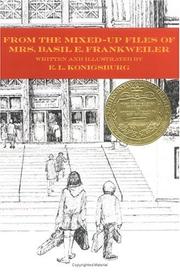
From the Mixed-Up Files of Mrs. Basil E. Frankweiler
Claudia and Jamie run away to the Met, chase whether a 225 dollar Angel is a Michelangelo, and trade secrets with Mrs. Frankweiler.
2,774-word summary · 12 min read

Are You My Mother?
A newborn bird falls from the nest and asks a kitten, a hen, a dog, a cow, a plane and a giant Snort if any will be his mother.
2,351-word summary · 10 min read

Because of Winn-Dixie
Lonely Opal names a stray Winn-Dixie and finds ten friends, plus a way to ask her preacher father hard things.
2,024-word summary · 9 min read

Tuck Everlasting
Winnie Foster meets the immortal Tuck family in the woods and must decide whether to drink from their spring.
2,750-word summary · 12 min read

A Little Princess
Rich Sara Crewe loses her father and fortune at boarding school, survives the attic on stories and kindness, and is rescued from next door.
2,867-word summary · 13 min read
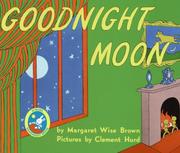
Goodnight Moon
A small bunny says goodnight to each object in the green room in this 1947 bedtime classic.
2,600-word summary · 12 min read
A Light in the Attic
Silverstein's attic poems and line drawings turn chores, monsters, and homework into jokes and small rebellions.
2,998-word summary · 13 min read
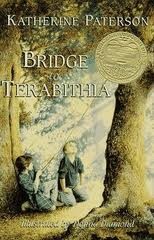
Bridge to Terabithia
Katherine Paterson's Bridge to Terabithia retold: Jess Aarons and Leslie Burke build an imagined kingdom and face sudden loss.
2,673-word summary · 12 min read
Winnie-the-Pooh
Edward Bear comes downstairs bump-bump-bump and into the Hundred Acre Wood for honey, hunneys, and heffalumps.
2,068-word summary · 9 min read
The House at Pooh Corner
Tigger bounces into the Hundred Acre Wood while Pooh builds Eeyore a house and Piglet does a grand thing.
2,022-word summary · 9 min read
The Secret Garden
Sour Mary Lennox lands at Misselthwaite Moor from India, finds a locked garden with Dickon, and pulls sickly Colin to his feet.
2,036-word summary · 9 min read
Matilda
Brilliant Matilda Wormwood teaches herself to read, faces her crooked parents and the fearsome Miss Trunchbull, and finds Miss Honey.
2,296-word summary · 10 min read

The Long Winter
Dakota Territory, 1880: seven months of blizzards cut a town off from the railroad, and a family survives on twisted hay, ground wheat, and a dangerous wheat…
2,210-word summary · 10 min read

Little Earthquakes
Four Philadelphia women meet during pregnancy and discover that new motherhood is nothing like the plan, while friendship becomes the thing that holds them…
1,997-word summary · 9 min read

Amelia Bedelia
A literal-minded housekeeper follows her employer's list to disastrous and funny effect in the 1963 picture book that made wordplay a children's staple.
2,038-word summary · 9 min read