
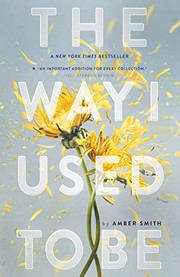
The Way I Used to Be
3,022-word summary 13 min read 384 pages in the book
- First published
- 2016
- Publisher
- Margaret K. McElderry Books
- Pages
- 384
- ISBN
- 9781481449366
- Series
- The Way I Used to Be (#1)
Reading options
What's inside (8 sections)
I put off reading this one for a while because I knew it would hurt. The Way I Used to Be by Amber Smith was first published in 2016 by Margaret K McElderry Books, 384 pages in hardcover, ISBN 9781481449366. It is book 1 in The Way I Used to Be series. It follows Eden from age fourteen to the end of high school after she is assaulted by an older boy she trusted, a close friend of her brother. I finally read it on quiet evenings, a section at a time, because the voice felt so direct. Eden tells her own story year by year, freshman to senior, and you watch silence harden into habit and then, slowly, crack open.
What struck me first was how normal Eden life looks before everything shifts. She has a brother she adores, parents who seem busy and fond in the usual distracted way, and a tight circle of friends from middle school who move into high school together. She likes clothes and jokes and late talks. She has opinions about teachers. She has a crush haze about older kids without knowing much. Smith writes that pre high school summer with light touch. Cookouts. Pool. Teasing between Eden and her brother. An older boy from his circle hanging around the house, familiar enough that Eden counts him as safe. That familiarity is what makes what follows so hard to hold.
A quick content note
Before I go further, a brief note because this book needs one. The story centers sexual assault and its aftermath. It also includes self harm, drinking, drug use, disordered eating talk, and consensual teen sex described in plain terms. Smith keeps physical detail indirect. She does not stage the assault with graphic play by play. She stays with fear and confusion and memory gaps and the long effects after. I will do the same here. I will not describe the assault in detail. I will talk about how Eden copes, who fails her, who helps, and how the ending moves toward speech. If you are reading while carrying your own fresh hurt, take breaks, skip pages, or wait for a steadier season. The book will still be there later.
I appreciated that Smith gives Eden room to be more than a case study. Eden is funny in a dry way even when she is hurting. She notices clothes and music. She loves her brother and hates how tangled loyalty feels after. She wants to be good at school and also wants to stop trying. That mix made her feel like a real teen to me rather than a lesson.
Freshman year and silence after harm
The first section stays with fourteen year old Eden as she starts high school. The assault happens near the start of that year, in her own home while her parents are out, by that older boy from her brother circle. Smith writes it through shock and blank spots. Eden does not fight in the way movies teach. She freezes. She counts sounds. She waits for it to end. After, she cleans up, says little, and tries to act as if the night did not happen. She does not tell her parents. She does not tell her brother. She especially does not tell her brother because she fears breaking his world and being blamed for inviting harm.
What follows in freshman year is silence taking root. Eden goes to school, smiles when needed, lets her childhood best friend pull her along. Inside she replays fragments. Smell of beer. Weight. A door. Her own stillness that she hates herself for. She wonders why she did not scream, why she did not bite or run, and that shame grows louder than anger at first. Smith captures how memory works after harm. Not a clean film reel. Flashes. Body alerts in hallways. Nausea at parties. A wish to shower and also to disappear.
Eden friendship starts to strain here in small ways. Her best friend wants freshman adventures, crushes, football games, first parties. Eden wants to stay home and also wants to prove she is fine, so she goes along and feels apart. She drinks a little to dull noise. She flirts without pleasure to test if she can still be wanted on her terms. Her grades hold for a while because habit carries her. Teachers see a quiet girl adjusting. No one asks the right question twice. Her parents chalk mood to hormones and high school stress. Her brother teases her for being distant, then worries, then pulls back when she snaps.
One scene that stayed with me without giving too much away involves Eden in her bedroom after a family dinner. Laughter downstairs. Her brother and his friend talking loud. She sits on the floor with homework untouched, listening to that familiar voice through the wall and feeling sick. She wants to tell her mother and cannot find words that do not sound messy. She practices sentences in her head and deletes them. Smith lets that failed speech sit on the page. No rescue. Just a girl learning that silence has its own gravity.
By the end of freshman year Eden has built a rule for herself. Do not tell. Do not cry where people can see. Keep moving. It is a rule that will cost her for three more years.
Sophomore year and pushing everyone away
Sophomore year is where distance becomes identity. Eden cuts her hair, changes her style, starts hanging with a faster crowd. She drinks more at parties. She hooks up with boys she does not care much about, often seeking a sense of control that fades fast after. She fights with her best friend over small things that are really about big things. You do not get me. You left me behind. You think you are better. Under those fights is grief for the closeness they had at thirteen, before Eden felt marked.
Smith does not excuse Eden behavior, but she explains it from inside. Eden feels anger at herself that spills onto others. If she can make people leave, then she will not have to fear them seeing truth. If she can be the bad girl, then no one will expect softness. There is a party cycle through this section that repeats with small changes. Hope before going out. Loud music and cups. A boy attention that feels like proof. Then cold morning after, sour mouth, phone full of messages she does not want to answer. Then vow to do better. Then same Friday comes around. Reading it felt heavy on purpose. You want to shake her and also sit beside her.
School becomes a blur. A teacher notes missed work. A counselor offers a pamphlet chat that goes nowhere because Eden gives flat answers. Her parents fight more about money and time and her attitude. Her mother tries rules. Her father tries jokes. Neither tries the longer talk about harm because they do not know harm happened. That is one of the book hardest truths. Adults cannot help with what they cannot see, and teens hide what feels unsayable. Smith shows missed chances without making the parents villains. They love Eden in a distracted, tired way. They ask how school was and accept fine. They ground her for drinking and miss the reason for drinking.
Her brother relationship aches most here. He loves her in the easy way of siblings close in age. He brags about her to friends, then feels embarrassed when she acts out in front of them. He defends her once at school and she pushes him off because kindness feels unsafe. The older boy who harmed her drifts in and out of the background at family edges, and each appearance spikes Eden panic. She avoids cookouts. She locks doors. She watches him laugh with her brother and wants to scream and also wants to keep her brother from having to choose. That loyalty tangle keeps her quiet as much as fear does.
Friendship loss lands quietly. Her childhood best friend finds steadier friends, joins clubs, pulls away from late nights. They still text. They still share a look in hall that says remember when. But sleepovers stop. Secrets stop. Eden tells herself she does not care. At night she replays old photos and cries in a way she will not allow in daylight. Smith writes those night pages well. Short lines. Plain words. No polish.
Junior year and anger without a place to land
Junior year brings sharper edges. Eden is sixteen going on tired. She is sexually active in ways that worry her even as she seeks them. She uses alcohol and weed to sleep and to face parties. She harms herself at times when shame spikes, not for show but in private, then hides marks with sleeves and excuses. Smith handles these passages with care. She does not linger on method. She stays with the before and after. A fight with her mother. A song that triggers memory. A hallway brush with the boy who harmed her at a sibling event. Then the urge, then the act, then the flat calm and self hate.
I found this the hardest section to read straight through, and I think that is intended. The repetition can feel relentless. Eden makes a small gain, then loses it at a party. She writes a good essay, then skips class for a week. If you want quick progress, you will feel frustrated. But trauma recovery rarely moves in clean steps, and Smith seems committed to showing that loop. Coping that harms can still feel like coping when nothing else has worked. Eden knows her habits hurt her. She does them anyway because they quiet noise for an hour.
There are two relationships that matter more in junior year. One is with a new friend group that parties hard and treats care as joke. They give Eden belonging at a price. Laugh when you want to leave and drink when you want water. Eden pays because loneliness feels worse. The other is with a boy who is gentler than the rest, who likes her without game playing and who notices when she goes still. He does not save her. Smith wisely avoids that trope. He offers steadiness and gets pushed away when Eden fear spikes.
School pressure grows. Junior grades count for college talk. Eden swings between overwork and shutdown. A teacher who assigns journal writing gives her a small outlet. She writes around truth, never into it, but the act of writing helps her name anger. She is angry at the boy who harmed her and angry at herself most of all for freezing that night. Anger has nowhere clean to go, so it leaks into sarcasm and risk.
Family cracks widen. Her parents learn pieces, not the core. They know she drinks. They know she lies about whereabouts. They set stricter curfew. They search her bag once and find nothing that explains all. Her brother, now older and more aware of how men act, starts to see Eden pain more clearly, though he still lacks the fact that would reorder everything. There is a painful dinner scene where he jokes about his old friend coming by and Eden goes pale and leaves table. No one follows at first. Then her mother knocks and Eden pretends sleep. That closed door says more than argument would.
Senior year and finding words
Senior year opens with Eden tired of herself. Not healed. Just tired. She is seventeen, looking at last year of high school, college forms, friends making plans. She starts to pull back from the hardest partying, not through sudden resolve but through small refusals. Water instead of shots and leaving early, saying no to a hookup and walking home in cold air feeling strange and proud. Smith tracks change in inches rather than miles, which felt honest after so much repetition.
Two supports help, though neither arrives as miracle. One is a counselor at school who finally gets past Eden wall by asking plain questions and waiting through silence. No pressure for full story at once. Coping tools that sound simple and work a little, like naming feelings without judgment. The other is a friendship with a girl outside her old circle, someone who has lived through her own hurt and who recognizes avoidance without demanding confession. They study together and talk about music and fear of leaving town. Trust builds in low stakes moments over shared fries and rides. That slow trust lets Eden practice telling small truths before the big one.
Eden bond with her brother shifts too. He is heading toward his own adult life and sees his sister more clearly as a person rather than a kid sister prop. They have a late night talk on a porch that I will not spoil beat by beat. He apologizes for absence. She almost tells and does not yet. The almost matters. You can feel speech gathering. Smith also brings the older boy back into orbit in a way that forces Eden to face memory rather than outrun it. A family event. A laugh she knows. A hand on a doorframe. Panic rises, but this time Eden leaves instead of freezing to please. Leaving is its own progress. She chooses her body over politeness.
The final movement toward disclosure is paced with care. Eden writes, then speaks to one safe person, then to another, then to family. Smith does not make telling fix everything. Telling brings relief and new pain together. Her mother weeps and blames herself. Her father goes quiet with rage and helplessness. Her brother breaks in a way that is hard to read, torn between love for his friend and love for his sister, then choosing his sister with grief for what that choice costs his past. Belief matters here. They believe her. That belief does not erase years, but it opens a door that shame had kept shut. Eden begins to understand that freezing was a body response, not consent and not failure. A counselor names it plainly. A friend echoes it. Slowly Eden lets that truth sit beside shame without letting shame rule.
The closing pages do not promise clean happily ever after. Eden still flinches. She still has hard nights. But she applies to move forward, keeps counseling, sets boundaries at parties, reconnects in honest ways with her old best friend through an apology that does not demand pardon. She speaks at the end in her own voice, first in writing and then aloud, naming what happened and who she was before and who she is becoming. That speech felt earned because Smith made us wait through years of silence. When Eden says she will not carry this alone anymore, I believed her because change came through practice rather than sudden rescue.
What stays with me and what drags
What stays with me is Eden voice. Funny, blunt, sad, observant, never pleading for pity. Smith lets her be unlikable at times, selfish and cruel in fights, reckless with her own safety, and still worthy of care. The year by year frame works. Freshman softness, sophomore armor, junior static, senior thaw. You can track growth even when Eden cannot. The men and boys around her are drawn with care too. Her brother feels real. The gentle boy who likes her feels real. The older boy who harmed her is not a monster caricature but a familiar young man who did monstrous harm and kept smiling at cookouts, which somehow hurts worse.
The handling of assault and recovery felt responsible to me. No graphic detail used for shock. Focus stays on effects like avoidance and shame. Numbing through drink and self harm is shown without method detail. Smith shows coping that harms without praising it and without preaching. She shows adults missing signs in believable ways. Busy, tired, trusting too quickly that fine means fine. When help finally lands through counseling and peer trust, it feels ordinary rather than cinematic. Talk. Sleep. Small noes. Letters never sent. That ordinariness is a strength. Healing looks like homework as much as breakthrough.
What drags is the middle heaviness. Sophomore and junior sections repeat the party cycle with small changes, and at times I felt stuck with Eden in a loop. I understand why Smith chose repetition. Real stuckness feels that way. But as reading experience, about fifty pages in that stretch could have been tighter. More variation in setting or deeper time with schoolwork or jobs might have broken the loop without softening truth.
The adults stay thin for me as well. Eden parents love her, but we learn little of their inner lives beyond worry and rules. A mother scene near the end adds depth, yet for much of the book they function as background noise. The school counselor who helps late arrives almost too well timed and too skilled after earlier counselors failed. I wanted one more scene of Eden pushing back and the counselor staying steady, to earn trust faster. Friend faces blur while behavior stays similar, which fits Eden view but can confuse.
Still, I would press this into the hands of older teens and adults who care for them, with the content note shared first. It is bleak and it does not look away from how silence spreads harm through friendship and family. It also honors how speech, even late speech, can shift air in a house. Eden at fourteen could not tell. Eden at eighteen can start. That change, slow and uneven and supported by steady care, is why the book matters to many readers who felt alone in their own quiet years.
Facts held while reading: first published in 2016 by Margaret K McElderry Books, 384 pages in hardcover, ISBN 9781481449366, author Amber Smith, book 1 in The Way I Used to Be series, following Eden from freshman to senior year after assault by an older boy she trusted, through silence and anger and acting out toward speaking at the end.
FAQ
When was The Way I Used to Be published?
It was first published in 2016 by Margaret K. McElderry Books. The hardcover runs 384 pages with ISBN 9781481449366.
Is The Way I Used to Be part of a series?
Yes. It is book 1 in The Way I Used to Be series, following Eden from freshman to senior year.
Does the book need a content warning?
The story centers sexual assault and its aftermath, with self harm and substance use. The book keeps physical detail indirect and stays with emotional effects.
Similar books
More from The Way I Used to Be first, then related titles.
Losing Hope
Holder retells Hopeless from his side, grieving Less and searching for Hope.
2,492-word summary · 11 min read
Hopeless
Homeschooled Sky starts public school and falls for Holder, whose past links to hers in painful ways.
2,015-word summary · 9 min read

Anya's Ghost
A lonely Russian immigrant falls into a well, befriends the ghost trapped there, and discovers that the ghost's help comes with a dangerous price.
2,001-word summary · 9 min read
What Happened to You?
Oprah Winfrey and psychiatrist Bruce Perry explain how early experience shapes the brain, and why asking what happened to someone works better than asking what…
2,238-word summary · 10 min read

Dumplin'
Willowdean Dickson enters her town's beauty pageant as a protest and discovers that confidence is harder to keep once she lets someone close.
1,922-word summary · 9 min read

The Awakening / The Struggle
A popular high school girl falls for a vampire, then discovers that his dangerous brother wants her too, in the first two books of the Vampire Diaries series.
2,660-word summary · 12 min read
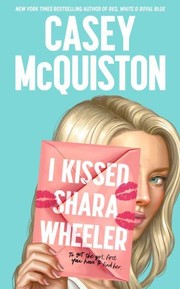
I Kissed Shara Wheeler
Shara Wheeler kisses her rival Chloe Green at prom and disappears, leaving a scavenger hunt that forces Chloe to rethink everything she knew about her.
2,083-word summary · 9 min read
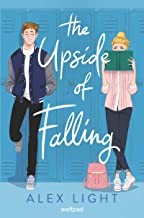
The Upside of Falling
Two teens fake-date for a summer dare and end up facing grief, family secrets, and first love.
2,274-word summary · 10 min read

Wintergirls
After her ex-best friend dies, eighteen year old Lia fights anorexia, guilt and a ghost while her family tries to pull her back.
2,740-word summary · 12 min read
Pushing the Limits
Scarred Echo and foster kid Noah take on tutoring, family secrets, and a custody fight in this 2012 debut about trust after harm.
2,831-word summary · 13 min read
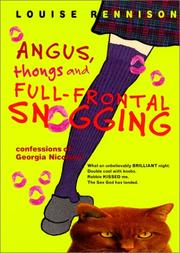
Angus, Thongs and Full-Frontal Snogging
Fourteen-year-old Georgia Nicolson journals boys, friends, parents, and Angus the cat in a frank, funny first year of teen chaos.
2,005-word summary · 9 min read
Messenger
Matty carries messages through a living Forest for Village until Trade Mart greed, a closing border, and his hidden gift force a final run.
2,363-word summary · 11 min read
Me and Earl and the Dying Girl
A self-protective Pittsburgh senior is pushed to befriend a classmate with leukemia, and a clumsy film with Earl changes all three.
2,773-word summary · 12 min read


Wait for You
Avery flees Texas for college to bury her past, but patient Cam Hamilton refuses to stay a stranger.
2,866-word summary · 13 min read
The DUFF
Bianca Piper hates Wesley Rush for calling her the DUFF, until a secret arrangement during her parents' divorce forces both teens to grow up.
2,323-word summary · 10 min read


One of Us Is Next
A year after Simon's death, a copycat texter drags Maeve, Knox and Phoebe into a cruel Truth or Dare game in Bayview.
2,348-word summary · 10 min read

Just Listen
After a falling out with Sophie, model Annabel stays silent until Owen, a music obsessed boy, helps her speak truth.
2,445-word summary · 11 min read

Perfect Chemistry
Perfect rich girl and gang tied boy tutor each other into love that must survive threats.
2,029-word summary · 9 min read

She's Come Undone
Abused as a girl, divorced and struggling with weight, Dolores Price slowly finds healing after years of trauma.
2,550-word summary · 11 min read
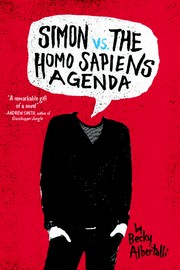
Simon vs. the Homo Sapiens Agenda
Closeted Simon Spier trades emails with Blue while Martin blackmails him over Abby and the school musical nears.
2,952-word summary · 13 min read
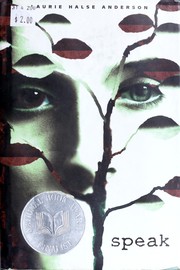
Speak
After calling police at a party, ninth grader Melinda stops speaking until art helps her tell.
2,073-word summary · 9 min read

To All the Boys I've Loved Before
Lara Jean's secret love letters get mailed and she fake-dates Peter Kavinsky to dodge Josh.
3,683-word summary · 16 min read
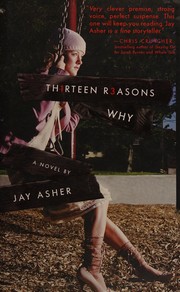
Thirteen Reasons Why
Clay Jensen gets tapes from Hannah Baker naming thirteen reasons for her death, and must walk town listening through one long night.
2,278-word summary · 10 min read
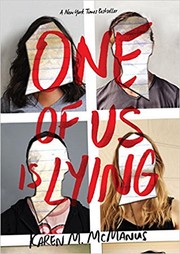
One of Us Is Lying
Five Bayview teens enter detention and Simon dies, leaving Bronwyn Nate Addy and Cooper suspects.
3,158-word summary · 14 min read

What Happened to Goodbye
Mclean has reinvented herself in four towns since her parents divorced. In Lakeview she uses her real name, and for the first time staying put becomes a choice.
2,796-word summary · 12 min read
The Thief
A boastful young thief is pulled from a prison to steal a legendary stone for the king's magus, and the story he tells about himself is not the whole story.
2,514-word summary · 11 min read

Sybil
A 1973 case study of a woman treated for multiple personalities, and the book that made dissociative identity disorder a household phrase.
2,054-word summary · 9 min read