
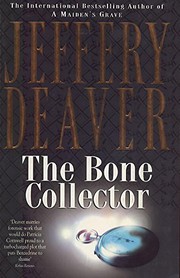
The Bone Collector
2,960-word summary 13 min read 404 pages in the book
- First published
- 1997
- Publisher
- Viking
- Pages
- 404
- ISBN
- 9780340695968
- Series
- Lincoln Rhyme (#1)
Reading options
What's inside (8 sections)
I came to The Bone Collector late, after hearing friends talk about the movie for years without ever touching the book. I finally grabbed the Viking 1997 edition, the one that runs 404 pages, because I wanted a police procedural that actually cared about lab work. I read most of it on a rainy weekend, with coffee going cold beside me, and I kept stopping to look up how crime labs in the nineties handled fiber and soil. What hooked me was not only the taxi driver or the bones. It was the pairing at the center. A man who cannot leave his bed solving murders by looking harder than anyone else, and a young patrol officer who would rather be anywhere else than a crime scene.
The book opens the Lincoln Rhyme series as book 1, and Deaver spends real time setting up why Rhyme matters and why he quit. That setup pays off later when the case turns personal.
A brilliant criminalist who cannot move
Lincoln Rhyme used to run the NYPD forensics unit. He was the guy other cops called when a scene made no sense. Then an accident at a crime scene left him quadriplegic, able to move one finger and turn his head, breathing with help at times and living with full time care.
When we meet him, he lives in a adapted room in Manhattan with books, microscopes, computers, and case files stacked where he can see them. His aide Thom looks after his body with calm skill, managing meds and chairs and visitors. Rhyme is sharp and rude and funny in a dry way. He is also tired. He has been talking with a doctor about ending his life, and he keeps that plan quiet from most of the people around him.
What makes Rhyme different from TV geniuses is how physical his thinking feels. He cannot touch evidence, so he directs other hands. He asks for soil to be smelled. He wants paper held to light at an angle. He wants dust tapped from shoes onto white paper. He remembers which factories used which kind of oil, which subway tunnels shed which kind of rust, which paper mills left which fibers in cheap stock. His memory is wide because he spent years in the lab, and Deaver lets him be wrong and then correct himself, which I liked.
Lon Sellitto, a homicide detective, still trusts him. Sellitto is rumpled and patient, the kind of cop who brings coffee and bad news in the same bag. He comes to Rhyme because a new killer is staging scenes that look like puzzles. Rhyme says no at first. He has left that life. Then Sellitto tells him about the bone and the paper, and Rhyme cannot help himself. He asks one question, then another, and soon his bed is a command post.
I found these early pages sadder than I expected. Rhyme misses the field with a hunger that feels real. He misses kneeling by tire marks. He misses the smell of rain on asphalt near a fresh scene. He bickers with Thom about windows and blankets because control over small things is all he has left. That pride and grief sit under every later scene, and they give weight to his bond with Sachs.
Amelia Sachs finds a body by the tracks
Amelia Sachs is a patrol officer, young and quick, driving a beat car when she gets waved toward an old rail bed in Manhattan. A man has been found dead near the tracks, his face pressed into the ground, his hands bound. What stops her is not only the body. It is the odd staging around it.
There is a sliver of bone planted near the corpse. There are scraps of paper with odd marks. The dirt looks swept in places. Sachs has the instinct to stop people from walking through it, and she holds the scene when a supervisor tells her to move the body fast for the trains. She photographs with her personal camera because the crime scene unit is slow to arrive. She refuses to let a rail worker hose the area. That stubbornness gets her noticed.
Rhyme hears about her handling of the scene and asks for her by name. He wants someone with good eyes and no bad lab habits. Sachs does not want the job. She joined patrol to move, to drive fast and help people in the open, partly because her father was a patrolman too and she grew up around radios and night shifts. Sitting in a bedroom taking orders from a civilian consultant sounds like punishment. She also dislikes the sight of bodies up close, which makes her feel like a fraud.
Their first meeting is awkward in a good way. Rhyme barks instructions. Sachs pushes back. He tells her how to walk a grid, how to lift prints with tape, how to bag soil without mixing layers. She tells him when his directions do not fit the real ground. Slowly a rhythm forms. She becomes his legs and hands. He becomes her teacher, though neither would use that word at first.
The rail bed victim sets the pattern. The killer took a man, stripped and bound him, left him where a train would pass, and left clues pointing to the next abduction. Rhyme reads the paper scraps as part of a message. The bone is old, from an animal or from a medical sample, meant to sign the work. The soil holds oil and grit that point to downtown streets. Trace evidence becomes the second narrator here, speaking where witnesses cannot.
I liked how Deaver shows Sachs learning to see. At first she walks past cigarette ash and paint chips. By the third scene she crouches without being told, checks her own shoes so she does not add prints, and labels bags in clear block letters. That growth feels earned because she complains and doubts the whole way.
Paper clues and a taxi that takes couples
The killer works as a taxi driver, which lets him move through New York without being seen. People get in cabs every day without looking at the driver. He uses that invisibility to take his victims, often couples, including a pair named Rubin who vanish after hailing a ride.
He does not shoot and run. He kidnaps, hides, and leaves a trail of paper and objects that point to where the victims are held and how they will die. Rhyme understands quickly that the clues are deliberate but not fair. The killer wants police to be close enough to feel hope and late enough to find bodies. He enjoys the clock.
Sachs and the team chase each scrap. A torn edge matches a brand of cheap pulp. A smudge holds printer toner from a certain kind of copier. A fiber matches upholstery used in Checker cabs. Rhyme pins maps to his wall with his eyes, telling Thom or a tech where to stick each pin. Sellitto runs names. A younger detective named Banks does legwork and sometimes trips over his own eagerness, which felt true to a squad room.
The Rubin abduction raises the heat. They are ordinary people who trusted a cab, and now they are tied in a hidden place while the team argues over a riddle. Deaver cuts between the victims trying to stay calm and the cops trying to decode ink and dust. I held my breath more than once. The victims whisper to each other. They test knots. They listen for traffic and water, trying to guess where they are. The killer watches and waits, pleased with his own cleverness.
This middle stretch is pure procedural. Sachs collects. Rhyme reads. Sellitto leans on cab companies for logs. Techs compare bone samples under microscopes. The paper clues lead to addresses tied to old New York, places most people pass without notice. Each solve arrives just late enough to hurt, which builds dread without needing a chase every chapter.
One choice I admired: Deaver shows the cost of guessing wrong. A team races to one building while the victims suffocate elsewhere. Radios crackle. Traffic blocks the route. Sachs curses and keeps driving. When they break down the wrong door, no one gives a speech. They just turn and run back to the car. That failure hangs over the next clue, and Rhyme gets sharper and less patient because of it.
Steam and rats and water at the pier
The next sites follow in grim order, each tied to forgotten corners of the city. One victim is left near a steam pipe in a basement or service space below street level, where heat and close air can kill quickly. Rhyme works out the location from mineral scale, pipe insulation, and ash mixed into the paper clue. Sachs runs down stairs with a flashlight, feeling warm air on her face before she sees the victim.
Another victim is taken to an old slaughterhouse space where rats nest in dark corners. Deaver does not look away here. He describes teeth and hunger and the panic of a bound person hearing movement in straw and blood stained concrete. I found these pages hard to read, and I think that is the point, though readers who dislike animal horror should know it is graphic. Rhyme hates that he sent people to the right place but not in time to spare all the pain. He replays the soil sample in his mind, wondering what he missed.
Then the killer leaves victims near a pier where the tide decides life or death. Rope, chains, and rising water do the work while police fight traffic and bad directions. Sachs gets wet to her knees. Sellitto shouts for boats. The water keeps coming. The clue for this one involves tide tables and oil from pilings, plus paper that swelled in damp air. Rhyme times the tide in his head and tells them they have minutes, not hours.
What ties these scenes together is old New York as a weapon. Steam tunnels, meat packing rooms, river piers. Places built for work a hundred years ago and left half empty. The killer knows them. Rhyme knows them from files and maps. Sachs learns them by running through them with her gun out and her kit bag banging her hip. The city feels layered, with new streets laid over service doors and cellars that still breathe heat.
I also noticed how Deaver uses sound in these rescues. Hiss of a valve. Squeak and rustle in straw. Slap of water on wood. Sachs listens the way Rhyme taught her, and more than once a faint noise leads her left instead of right. Those small saves make her feel like a real cop learning a trade, not a prop for Rhyme.
By the end of this run, the squad is tired and angry. Banks snaps. Sellitto drinks too much coffee. Rhyme barely sleeps. Sachs has bruises she cannot explain to her mother. The killer keeps leaving bone bits, as if signing each scene, and the press starts to circle. Rhyme worries the coverage will teach the killer what police know, so he holds back key details from reporters while feeding them enough to keep tips coming.
A badge, dust, and a subway tunnel
The break comes from tiny things, as it should in a forensics book. A badge or shield linked to old uniforms, asbestos fibers, iron dust, and grease point toward the subway system. Rhyme traces the dust to maintenance areas and unused spurs, places where a man could hold people without being heard over trains.
Sachs goes underground with backup, hating every step. The air is thick. Lights buzz. Rats move along cables. She bags rust and wipes soot from a door handle, trying not to smear prints. Rhyme, back in bed, stares at photos of scrapings and tells her to check hinges and floors for fresh scratches. He is excited in a way that scares Thom, because hope is dangerous for Rhyme now.
The subway search shows the team at its best and most frayed. Sellitto coordinates with transit cops who know which tunnels flood and which stay dry. Banks interviews workers who saw a cab parked where no cab should be. Lab techs match asbestos to a building era, narrowing the list of rooms. Sachs finds a wrapper, a hair, a flake of skin, each bagged and labeled while her hands shake from cold and nerves.
Deaver is good on procedure here. No one kicks down ten doors at once. They clear one space, log it, move to the next. They argue about whether the paper clue means a station name or a track number. Rhyme changes his mind after new toner analysis, and admits it fast, which saves time. That willingness to say I read it wrong felt honest and rare in thrillers where experts never doubt.
The subway also tightens the noose around the taxi idea. Cab logs, gas receipts, and a passenger who remembers a driver with odd gloves all point to a man who blends into traffic. Rhyme builds a profile: someone with medical or lab knowledge, comfortable with bone and blood, familiar with police science, angry at the system. That profile matters more than it seems, because the killer is closer to Rhyme than anyone guesses.
I will avoid laying out every turn in the tunnel chase, because the fun is watching Sachs use Rhyme's lessons under pressure. She marks her path with chalk. She calls out what she sees so Rhyme can hear it over speakerphone. She stops at a doorway that looks wrong and waits for backup instead of rushing in, which shows how far she has come from the rail bed where she acted alone.
The man behind the mask and what still bothers me
The killer calls himself Richard Thompson, a quiet medical tech who drives and lifts and ties without drawing notice. In truth he is Marcus Andrews, a former crime lab man with a grudge against Rhyme that goes back years. He blames Rhyme for a past disgrace and for the dismissal that ruined his standing. Every bone and every scrap was aimed at Rhyme as much as at the victims. He wanted Rhyme to watch, to solve just slowly enough to feel each loss, and then to die knowing he had been fooled.
The final attack brings that hate into Rhyme's bedroom. Andrews gets past help, gets Rhyme alone and helpless in his mechanized bed, and tries to crush him with the bed frame while taunting him about old cases. He even bites Rhyme, a shockingly intimate and ugly act that shows how personal this was. Rhyme cannot move or call out well. Thom is hurt or held off. It looks finished.
Sachs arrives in time and shoots. She does not make a perfect movie shot. She fires under fear, thinking of the Rubin couple and the pier and the rats, thinking of Rhyme who taught her to look. Andrews falls. Rhyme lives. The room, full of machines and books, suddenly feels very quiet after all the noise.
I found the reveal both satisfying and shaky. On the good side, the motive fits the method. A lab man would leave staged trace. A rejected tech would want to prove he is smarter than the famous criminalist. The taxi cover explains movement. The medical skill explains knots and sedation. Deaver plants small hints about lab access and old files that click on a second read.
On the shaky side, the plan needs a lot of luck. Paper clues must be found in order. Victims must not escape early. Cops must bring Sachs to Rhyme at just the right time. Andrews must slip through hospitals and cabs and tunnels without leaving a clear photo. I went along because the pace pulls you, but if you pause, the coincidences show. That is common in nineties thrillers, yet it stood out here because the forensics are otherwise so careful.
The gore also tests patience. Bound hands, rat bites, steam burns, rising tide water over a gagged mouth. Deaver writes it plainly, which makes it worse in a way I respect but did not always enjoy. Readers who love Patricia Cornwell or early James Patterson will know the level. Readers who prefer cozy mysteries should skip this one entirely.
Tech has dated a little too. Pay phones, paper maps pinned by hand, slow photo labs, limited databases. Rhyme faxes and phones where a modern tech would text photos and search dust libraries in seconds. I did not mind. The analog work forces Sachs to look with her eyes instead of a screen, and Rhyme to reason from first principles about oil and fiber. Still, younger readers may smile at how long a toner match takes.
What lasts for me is the partnership. Rhyme chooses life after seeing what Sachs risks for strangers. Sachs chooses the crime scene unit after seeing what careful work can do. Sellitto gets a friend back. Thom gets a boss who says thank you without a snap attached. The last pages are gentle after so much blood, with Rhyme looking out a window he once wanted to close for good.
If you like thrillers built on clues you can follow, with maps and dust and paper you could almost hold, start here. Read with the lights on during the slaughterhouse and pier chapters. Forgive a coincidence or two. Watch Sachs go from patrol to crime scene pro, and watch Rhyme learn to live again through work. I closed the 404 pages tired and glad I had stayed, already curious how these two handle the next case.
FAQ
Is The Bone Collector the first Lincoln Rhyme book?
Yes. Published in 1997 by Viking, it is book 1 in the Lincoln Rhyme series and introduces Amelia Sachs as his field partner.
Who is the killer in The Bone Collector?
He poses as a taxi driver and medical tech named Richard Thompson. He is really Marcus Andrews, a former crime lab worker seeking revenge on Rhyme.
Is The Bone Collector very gruesome?
Yes, though the violence is graphic. Deaver shows autopsy detail, rat attacks and drowning peril, so squeamish readers may want to skip passages.
Similar books
More from Lincoln Rhyme first, then related titles.

Rules of Prey
Minneapolis detective Lucas Davenport hunts a killer who leaves a new rule at every scene and treats murder as a game of wits.
1,914-word summary · 9 min read

3rd Degree
The third Women's Murder Club novel follows a San Francisco terror cell and a three-day killing schedule, and it costs the club a member.
2,685-word summary · 12 min read
Cruel & Unusual
Scarpetta links an execution to a boy's murder while someone steals bodies.
2,533-word summary · 11 min read

The Trespasser
A Dublin Murder Squad detective investigates a staged dinner-party killing and finds a cover-up that reaches into her own department.
2,051-word summary · 9 min read

The Late Show
Exiled to the LAPD night shift after accusing her supervisor, Renée Ballard keeps two cases that were meant to be handed off at dawn: a brutal assault and a…
2,563-word summary · 11 min read

The Redbreast
Harry Hole chases an ageing sniper through modern Oslo while two Norwegian volunteers on the Eastern Front carry a fifty-year-old betrayal toward a royal…
2,453-word summary · 11 min read
The Poet
A crime reporter investigates his twin brother's apparent suicide and uncovers a killer who leaves Edgar Allan Poe quotes behind, in the novel that took…
2,020-word summary · 9 min read
Broken Harbor
A family is found slaughtered in a half-built Dublin estate where no one broke in, and star detective Scorcher Kennedy must explain the holes in the walls.
2,308-word summary · 10 min read
Triptych
A GBI agent with dyslexia hunts a rapist while two Atlanta cops hide pasts.
2,576-word summary · 11 min read
Blindsighted
Sara and Jeffrey hunt a killer staging women in small-town Georgia.
2,400-word summary · 11 min read
The Man in the Brown Suit
Anne Beddingfeld sees a Tube death in London and chases a paper clue to South Africa, diamonds, and the hidden Colonel.
2,292-word summary · 10 min read

2nd Chance
Lindsay Boxer and the Women's Murder Club hunt the Chimera killer after a church shooting in San Francisco.
2,572-word summary · 11 min read
The Bat
Oslo detective Harry Hole aids Sydney police after a young Norwegian woman is murdered and finds a wider pattern. Grief, drink, and a lost partner shape the…
2,766-word summary · 12 min read
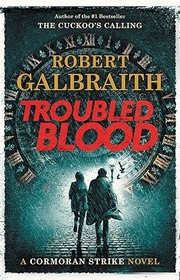
Troubled Blood
Strike and Robin take a year long cold case: doctor Margot Bamborough vanished in 1974, with a nurse hiding more.
2,211-word summary · 10 min read
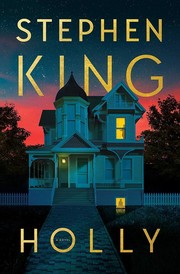
Holly
Grieving detective Holly Gibney takes a missing-girl case in 2021 and traces it to two polite retired professors with a basement secret.
2,607-word summary · 12 min read
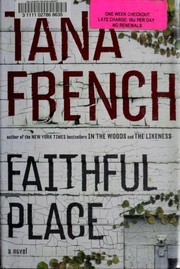
Faithful Place
Undercover Frank Mackey returns to Faithful Place when lost love Rosie suitcase is found.
2,161-word summary · 10 min read
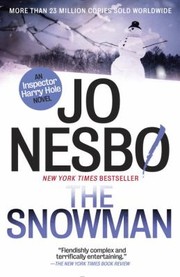
The Snowman
After the first snow, a mother vanishes and Harry Hole links her pink scarf to eleven missing women.
2,750-word summary · 12 min read
End of Watch
A dying Bill Hodges and Holly Gibney face Brady Hartsfield again, as rigged game consoles push hurt teens toward suicide.
2,923-word summary · 13 min read
Finders Keepers
A boy finds a murdered writer's notebooks while the killer leaves prison hunting them and Hodges closes in.
2,157-word summary · 10 min read
Déjà Dead
A forensic anthropologist names bagged women police dismiss in Montreal.
1,960-word summary · 9 min read
The Whisper Man
Widower Tom Kennedy moves with his son Jake to Featherbank, where a child killer called the Whisper Man once hunted. When boys vanish again, Tom must face old…
2,492-word summary · 11 min read
The Likeness
A detective poses as her murdered double and moves in with four graduate students to find the killer.
2,751-word summary · 12 min read
Career of Evil
A severed leg delivered to Robin forces Strike to face four men from his past as a London killer stalks, testing the agency and her wedding plans ahead.
2,887-word summary · 13 min read
Postmortem
Four Richmond stranglings pull chief examiner Scarpetta into forensics, leaks, and sabotage from inside.
2,422-word summary · 11 min read
The Silkworm
A missing novelist and a cruel manuscript pull Strike and Robin into London publishing.
3,583-word summary · 16 min read
Mr. Mercedes
Retired Hodges hunts Mercedes killer Brady Hartsfield concert plot.
2,281-word summary · 10 min read
Kiss the Girls
Cross hunts Casanova kidnapping women including niece Naomi.
2,397-word summary · 11 min read
1st to Die
Lindsay, Claire, Cindy and Jill hunt a honeymoon killer terrorizing San Francisco.
2,536-word summary · 11 min read

In the Woods
A detective investigates a girl's murder in the woods where his own friends vanished twenty years earlier.
2,773-word summary · 12 min read
Along Came a Spider
Detective Alex Cross hunts Gary Soneji after two children vanish from a Washington school and a Lindbergh echo grows.
2,523-word summary · 11 min read