
Reading options
What's inside (8 sections)
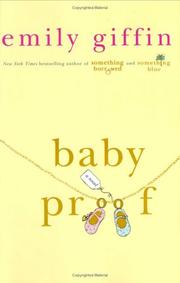
I picked up Baby Proof because I had read Giffin's Darcy and Rachel books and wanted to see what she would do with a subject that has no easy middle. Baby Proof was first published in 2006 by St. Martin's Press, 352 pages in the edition I am citing, ISBN 9780312348649, author Emily Giffin, and it stands alone outside her earlier series. The setup caught me fast. Claudia, a woman who has always been clear that she does not want children, finds her marriage rocking when her husband Ben starts to think he might want them after all. I read it over a long weekend, mostly in the evenings, and I kept stopping to argue with the characters in my head. That is probably the best sign for this kind of book. It got under my skin even when it annoyed me.
Claudia opens the story as someone who knows her own mind. She is in her early thirties, established in work she likes, married to a man she loves, and settled in a life that feels chosen rather than drifted into. The point Giffin makes early, and returns to often, is that Claudia's choice about children is not a phase or a fear she expects to outgrow. It is a settled preference. She likes her freedom. She likes sleep and travel and quiet mornings. She likes being an aunt type figure from a comfortable distance rather than a parent up close. She has said this plainly since before the wedding, and Ben heard it. That history matters because so much of the hurt later comes from memory. Did he agree or did he just assume she would change. Did she hear agreement or did she hear what she wanted. Giffin lets both readings sit side by side for a long while, which felt honest to me.
Ben, at the start, reads as a good husband in a good marriage. He is warm and steady and funny in the easy way of someone who likes his life. He and Claudia have jokes and habits. They host and visit. They work hard during the week and guard their weekends. There is real affection on the page, shown in jokes and habits rather than stated in backstory. I liked them together in the first fifty or so pages, which made the turn land harder. Ben starts to wobble on the kid question. It does not arrive as a big speech. It arrives as small comments that stack up. A friend's baby is cute in a way he did not expect. A weekend with relatives leaves him thoughtful. A throwaway line about someday starts to sound less throwaway. Claudia hears each one like a small alarm. She tries to laugh them off, then tries to answer them directly, then starts to dread them.
The heart of the book is that slow shift from shared certainty to split wants. Claudia keeps asking, in different words, whether the deal still holds. Ben keeps answering, in different words, that he is not sure what he wants anymore. Giffin writes these talks the way couples actually have them, circling and restarting. One night they are calm and careful with each other. The next night someone cries. A week later they pretend it is settled and then a baby announcement or a family dinner rips the cover off again. I recognized the rhythm from real life disagreements that have no referee. You make your best case. You listen. You sleep badly. You try again with new examples. Nothing lands clean because the subject touches identity, not logistics.
A life built on a clear no
The early chapters do solid work showing why Claudia's no feels solid to her. She is not written as cold or broken. She enjoys kids in small doses and says so. She has reasons that go past selfishness, though she owns the selfish parts too, which I liked. She worries she would be a resentful mother. She worries about what full time parenting would take from her work and her marriage and her sense of self. She has watched friends disappear into early parenthood and come out changed in ways she does not want for herself. Giffin gives her lines about this that sound like things real women say to close friends, a mix of humor and steel. The baby question sits at the center of every room she walks into, even when nobody says it out loud.
Work gives Claudia a place to feel competent while home feels shaky. I will keep her job general here since editions and summaries describe it a little differently, but the shape is clear enough. She is good at what she does, respected by colleagues, busy in a way that fills her days with purpose. Office scenes show her at ease, quick, liked. That contrast matters. At work she solves problems. At home she faces one she cannot solve by effort. A friend at work notices she is distracted. Lunches get quieter. Small mistakes creep in. Giffin does not overplay this, but the tiredness shows.
Her circle fills in around her. There is her sister, a mother herself, who loves Claudia but cannot quite hide that she thinks Claudia will come around. There are coupled friends moving into strollers and school talk. There are parents with opinions offered as love. Nobody is a villain. That is one of the book's strengths. The pressure is diffuse, which makes it harder to fight. Claudia cannot point to one bad actor. She just feels the walls narrowing as more and more people treat her choice as a waiting room rather than a decision. I felt for her in these pages even when I disagreed with how she handled a talk or two.
When Ben starts saying maybe
Ben's change is gradual, which makes it believable and also frustrating. He does not wake up one morning demanding a baby. He drifts. He holds a friend's newborn a beat too long. He asks Claudia what she thinks about a bigger place. He goes quiet when someone jokes that they will be the fun aunt and uncle forever. Each moment alone means little. Together they form a direction. Claudia sees it before Ben admits it, and that gap in timing creates some of the saddest scenes. She is grieving a shared future while he is still describing his feelings as curiosity.
Giffin is careful to give Ben a fair inner life, though I will be honest that he never felt as full as Claudia on the page. His reasons are understandable. He loves Claudia. He also starts to feel a pull toward fatherhood that surprises him. He worries about regret at fifty. He worries that saying he is fine without kids would be a performance rather than truth. He does not want to force Claudia into motherhood she does not want, and he does not want to give up something he is only starting to name. So he stalls. He suggests waiting. He suggests talking more. He suggests they are young and have time, which is true and also a way to avoid choosing. I knew men like this in my twenties and thirties, kind people who hoped a hard choice would soften if they waited. It rarely does.
The talks between them form the spine of the middle. They talk in bed and in the car. They talk after parties and before sleep. They set rules for the talks and break them. At one point they try to treat it like a practical problem, listing pros and cons, imagining schedules, pricing help. The exercise helps for a day and then collapses because the core split is about want, not plans. You cannot spreadsheet your way into wanting a child. Claudia knows this. Ben keeps hoping there is a version of the facts that makes them both feel calm. Watching him reach for that version, again and again, wore on me the way it wears on her.
Sisters, friends, and every dinner out
Family scenes widen the frame without hijacking it. Visits with her sister's family show Claudia as a caring aunt who is genuinely good with kids for an afternoon and genuinely relieved to go home. Giffin handles those afternoons well. There is play and mess and noise, then the car ride home where Claudia exhales. Her sister reads that exhale as proof of nothing, or proof of everything, depending on the day. Their talks have the texture of real sisterhood, blunt and loving. The sister thinks Claudia is closing a door she might later wish was open. Claudia hears love and condescension mixed together. Both can be true at once, which the book allows.
Friend dinners get harder as the story goes. Pregnancy news lands like weather in this circle, changing every plan. Claudia smiles through announcements and means most of the smile, which Giffin gets right. You can be happy for someone and sad for yourself in the same minute. Ben, meanwhile, lights up around other people's kids in a way Claudia clocks with growing fear. A scene built around holding someone's baby while everyone coos does more work than three arguments. Bodies tell the truth before mouths do. I found those small social moments more persuasive than the big set piece fights.
There is also the background hum of other people's certainty. Strangers ask when they will start a family. Colleagues assume. A relative prays openly for grandkids. Each comment is small. The pile is heavy. Claudia starts to feel like she has to defend a normal life as if it were a strange one. Ben feels the opposite weight, the sense that wanting a child is the normal thing he is almost embarrassed to admit he suppressed. Giffin shows how the same culture can squeeze both partners from different sides. Nobody has to be cruel for both people to feel alone.
The long middle of talks and tests
Around the halfway mark the book settles into a pattern that is true to life and, I have to say, a little trying on the page. Claudia and Ben talk, hurt each other without meaning to, patch things, enjoy a good week, and then fall back in. They try space. They try togetherness. They try advice from friends, which mostly muddies things. They consider whether love alone can bridge a split this basic. Friends take sides gently or refuse to take sides at all. Work distracts and then stops distracting. The same questions return wearing new clothes. Do you love me enough to give this up. Do you love me enough to do this anyway. Can a marriage survive if one person yields on something this large and then keeps score without meaning to.
I believed the marriage, which kept me reading through repetition. Giffin writes physical closeness and distance with care. A hand on a back in a kitchen. Separate sides of a bed. A trip that starts tender and ends strained. Sex becomes loaded, then avoided, then sad. Not because they stop wanting each other but because every tender moment raises the unasked question underneath. Can this hold. Those passages felt lived in to me, more than the dialogue about principles. The body keeps score while the mind debates.
There are also stretches where Claudia tests other futures in her head. What if she gave in and loved it. What if she gave in and felt trapped. What if Ben gave up the idea and felt hollow at forty five. What if they split and both found someone better matched. Giffin lets these what ifs run without turning them into fantasy chapters, which I appreciated. They read as intrusive thoughts, quick and aching, the kind you have while washing dishes. Claudia does not act on them so much as carry them. The weight shows in how she starts to edit herself around Ben, then hates the editing.
One fair criticism to name plainly is that this middle repeats the same debate with limited new information. Even allowing that repetition is the point, and marriages do circle, the reader feels the circle by the third or fourth round. New scenes frame old arguments. The words shift a little. The shape stays. I started skimming some talks, not because I did not care but because I could predict the beats. A firmer edit could have cut one or two cycles and kept the ache. As it stands, the 352 pages feel a touch long for the material, though the pages turn fast because the style is plain and quick.
What works, what thins, and how I felt
What works best is Claudia's voice. She is funny without performing, sharp without cruelty, and honest about unflattering feelings. She admits when jealousy or fear drives her. She apologizes badly and then better. She loves Ben in a way that shows in small acts, making coffee, remembering his stories, defending him to her sister. That love is why the book hurts. If they were cold to each other, the choice would be simple. Because they are warm, every talk costs something. I rooted for Claudia to be heard even when I wished she would listen longer before answering.
Ben is where the book thins for me. I understood his position, but I rarely felt his inner world the way I felt hers. He can read as a function, the husband who changes the terms, rather than a full person with history that explains why fatherhood calls to him now. Giffin gives him scenes with friends and family that gesture at that history, but they stay brief. I wanted one long chapter from inside his head, or at least a few pages where his past did more than peek through. Without that, his shift can feel like weather changing rather than a person choosing. Readers who need both sides equally weighted may feel the imbalance more than I did.
The friends and sister read as types at times, the earth mother, the blunt single friend, the smug new parent, but Giffin gives most of them at least one line or moment that lifts them past type. A sister's tired admission that she loves her kids and misses herself. A friend's quiet note that she stayed out of the debate because she feared losing both of them. Those grace notes kept the circle human. Still, if you want a full ensemble, this is not that book. It stays close to Claudia, and everyone else exists mostly to reflect her problem back at her.
Style wise, this is classic Giffin, talky and warm and easy to read. Short scenes. Lots of dialogue. Quick dips into memory. Food and clothes and apartments sketched fast. It is not showy prose, and that suits the subject. The stakes are domestic, so the language stays domestic. At times it stays too safe. Big feelings arrive in neat sentences. I sometimes wanted a messier paragraph to match a messy feeling. But I never wanted to stop reading, which counts for a lot in commercial fiction.
The ending and who should try it
Without spoiling the final choice in detail, the last stretch moves faster. Something has to give, and Giffin pushes the couple toward clarity through absence and return rather than one more kitchen table debate. There is time apart, or something close to it, and both people get a taste of what life looks like without the daily friction. Claudia spends time with family and sees both the joy and the grind up close. Ben sits with what he actually misses. Friends say useful things for once instead of careful things. The air clears a little, enough for a decision that feels chosen rather than cornered.
My honest reaction to the ending is mixed. It satisfies emotionally and wraps with warmth, which many readers will want after so much strain. It also ties things a bit neatly for a problem the book spent 300 pages showing as knotted. Feelings resolve faster than logistics do. The final pages lean on love as an answer to a question the middle suggested love alone could not answer. I closed the book moved and slightly unconvinced, which seems worth saying plainly. If you need an ending that sits with discomfort longer, this may feel quick. If you want hope after hard talks, it delivers.
Who should pick this up. Readers who like relationship fiction grounded in real choices will find a lot here. It pairs well with Giffin's earlier books but stands alone, so new readers can start here. It is especially pointed for couples in their late twenties and thirties fielding the kid question themselves, whether decided or torn. Content is adult but mild, mostly language and marital strain, infidelity as worry more than act, no violence driving the plot. Readers who have lived painful fertility or loss arcs should know the book centers voluntary choice, which can feel distant from other kinds of baby grief.
A few practical notes before I close. Facts held through my reading. First published in 2006 by St. Martin's Press in the United States, 352 pages in hardcover, ISBN 9780312348649, author Emily Giffin, no series. The summary above follows that text and keeps side characters general where my memory of small details felt soft. The core never wavered. A woman sure she does not want kids. A husband newly unsure. A marriage asked to stretch around that gap. Giffin asks whether love means yielding or refusing to yield, and she lets the question stay sharp even as she gives the story a soft landing. I argued with the middle, I doubted the neatness at the end, and I still think about Claudia when friends bring up the same split. That staying power matters more to me than tidy agreement.
If you read it, I would love to know where you land. Did you believe Ben's shift needed more roots. Did the sister read as loving or pushy to you. Did the final choice feel brave or rushed. I came down on the side of glad I read it, with clear gripes intact. A warm book about a hard split, easy to finish, harder to shake, and best discussed with someone you trust.
FAQ
When was Baby Proof published?
It was first published in 2006 by St. Martin's Press. The hardcover runs 352 pages with ISBN 9780312348649.
Who are the main people?
Claudia and her husband Ben, with her sister, friends, and parents circling the baby question around them.
Is Baby Proof part of a series?
No. It is a standalone novel and is not part of the Darcy and Rachel series.
Similar books

Love the One You're With
Newlywed photographer Ellen Hays is blindsided when her ex Leo reappears in New York, forcing her to choose between old spark and steady love.
3,266-word summary · 15 min read
Shopaholic Ties the Knot
Becky Bloomwood plans two weddings at once while debts pile up and Luke's mother interferes.
2,218-word summary · 10 min read
Something Borrowed
Good girl Rachel loves her best friend's fiance through a summer of weddings and lies.
2,100-word summary · 9 min read

Size 12 Is Not Fat
Former teen pop star Heather Wells investigates two dorm elevator deaths while juggling her ex, her crush, and a size-12 wardrobe.
2,805-word summary · 12 min read
Austenland
A New York graphic designer obsessed with Mr. Darcy inherits a trip to a Jane Austen theme park, where the fantasy of Regency romance collides with the men…
2,030-word summary · 9 min read
Shopaholic and Sister
Becky Brandon returns from a ten-month honeymoon to meet the half-sister she always wanted, then discovers that Jess is thrifty, prickly, and nothing like the…
2,591-word summary · 12 min read

Devil in Winter
A shy heiress with a stammer proposes a marriage of convenience to London's most notorious rake, then makes him prove he can be faithful.
2,548-word summary · 11 min read
Mr. Maybe
Libby Mason wants a rich husband, but the wealthy man who proposes is dull and the broke writer she cannot forget is not offering forever.
2,322-word summary · 10 min read
Bet Me
A sharp actuary agrees to dinner with a charming serial bettor, then spends the next month pretending the wager does not matter.
2,710-word summary · 12 min read

Two by Two
Sparks's twentieth novel turns from first love to a marriage breaking up: Russell Green loses his wife and his job, then rebuilds his life around his…
2,192-word summary · 10 min read

On Chesil Beach
Two newlyweds spend one terrible night on Chesil Beach in 1962, and the rest of their lives is decided by it.
2,456-word summary · 11 min read

At First Sight
Jeremy and Lexie are married and expecting a baby when anonymous emails tell him the child may not be his.
2,317-word summary · 10 min read

2 States: The Story of My Marriage
A Punjabi boy from Delhi and a Tamil Brahmin girl from Chennai meet at IIM Ahmedabad, and turn a love marriage into a campaign to convince two families.
2,634-word summary · 12 min read
Wedding Night
Lottie marries an old flame days after a breakup, then flies to a Greek island while her sister quietly works to sabotage the honeymoon. A farce about memory,…
2,213-word summary · 10 min read
Marriage for One
Rose marries a cold lawyer to save her coffee shop, then discovers the arrangement was never only business.
2,032-word summary · 9 min read
Loving Frank
Mamah Borthwick Cheney leaves her family for Frank Lloyd Wright, and their affair becomes a public scandal that ends in tragedy at Taliesin.
2,034-word summary · 9 min read

The Bridges of Madison County
A four-day affair between an Iowa farm wife and a photographer asks what a brief happiness is worth against family duty.
2,487-word summary · 11 min read
The Marriage Bargain
A bookstore owner marries a billionaire friend's brother for a year to save home and company.
2,092-word summary · 9 min read

Bridget Jones: The Edge of Reason
Bridget doubts Mark, takes a job with Daniel, and lands in trouble in Thailand.
2,198-word summary · 10 min read
Jemima J
Overweight London journalist Jemima Jones invents a slim online self for a California lover, starves to match the photo, then faces betrayal and learns to…
2,883-word summary · 13 min read
Shopaholic Takes Manhattan
Becky and Luke move to New York where shopping fame tempts her to ruin both.
2,025-word summary · 9 min read
Shopaholic and Baby
Pregnant Becky shops for the perfect nursery while Luke's ex becomes her obstetrician.
2,247-word summary · 10 min read
My Not So Perfect Life
Katie chases London creative life while her perfect boss Demeter hides cracks, until a farm trip flips roles.
2,300-word summary · 10 min read

Lady Chatterley's Lover
A baronet's wife, starved in a marriage the war broke, takes the gamekeeper as her lover. Lawrence's banned 1928 novel of class and touch.
2,566-word summary · 11 min read
The Rosie Effect
Married in New York, Don Tillman turns Rosie's pregnancy into research and nearly loses her, until a crisis forces him to listen.
2,869-word summary · 13 min read

South of the Border, West of the Sun
A married Tokyo bar owner reunites with his lost childhood sweetheart and must choose between steady family life and a haunting first love.
2,844-word summary · 13 min read

The Wedding
Wilson Lewis courts his own wife again with Noah's help as daughter Anna plans her wedding.
2,076-word summary · 9 min read
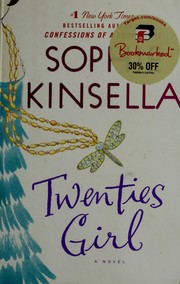
Twenties Girl
Dumped and flailing, Lara Lington is haunted by her great-aunt Sadie, a 1920s ghost who wants her lost necklace back.
2,938-word summary · 13 min read
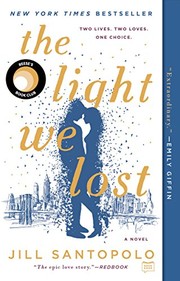
The Light We Lost
Jill Santopolo's 2017 romance follows Lucy and Gabe from a Columbia meeting in 2001 through thirteen years of reunions and partings shaped by ambition and…
2,451-word summary · 11 min read
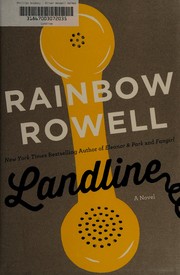
Landline
A TV writer left alone at Christmas finds her mom's old phone reaches her husband in 1998, before they married.
3,042-word summary · 14 min read