
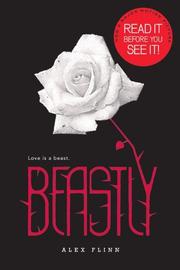
Beastly
2,967-word summary 13 min read 336 pages in the book
- First published
- 2007
- Publisher
- HarperTeen
- Pages
- 336
- ISBN
- 9780061998669
- Series
- Kendra Chronicles (#1)
Reading options
What's inside (8 sections)
I picked up Beastly because I wanted something light after a run of heavy literary fiction, and a modern Beauty and the Beast set in New York sounded like fun candy. Alex Flinn published it with HarperTeen in 2007, and the edition most readers cite runs 336 pages with ISBN 9780061998669. It is the first book in the Kendra Chronicles. I expected a quick retelling with a pretty cover. What I got was stranger and more talkative than I expected, told mostly by a boy who starts out hard to like and slowly talks himself into being a person. I read it in two sittings, once on the couch and once late at night when the chat sections made me laugh out loud.
Kyle Kingsbury lives at the top of Manhattan in every sense. He is rich, good looking in the polished private school way, and famous in his high school for being wanted and feared. His father is a famous news anchor, distant and image obsessed, and his mother is gone. Kyle has money for everything, clothes, parties, a kind of shine that makes adults excuse him. Inside that shine he is cruel. He picks targets at school and goes after them for sport. He cares about faces and status and who sits where at lunch. Flinn lets him narrate, which is a bold choice, because for the first stretch you are stuck in the head of a kid who rates people like products. It is uncomfortable on purpose. You keep waiting for someone to call him on it.
That someone turns out to be Kendra. Kendra Hilferty is a girl at school who does not fit Kyle plans for who matters. She is plain by his standards, into herbs and odd clothes, quiet in a way he reads as nothing. He sets her up for humiliation at a dance, the kind of prank where popular kids invite an outsider as a joke. Kendra does not play along. She turns out to be a witch, old and powerful despite looking teen, and she has been watching how Kyle treats people who cannot help him. She curses him. His skin changes, his hair changes, his whole shape turns beastly with fangs and claws and thick marked skin. She gives him two years to find someone who can love him truly and earn the kiss that breaks it, or stay that way. She also gives him a mirror that can show him people he asks about, which becomes his window when his old life shuts.
The curse works fast and Kyle panics in a very teen rich kid way. He tries doctors. He tries to hide it. He begs his father to fix it with money and connections. His father, who has always treated Kyle as an accessory to his own broadcast polish, reacts with disgust and fear of scandal. Instead of helping him change, he stashes him away. Kyle is moved out of Manhattan to a house in Brooklyn with a housekeeper and a tutor, cut off from school and friends and the life that fed his vanity. His father tells almost no one where he is. That exile is where the book slows down and gets better. Without an audience, Kyle has to sit with himself. He is angry, then bored, then depressed. He sleeps a lot. He avoids mirrors except the magic one. He reads. He watches Lindy from far away before he ever speaks to her properly.
Will, the tutor, and Magda, the housekeeper, become his small strange household. Will is blind, calm, bookish, unimpressed by money or fur. He talks to Kyle like a student, not a monster, and assigns reading that actually shapes him. They read classics together, and Kyle starts to argue about them instead of coasting. Magda is practical and kind in a no fuss way, cooking and cleaning and refusing to flinch. She treats the house like a home even when Kyle mopes. Their acceptance is not instant friendship movie stuff. It builds through routines. Meals. Lessons. Small jokes. Kyle starts to help a little. He starts to listen. Flinn does something smart here by making his growth boring in a good way. No single speech fixes him. He just practices being less awful day after day because there is no reward for performing anymore.
Lindy enters his real life beyond the mirror, through trouble at home. She is a girl from his old school circle edge, neither popular nor poor, living with a father who struggles and makes bad choices. Kyle has noticed her before, in the shallow way where he filed her as pretty but not worth effort. Now she becomes central because her father, in debt and scared, makes a deal that leaves Lindy staying at the Brooklyn house. Flinn keeps the Beauty and the Beast frame clear here without copying every beat. Lindy is not swept to a castle by magic. She comes because an adult man fails her, and Kyle offers shelter that is also confinement. She is angry about it. She should be. She keeps her distance, stays in her room, reads, and treats Kyle with caution. He tries too hard at first, showing off the roses in the garden and the big library, and she sees through it.
What follows is a long middle where two guarded teens circle each other. Kyle tutors her a little when school is interrupted. They eat together. They fight about little things like dishes and privacy and what to watch. Lindy loves books and has a dry sense of humor that catches Kyle off guard. She calls him out when he sulks. She asks plain questions about his face and his past that adults avoid. Slowly she starts to like the hours with him, and he starts to live for the sound of her coming downstairs. There is a garden scene I liked where he shows her the roses he has been tending, and she actually softens because care shows. Not grand romance. Just someone keeping something alive. That rose garden thread carries more weight than any speech about inner beauty. It gives Lindy a reason to believe change might be real, because she can see it growing.
The Beastly structure breaks up this slow build with chat transcripts. Kyle logs into a support chat for transformed fairy tale figures, and those pages are funny and sad at once. A frog prince complains about flies. A bear guy talks about hibernation and dating. A merman misses swimming. Kyle uses a screen name and types in his blunt voice, asking for advice about a girl in his house and whether love can happen when you look wrong. The others tease him and tell him to stop whining and be kind. I loved those sections because they let Flinn wink at the source tales without stopping the plot. They also show Kyle learning to talk honestly where no one can see his face. He is braver typed than spoken for a long stretch. Those chats are the most original part of the book. They turn a solo curse into a weird little community.
As months pass, Kyle changes in ways that feel earned and incomplete at once. He reads more. He stops rating girls out loud in his head, or catches himself when he does. He worries about Lindy father and school and safety instead of just his own deadline. He uses the mirror less to spy and more to check that people he hurt are okay. There is a stretch where Lindy gets sick and he nurses her awkwardly, making soup and fetching blankets, and it is sweet because he is bad at it. He also learns to move in his new body without shame leading every step, going out at night, wearing hoodies, keeping his head up a fraction more. Lindy, for her part, starts to choose his company. She lends him books. She argues about endings. She laughs with her whole face. The shift from captive politeness to real ease is gradual, and Flinn resists rushing it into declarations.
The two year limit hangs over everything without turning every page into countdown panic. Kyle knows time is short. He knows Lindy may leave when her home situation settles or when she simply cannot stand the oddness anymore. He does not tell her straight out that her affection is his only cure, which is both decent and cowardly. Decent because pressure would poison anything real. Cowardly because she deserves to know the stakes of living with him. When she does leave for a stretch to help her father, Kyle falls apart in a way that shows how much he has leaned on her. The house feels huge. Lessons with Will feel flat. He stops tending things. That absence forces the question the curse always asked. Has he changed enough to be loved, or has he just found one person who tolerates him.
The closing movement returns to the fairy tale shape. Kyle has to let Lindy go and trust what she feels rather than trap her. He has to face his father and the old school world with his altered face and new habits. Kendra returns, brisk and unimpressed as ever, to judge whether the terms are met. I will not spoil the exact kiss mechanics here beyond saying Flinn honors the original while keeping it teen tender rather than epic. What matters more is the choice Kyle makes before it. He stops bargaining. He tells the truth about what he did at the dance and who he was. He accepts that Lindy may choose a normal life without him. That honesty, plain and unpolished, is the real transformation, fur or no fur.
Now for fair criticism, because this book needs it. Kyle starts truly shallow, and some readers will not want to spend a hundred pages inside that head. His early cruelty toward Kendra and other kids is ugly, and the book asks you to stay with him before he earns it. That is intentional but still a hurdle. The captivity frame also carries shades that feel uneasy today. Lindy lives with Kyle because her father traded her safety for debt, and even though Kyle tries to give her space, the power gap is real. Flinn knows it and lets Lindy name it, but the romance still blooms inside an arrangement she did not freely pick. Readers sensitive to Stockholm style setups may bristle even as the book tries to soften it with consent and doors left open.
Lindy herself can feel thin in places. We get her love of reading and her loyalty to her father and her sharp tongue, but less of her inner life beyond reacting to Kyle. Her father problems resolve a bit fast, and her school friends barely register, so her world outside the Brooklyn house feels sketched. Will and Magda are warm but simple, wise helper types who exist mostly to steady Kyle. The prose is plain and serviceable rather than lyrical, which fits a teen boy narrator but means emotional peaks sometimes land flat. And the ending, while satisfying, leans on magic judgment from Kendra in a way that lets Kyle off a little easy. Two years of growth get certified by a witch kiss rather than tested in the old hallways for long.
Still, I found myself fond of it. It takes a tale everyone knows and makes it specific to a moment, private school Manhattan, Brooklyn brownstones, online chats, SAT prep and soup. It trusts that teen boys can narrate their own unlearning without sounding like pamphlets. It gives Kendra bite and humor instead of making her a soft fairy godmother. For readers who like retellings, it pairs well with other 2000s YA fairy tale riffs while staying lighter than the later dark fantasy boom. Young adult readers who want romance without explicit scenes will find it comfortable. Adults reading with teens will find plenty to argue about, which is a plus. Who deserves second chances. What love should require. When shelter becomes control.
Kyle at the top
Kyle begins as a Manhattan private school prince who confuses attention with worth. His father models cold polish. His friends model cruelty as fun. Flinn writes his early chapters in a brisk present voice that shows how automatic his meanness has become. He does not pause to reflect before the curse because reflection never earned him points. That flatness is the point, and it makes the later small kindnesses stand out. A shared blanket. A remembered book title. A question asked and actually listened to.
His school life runs on ranking. Looks first, money second, cleverness only if it serves jokes. He chases a popular girl, runs with a pack that films pranks, and treats outsiders as props. When he targets Kendra for the dance humiliation, it is not a misunderstanding. It is a plan. The book does not excuse it as boyish mischief. Kendra names it as rot. That naming is what triggers everything, and rereading those pages after the end makes his early lines sting more. You see how much room he had to grow.
Kendra and the curse
Kendra Hilferty looks like a nobody in Kyle world and moves like someone ancient. She sees through performance because she has watched centuries of it. Her curse is specific and theatrical, fur and claws and a face that stops conversation, plus a time limit of two years and a mirror for company. She is not gentle about it. She tells him plainly that outer change only shows what was inside. Then she leaves him to live it.
What I like is that Kendra does not vanish. She checks in, mocks him, pushes books at him through Will, and runs the chat room wisdom in the background. She is funny in a dry witch way and strict in a teacher way. She refuses pity and refuses to shorten the term because he mopes well. Kendra steals every scene she enters. Without her edge the middle could sag into pure domestic softness. With her, the moral pressure stays on. Change or keep the fur.
Brooklyn exile
The move to Brooklyn resets the novel. No paparazzi father glow. No hallway audience. Just a narrow house, a garden that needs work, a blind tutor who will not be charmed, and a housekeeper who expects help. Kyle hates it first. He sleeps through lessons. He snarls at Magda food. He stares into the magic mirror at his old life like scrolling a feed that no longer includes him.
Slowly routine wins. Will assigns stories where monsters learn manners or fail to. Magda puts him to work. The garden gives him something that responds to care without applause. He starts to notice Brooklyn sounds, kids on stoops, church bells, trains, that Manhattan taught him to ignore. That shift from being watched to watching is the quiet heart of the book. He becomes a person who pays attention.
Lindy and the long middle
Lindy arrives carrying her own hurt, a father who loves her but fails her when money scares him. She does not swoon at the big house or the roses. She sets terms. Her room is hers. Her schoolwork matters. She will not be stared at. Kyle, to his credit, mostly honors that after early stumbles. He knocks. He waits. He learns her tea habits and her book tastes.
Their bond grows through small shared hours rather than grand dates. Homework at the kitchen table. Arguments about book endings. Walks when streets are empty enough for Kyle to feel safe. Lindy tells stories about her dad before debt bent him, and Kyle listens without fixing. He tells her, in bits, about his mother absence and his father chill, and she does not excuse his past because his present is nicer. That mutual plain speaking is what makes the later affection believable. It is built, not zapped.
Chats and mirrors
The online chats with other cursed figures break the domestic rhythm in the best way. They are short, slangy, full of jokes about fur care and frog diets and how to tell a girl you used to be handsome without sounding vain. Kyle asks clumsy questions and gets blunt answers. Stop performing. Do dishes. Listen longer than you talk. The mirror, by contrast, is private and tempting. He can watch Lindy father, his own father on TV, old friends partying without him. He learns to close it when watching turns to spying. Both devices show the same lesson from two sides. Connection needs consent, typed or reflected.
What creaks and what holds
What holds is voice and pace once Brooklyn starts. Kyle sounds like a teen boy learning, not a lecture in a hoodie. Scenes move. Chapters end with small hooks. The fairy tale frame gives shape without strangling surprise. What creaks is depth around the edges. Lindy deserves more pages alone. Her father turn feels quick. The school villains fade too easily. The magic rules stay vague about what counts as love and who decides. And the captivity setup, even handled gently, will bother some readers fairly.
I closed it thinking about second chances and how they actually work. Not a single kiss erasing harm, but months of dishes and lessons and roses tended when no one claps. Flinn published a slim modern fable in 2007 that still reads fast, still sparks argument, and still makes you want to text a friend about that chat room. If you can sit through an unlikable opening and name the power problems honestly, the payoff feels warm. Beastly never pretends Kyle was secretly good all along. It argues he learned to be better, late and awkwardly, which is more useful anyway.
FAQ
When was Beastly published and how long is it?
HarperTeen published Beastly in 2007. The commonly cited edition runs 336 pages with ISBN 9780061998669.
Is Beastly part of a series?
Yes. It is book one in the Kendra Chronicles, which follows the witch Kendra across fairy tale retellings.
Who are the main characters?
Kyle, Lindy, Kendra the witch, plus tutor Will and housekeeper Magda, with chat cameos from other cursed fairy tale figures.
Similar books
More from Kendra Chronicles first, then related titles.
Cruel Beauty
A girl raised to kill the demon prince who rules her cursed land instead falls in love with him, in a retelling that mixes Beauty and the Beast with Bluebeard…
2,669-word summary · 12 min read
A Curse So Dark and Lonely
Pulled from Washington DC to Emberfall, Harper meets cursed Prince Rhen, who relives his eighteenth autumn until someone falls for him.
2,677-word summary · 12 min read

The Rose & the Dagger
Shahrzad is pulled from her Caliph husband and left in a desert camp of rebels, needing to break his curse and end a war before it ends her.
2,520-word summary · 11 min read
Stars Above: A Lunar Chronicles Collection
Nine Lunar Chronicles stories fill in the histories of Cinder, Wolf, Thorne, Cress, Winter, and Jacin, and end with a wedding after the war.
2,230-word summary · 10 min read
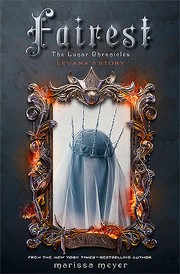
Fairest
Queen Levana's rise from scarred princess to Lunar ruler fills the gap between Cress and Winter.
2,983-word summary · 13 min read
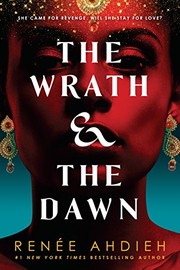
The Wrath and the Dawn
Shahrzad marries a king who executes each bride at dawn, hoping to stay alive through stories. A lush Arabian Nights retelling about grief, trust, and palace…
3,568-word summary · 16 min read

Lightlark
Isla Crown risks everything in the Centennial trials on Lightlark isle to break her people's curse, torn between Grim and King Oro. Secrets pile up toward a…
3,093-word summary · 14 min read
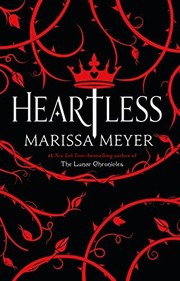
Heartless
Cath Pinkerton wants a bakery with Mary Ann, not a crown, until secret love for Jest and Jabberwock attacks pull her toward becoming the Queen of Hearts.
2,968-word summary · 13 min read
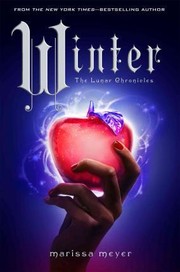
Winter
Scarred Princess Winter joins Cinder and her crew to stop Queen Levana's forced wedding and war between Luna and Earth.
3,179-word summary · 14 min read
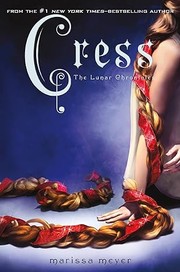
Cress
Imprisoned hacker Cress joins Cinder Scarlet Wolf Thorne to stop Levana's wedding to Kai.
2,534-word summary · 11 min read

Scarlet
Scarlet searches for her grandmother with Wolf while escaped Cinder fights Levana in the Lunar Chronicles sequel.
2,756-word summary · 12 min read
Ella Enchanted
Cursed to obey, Ella fights for freedom and love in a Cinderella retelling.
2,725-word summary · 12 min read
Cinder
Cyborg mechanic Cinder discovers she is Lunar royalty while plague and Queen Levana threaten New Beijing.
3,553-word summary · 16 min read
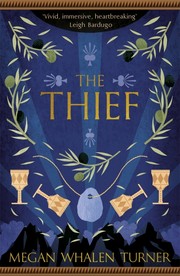
The Thief
A boastful young thief is pulled from a prison to steal a legendary stone for the king's magus, and the story he tells about himself is not the whole story.
2,514-word summary · 11 min read

Inkdeath
The final Inkworld novel sends Mo into the land of the dead, leaves Meggie choosing between two boys, and ends the Adderhead's immortality with three written…
2,062-word summary · 9 min read

Vow of Thieves
Kazi and Jase return to Tor's Watch to find it occupied, and their marriage is tested by captivity, betrayal, and a war for the town of Hell's Mouth.
2,059-word summary · 9 min read
The Lost Sisters
Taryn Duarte writes a letter to her twin, Jude, explaining how she fell for Locke and why she stayed silent while he used them both.
1,914-word summary · 9 min read
The Icebound Land
Captured and enslaved in Skandia, Will fights a drug that erases him while Halt and Horace cut a bloody road through Gallica to bring him home.
2,088-word summary · 9 min read

Lioness Rampant
Alanna searches for the Dominion Jewel with the Shang Dragon, then returns to Tortall to face Duke Roger at Jonathan's coronation.
2,478-word summary · 11 min read

Iron Widow
Wu Zetian enlists to avenge her sister, kills her pilot, and becomes an Iron Widow in a mecha Huaxia where the machines are built to kill women.
2,444-word summary · 11 min read

Archenemies
Nova steals for the Anarchists while Adrian hides his Sentinel identity, and a serum that erases prodigy powers puts them both at risk.
2,485-word summary · 11 min read

The Siren
Saved from a shipwreck in 1930, Kahlen becomes a siren who sings men to their deaths for the Ocean, until a boy in a college library makes her want a life she…
2,369-word summary · 11 min read
Dealing with Dragons
A princess who hates embroidery runs away to become the cook and librarian for a dragon, then has to outthink wizards, knights, and a plot against the dragon…
2,563-word summary · 11 min read

The Golem's Eye
Two years after The Amulet of Samarkand, Nathaniel is a rising bureaucrat, Bartimaeus is his unwilling servant again, and something made of clay is tearing…
2,299-word summary · 10 min read
Demonglass
Sophie Mercer spends the summer at the Council's English estate, where two new demons, a suspicious host, and Archer's return complicate her plan to remove her…
2,771-word summary · 12 min read
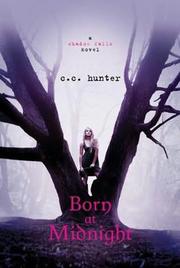
Born at Midnight
Kylie Galen is sent to a camp for troubled teens and discovers it is a haven for vampires, werewolves, and witches, and that she may be something stranger…
2,310-word summary · 10 min read
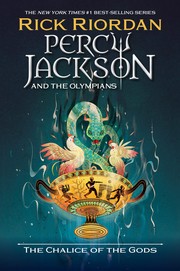
The Chalice of the Gods
Percy needs three recommendation letters from three gods to apply to college, so his first quest is recovering a stolen chalice from the god of old age.
2,106-word summary · 9 min read
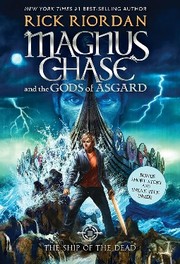
The Ship of the Dead
Magnus and his crew sail to the edges of the Norse worlds to stop Loki from launching Naglfar, the ship of the dead.
2,426-word summary · 11 min read
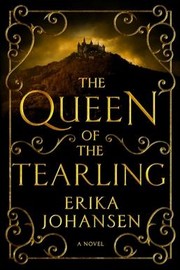
The Queen of the Tearling
Nineteen-year-old Kelsea leaves the woods to take her throne, ends a shipment of human captives, and draws the Red Queen's revenge.
2,357-word summary · 10 min read

We Hunt the Flame
In a fractured Arabia-inspired world, a disguised huntress and a prince-assassin race to find a magic-restoring book and confront an ancient evil.
2,195-word summary · 10 min read