
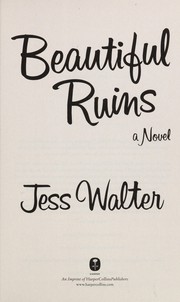
Beautiful Ruins
2,973-word summary 13 min read 337 pages in the book
- First published
- 2012
- Publisher
- Harper
- Pages
- 337
- ISBN
- 9780061928123
Reading options
What's inside (8 sections)
I picked up Beautiful Ruins because a friend left it on my kitchen table with a note that said this one made her cry on a plane. That is a risky promise. I started it expecting a light Italy holiday read, something with lemons and sea views. The 2012 Harper edition I read runs 337 pages, and it turned out to be warmer and stranger than I expected. It moves between a tiny Italian coast village in 1962 and modern Hollywood, following an innkeeper, an actress, a studio aide, an assistant, and a young writer. I finished it in three sittings, laughing in places and then feeling sad without quite knowing when the turn happened.
The basic shape is simple. In 1962, Pasquale Tursi tends a small hotel in Porto Vergogna, a fictional village on the Ligurian coast. He is young, hopeful, a little stuck. One day a beautiful American woman arrives by boat, sick and tired and trying to stay out of sight. Her name is Dee Moray. She is an actress connected to the big Cleopatra production filming in Italy at the time, and she has been sent away to rest while gossip cools. Pasquale falls for her in the fast, total way young men do when kindness and beauty arrive together. Fifty years later, in Los Angeles, an aging Hollywood aide named Michael Deane gets a chance to sell a memoir and settle old debts. Around him circle Claire, his bright assistant who wants more from work and life, and Shane Wheeler, an aspiring writer from the Northwest who shows up with a strange pitch. The book cuts back and forth until those two eras touch.
What I liked right away was the voice. Walter writes like someone telling you a story at a bar, pausing for jokes, then slipping in something true about getting older. He does not rush the Italy chapters. He lets you smell the kitchen, hear the boats, feel Pasquale's embarrassment when his English fails. Then he jumps to Hollywood and gets funny about pitches, meetings, and vanity. The jumps can be abrupt. Twice I had to flip back to check who I was with. But once I gave in to the rhythm, the connections started to land.
Porto Vergogna in 1962
Porto Vergogna is not a real town, but it feels real on the page. A curve of rocks, a small beach, a hotel built into the cliff by Pasquale's family. His father died, his mother keeps house, his aunt cooks. There are few guests. The village fishes, argues, drinks, and watches the few tourists who find them. Pasquale has dreams bigger than the hotel. He imagines building a tennis court on the cliff, bringing Americans, making the place known. He has even started work on it with local help, moving stone, leveling ground, spending money he does not quite have. It is a sweet, doomed plan, and Walter treats it with affection rather than mockery.
Pasquale's daily life gives the book its anchor. He wakes early, checks boats, carries bags, fixes shutters, worries about his mother. He speaks a little English, enough to be polite and not enough to say what he feels. When the book stays with him, time slows in a good way. You get long afternoons, meals described without showing off, village meetings where everyone talks at once. I found myself reading these chapters more slowly, which is rare for me. I wanted to stay there.
Then Hollywood arrives by water. A publicist or driver brings word that an American actress needs a quiet room. The village has never hosted anyone famous. Pasquale cleans the best room twice. His mother airs the sheets. The fishermen joke about movie stars. Under the jokes there is pride. Someone chose their forgotten cove for hiding. That attention matters to a young man who fears his home will stay forgotten.
There is a small hotel at the center of all this, and Walter makes it feel like a character. The stairs creak, the terrace looks over the sea, the kitchen sends up smells that make guests stay for dinner even when they planned to leave. Pasquale loves the building the way people love a parent. He polishes it, apologizes for it, shows it off. When Dee Moray steps onto that terrace, pale and tired, the hotel seems to hold its breath with him.
Dee Moray arrives
Dee is young, lovely, and unwell when we meet her. She has come from Rome, where the Cleopatra shoot churns with money, rumors, and press. Walter keeps the famous names at the edge. You hear about Burton and Taylor the way villagers would, as distant thunder, not as scenes with dialogue I would need to verify. Dee is not a star. She is a starlet with a small part, caught in a bad moment. She may be pregnant, she is certainly frightened, and the studio has parked her in Porto Vergogna to wait until someone decides what story to tell. I am phrasing this carefully because the novel gives her situation in pieces, through doctors and phone calls and half heard plans, and I do not want to overstate what the book states plainly.
Pasquale takes care of her. He brings broth, finds a doctor, rows her to see the coast when she feels stronger. He does not speak much English, she speaks almost no Italian, and that language gap shapes their bond. They talk in simple sentences, gestures, smiles. He shows her the half built tennis court and explains his dream with his hands. She listens with real attention, which no one else has given him. He falls in love. She is grateful, fond, maybe a little in love back in the way people can be when they are ill and far from home and someone is kind.
A doctor visits, an American writer staying nearby watches with interest, phone calls come from Rome with new orders. Dee is told to rest, to stay hidden, to wait. There are discussions about what she should do next, about clinics and press and contracts, handled in the hushed tone men used then when deciding a young woman's future. Walter does not turn this into a speech. He shows Pasquale listening at doors, not fully understanding, sensing that the kind world of soup and boat rides is about to be broken by business.
One afternoon Dee leaves, or is taken away, depending on how you read the hurried farewells. Pasquale is left with an address, a promise, a memory of her on the terrace. He does what young lovers do. He writes, he waits, he tells himself she will return. He keeps the hotel ready. Years pass in a few pages, and that compression hurts. You see him aging around an absence. His mother grows older, the tennis court stays unfinished, the village changes while he holds still. I thought about that unfinished court a lot. That court shows the shape of his hope.
Hollywood fifty years later
Cut to Los Angeles in the present of the book. The light is different, the talk is faster, everyone is selling something. Michael Deane is older now, a man who was once near power in the industry and now lingers at its edge. He worked with Dee Moray long ago, or near her, and he carries knowledge about what happened in Italy that could make a memoir worth money. He is charming in the way tired salesmen are charming. He remembers names, tells stories, pours drinks, and tries not to think about the people he used.
Walter clearly knows this world and likes making fun of it. Meetings happen in offices with glass walls where assistants guard time. Producers talk about projects based on nothing. A reality style film idea floats around. Phones ring, lunches stretch, everyone says they love an idea while meaning they want someone else to pay for it. I laughed at several scenes where Michael tries to look busy while his career quietly stalls. He checks his reflection, practices his smile, calls contacts who do not call back. It is farce, but not cruel farce. You sense Walter has met these men and feels a little sorry for them.
Into this drift comes a package from Italy. Or a letter. Or a man arriving with a story. I will keep it broad: word reaches Michael that the past is not past, that Pasquale is still alive, that Dee's story has an ending no one in Hollywood bothered to learn. Michael smells a last chance. If he can secure the rights, attach himself to a film about Dee and that Italian summer, he might pay debts and feel relevant again. He starts making calls, pulling favors, promising more than he has.
The contrast with 1962 is sharp on purpose. Italy chapters move with tides and meals. Hollywood chapters move with calendars and calls. In Italy, people remember everything. In Hollywood, people forget on schedule. Walter cuts between them to ask a plain question without stating it outright. What lasts. A hotel built into rock, or a credit on a poster. A summer of kindness, or a deal memo.
Michael, Claire, and Shane
Claire was my favorite surprise. She works for Michael as an assistant, smart and organized and tired of fetching coffee for a man who wastes her notes. She wants to write, or to do something that matters, but she needs the paycheck and she likes Michael enough to stay. She reads scripts, covers phones, remembers birthdays, and watches Hollywood chew up young women the way it once chewed up Dee. When Shane Wheeler appears, she pays attention.
Shane is from the Northwest, earnest, a little lost, carrying pages and hope. He has written something about his own life, about his mother and a Donner party style trek or a historical reenactment, the exact project shifts in retellings and I will not pin it down tighter than the book needs. What matters is his tone. He is sincere in a town that rewards irony. He pitches with shaking hands. He believes stories should mean something. Michael sees him as a tool at first, a fresh face to attach to the Dee project. Claire sees him as a person, and then slowly as more than that.
Their scenes together give the Hollywood half its heart. Claire drives Shane to meetings, tells him what not to say, rewrites his pitch in plain language. He listens, grateful, stubborn about the parts that matter to him. They eat cheap food, walk around lots, talk about books and families. It is a gentle courtship built on work, not grand gestures. I found myself rooting for them more than for the memoir deal, which is probably what Walter wants. The deal is plot. Claire and Shane are the pulse.
Michael uses both of them and knows he is using them. To his credit, he feels bad in flashes. He remembers being young, remembers Dee when she was young, remembers promises he made and broke. He tries to be generous in small ways while maneuvering for the big score. One scene where he takes Claire to a party and introduces her around felt true to office life everywhere. He opens a door an inch and expects gratitude for a mile. She smiles, takes the inch, and plans to walk through it on her own terms.
There is a pitch meeting stretch that runs long and funny, with Shane trying to explain his story while executives translate everything into trends they already know. Claire watches from the side, wincing and proud. Michael jumps in to smooth edges, name dropping Dee Moray and Italy and old Hollywood to keep the room warm. I have never pitched a film, but I have sat in meetings where everyone nods and no one commits, and Walter nails that airless feeling. You leave hungry even after lunch.
How the threads meet
Without spoiling the final turns beat by beat, the book starts pulling its people toward one place. Pasquale, now old, travels or sends word that brings him back into contact with Americans. Michael travels or sends Claire and Shane to follow the Italy thread. Festivals, premieres, and memorials give them reasons to gather. Old letters surface. A doctor's old notes matter. A song, a film clip, a photo, small objects carry weight because they survived when plans did not.
Dee remains the center even when she is absent. We learn more about what happened after 1962 in fragments. A career that never quite broke big, marriages and work, illness later in life, choices made under pressure that echo for decades. Walter does not present her as a victim only. She is funny, sharp, tired, kind. In later chapters she gets pages in her own voice that reframe the summer from her side. Those pages changed how I saw Pasquale's devotion. He remembered a romance. She remembered a kindness during a frightening month, which is different and not less.
The reunion logic is sentimental, and Walter knows it. He lets characters say so. People joke about movie endings while walking into one. Pasquale meets people he only heard about on the radio. Claire and Shane find themselves standing near history they only knew as gossip. Michael tries to close his deal while real feeling keeps interrupting. I will not detail who lives, who dies, who forgives whom, because the book earns those reveals through accumulation. The shape is fair to describe as circular. A kindness in 1962 creates a debt. A debt creates a search. A search creates new kindness.
I admired how Walter handles language across time. In Italy chapters, dialogue is simple when Pasquale and Dee speak across Italian and English. In Hollywood chapters, dialogue is fast, full of jokes and half sentences. In later chapters, when old people speak, the sentences shorten again, as if age returns them to essentials. That pattern feels true without calling attention to itself.
There is also a thread about art versus business that runs under everything. Pasquale built a hotel to share beauty. Dee acted to be seen. Michael sold stories to stay near power. Shane writes to understand his family. Claire assists to learn how things get made. None of them fully get what they wanted at the start. Most get something smaller and better. Or sadder. The book lets both outcomes sit side by side.
What shines and what wobbles
What shines first is place. Porto Vergogna lives in my head now as clearly as any real village I have visited. The cliff path, the terrace, the kitchen steam, the boats knocking at night. Walter writes food and sea without showing off. A tomato tastes like a tomato, not like a symbol. When Pasquale rows Dee along the coast, you feel the oars and the sun and his nervous pride. Those chapters could stand alone as a novella, and I would have been happy with just them.
What shines second is tone in the Hollywood chapters. The jokes land because they come from character, not from scorn. Michael saying the wrong right thing in a meeting, Shane misunderstanding a compliment, Claire translating both ways, these scenes move fast and feel lived in. Walter worked in film talk enough to know its rhythms. He likes these strivers even as he shows their self deceit. I laughed out loud twice on a quiet train and did not mind the looks.
What wobbles is number. There are a lot of threads, and not every one earns its pages. A writer character observing events, festival organizers, producers with similar names, family members in the Northwest, each gets time that could have stayed with Pasquale or Dee. Around the two thirds mark I felt scattered, flipping back to recall who a minor producer was and why his opinion mattered. The book wants to feel interconnected, and mostly it does, but at times it feels crowded instead. One or two fewer side trips would have tightened the middle.
The shifts between farce and sadness also jolt. One chapter ends with a broad comic set piece about a pitch or a party. The next opens with illness or regret. Walter means that whiplash. Life does turn that fast. On the page, though, I needed a breath between modes that I did not always get. A funny scene about reality television followed by a hospital visit left me unsure how to feel, which may be honest but is not always pleasant.
The ending leans neat. After so much mess, people gather, truths are spoken, forgiveness is offered in ways that feel a little too timely. I liked the feeling of it. I cried a little, which my friend predicted. But part of me resisted how smoothly old wrongs resolve. Real debts from fifty years rarely settle in one weekend. The book knows this and tries to earn the neatness through emotion rather than plot logic. For many readers that will be enough. It was mostly enough for me, with a small voice asking for more loose ends.
Would I pass it on? Yes, and I already did. I left it back on the kitchen table with my own note. Not a plane cry promise, more practical. Read the Italy chapters slowly. Forgive the crowded middle. Stay for Claire and Shane, who feel like the future answering the past. Stay for Pasquale, who keeps his hotel and his hope in repair long after most people would have sold. Stay for Dee, who gets to be more than a beautiful ruin herself. The title sounds sad, and parts are sad, but the book left me fond of its people rather than bleak. That seems like the right kind of ruin. Something broken that still holds light.
FAQ
When was Beautiful Ruins published?
It was published in 2012 by Harper. The standard hardcover runs to 337 pages, and the story moves between 1962 Italy and present day Hollywood.
Where is Beautiful Ruins set?
Part is set in 1962 in Porto Vergogna, a small village on the Italian coast, where innkeeper Pasquale meets actress Dee Moray. Part is set in modern Los Angeles around aide Michael Deane, assistant Claire, and writer Shane Wheeler.
Is Beautiful Ruins part of a series?
No. It is a standalone novel by Jess Walter. The characters reappear across timelines within the same book, but there is no sequel or prior volume.
Similar books

Call Me by Your Name
One summer on the Italian Riviera: seventeen-year-old Elio and grad student Oliver circle each other through swims, talks, and missed chances.
2,627-word summary · 12 min read

Alone With You in the Ether
Two people in Chicago agree to six conversations, and the experiment becomes a love affair that is also a study of bipolar disorder, obsession, and the shape…
2,713-word summary · 12 min read
On Chesil Beach
Two newlyweds spend one terrible night on Chesil Beach in 1962, and the rest of their lives is decided by it.
2,456-word summary · 11 min read

Ivanhoe
A disinherited Saxon knight, a great tournament, a besieged castle and a trial by combat. Scott's most famous novel, set in England in 1194.
2,834-word summary · 13 min read
Euphoria
Three anthropologists in 1930s New Guinea turn fieldwork into a love triangle, and a real history breathes behind them.
2,048-word summary · 9 min read
Eligible
Austen's Bennet sisters move to modern Cincinnati, where marriage is a reality show and the house is losing its value.
2,293-word summary · 10 min read

Big Swiss
A transcriptionist for a sex coach falls for one of his clients, the tall Swiss gynecologist she calls Big Swiss, in a funny novel about work and secrets.
2,523-word summary · 11 min read

This Is How You Lose Her
Yunior cycles through love affairs and betrayals in nine linked stories, tracing the damage he does and the family history behind it.
2,195-word summary · 10 min read

The Bone Clocks
A teenage runaway, a Cambridge con artist, a war reporter and a dying novelist circle a hidden war between immortals across sixty years, with Holly Sykes at…
2,125-word summary · 9 min read

The Birth of Venus
A Florentine merchant's daughter trains as an artist, marries a man who hides a secret, and survives Savonarola's bonfire of the vanities.
2,404-word summary · 11 min read
A Voice in the Wind
A young Christian slave in Rome serves a spoiled patrician daughter and catches the eye of her brother, while a captured German gladiator fights for freedom.
2,322-word summary · 10 min read
If on a Winter's Night a Traveler
You, the Reader, chase a defective novel through bookshops and translators while ten other novels keep interrupting. Calvino's famous puzzle about the act of…
2,173-word summary · 10 min read
The Little Paris Bookshop
A Paris bookseller who prescribes novels as medicine finally opens a twenty one year old letter from his lost love and sails south through France to find her.
2,050-word summary · 9 min read
By the River Piedra I Sat Down and Wept
Pilar, 29, meets her childhood friend again in Madrid and finds a rumored miracle worker. One winter week through the Pyrenees to the river Piedra, and the…
2,845-word summary · 13 min read

The Accidental Tourist
Grieving Macon writes travel guides for haters of travel, then Muriel intrudes.
2,252-word summary · 10 min read
I Capture the Castle
Cassandra journals six months of love and money trouble in a castle.
2,402-word summary · 11 min read
To Love Jason Thorn
Childhood friends Olive and Jason reunite when the Hollywood star returns home, fake a romance for the cameras, and face old family wounds before trust turns…
2,506-word summary · 11 min read
The Marriage Plot
At Brown in 1982, Madeleine loves Austen while torn between brilliant Leonard and steady Mitchell.
2,804-word summary · 12 min read
The English Patient
In a ruined Italian villa in 1945, a burned man, a nurse, a thief, and a sapper trade pasts shaped by desert love and war.
2,006-word summary · 9 min read

Lady Chatterley's Lover
A baronet's wife, starved in a marriage the war broke, takes the gamekeeper as her lover. Lawrence's banned 1928 novel of class and touch.
2,566-word summary · 11 min read

Funny You Should Ask
Chani profiles star Gabe Parker, then ten years later a reunion interview tests memory, work, and timing.
2,603-word summary · 12 min read

Daughter of Fortune
Eliza Sommers flees Chile for California gold rush San Francisco, disguised and searching for her lover, finding freedom with Tao Chi'en.
2,009-word summary · 9 min read
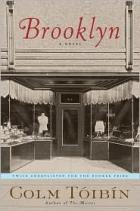
Brooklyn
Eilis Lacey leaves Enniscorthy for Brooklyn boarding house work, love with Tony, then a home death forces divided choice.
2,143-word summary · 10 min read
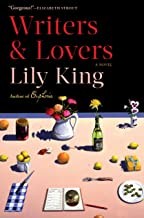
Writers & Lovers
A broke waitress in Boston grieves her mother, finishes a novel, and chooses between two men.
2,473-word summary · 11 min read
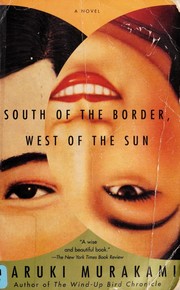
South of the Border, West of the Sun
A married Tokyo bar owner reunites with his lost childhood sweetheart and must choose between steady family life and a haunting first love.
2,844-word summary · 13 min read
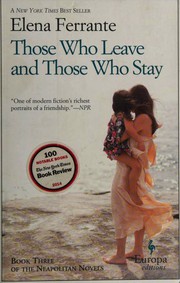
Those Who Leave and Those Who Stay
Elena publishes into Florence salons while Lila labors through Naples factories across the 1970s.
2,034-word summary · 9 min read

Sputnik Sweetheart
K loves Sumire, Sumire loves Miu, and then Sumire vanishes from a Greek island into Murakami's quiet other side.
2,055-word summary · 9 min read
Nora Goes Off Script
A romance writer's house becomes a film set and the actor playing her ex stays.
1,982-word summary · 9 min read

Love & Gelato
After her mother dies, Lina spends a summer in Tuscany, follows a journal through Florence, and learns who Howard is.
2,768-word summary · 12 min read

The Glass Hotel
A hotel bartender marries a wealthy investor, his fund collapses in 2008, and Mandel traces the money, the guilt, and the ghosts left behind.
2,785-word summary · 12 min read